
Israel Strikes Southern Lebanon, Targets Quds Force Commanders After Prime Minister Netanyahu Promises 'Many Surprises'
Key Takeaways
- Israel renewed its assault on southern Lebanon early Sunday
- Israel targeted commanders of the Lebanese branch of Iran's Revolutionary Guards' Quds Force
- Prime Minister Benjamin Netanyahu promised "many surprises" for the next conflict phase
Israeli strikes in Lebanon
Israeli forces renewed strikes in southern Lebanon early Sunday, the reporting says.
“DUBAI, United Arab Emirates (AP) — Israel renewed its assault on southern Lebanon early Sunday, including targeting commanders of the Lebanese branch of Iran’s Revolutionary Guards’ Quds Force, after Israeli Prime Minister Benjamin Netanyahu promised “many surprises” for the next phase of the conflict”
The reporting states the attacks were aimed at commanders of the Lebanese branch of Iran’s Islamic Revolutionary Guard Corps’ Quds Force.
The article cites Prime Minister Benjamin Netanyahu’s warning of “many surprises” in the next phase.
It notes the Israeli military framed the operation as an effort to prevent “Iranian terrorist elements” from establishing themselves in Lebanon.
Southern Lebanon bombardment damage
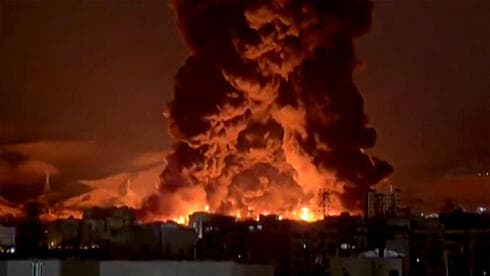
Lebanese media and officials reported the strikes hit infrastructure in the south, including fuel and oil storage facilities, sparking fires.
Lebanon’s health authorities reported deaths and injuries from the bombardment.
These local reports underscore immediate humanitarian and material damage resulting from the renewed bombardment in southern Lebanon.
Iran's internal dynamics
Iran’s presidency issued an apology related to the attacks, according to the coverage.
“DUBAI, United Arab Emirates (AP) — Israel renewed its assault on southern Lebanon early Sunday, including targeting commanders of the Lebanese branch of Iran’s Revolutionary Guards’ Quds Force, after Israeli Prime Minister Benjamin Netanyahu promised “many surprises” for the next phase of the conflict”
Analysts expressed concern about the Revolutionary Guard’s operational autonomy and the limited control Iran’s civilian leaders have over proxy and regional activities.
Those factors complicate efforts to de-escalate the situation and to assign responsibility.
Preventing regional escalation
Reporters note regional and international alarm about the risk of wider escalation.
They describe diplomatic activity and statements from the U.S. and Gulf states aimed at containing the conflict.
The article frames these diplomatic moves as efforts to prevent hostilities between Israel, Lebanese actors, and regional proxies from expanding into a broader confrontation.
Cross-border confrontation overview
The report includes an eclectic detail about U.S. politics in the coverage: a quote from former U.S. President Donald Trump saying the Kurds would not be involved.
“DUBAI, United Arab Emirates (AP) — Israel renewed its assault on southern Lebanon early Sunday, including targeting commanders of the Lebanese branch of Iran’s Revolutionary Guards’ Quds Force, after Israeli Prime Minister Benjamin Netanyahu promised “many surprises” for the next phase of the conflict”
Taken together, the piece portrays a rapidly intensifying cross-border confrontation with domestic political, regional proxy, and international diplomatic dimensions.
More on Iran
Trump Says U.S. Bombed Military Sites on Kharg Island, Iran's Oil Hub
14 sources compared
FBI Warns of Iranian Drone Plot Based on Unverified Tip; California Says No Credible Threat
10 sources compared

White House Demands ABC Retract Report Claiming Iran Sought To Launch Drone Attacks On California
11 sources compared

Iranian Proxy Claims It Shot Down US Refueling Plane in Iraq; US Military Says Otherwise
17 sources compared