
Israel Targets Hezbollah, Killing 31 People and Displacing Over 1 Million in Lebanon
Key Takeaways
- Israel escalates attacks on southern Lebanon targeting Hezbollah, widening the conflict.
- Civilian harm and panic in Lebanon as strikes intensify, with Beirut and southern towns hit.
- Ceasefire fraying; continued shelling after ceasefire threatens broader regional war.
Ceasefire, then strikes
Lebanon’s humanitarian crisis deepened as Israel targeted Hezbollah, with DW citing Kelly Petillo saying, "Lebanon is in a state of panic," and adding that "Thirty-one people were killed on the eve of this week's Eid holiday."
DW also reported that Lebanon was drawn into the wider Middle East war on March 2, 2026, after Hezbollah fired at Israel two days after the US and Israel attacked Iran, and that Lebanon’s Health Ministry said more than 3,213 people have been killed and more than 1 million people remain displaced following nearly three months of Israeli strikes.

In southern Lebanon, عين ليبيا described the first hours after a ceasefire went into effect as marked by shelling and explosions, including Israeli artillery shelling and machine-gun fire toward the southern town of Konin and detonations and demolitions of houses in Al-Khiam.
The same report said the National News Agency stated Israeli forces targeted a rescue team affiliated with the Islamic Health Authority in Konin with artillery shells and machine-gun bursts, causing injuries, and it also noted mine-laying and blasting in Al-Khiam as the ceasefire began to be implemented.
DW further quoted David Wood warning, "Israel and Hezbollah have entered a very dangerous escalatory cycle," and said that if the situation continues, it "could have disastrous consequences for Lebanon."
Hezbollah, Netanyahu, and debate
DW reported that Israeli Prime Minister Benjamin Netanyahu said Hezbollah’s increased use of explosive drones threatens the lives of civilians in Israel’s north and "requires of us now to increase the blows, to increase the intensity. We will smite them hip and thigh."
In the same DW account, Hezbollah’s secretary-general Naim Qassem warned Beirut that his group would confront any government attempt to shut down the Hezbollah-linked Al-Qard Al-Hassan financial institution, saying, "The people have the right to go down onto the streets and to bring down the government."

IRIS described the early hours of March 2 as Hezbollah launching six missiles and eight drones toward Israel, triggering a large-scale response from Tel Aviv, and it said the attack was presented by Hezbollah as vengeance for the assassination of Iran's Supreme Leader, Ali Khamenei.
IRIS also stated that the Lebanese government banned all military and security actions by Hezbollah and tasked the Lebanese army with carrying out its disarmament by all necessary means, after the decision was called to a Council of Ministers the day after the attack.
In a separate account of the truce’s early days, عين ليبيا quoted former head of the Progressive Socialist Party Walid Jumblatt saying in a Facebook post that the ceasefire could resemble the Israeli agreements with the Gaza Strip, which have seen repeated breaches, while he stressed opposition to it turning into an agreement similar to Gaza's ongoing violations.
Numbers, displacement, and risk
Folha de S.Paulo said that since the start of the truce on April 17, Israeli forces have killed at least 600 people, bringing the death toll to more than 3,200 and the number of wounded to 9,700 since the start of the conflict on March 1, according to the Lebanese Health Ministry.
“The latest escalation between Israel and the Iran-backed Hezbollah group is exacerbating Lebanon's dire humanitarian situation”
Folha also reported that Israel Defense Forces expanded its operation beyond the 'yellow line' and that the prime minister announced on Friday (the 29th) that its forces had crossed the Litani River, which until then had been the boundary.
DW, meanwhile, said Lebanon’s Health Ministry reported more than 1 million displaced people after nearly three months of Israeli strikes, and it described hopes for an end to the fighting being dimmed after Netanyahu’s comments about increasing intensity.
In the same DW report, David Wood warned that if the escalation continues, it could have disastrous consequences for Lebanon, and it added that the Lebanese government under President Joseph Aoun already banned all military action by Hezbollah in March 2026 and continues to push for Hezbollah’s disarmament.
IRIS framed the stakes as a humanitarian catastrophe, saying it is witnessing "more than one million displaced people, 2,584 injured and 1,001 dead according to Lebanese authorities," and it said the risk is that the choice to respond to Khamenei's assassination could permanently damage Hezbollah’s image.
More on Lebanon
Israeli Forces Advance Beyond Litani River, Poised to Encircle Nabatieh
34 sources compared
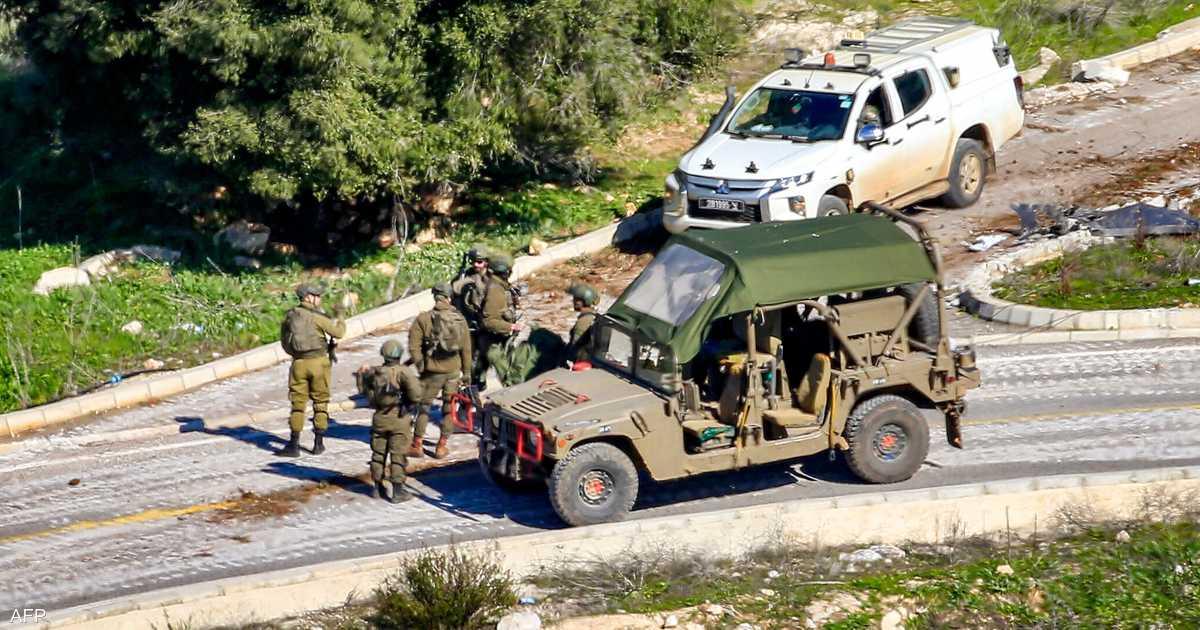
Israel Issues Expulsion Orders for 13 Villages in Southern Lebanon as Netanyahu Advances
11 sources compared
Ahmed al-Sharaa Visits Deir Ezzor After Euphrates Floods Displace Thousands
18 sources compared
Israel Intensifies Southern Lebanon Attacks, Leaving 31 Dead and 40 Wounded
48 sources compared