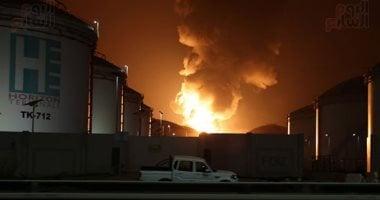
Israeli Airstrikes Destroy Litani River Bridges as Lebanon Faces Major Operation
Key Takeaways
- Israel issues evacuations for multiple southern Lebanon villages near the Litani River.
- Villages around Litani described as moonscapes due to widespread destruction.
- Coverage links Israel's southern Lebanon actions to Iran and its proxies.
Litani bridges and Gaza-style tactics
Le Monde diplomatique frames Lebanon as facing a repeat of earlier Israeli operations, writing that Israel is “turning southern Lebanon into another Palestine,” and it links that approach to the 1948 method used in Galilee and elsewhere.
The outlet recalls that on “Black Wednesday, 8 April this year,” Israeli aircraft killed “more than 350 Lebanese civilians in minutes and injured nearly 1,500,” and it says the Israeli army is again conducting “a major operation in Lebanon.”
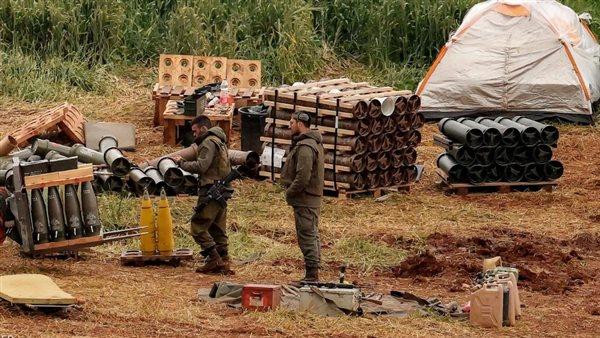
The Jerusalem Post analysis describes Israel’s war as a multifront campaign since the October 7 massacre and argues that a “buffer zone of complete destruction” has become “the new Israeli tactic being used in Lebanon,” while calling it “a tactic, not a strategy.”
In Lebanon specifically, Al-Manar TV Lebanon reports that Maariv acknowledged Israeli destruction of bridges over the Litani River failed to achieve its stated goal of isolating southern Lebanon and cutting off reinforcements to Hezbollah.
Al-Manar TV Lebanon adds that, as of April 2026, Israeli airstrikes have targeted and destroyed key bridges over the Litani River, while Human Rights Watch warned the bridge attack constituted a potential war crime.
Officials, analysts, and escalation warnings
Al-Manar TV Lebanon says Maariv’s military analyst Avi Ashkenazi, citing Israeli military sources, warned that the Israeli approach in Lebanon is “based on defensive one only and risks strategic failure.”
Ashkenazi’s assessment, as translated and edited by Al-Manar, says the Litani River’s water level is “only knee-deep,” allowing Hezbollah fighters to cross without relying on bridges, which the report says undercuts earlier claims by Defense Minister Yisrael Katz.
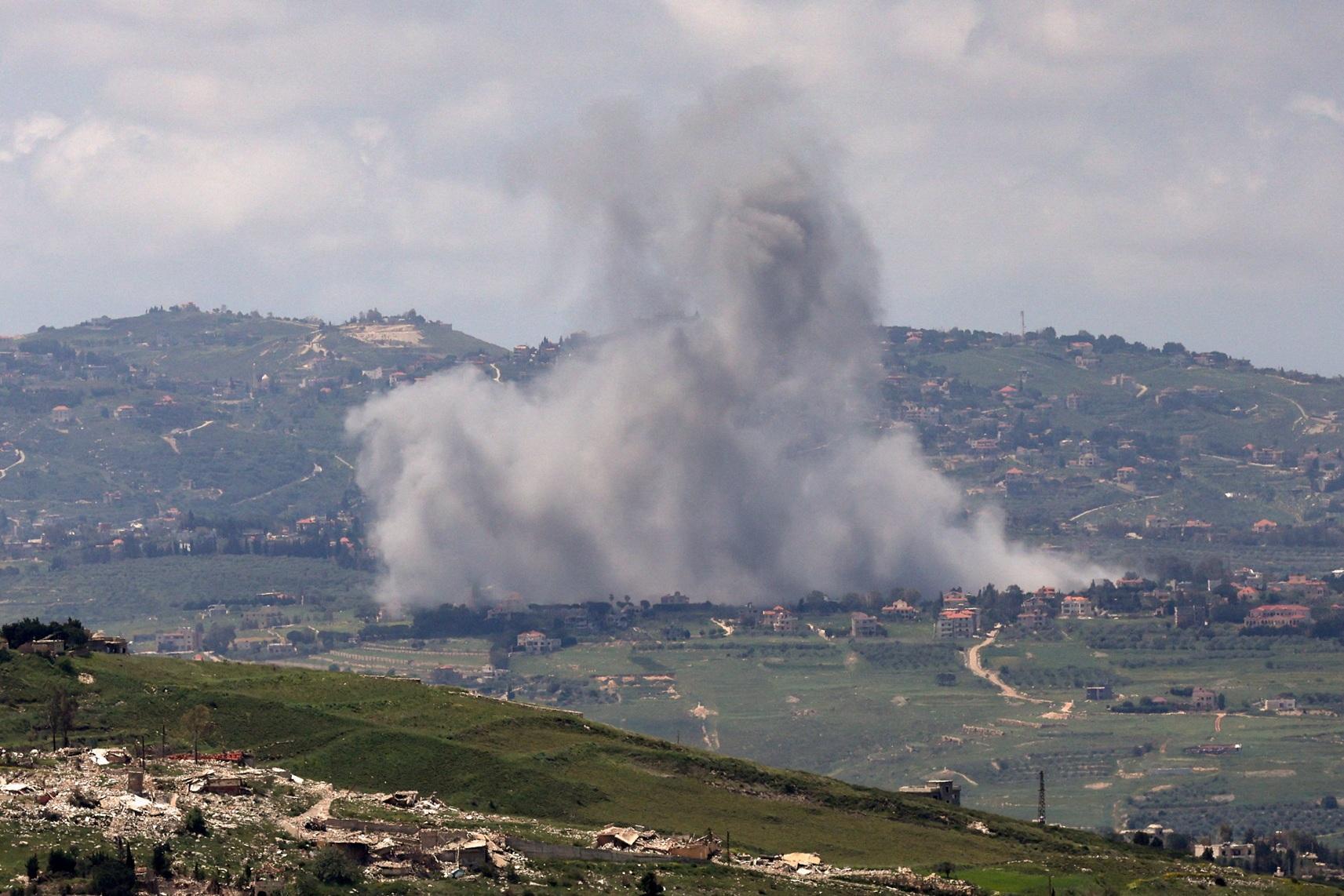
The Jerusalem Post analysis quotes Israeli officials telling the public “Hamas is ISIS,” and it argues Israel has not been able to remove Hamas despite an army “far stronger than the Iraqis or the SDF.”
In the same Jerusalem Post piece, Robert Malley is quoted warning that U.S. handling of the conflict is “likely to be determined less by clearly defined strategic considerations and more by the Trump-era mindset.”
The Al-Manar report also says Israeli Defense Minister Yoav Gallant ordered the army to prepare to widen operations in Lebanon, and it adds that Malley warned escalation could reach “levels we hadn't imagined even a month ago.”
What comes next and what’s at stake
Le Monde diplomatique argues that Israel’s actions in southern Lebanon are treated as “legitimate reprisals,” while it says Palestinian actions are treated “exclusively as terrorist crimes,” and it asserts “Israel can count on almost unanimous complicity.”
“The Israeli newspaper Maariv acknowledged that the Israeli army’s destruction of bridges over the Litani River failed to achieve its stated goal of isolating southern Lebanon and cutting off reinforcements to Hezbollah resistance”
The outlet’s historical framing ties the current operation to earlier outcomes, saying that Operation Litani and later the 1982 invasion left “more than 18,000 dead” and forced “around a million Lebanese into exile,” contributing to the emergence of Hizbullah.
In Lebanon, Al-Manar TV Lebanon reports that Human Rights Watch warned the Israeli bridge attack constituted a potential war crime, and it presents Ashkenazi’s football analogy that partial defense without attacking increases vulnerability.
The Jerusalem Post analysis says the Gaza ceasefire began in October 2025 and that “two million civilians in Gaza are continuing to suffer,” while it argues that without a clear strategy “nothing will change.”
Al-Manar TV Lebanon concludes by warning that the Israeli approach risks strategic setback, while The Jerusalem Post describes a wider escalation logic in which the attacker’s tactical success can fail to produce strategic success, leaving the conflict to deepen.
More on Lebanon
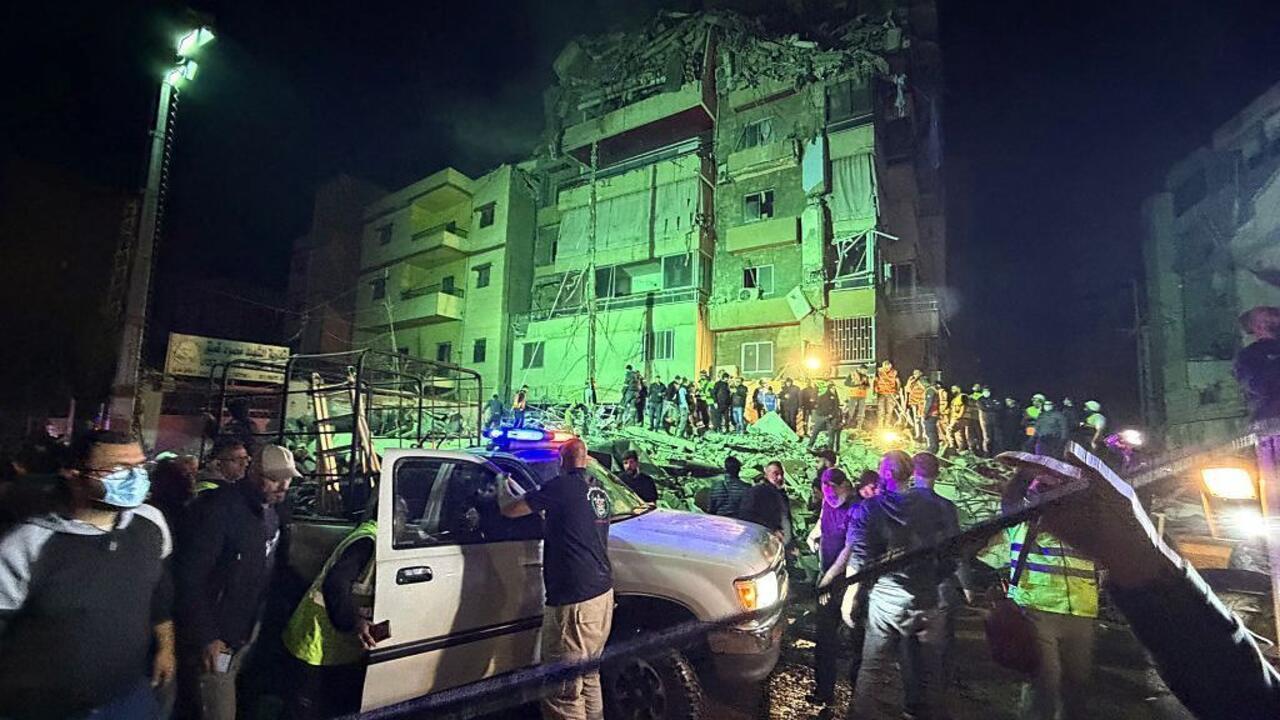
Lebanese Army Accuses Israel of Ceasefire Violations as Hezbollah Bombs Israeli Soldiers Near Khiam
11 sources compared
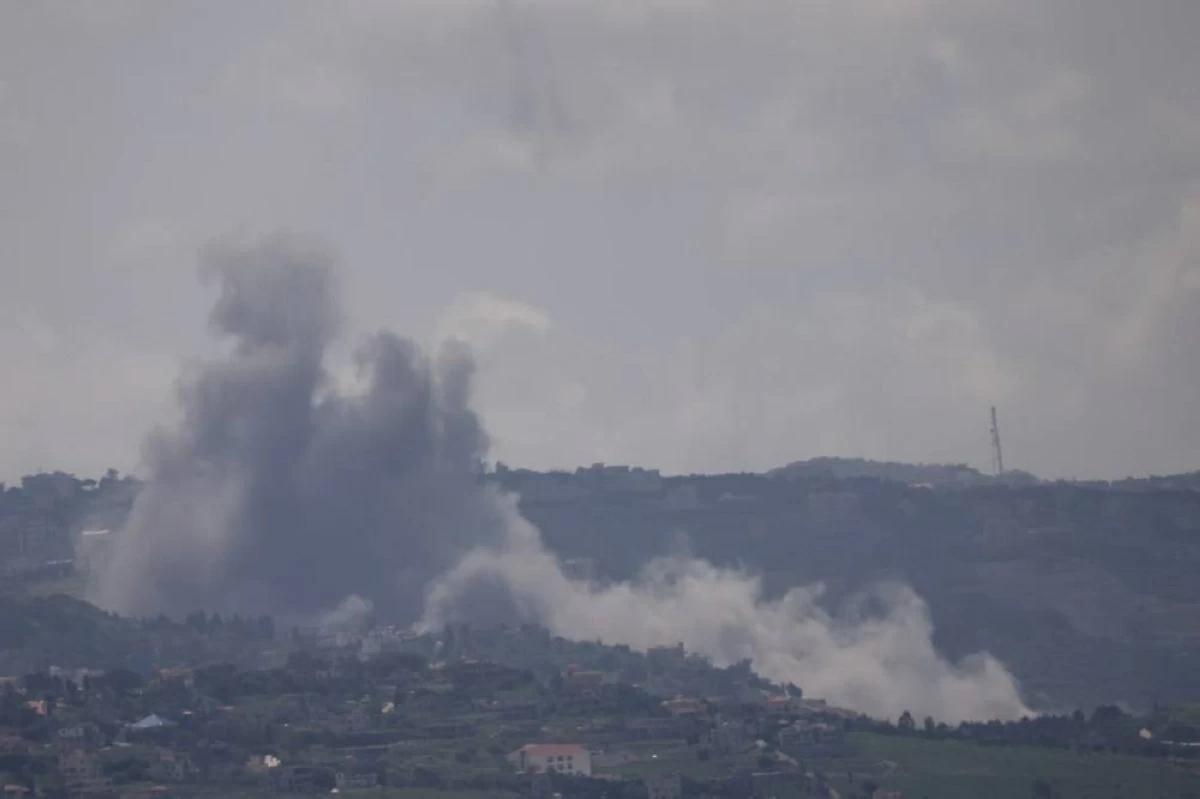
Israeli Strikes Kill Two Paramedics and Civil Defense Workers in Southern Lebanon
10 sources compared

Israel Expands Forced Displacement Orders to Lebanese Towns, Strikes Zellaya and Saksakiyeh
10 sources compared
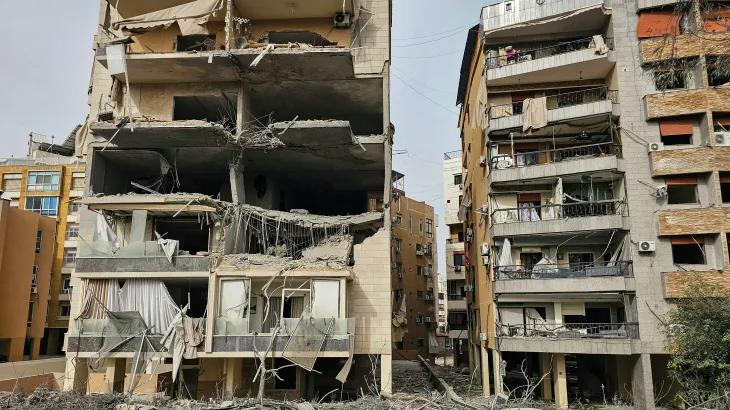
Israel Kills Hezbollah Radwan Commander in Beirut Strike, Testing U.S.-Brokered Ceasefire
18 sources compared