
Israeli Airstrikes Hit Cars and Towns in Southern Lebanon After Evacuation Orders
Key Takeaways
- Israeli airstrikes targeted cars in southern Lebanon after evacuation orders.
- Death toll in southern Lebanon varies across outlets, from five to fifteen.
- Nine villages were evacuated as strikes intensified in southern Lebanon.
Air strike and evacuations
Israeli airstrikes hit cars and towns across southern Lebanon after the Israeli military issued forced evacuation orders for nine villages, with the Guardian reporting that the strikes killed six people on Friday.
The Guardian said thousands fled after Israel ordered residents to leave Anqoun, a village hosting at least 2,500 displaced people, and it described drone strikes hitting cars in the Nabatieh area while airstrikes and artillery pounded Kfar Tebnit.
In Nabatieh, Al Jazeera showed the moment journalist Abbas Fakih was reporting when an Israeli air strike hit a car behind him.
The Guardian also reported that Israel’s prime minister, Benjamin Netanyahu, ordered Israeli troops to deepen their invasion of south Lebanon after capturing the medieval Beaufort crusader castle on Sunday, and it said Hezbollah attacked Israeli troops near the castle with rocket barrages.
The Guardian further stated that the fighting came a day after a US-brokered ceasefire agreed on by the Israeli government and Lebanon was rejected by Hezbollah, which called the deal “surrender”.
Ceasefire rejection and warnings
Lebanese Prime Minister Nawaf Salam said on Friday, “Lebanon can no longer be a field for wars fought for others, nor can the south [of Lebanon] and its peoeple continue to pay the price for decisions they did not make.”
The Guardian reported that Hezbollah was not a party to the negotiations between Israel and the government of Lebanon and that it passed its positions and messages primarily through Lebanon’s parliament speaker, Nabih Berri.

In Washington, the Guardian said Netanyahu told ministers during a cabinet meeting on Thursday night that he would not seek government approval for the latest US-brokered ceasefire proposal with Lebanon unless Hezbollah first agreed to its terms, after Hezbollah rejected it on Thursday.
The Guardian also quoted Netanyahu as saying, “At the moment, there is no deal,” and it added that “Hezbollah is opposed, and therefore I am not making a decision.”
France 24 reported that Iranian Foreign Minister Abbas Araghchi told the Lebanese channel Al-Mayadeen, “This war will not stop until it stops in Lebanon as well.”
What comes next for Lebanon
The Guardian said Israel now occupies more than 608 sq km of Lebanese territory and described dual-track negotiations in Washington to reach a ceasefire while noting that the ability of those talks to succeed without buy-in from Hezbollah was in serious doubt.
It also reported that Berri said Hezbollah would withdraw from the area south of the Litani River—18 miles from the Lebanon-Israel border—only if Israeli troops withdrew from Lebanon and that a ceasefire was unconditional.
France 24 said Tehran remains committed to supporting Hezbollah and conditions a ceasefire in Lebanon as a prerequisite for any peace agreement with Washington aimed at ending the four-month war and restoring normal navigation through the Strait of Hormuz.
The same France 24 report said Iran demands that any peace deal include a ceasefire between Israel and Hezbollah as a gateway to an agreement with Washington to end the fighting in the region and restore traffic through the Strait of Hormuz.
In a separate account, Le Monde.fr described southern Lebanon as “a territory under Israeli influence” and said that despite a ceasefire agreement that came into force on November 27, 2024, Israel continues its strikes in southern Lebanon.
More on Lebanon
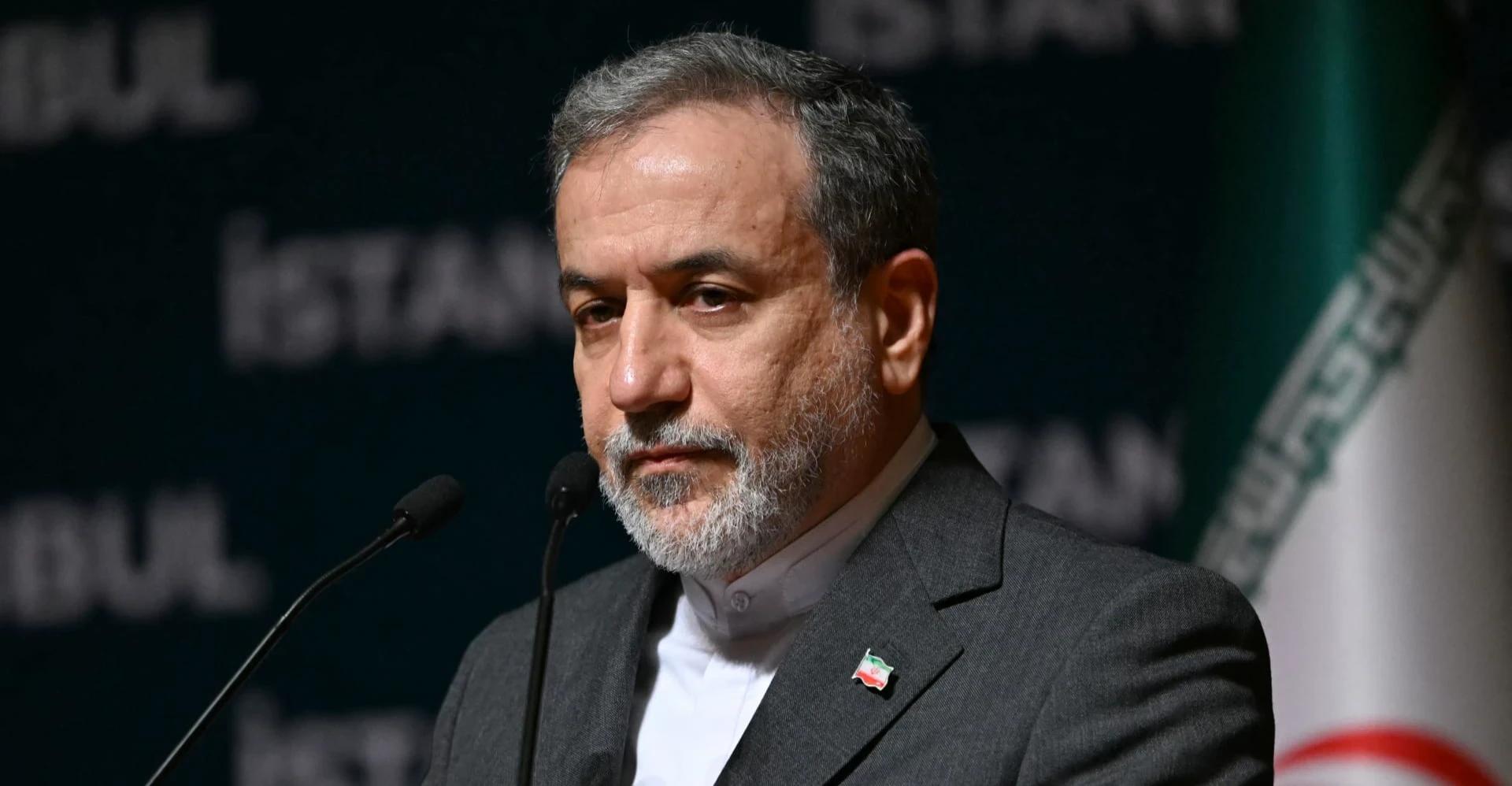
Iran's Araghchi Rebukes Lebanon President Joseph Aoun, Urges Him to Confront Israel
25 sources compared

Israeli Strikes Kill Nine in Southern Lebanon After Evacuation Warnings for Nine Villages
16 sources compared
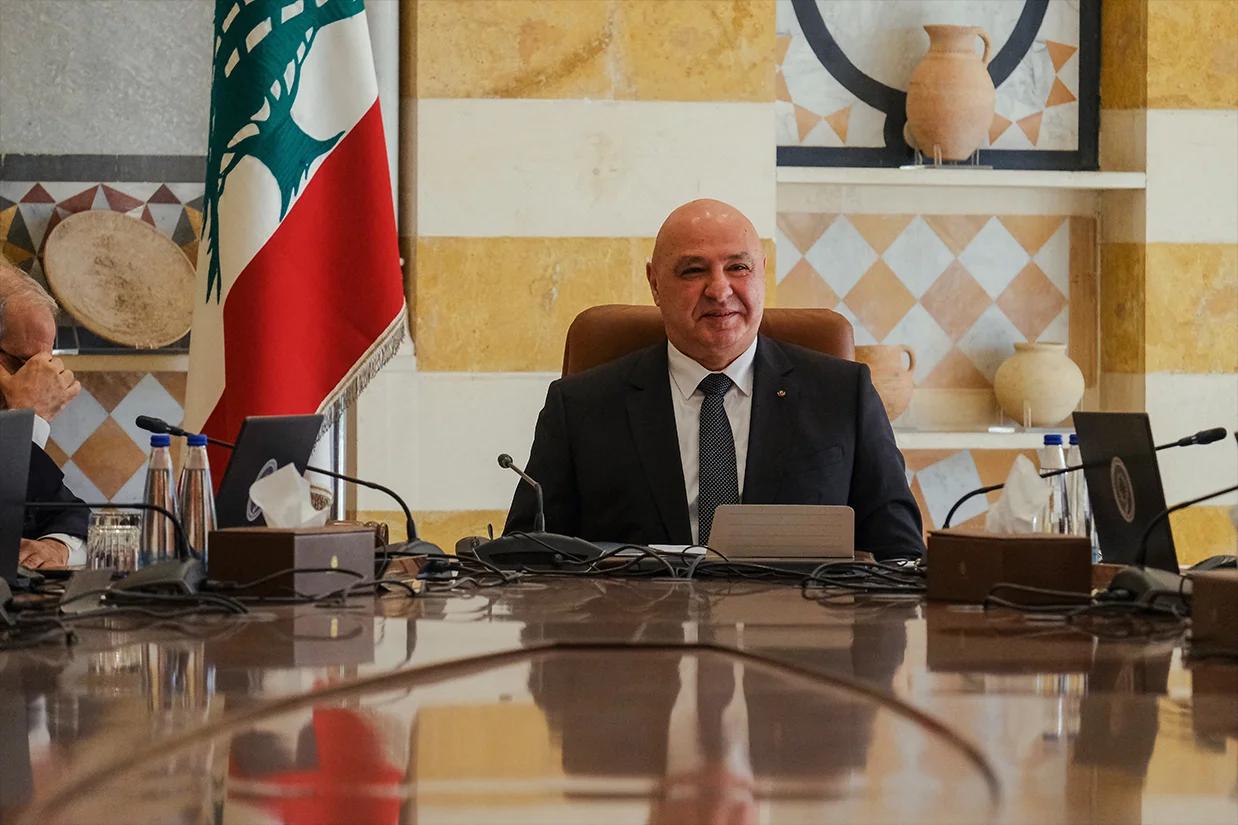
Joseph Aoun Accuses Iran of Using Lebanon as Bargaining Chip in U.S. Talks
22 sources compared
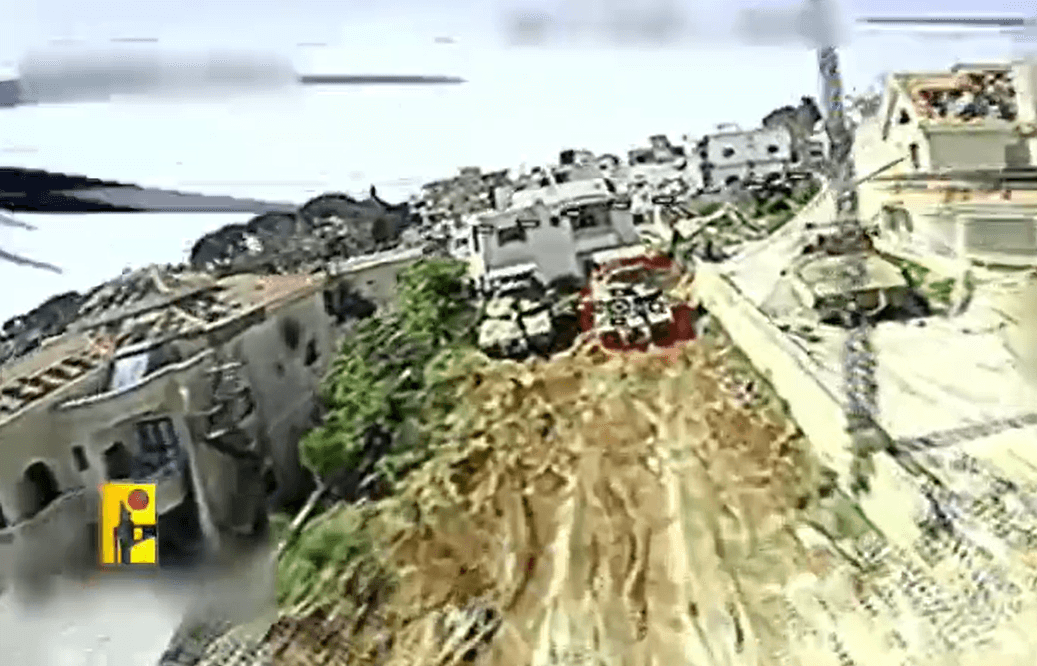
Hezbollah Drone Attack Kills Israeli Soldier Near Nimr Al-Jamal, Injures Six
11 sources compared