Israeli Airstrikes Widen In Lebanon, Killing 41 Civilians As Hezbollah Responds
Key Takeaways
- Israeli airstrikes widen beyond the Yellow Line into Beqaa Valley.
- Hezbollah signals revival of 1980s martyrdom-style operations.
- Ceasefire remains fragile amid Israeli escalation and Beqaa Valley attacks.
Ceasefire, then escalation
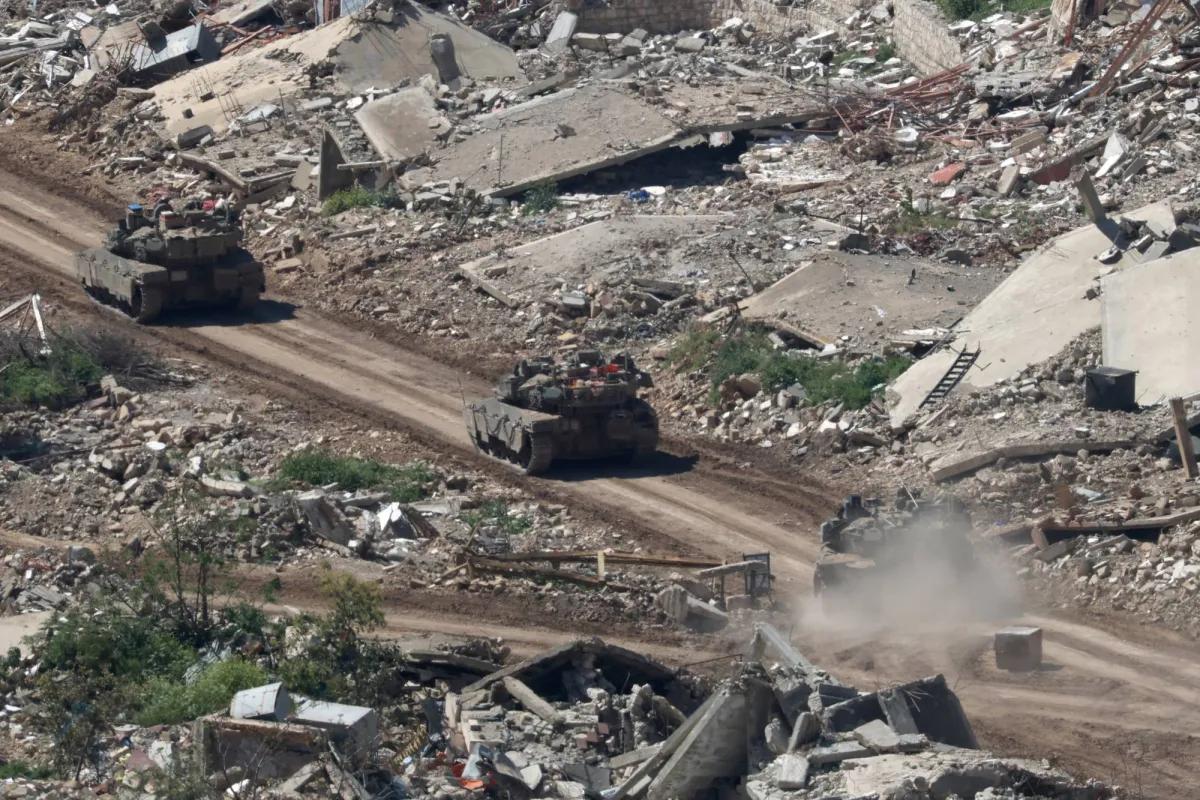
A fragile ceasefire in Lebanon, described as dependent on Pakistan negotiations, has faced Israeli escalation and Hezbollah’s continuation of responses, with Israeli airstrikes widening beyond the so-called 'Yellow Line' into the Beqaa Valley and Jezzine. The akhbaralyawm report says that when the ceasefire went into effect on April 17, the Israeli army resumed attacks by bombing Qunin, adjacent to Bint Jbeil, and by injuring members of rescue brigades during a humanitarian mission in the town. It adds that the operations cascaded from there, including a drone strike on a resident of Qunin and blasts in Bint Jbeil, Ayta al-Sha'ab, Hanin, Al-Bayda, Al-Tiri, Al-Khiyam, Al-Taybeh, Deir Siran, al-Qantara, and others. The same report says the Israeli attacks claimed 41 civilians and wounded more than 130 over 10 days, while Tel Aviv acknowledged the death of three soldiers, including an officer, and the injury of about 160 others over 10 days.
“Will the fragile ceasefire in Lebanon, hanging on Pakistan negotiations, fall”
Competing narratives and tactics
As the ceasefire period unfolded, akhbaralyawm says Hezbollah paused before replying, firing on the Israeli settlements of Metulla, Kiryat Shmona, and Misgav Am ten minutes before the ceasefire took effect. The same report describes a dispute between the presidency and Hezbollah over direct negotiations and the ceasefire agreement that the party says was crafted in Pakistan, while also stating that the Lebanese–Israeli agreement brokered by the United States has rendered it hollow of its content. In parallel, شبكة دال frames Hezbollah’s signaling as a move to activate martyrdom operations in the south, with retired Brigadier General Ya'rab Sakhr saying the current field reality makes it hard to discuss a return of suicide operations. Retired Brigadier General Fadi Daoud, also cited by شبكة دال, argues that the option remains part of the bank of capabilities available to the party and says the effectiveness of suicide operations depends heavily on the nature of the target and the level of security around it.
What comes next
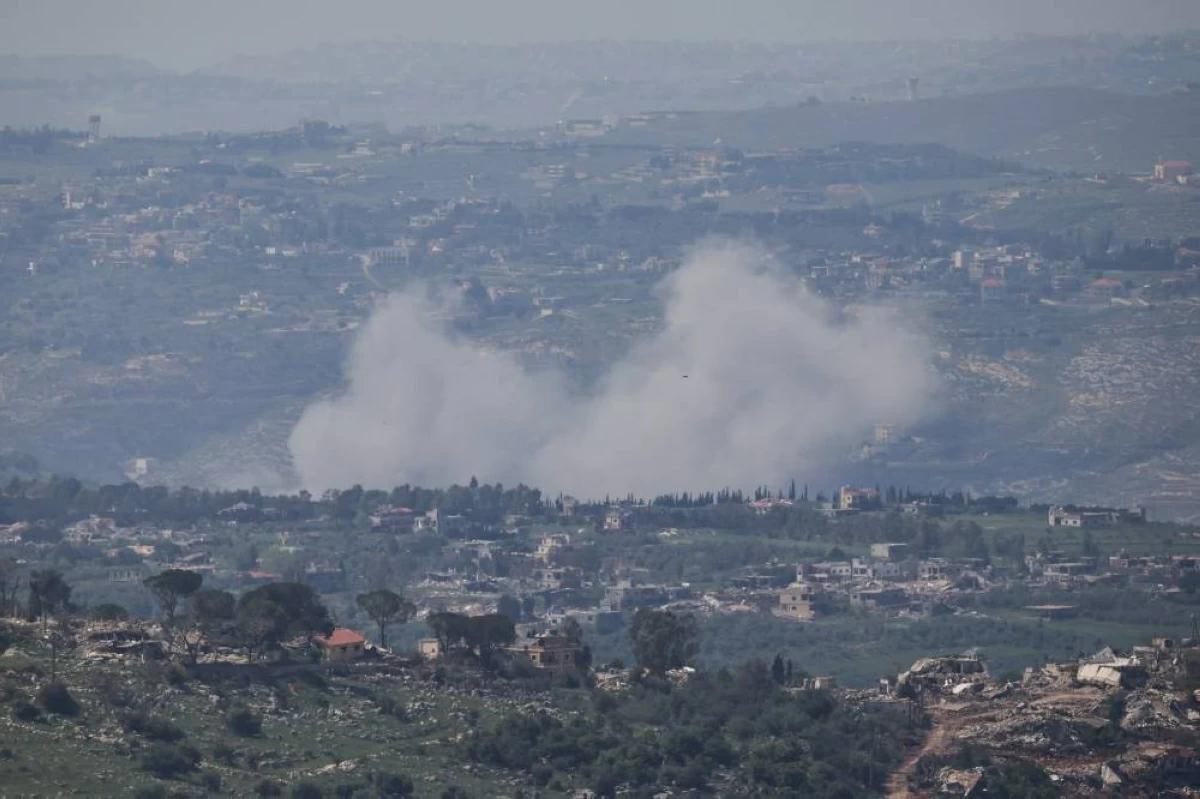
Beyond the immediate battlefield rhythm, جريدة البلاد says Israel’s escalation in Lebanon continues, surpassing what it calls the 'Yellow Zone' and expanding to towns north of the Litani River, including an attack on Janta in the Beqaa Valley. It also reports that Hezbollah’s retreat in the south is linked to the loss of its main supply line, stating that 'Hezbollah's stockpile has not been replenished' and that the Tehran-Damascus-Beirut corridor was closed today. The report adds that a military analyst, Brig. Gen. (ret.) Fadi Daoud, said Hezbollah’s medium- and long-range missiles have effectively fallen out of service and that modern Israeli surveillance capabilities include drones and satellites and AI technologies. In that context, Hezbollah’s next phase is described as a shift toward “retaliation for retaliation” and, at the same time, a strategy of 'suicide operations,' with the report warning that the villages of Nabatieh District are witnessing large-scale displacement because Israeli airstrikes target them intensively.
More on Lebanon

Israel Bombs Beirut’s Southern Suburbs, Assassinating Hezbollah Radwan Force Commander Malek Balou
27 sources compared
Israeli Occupation Forces Issue Demolition Notices for 50 Shops in Al-Eizariya Under E1 Plan
10 sources compared
Israel Kills At Least Six People in Strikes Across Southern and Eastern Lebanon
11 sources compared

Israel Strikes Hezbollah Infrastructure in Southern Beirut as Germany Backs Lebanon Operation
17 sources compared