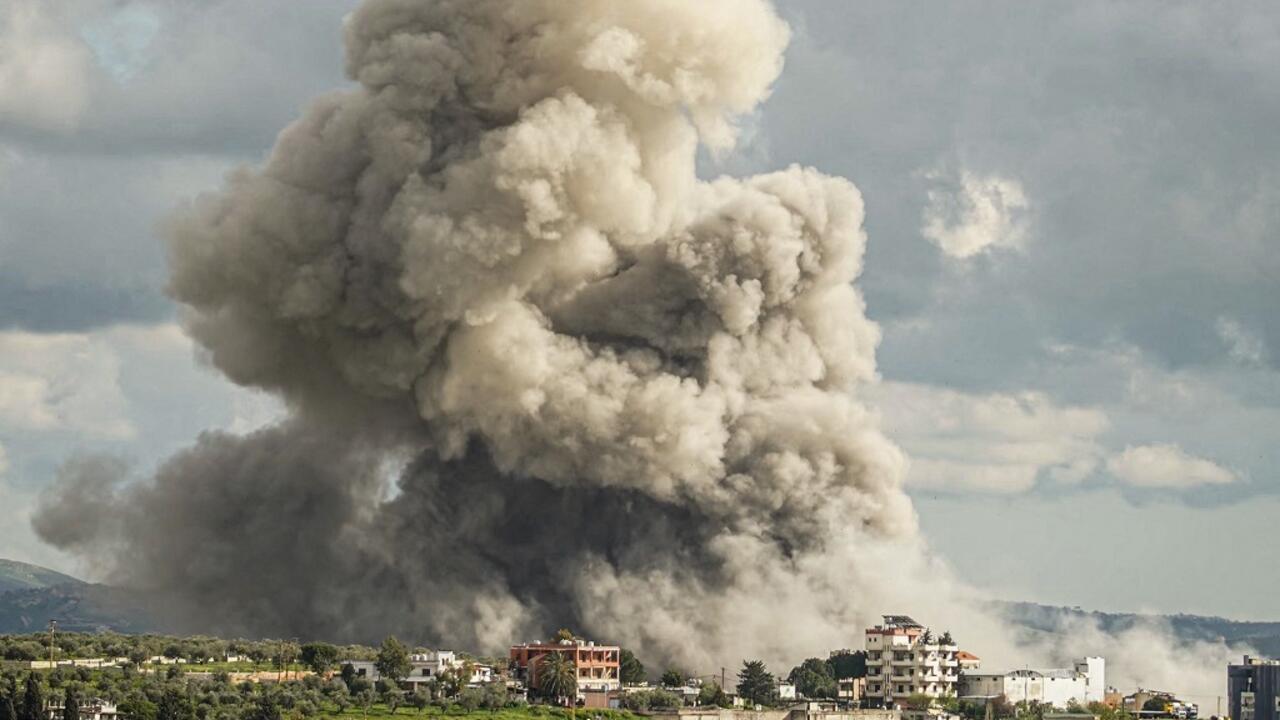
Israeli Army Encircles Bint Jbeil in Southern Lebanon, Says It Eliminated Hezbollah Operatives
Key Takeaways
- Ground operations persist in southern Lebanon amid a fragile Israel-Hezbollah ceasefire.
- Analysts describe Israel's strategy as disassembling environments and creating a buffer zone.
- Ceasefire tensions coincide with civilian displacement in Lebanon.
Bint Jbeil encircled
The Israeli army surrounded Bint Jbeil in southern Lebanon as ground fighting intensified in the city described by local media as the 'Mother of Battles' of the moment.
“The commander of the Golani Brigade's reconnaissance unit described the on-the-ground scene on the northern front as 'The conditions are favorable,' at a time when the ceasefire between Israel and Hezbollah is facing its fiercest and most dangerous test since its birth”
In a statement, the Israeli army said that 'Division 98 completed the encirclement of the town of Bint Jbeil and began an assault on it,' and it added that it had 'eliminated more than 100 Hezbollah terrorist operatives in face-to-face clashes and from the air,' according to its description.

An Israeli military official told Reuters that 'full operational control over the town of Bint Jbeil will be achieved within days,' adding that 'only a few terrorists remain in the Bint Jbeil area.'
The operations around Bint Jbeil were described as coinciding with intensive diplomatic efforts to halt the fighting in Lebanon on the eve of direct Lebanese-Israeli negotiations in Washington on Tuesday, while Channel 12 reported Netanyahu’s tour of sites in southern Lebanon and his call for a 'radical change in the region.'
Displacement and return
Lebanon’s Culture Minister Ghassan Salamé warned on Franceinfo that Israel’s new strategy is to prevent civilians from returning home, as Israel announced 'ground operations' against Hezbollah and new bombardments hit Beirut.
Salamé said that with more than a million displaced people in Lebanon and Israel and Israel’s Monday announcement of 'limited ground operations' in the south against Hezbollah, the crisis is worsening, adding, 'We risk seeing new villages destroyed and therefore new waves of displacement.'
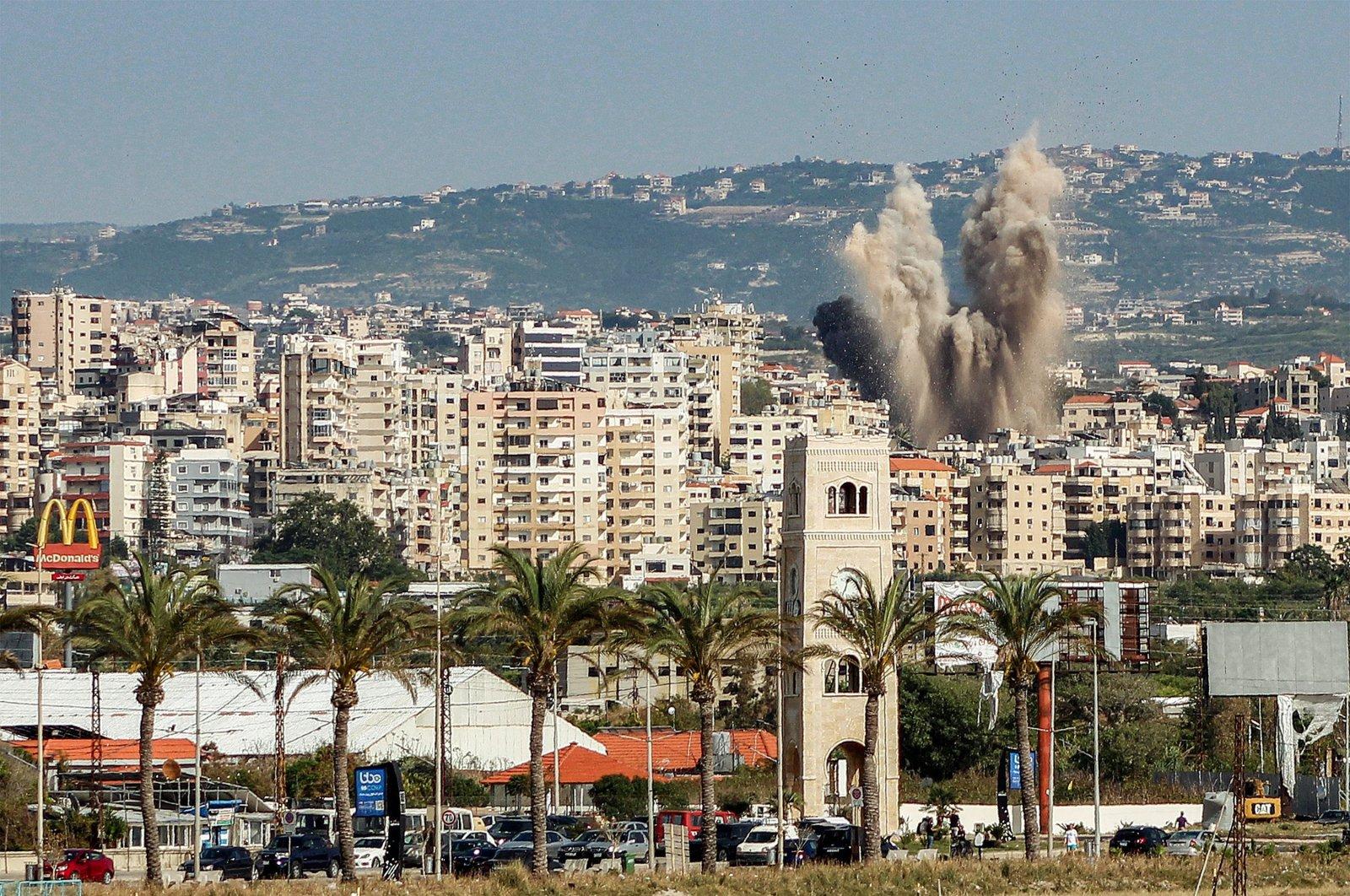
He said the villages from which displaced people come are being 'completely razed by the Israeli army,' noting 'there are already 35 that have been completely destroyed,' and he argued that this means displaced people can no longer hope to return quickly to rebuild them.
Salamé also said that while Lebanese officials are discussing ideas proposed by France to negotiate with Israel, 'The disarmament of Hezbollah will not happen in a single stroke,' and he warned that he fears most that pressure continues to rise.
Bufferization and the stakes
A Daily Sabah analysis framed Israel’s approach in Lebanon as moving from deterrence to 'bufferization,' arguing that Israel’s 'buffer-zone' strategy risks deepening instability across Lebanon and Syria while cease-fires were reached but not fully observed.
“An article in Emar News stated that military experts view the escalation of Israeli operations in southern Lebanon as reflecting a radical shift in ground strategy, with the Israeli army moving from a conventional military confrontation aimed at dismantling Hezbollah to a strategy of 'disassembling the environment' that harbors it”
It said that after the cease-fire reached on Nov. 27, 2024, Israel’s continued use of selective targeted strikes aimed to prevent Hezbollah from recovering from losses in manpower and military assets, and it argued that keeping Hezbollah unable to reconstitute itself would offer Israel a much easier and less costly way to contain the threat emanating from Lebanon.
The same analysis described Israel’s demands as referencing U.N. Security Council Resolution 1701 and said Israel appears to be pushing the line further north toward the Zahrani River, while taking steps that point to broader depopulation of the area.
In a separate account, Orient XXI described a politics of ruin in southern Lebanon as a strategy of forced displacement and territorial emptying, writing that 'ruin corresponds to another configuration' and that it is 'an instrument facilitating Israeli occupation, forcing the displacement of Lebanese populations and making any return impossible.'
More on Lebanon

Lebanon Accuses Iran of Vienna Convention Violations, Cites Revolutionary Guard Actions
12 sources compared
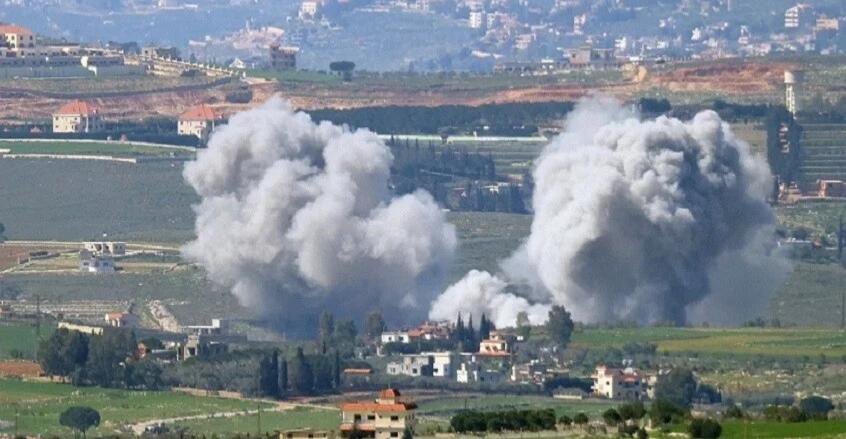
Israeli Drone Strikes Kill 22 People, Including Eight Children, In Southern Lebanon
17 sources compared
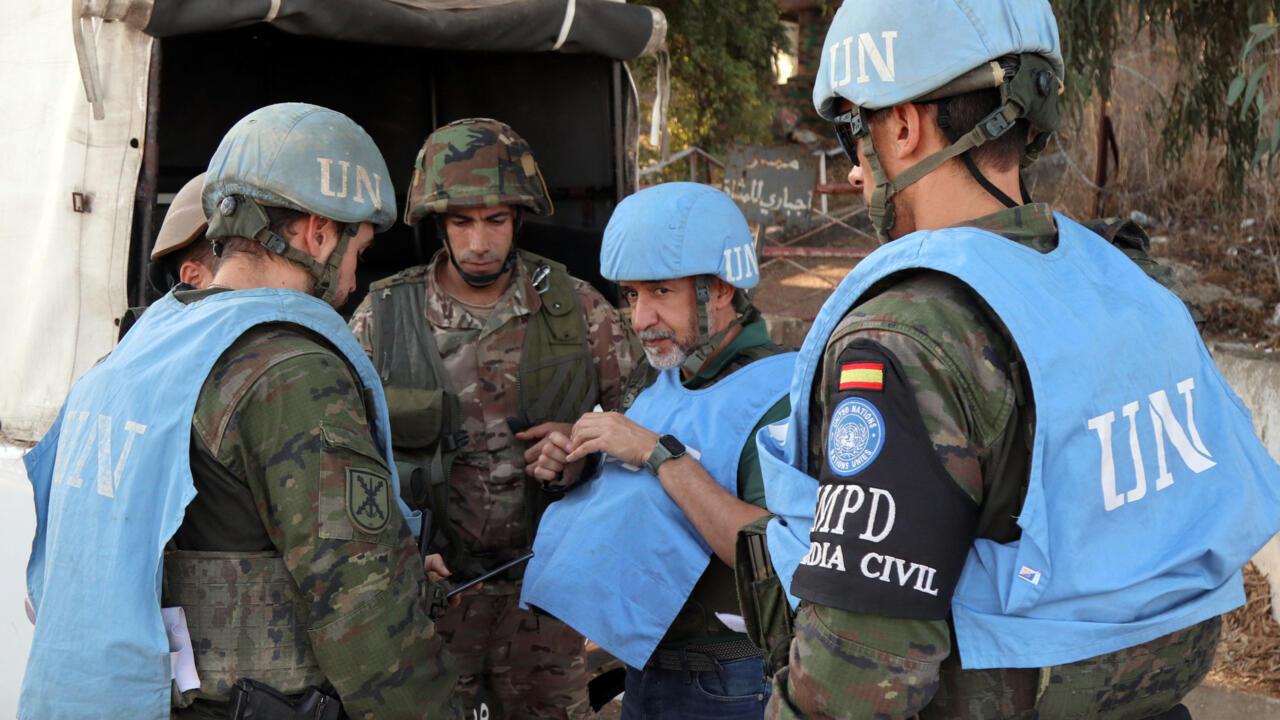
Israeli Drone Attacks Kill At Least 15 Across Lebanon, Including Eight On Highway
22 sources compared

Israeli Air Strike Kills Nine in Saksakiyeh, Lebanon, While Targeting Hezbollah Members
11 sources compared