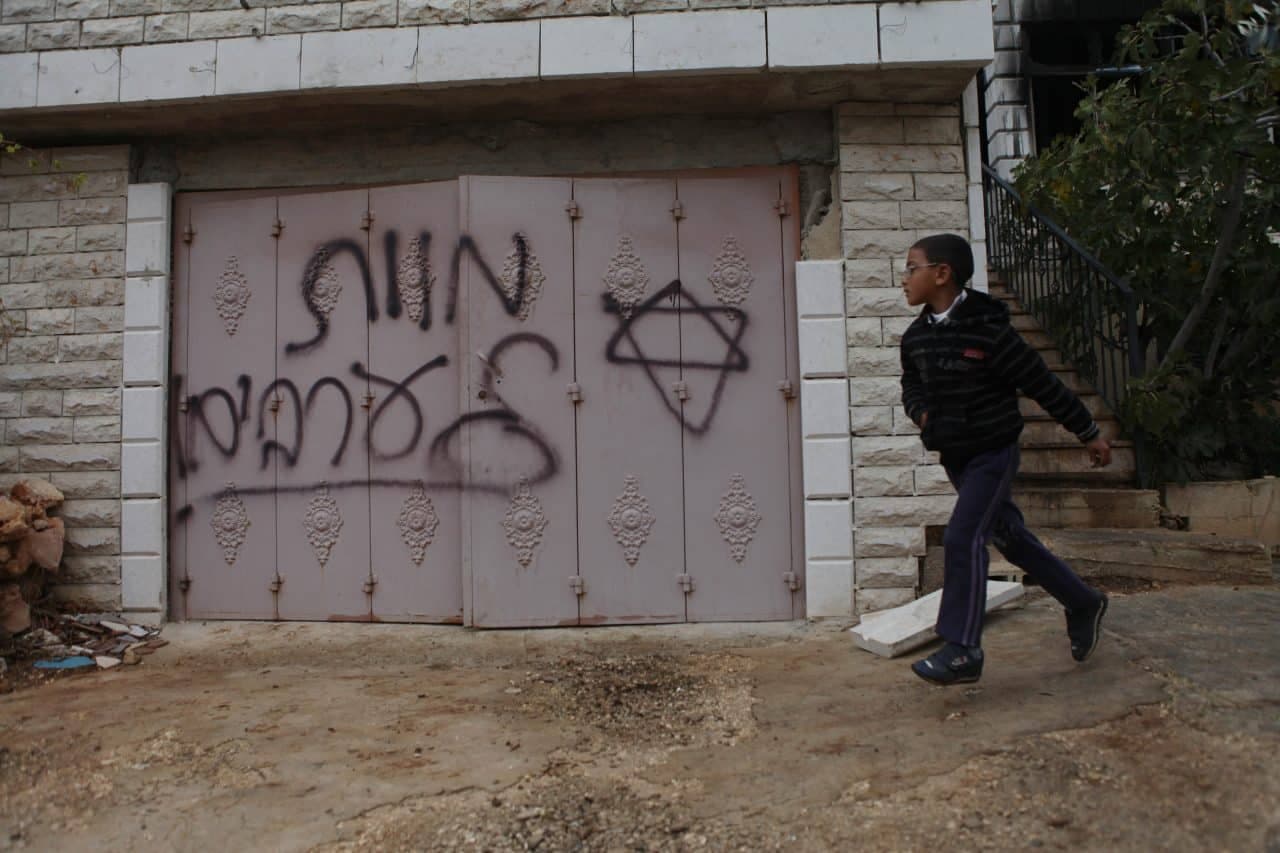
Israeli Settlers Attack in the Occupied West Bank, Injuring Five Palestinians.
Key Takeaways
- Israeli settlers attacked Palestinians in the West Bank, injuring several.
- Violence includes fatalities and injuries in recent settler attacks, according to reports.
- Witness accounts describe shootings and fatalities in village settings.
Deadly Settler Attacks
Israeli settlers have launched a deadly wave of attacks in the occupied West Bank, killing at least five Palestinians in less than a week in early March 2026.
“Print Edition Read pdf version Home {{tree}} {{link”
The violence represents a significant escalation in settler aggression against Palestinian civilians, with attacks occurring in multiple locations across the West Bank.
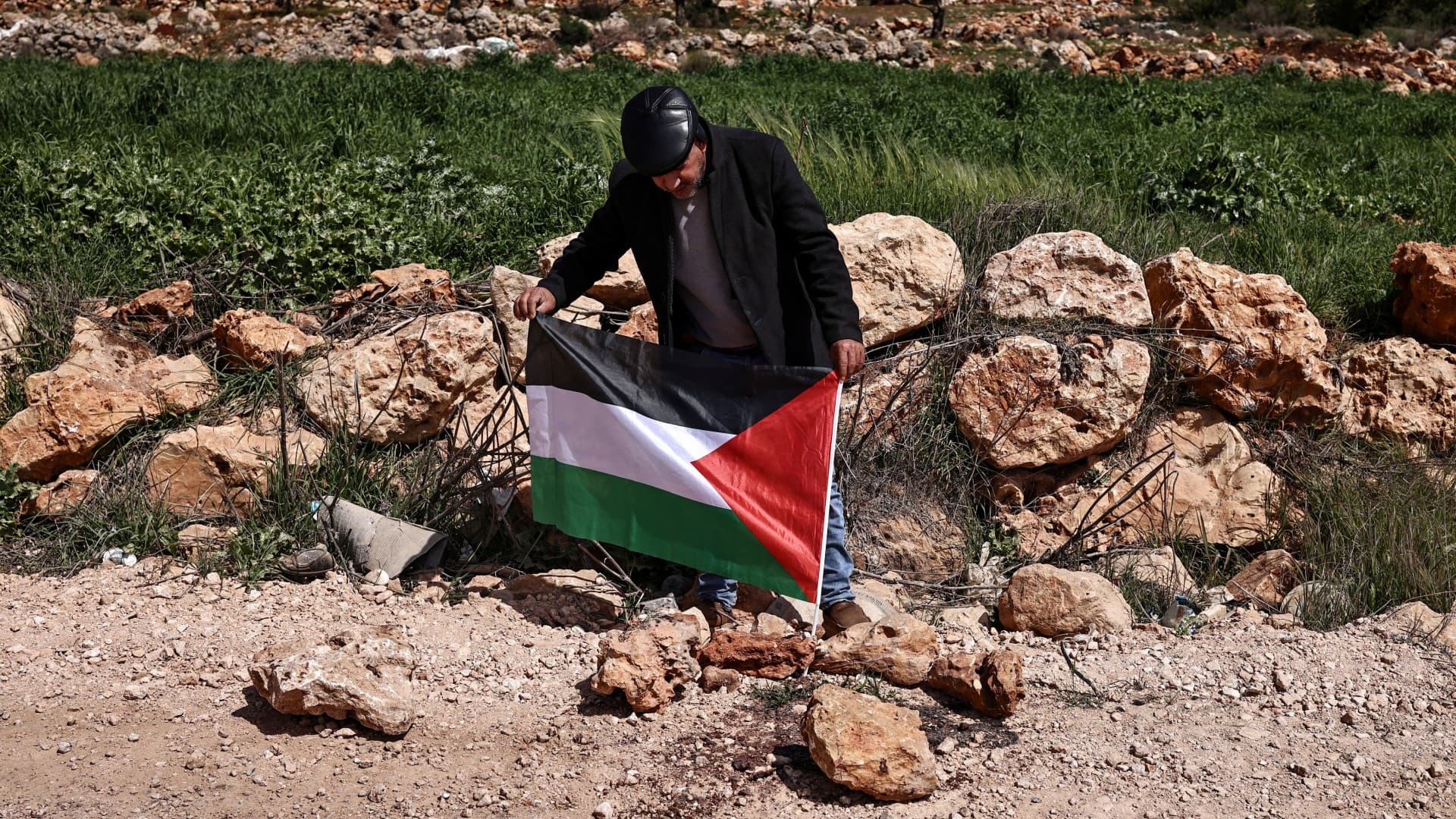
Palestinian authorities and the United Nations have documented that at least five Palestinians have been killed since the start of March, while broader violence has risen sharply since the October 7, 2023 Hamas attack on Israel triggered the Gaza war.
Israeli troops or settlers have killed at least 1,045 Palestinians, many of them militants but also scores of civilians, in the West Bank since the start of the Gaza war, according to an AFP tally based on Palestinian health ministry figures.
The attacks have continued despite a ceasefire since October 10, 2023, indicating a persistent pattern of violence targeting Palestinian communities.
Abu Falah Massacre
The most deadly attack occurred in the Palestinian village of Abu Falah, northeast of Ramallah, where Israeli settlers killed three Palestinian men on the night of March 7.
The victims were identified as Muhammad Murra, 57, Fari' Hamayel, 55, and Thaer Hamayel, 30.
Settlers launched a coordinated assault on the village, with dozens of raiders throwing stones and later using firearms to shoot into crowds of residents.
Muhammad Abu Karsh, a Civil Defense volunteer in Abu Falah, described how settlers arrived in a white pick-up truck and opened fire into the crowd, with settlers pursuing Palestinian residents as they fled and shooting 'in between the houses.'
The same week, two Palestinian brothers, Muhammad and Fahim Muammar, were killed in the village of Qaryut, east of Nablus, while another Palestinian, Ameer Shanaran, was killed by an Israeli settler in Masafer Yatta of the South Hebron Hills.
These attacks represent a coordinated campaign of violence against Palestinian communities.
Escalation Patterns
Settler violence has shown a clear pattern of escalation in recent months, with attacks becoming more frequent and deadly.
“He didn’t say anything”
According to rights defense group al-Baidar, 486 settler attacks were recorded in January 2026, while the Palestinian Wall and Settlements Resistance Commission reported 511 attacks in February.
The recent attacks in Abu Falah are particularly significant because they occurred deeper inland in Ramallah's central hill country, rather than concentrating around the eastern edges overlooking the Jordan Valley as previous attacks had.
Muwafaq Omari, a resident of Abu Falah, explained that while settlers had established an outpost near the village after October 7 and launched occasional raids targeting farmland, 'we never imagined that settlers would attack in the dozens and shoot firearms, as they did last week.'
This escalation has been facilitated by Israeli governmental policies, including National Security Minister Itamar Ben-Gvir's decision in January 2025 to allow 18 additional Israeli settlements in the West Bank to issue firearm permits to settlers.
Community Trauma
The attacks have created widespread fear and trauma among Palestinian communities, with residents expressing a sense of vulnerability and helplessness in the face of ongoing violence.
'Life seems paralyzed. There's a feeling of vulnerability and humiliation that you can be killed in our own town without consequences, without justice being served,' one resident described the atmosphere.
The absence of justice is compounded by Israeli governmental policies that protect settlers, including the November 2024 cancellation of administrative detention procedures for Israeli settlers accused of violent attacks against Palestinians.
In Abu Falah, the community gathered for a funeral wake on the third day after the attack, with mourners paying respects to the families of the three slain men.
Saif Hamayel, 26, whose brother Thaer was killed, described the profound trauma affecting his family, including his grandfather who 'hasn't yet comprehended the loss of Thaer.'
The psychological impact of such violence extends beyond individual families to entire communities living under constant threat.
International Response
The escalation in settler violence has drawn international condemnation, with diplomatic statements from both the European Union and United Kingdom calling for an end to attacks against Palestinians.
“On Thursday, Middle East Eye reported that at least six Palestinians had been killed in settler attacks in the past week”
'We are appalled by the killing of five Palestinians in incidents of settler violence over the past week,' the British Consulate General in Jerusalem stated, adding that Israeli security forces have described such violence as 'unacceptable' and calling for 'swift, thorough investigations and accountability for those responsible.'
The EU issued similar comments, urging Israeli authorities to take 'immediate and effective action' and reminding Israel of its obligations under international law to protect the Palestinian population in the occupied territory.
Beyond diplomatic statements, civil society organizations have taken action, with 21 British and international groups calling on the UK government to 'ban imports of any item which is wholly or partially produced in Israel's illegal settlements.'
These organizations note that the UK remains a primary destination for settlement products, which they argue is 'crucial for the economic viability of the settlements' and 'drives further settlement expansion.'
More on Gaza Genocide

Israeli Forces Kill Palestinian Man Rawhi Hammad and Teen Ibrahim Al-Khayyat in West Bank
14 sources compared
Hezbollah Kills Sergeant Idan Fooks in Taybeh Drone Attack, IDF Failed for 18 Months
16 sources compared
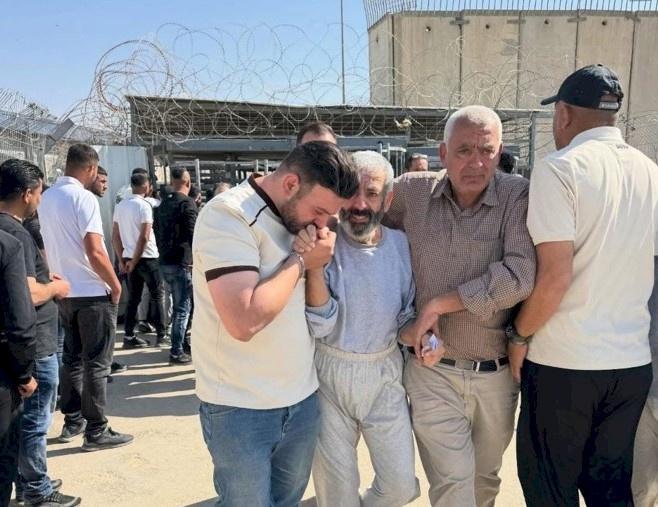
Israeli Authorities Release Palestinian Journalist Ali Al-Samoudi After Year in Detention
15 sources compared

Israeli Forces Kill 16-Year-Old Palestinian Ibrahim Al-Khayyat in Hebron Raid
13 sources compared