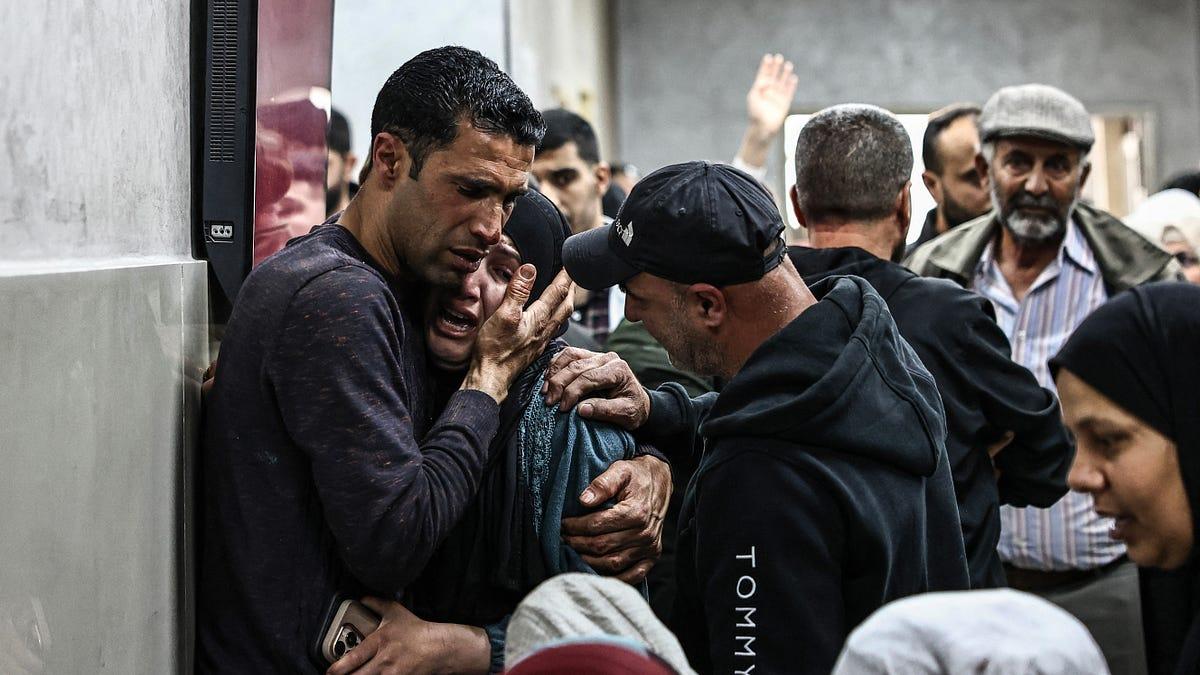
Israeli Settlers Block Palestinian Children From School in Umm Al-Khair, Hebron Governorate
Key Takeaways
- Settlers erected a barbed-wire fence blocking the route to Umm al-Khair school in Hebron.
- About 55 Palestinian children have been unable to attend school for 10 days.
- Students, teachers and families held daily peaceful sit-ins at the fenced site.
School Closures and Firearms
In the occupied West Bank, Israeli settlers and Israeli soldiers have repeatedly disrupted Palestinian schooling, with one incident involving a barbed-wire fence that blocked children’s route to class in Umm al-Khair and another involving gunfire near a school in al-Mughayyir.
“At least 55 Palestinian children have been prevented from attending school for the past 10 school days after Israeli settlers erected a barbed-wire fence blocking the route to their classrooms in the occupied West Bank, according to Save the Children”
Al Jazeera reported that at least 55 Palestinian children were prevented from attending school for the past 10 school days after Israeli settlers erected a barbed-wire fence blocking the route to their classrooms in Umm al-Khair, in the Hebron governorate.

The BBC reported that two Palestinians, including a teenage boy, were killed in an attack involving Jewish settlers and Israeli soldiers in al-Mughayyir, where the Palestinian health ministry blamed “settler gunfire.”
CNN described the al-Mughayyir attack as a fatal shooting at a school in the occupied West Bank, naming the two Palestinians killed as Aws Al-Naasan, 14, and Jihad Abu Naim, 32.
In the Umm al-Khair case, Al Jazeera said students, teachers and families staged daily peaceful sit-ins at the site of the fence, turning the area beside it into an informal outdoor classroom as they protested the closure.
Al Jazeera also said some children were reportedly exposed to tear gas during the demonstrations, according to the West Bank Education Cluster.
In al-Mughayyir, witnesses described settlers entering the village and opening fire near a school, and the BBC said the Palestinian foreign ministry condemned what it called the “terrorist attack and massacre carried out by settler gangs, in full co-ordination with the Israeli occupation army.”
How the Incidents Escalated
The schooling disruptions in the West Bank unfolded against a broader pattern of closures and violence tied to the “US-Israel war on Iran” and to intensified settlement activity, according to the sources.
Al Jazeera said pupils had been due to return to class for the first time in more than 40 days after schools across the West Bank were shut after the United States and Israel launched their war on Iran on February 28, but the road remained blocked by the fence in Umm al-Khair.
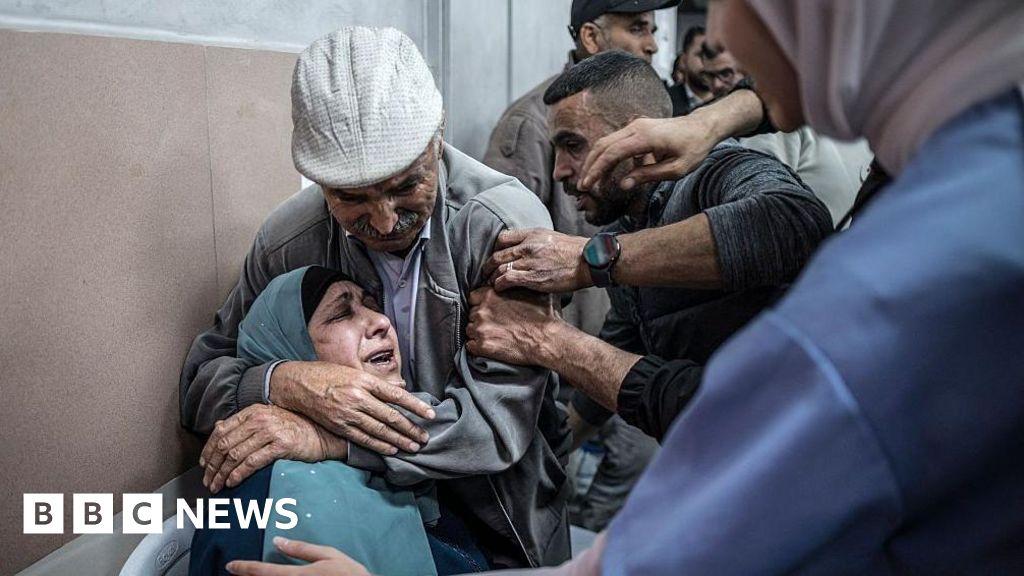
It added that with the road still blocked, children in the village had been unable to attend school for nearly two months.
The BBC and CNN both tied the al-Mughayyir shooting to a reported security trigger involving stones thrown at an Israeli vehicle, with the Israeli military saying troops were sent after reports of stones being thrown towards an Israeli car carrying civilians, including a reservist, who then “opened fire at suspects in the area.”
CNN said the Israeli military claimed the incident had started after rocks were thrown at a vehicle carrying several Israeli passengers, including a reserve soldier, whom the military said, “exited the vehicle and opened fire at suspects in the area.”
In the same incident, the BBC said the IDF dispatched soldiers after reports of stones thrown at an Israeli vehicle carrying civilians and a reservist, and then said the soldiers “acted to disperse the violent confrontation.”
The BBC also reported that a military source told the Guardian that a reservist had been suspended from reserve duty pending the conclusion of a criminal investigation by military police, with his weapon being confiscated.
Voices: Aid, Officials, and Witnesses
Across the two West Bank incidents, the sources include statements from aid organizations, Palestinian officials, and witnesses describing both the immediate violence and the wider impact on education.
“Two Palestinians, among them a 14-year-old boy, have been shot and killed at a school in the occupied West Bank amid an attack by Israeli settlers, the Palestinian Health Ministry and multiple eyewitnesses said”
Al Jazeera quoted Ahmad Alhendawi, Save the Children’s regional director for the Middle East, North Africa and Eastern Europe, saying the blockade represented “a worrying attack on children’s right to education” and adding, “No child should be denied the right to education, too scared to walk to school or be faced with violence while travelling to school.”
In the same report, Al Jazeera said the Israeli authorities and settlers were “ending any sense of safety that previously existed for the three million Palestinians currently living in the West Bank,” quoting Alhendawi.
For the al-Mughayyir shooting, the BBC reported that the mayor of al-Mughayyir, Amin Abu Alia, told the BBC that around 10 settlers approached the village along with soldiers and started shooting towards a school.
The BBC also included a statement from eyewitness Kathem al-Haj Ahmed, 57, who told Reuters: “The school was surprised by herds of settlers, who attacked the school along with the army.”
Kathem al-Haj Ahmed added, “So they [the school] started to call the people to come and escort their children home, and that is when the settlers shot from one side and the army from the other,” according to the BBC.
CNN quoted principal Bassam Abu-Assaf describing the aftermath as “It was a disaster. Everybody was screaming. It was unbelievable. I’m still processing it. I don’t know how long it will take for the teachers and students to overcome the shock,” and CNN also said he added that four others were injured, including students and parents.
Different Outlets, Different Emphases
The sources frame the West Bank incidents with different emphases, even when describing overlapping facts about casualties and the disruption of schooling.
Al Jazeera foregrounded the Umm al-Khair fence as an education-rights crisis, reporting that at least 55 Palestinian children were blocked from attending school for 10 school days and that the road remained blocked for nearly two months, while also describing tear gas exposure during sit-ins.

The BBC, by contrast, focused on the al-Mughayyir shooting and the immediate casualty figures, stating that the Palestinian health ministry said Aws al-Naasan, 14, and Jihad Abu Naim, 32, were killed and that the incident was under review.
CNN similarly centered the al-Mughayyir attack but added vivid detail from video, saying a man in military fatigues advanced slowly and fired at least eight rounds toward the school.
The Guardian, while also reporting the al-Mughayyir deaths, described the shooting as part of “mounting assaults on education in the territory” and included footage described as showing a settler in military fatigues carrying a rifle and firing “at least eight rounds.”
Common Dreams and Zeteo used different language and narrative framing, with Common Dreams calling it “Day of Ordinary Terror” and Zeteo describing the school day ending with “Israeli settlers’ Gunfire.”
Common Dreams also included a claim about firing from “approximately 50 meters away” and described Israeli forces arriving during the attack and “provided protection to the settlers rather than stopping them,” while Zeteo quoted principal Bassam Abu Assaf saying, “This was the first time there was direct gunfire,” and that “They intended to harm the students. The fire was direct and heavy.”
Consequences and What Comes Next
The sources portray immediate and longer-term consequences for Palestinian children’s education and for the broader environment of settler violence and movement restrictions in the West Bank.
“Two Palestinians, including a 14-year-old schoolboy, have been killed in the occupied West Bank after Israeli settlers opened fire near a school amid mounting assaults on education in the territory, witnesses and local officials have said”
Al Jazeera said the blockade in Umm al-Khair had turned the area beside the fence into an informal outdoor classroom as families protested the closure, and it quoted Save the Children’s Ahmad Alhendawi warning that “We’re at risk of seeing a lost generation emerge.”

The same Al Jazeera report said children in Gaza were now in their third year without regular schooling, and it linked that to the broader crisis described by the aid group.
The BBC and Guardian both described the al-Mughayyir shooting as part of a surge in settler violence, with the BBC saying the UN has called it a surge and that “some 1,750 Palestinians have also been displaced by settler violence and Israeli access restrictions so far this year.”
The Guardian reported that the expansion of West Bank settlements has surged under the Israeli government of Benjamin Netanyahu, with about 700,000 settlers now living there among about 2.7 million Palestinians.
The Guardian also said Israel has not prosecuted any Israeli citizen for killing Palestinian civilians in the occupied West Bank since the start of this decade, based on a Guardian analysis of legal data and public records.
CNN similarly reported that activists said settlers bulldozed a school in Hammamat al-Maleh and that razor wire blocks the way to school near Umm al-Khair, quoting Khaleel Alhathaleen that “This road is the main artery upon which the village’s students depend.”
More on Gaza Genocide
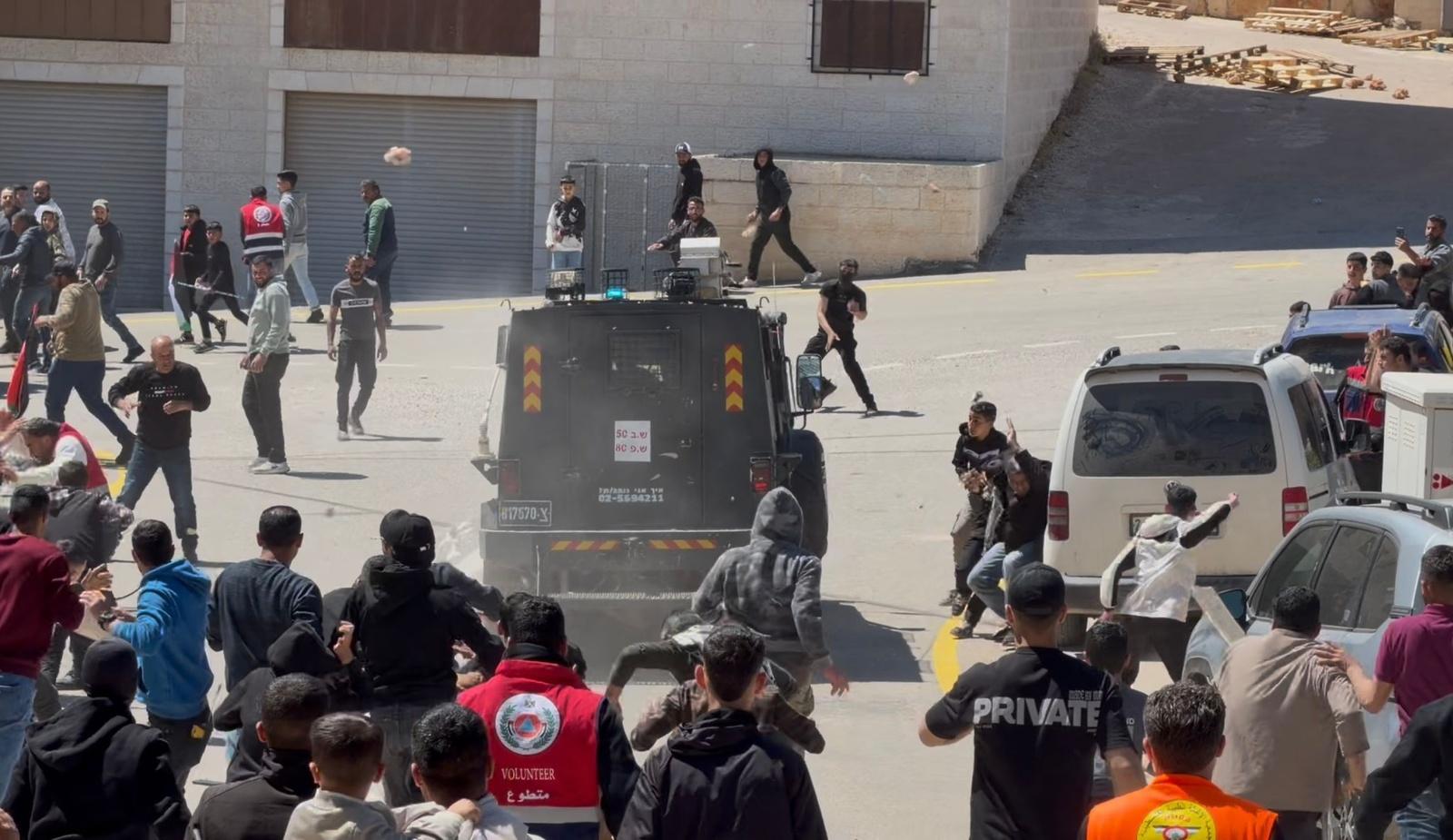
Israeli Forces Fire Tear Gas at Funeral in Al-Mughayyir, East of Ramallah
10 sources compared
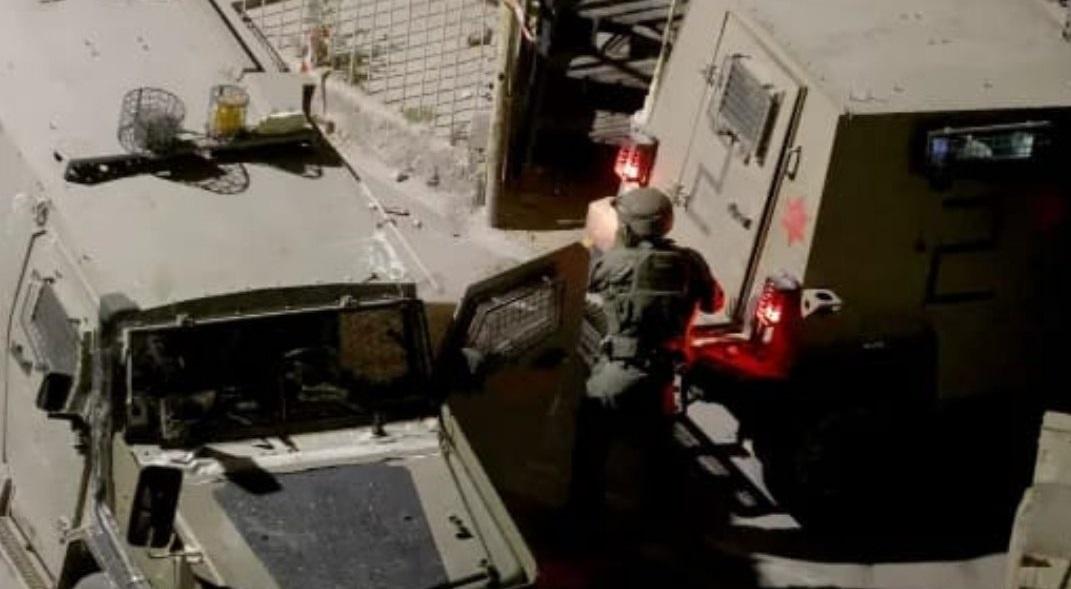
Israeli Forces Kill 15-Year-Old Palestinian Teenager in Nablus West Bank Raid
13 sources compared
Israeli Drone Strike Kills Five Palestinians, Including Three Children, Near Beit Lahia Mosque
11 sources compared
Israeli Prosecutors Charge Sagi Haik and Asaf Shitrit With Espionage for Iran
14 sources compared