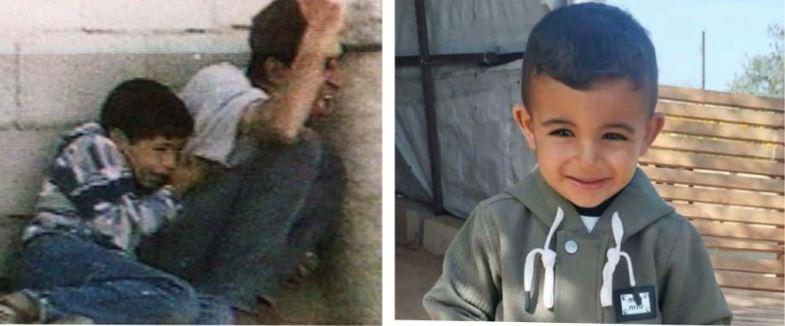
Israeli Soldiers Shot And Killed Three-Year-Old Rayyan Abu Al-Ajeen In His Father’s Arms In Deir Al-Balah
Key Takeaways
- Three-year-old Rayyan Abu al-Ajeen was killed in his father's arms in Deir al-Balah, Gaza.
- The killing drew comparisons to Mohammed al-Dura’s death.
- Occurred amid ongoing Gaza violence and ceasefire claims, with continued child fatalities.
Child killed in arms
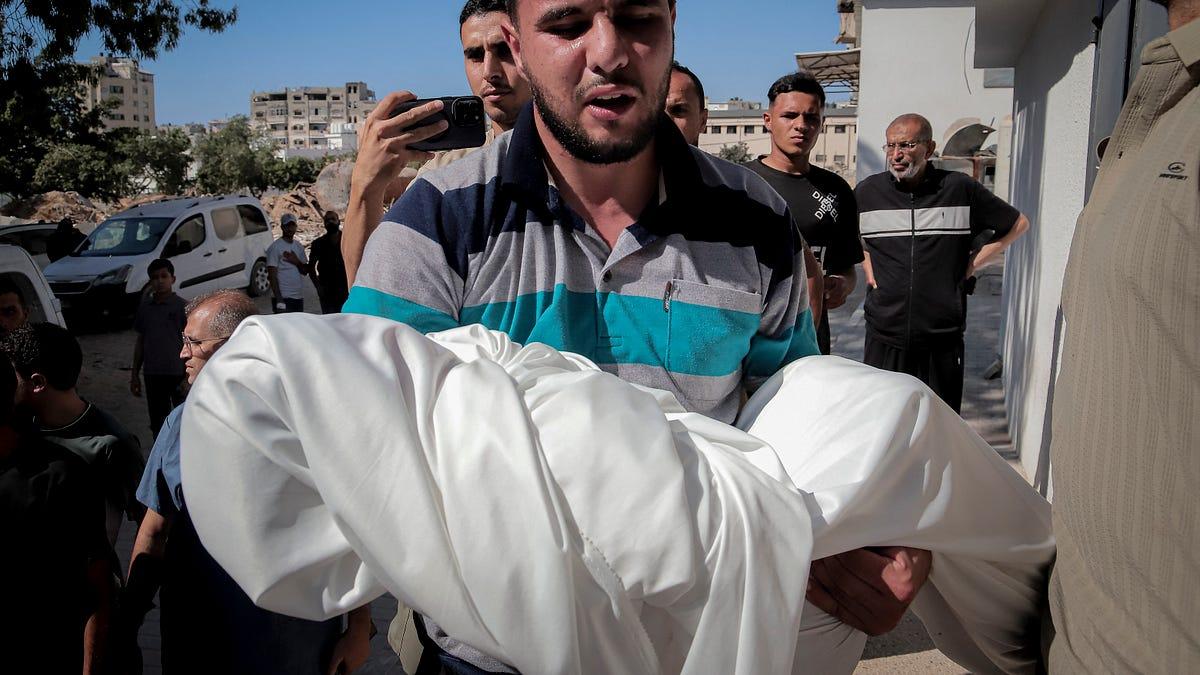
On June 14, Israeli soldiers shot and killed three-year-old Rayyan Abu al-Ajeen in his father’s arms in Deir al-Balah in central Gaza, according to Bahaa Abu al-Ajeen’s account to Mondoweiss.
Bahaa Abu al-Ajeen said he and his son, along with his friend and relative Khaled Abu Ghrab, were surprised by an Israeli force hiding inside a Palestinian house within a designated safe zone, and that the soldiers then surrounded them.
He recounted that as he began walking, the soldiers shouted at him to stop and fired beneath his feet, and that when he stopped two soldiers pointed their guns at them and one of them shot his son while he was in his arms.
From a hospital bed at al-Aqsa Martyrs Hospital, Abu al-Ajeen told Mondoweiss that the soldier “aimed at my child’s head, and killed him. One bullet,” and he added, “I wish they had killed me instead.”
Mondoweiss also reported that killings near the Yellow Line began in the first days of the ceasefire, with the boundary described as having expanded to bring over 65% of the Strip under Israeli control.
UN: ceasefire “illusion”
UNICEF spokesperson James Elder told reporters in Geneva that “a child has been killed, on average, every single day for more than eight months” in Gaza since a so-called ceasefire was announced, as Israel continued to attack the besieged enclave.
Elder said UNICEF described the truce as a “cruel and deadly illusion,” and he warned that the continued deaths exposed the hollowness of a ceasefire that had not protected Palestinian children from Israeli fire.

In the same UNICEF briefing, Elder said Israeli forces have killed at least 265 Palestinian children since October 2025, when the halt in hostilities was declared, and he said more than 400 children have also been injured since October.
Elder described children being killed in homes, schools and public spaces, including while playing football or fishing, and he said “You sneeze near the Orange Line and you may well get shot,” referring to the “continual creeping” of Israel’s so-called “Yellow Line” and “Orange Line” boundaries.
UN News described a separate case in Khan Younis where 13-year-old Abed al-Rahman was intubated and on a drip after an explosion rang out near the line where he stood, and Abed said, “There is nothing here to help me.”
Malnutrition, shortages, risk
UN News reported that UNICEF figures show an out-of-control nutrition crisis in Gaza, with more than 5,000 children aged 6 months to 5 years admitted to nutrition centers supported by the UN agency in May 2025.
“One Palestinian child has been killed every day on average for more than eight months in Gaza since a so-called “ceasefire” with Israel was announced, the United Nations children’s agency says”
It said nearly 50% more children were admitted in May than in April and more than double that of February, when a ceasefire still allowed the mass delivery of humanitarian aid, and it added that 636 children suffer from severe acute malnutrition.
UN News warned that fewer than half of malnutrition treatment centers remain operational—127 of 236—and it said fuel essential for producing water and running hospitals is running out as health and sanitation systems collapse.
In the same report, UNICEF said stocks of ready-to-use therapeutic foods are nearly exhausted, and it noted that the Gaza Human Foundation (GHF) does not supply them.
UN News also quoted UNICEF’s regional director for the Middle East and North Africa Édouard Beigbeder warning that coordinated action is needed immediately to prevent famine from worsening, malnutrition from increasing, the spread of diseases, water shortages, and ultimately an increase in child deaths.
More on Gaza Genocide
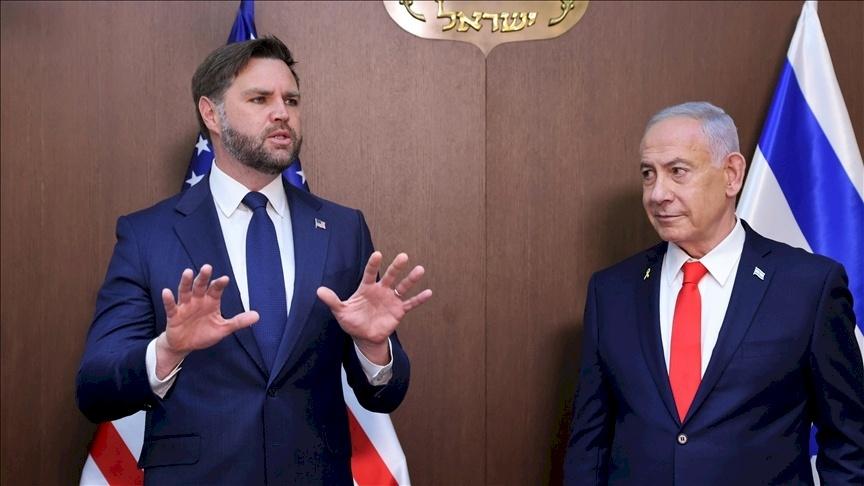
JD Vance Tells Israel to Stop Attacking Over US-Iran Memorandum of Understanding
14 sources compared
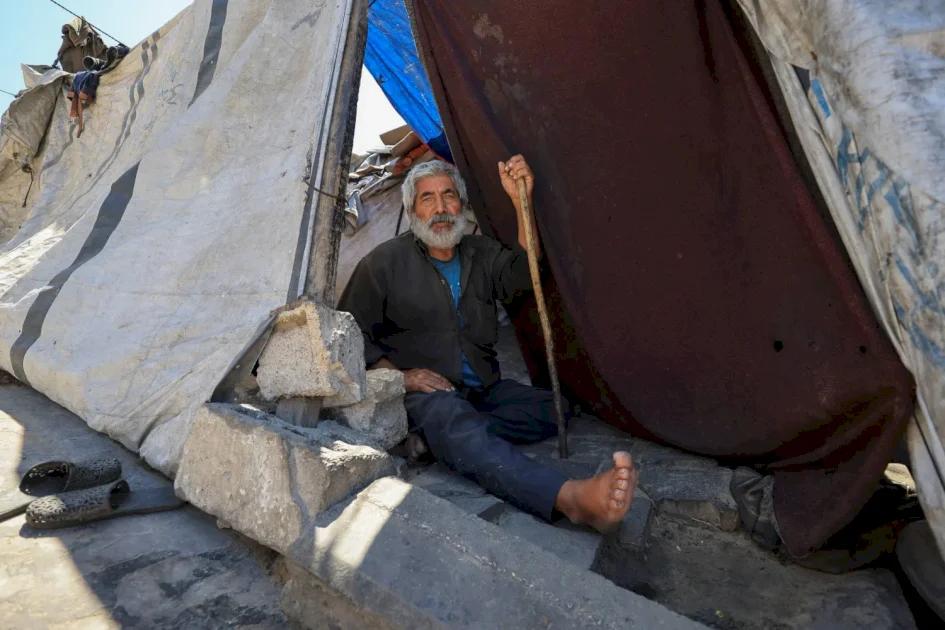
Palestine Embassy Urges India for $100 Million Medical Aid as Gaza Healthcare Collapses
27 sources compared
Hamas Meets in Cairo as Israel Prepares International Stabilization Force for Gaza
17 sources compared
U.S. Intelligence Warns Netanyahu Will Undermine Trump’s Iran Peace Deal
18 sources compared