
Israeli Strikes Hit Nabatieh as 10-Day Ceasefire With Hezbollah Takes Effect
Key Takeaways
- A 10-day ceasefire between Israel and Hezbollah took effect.
- Residents began returning to Nabatieh amid the ceasefire and ongoing destruction.
- Destruction remains widespread in southern Lebanon, with damaged buildings and displaced communities.
Ceasefire Brings Returns
A 10-day ceasefire between Israel and Hezbollah took effect on Friday, sending displaced residents back toward southern Lebanon even as bombardment and ground assaults had continued for over two years.
“An Israeli drone strike killed one person in southern Lebanon on Friday, the first full day of a U”
In Nabatieh, in southern Lebanon, video showed people returning home Friday after the ceasefire took effect, with the area having faced “near-constant bombardment and ground assaults for over two years.”
CNN said Nabatieh had been hit by Israeli strikes as recently as Thursday, and that the ceasefire allowed residents to “venture out” as they returned.
The National described Nabatieh as having been emptied after Israel issued displacement orders and carried out “relentless bombardment,” with civil defence crews saying the population fell from “60,000 to just 450.”
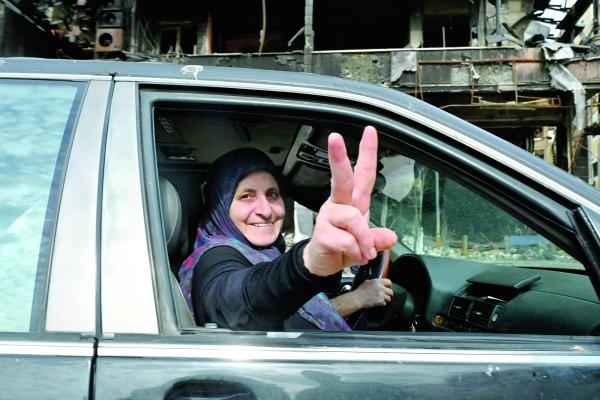
As the ceasefire with Israel took effect at midnight, The National reported that “people began to travel back to the city almost immediately,” with cars rolling in before dawn and families stepping over rubble.
Euronews similarly reported that with a ten-day ceasefire taking effect on Friday, April 17, 2026, residents began returning to southern Lebanese towns such as Nabatieh to find widespread destruction.
Euronews said airstrikes continued up to the last hours before the ceasefire, leaving streets “strewn with rubble, shattered glass, and the remains of damaged buildings.”
Truce Terms and Warnings
Even as residents returned, multiple reports emphasized that the ceasefire did not end all military activity and came with explicit conditions and warnings about renewed fighting.
Oman Observer said thousands of displaced Lebanese civilians took to the road on Friday, hoping a “10-day ceasefire with Israel” would allow them to return to homes in southern Beirut and the country’s war-torn south, but it also noted that Israel’s defence minister warned the operation against Hezbollah was not yet complete.

Oman Observer reported that “Minutes before the ceasefire came into effect at midnight,” Israeli strikes in Tyre killed at least “13 people” and destroyed “six residential buildings,” according to a city official.
The same report said Israel reserves the right to continue targeting Hezbollah to prevent “planned, imminent, or ongoing attacks,” and that it will maintain a “10-kilometre security zone along the border in southern Lebanon.”
Oman Observer quoted Israeli defence minister Israel Katz saying the area north to the Litani River had not yet been “cleared of terrorists and weapons” and that if diplomatic pressure did not achieve that goal, “then military action could resume.”
Channels Television reported that shortly after the truce went into effect at midnight local time (2100 GMT), the Lebanese army told residents of the south “not to return,” citing “several Israeli acts of aggression.”
Reuters, via CBC, said the ceasefire was meant to end hostilities between Israel and Hezbollah, but it also described the first full day of the truce as including an Israeli drone strike that killed “one person” in southern Lebanon on Friday.
Voices From the Road
Residents and officials described a mix of relief, fear, and uncertainty as they moved back toward damaged homes.
“Video from Nabatieh shows people returning home Friday after a ceasefire with Israel took effect”
Oman Observer quoted 37-year-old Amani Atrash, who said from her car seat on a road leading to a bridge into southern Lebanon: “Our feelings are indescribable, pride and victory”, and added that she hoped the truce would be extended.
In CBC’s account, Ali Hamza said he found his home intact but that people were scared to return for now, telling Reuters: “It is impossible to live in these circumstances, and with these smells,” and that “A full return is difficult now, despite the hardship of displacement.”
CBC also included the experience of Ofir Ben-Ari, a 31-year-old in Israel, who said: “I've got a three-year-old girl and a two-month-old baby and the whole time we've just not left the house because you never know when there'll be a rocket attack,” and added, “I think things will be quiet now and I'll be able to take my daughter to the park.”
Channels Television quoted displaced resident Alaa Damash acknowledging the warnings “to wait a bit” before rushing back home, and said her “love for their lands and houses, and their attachment to them, pushed them to go back there despite the fire threats.”
The same Channels Television report quoted Lebanese Prime Minister Nawaf Salam welcoming Trump’s announcement of the ceasefire, saying a truce was a “key Lebanese demand that we have pursued since the very first day of the war.”
In Beirut, Channels Television quoted housewife Jamal Shehab, 61, saying: “We are very happy that a ceasefire has been reached in Lebanon because we are tired of war and we want safety and peace,” while a Hezbollah lawmaker told AFP it would “cautiously adhere” to the truce if Israel stopped attacks.
How Outlets Framed the Same Moment
While the ceasefire and returns were central across outlets, the framing differed sharply between accounts that stressed immediate hope and those that foregrounded the risks and the political conditions.
CNN presented the moment as residents returning and “venture out” after the ceasefire took effect, describing Nabatieh as a Hezbollah stronghold that had faced “near-constant bombardment and ground assaults for over two years.”
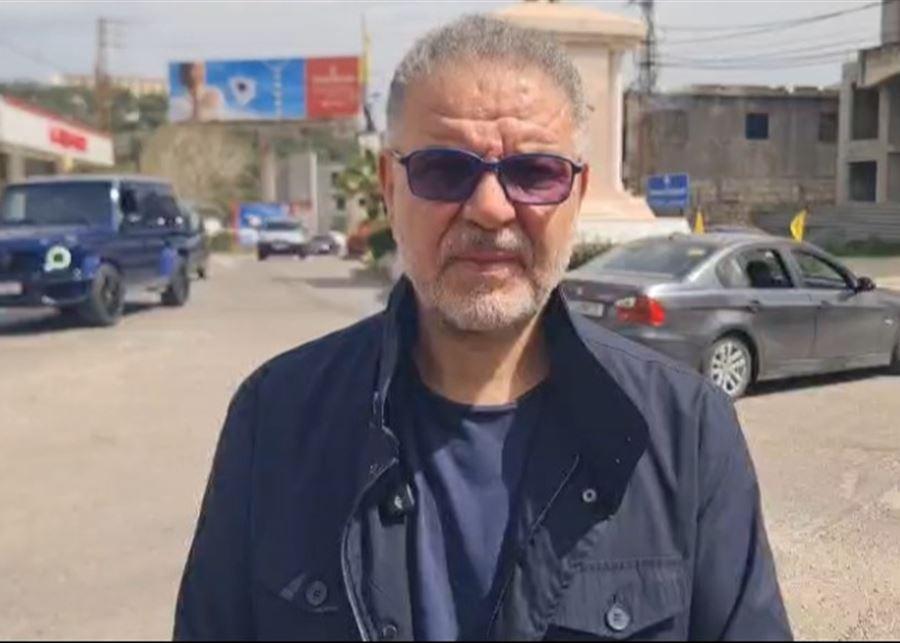
The National, by contrast, emphasized the scale of destruction and the speed of return, quoting civil defence worker Hussein Jaber saying: “Half an hour in, they were already coming back,” and adding: “Nabatieh is filled with life again. People are streaming in, already fixing their houses.”
Euronews focused on the physical aftermath and daily rebuilding, describing streets “strewn with rubble, shattered glass, and the remains of damaged buildings,” and quoting a resident’s preference for staying: “Staying here is better than staying as a guest in someone else’s home.”
Oman Observer highlighted the tension between hope and warnings, describing roads clogged with traffic despite Israel’s defence minister warning that civilians “may have to evacuate once again,” and it framed the truce as a “new source of hope” for some returnees.
CBC and Reuters emphasized the ceasefire’s fragility through the first day’s violence, reporting that an Israeli drone strike killed “one person” minutes after Trump said the United States had banned Israel from further bombing in Lebanon.
Channels Television foregrounded official warnings and the political process, reporting that the Lebanese army told residents “not to return” and that Israel’s military said it had struck over “380” “Hezbollah terror organization targets” in southern Lebanon.
What Comes Next
The sources portray the ceasefire as a step toward negotiations while leaving unresolved issues that could shape what happens next for Lebanon’s displaced population and for the conflict’s wider regional context.
“The American and the Israeli are working to return to the deadly equation”
Oman Observer said the truce deal released by the US State Department states that Lebanon, “with international support... will take meaningful steps to prevent Hezbollah” from undertaking hostile acts against Israeli targets, while Israel Katz said the area had not yet been cleared and that if fighting resumes, residents who return to the security zone will have to be evacuated.
CBC reported that the Lebanese army urged citizens to hold off on returning to southern villages and towns, and it described the ceasefire as leaving “big questions” including that it does not demand Israel withdraw troops occupying parts of the south.
CBC also tied the ceasefire to the parallel war between the United States and Iran, saying Trump announced the 10-day ceasefire agreement between the governments of Lebanon and Israel on Thursday and that it added to optimism that the parallel war could be nearing an end.
Channels Television said the ceasefire represents a key step in Washington’s efforts to reach a deal to end its war with Iran, with Tehran insisting a Lebanon truce must be part of any agreement, and it reported that mediator Islamabad was leading the international push to restart face-to-face talks between Tehran and Washington.
Channels Television also reported that Trump expected Netanyahu and Aoun to visit the White House “over the next four or five days,” and that Netanyahu said the ceasefire offered an opportunity for a “historic peace agreement” with Beirut while insisting that disarmament of Hezbollah remained a precondition.
The Korea Times added that Trump said Lebanon had agreed to “take care of Hezbollah,” and it warned that any move by the Lebanese state to disarm Hezbollah by force would risk conflict in a country shattered by civil war from 1975 to 1990.
More on Lebanon

Trump And Iran Foreign Minister Say Strait Of Hormuz Fully Open As U.S. Blockade Continues
15 sources compared

Donald Trump Announces 10-Day Israel-Lebanon Ceasefire Begins Thursday at 5 P.M. ET
26 sources compared

Nabih Berri Rejects Direct Negotiations With Israel, Calls Civil Peace a Red Line
13 sources compared

Israel-Lebanon 10-Day Ceasefire Takes Effect as Hezbollah Fighting Pauses
19 sources compared