Israeli Strikes in Nabatieh Governorate Kill 20 in Southern Lebanon, Lebanese Health Ministry Says
Key Takeaways
- Lebanese health ministry says 20 people killed in Nabatieh by Israeli strikes.
- Airstrikes and artillery targeted southern Lebanon towns, including Nabatieh and Yaroun.
- Nabatieh city evacuated as residents flee amid intensified bombardment.
Deadly strikes in Lebanon
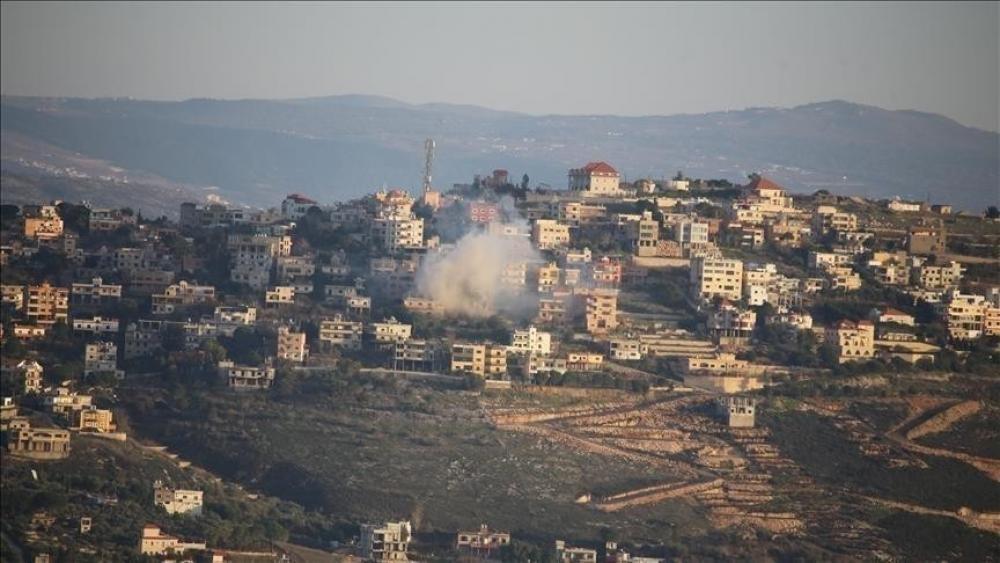
Israeli strikes in southern Lebanon killed 20 people and wounded 46 others in the last 24 hours, the Lebanese Health Ministry said Sunday, according to Haaretz.
Haaretz also said the casualties included paramedics and a child.

In a separate account, جريدة القدس described an escalation in Israeli airstrikes that left six people dead, including a member of the Lebanese army, and said the attacks were concentrated on Nabatieh Governorate and areas in the south and in Beirut.
جريدة القدس added that the town of al-Jamjama witnessed two martyrs due to a direct strike, and it said warplanes continued to bombard civilian homes and infrastructure.
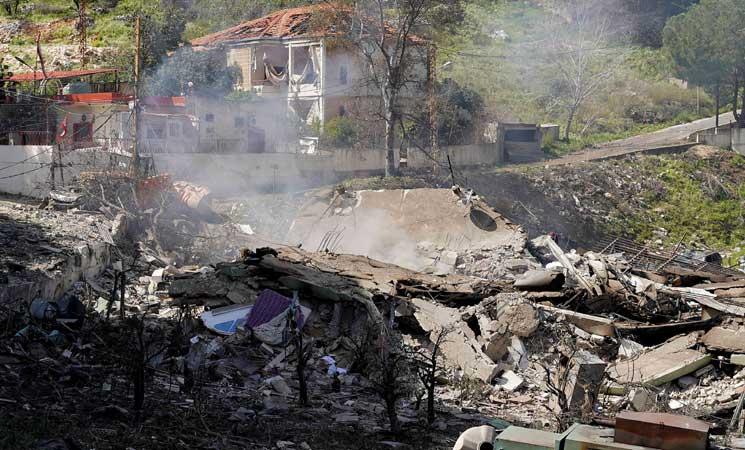
BBC reporting from Nabatieh described the raids as producing “dense columns of gray smoke into Nabatieh’s sky,” with search and rescue operations beginning amid chaos.
BBC also said the city of Nabatieh is “about 16 kilometers from the border with Israel,” and it described rescuers responding to explosions near Nabih Berri Governmental Hospital.
Why Nabatieh is targeted
Multiple reports tied the current focus of Israeli operations to southern Lebanon’s Nabatieh district and to terrain near the Litani River.
Today (L'Orient Today) said Israel intensified its strikes in recent days on the Nabatieh district and its capital, targeting localities on the north bank of the Litani River, “especially Zawtar Gharbieh, Zawtar Sharqieh, Arnoun, and Yohmor al-Shaqif.”

It described Yohmor al-Shaqif as “located within the co-called "buffer zone" that Israel is seeking to establish on occupied Lebanese territory.”
Today quoted retired General Khalil Gemayel, former commander of the southern region and south sector of the Litani, saying the heights “have always served as a vantage point for Hezbollah to fire its rockets at Israeli troops below.”
i24NEWS said Israeli strikes expanded beyond prior ceasefire understandings, noting that “Israel has thus far avoided slipping into a full-scale war” while keeping “the option open for a broader round.”
Anadolu Ajansı reported that the Israeli army threatened to strike new targets despite the ceasefire, with Israeli army spokesperson Avichay Adraee posting a map marking buildings in Kharayeb and Ansar and urging people to evacuate and keep “at least 300 meters away.”
BBC’s account of Nabatieh raids added a timeline element, saying the escalation pace continued “just one day before the city and wide areas in its surroundings were added to new Israeli evacuation orders.”
Rescuers under fire
BBC accompanied rescue teams in Nabatieh and described the immediate sequence of explosions and the movement of paramedics and displaced people toward the site.
In the afternoon calm in Nabatieh, BBC said “the whistle of a projectile shattered the quiet,” followed by an explosion in the valley below Nabih Berri Governmental Hospital.
BBC reported that paramedics and displaced people surged toward the hillside as ambulances fought their way to the site, and it quoted a man crying out: “Look at its size… it lit up the sky.”
BBC said that after “only forty-three seconds,” another explosion rang out nearby, followed by “two more explosions,” sending “dense columns of gray smoke into Nabatieh’s sky.”
Among those rushing through the city streets was Hussein Faqih, the regional head of the government-affiliated Lebanese Civil Defense, and BBC quoted him saying he has witnessed the same scenes “almost every day” since the war between Israel and Hezbollah resumed on March 2.
BBC added that Faqih described the work as including “Whether it’s extinguishing fires… or carrying out rescues, or searching under the rubble, or recovering bodies.”
BBC also described how one emergency responder shouted “Follow the smoke,” as ambulances tried to reach the sites of multiple strikes.
AI targeting and the kill chain
The Los Angeles Times described how Israel’s military uses an artificial-intelligence-powered targeting system that fuses data from multiple sources, including smartphones, security and traffic cameras, Wi‑Fi signals, drones and social media.
The report said the system “fuses data from various sources, including smartphones, security and traffic cameras, Wi-Fi signals, drones and social media,” and it warned that “Experts warn that AI-powered systems could misidentify civilians.”
It recounted the experience of Ahmad Turmus, who the report said was targeted after a phone call from an Israeli military officer in February, with the officer asking, “Ahmad, you want to die with those around you or alone?”
The Los Angeles Times said Turmus answered with one word before hanging up: “Alone.”
The report said Israel acknowledged the targeting of Turmus, and it described Israel’s explanation that he was working on “military and financial matters ... to rehabilitate Hezbollah terrorist infrastructure.”
It placed Turmus, 62, in Talloosah, describing it as “a small village less than three miles from the Israeli border” that “had turned into a battlefield during Israel’s campaign against Hezbollah in 2024.”
The Los Angeles Times also tied the targeting system to prior events, saying “Ever since the spectacular pager attacks of September 2024” Israel remotely detonated explosives hidden in pagers carried by Hezbollah members.
Escalation, displacement, and next steps
The sources describe a widening conflict pattern that continues despite ceasefire claims and threatened new strikes, while humanitarian impacts mount.
Anadolu Ajansı said the Israeli army threatened to attack two new zones in southern Lebanon after an initial series of attacks earlier in the day, and it reported that the Israeli army spokesperson Avichay Adraee shared a map marking buildings targeted in Kharayeb and Ansar, telling people to evacuate immediately and keep “at least 300 meters away.”

Anadolu Ajansı also said the Israeli army had already issued threats earlier in the day concerning three zones linked to Sidon and Nabatieh, and it reported air strikes on buildings in Qanarit, Kfour and Jarjoua immediately after the threat.
In parallel, i24NEWS described “preparations for a possible battle in Nabatieh,” and it said Israeli assessments grow that “another round could be near,” with Nabatieh as a likely next testing ground.
جريدة القدس said the Israeli army announced sending fresh reinforcements to the northern front, with the 36th Infantry Division joining ongoing ground operations, and it claimed Israeli forces reached depths of between 7 and 9 kilometers in some border corridors.
It also said official statistics from Lebanese authorities indicate the total toll of the aggression has surpassed 880 martyrs, with thousands of civilians injured since the start of the latest escalation, and it described “more than a million Lebanese forced to leave their homes.”
أخبار الغد said the Israeli army launched about 84 diverse attacks in a single day, killing 29 people and wounding 33 others, while Hezbollah responded with 12 attacks, and it added that the Lebanese Health Ministry reported deaths since March 2 rising to 2,586 with 8,020 wounded and more than 1.6 million displaced.
More on Lebanon
Hezbollah Hits Israeli Merkava Tank In Al-Bayyada With Guided Missile At 11:45 Pm
12 sources compared
Israeli Forces Clash With Hezbollah in Southern Lebanon, Wounding Two IDF Soldiers
10 sources compared
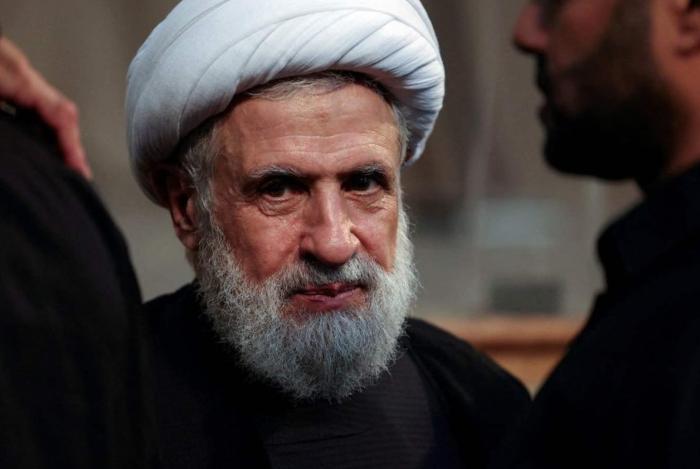
Hezbollah Secretary-General Naim Qassem Says No Ceasefire in Lebanon, Cites Israeli-American Aggression
15 sources compared
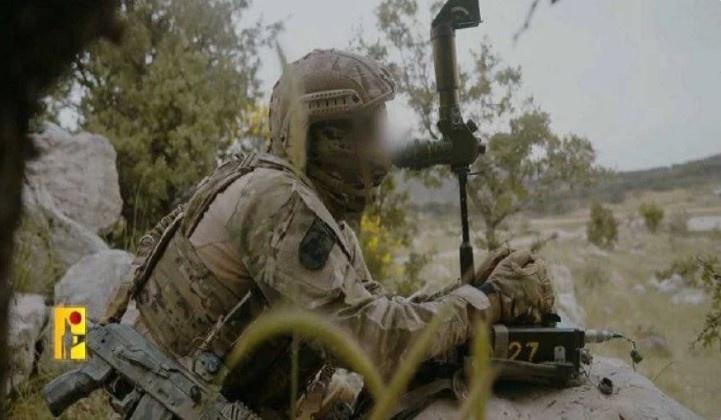
Hezbollah Vows to Thwart Lebanon-Israel Talks as Rockets and Drones Hit Israeli Troops
15 sources compared