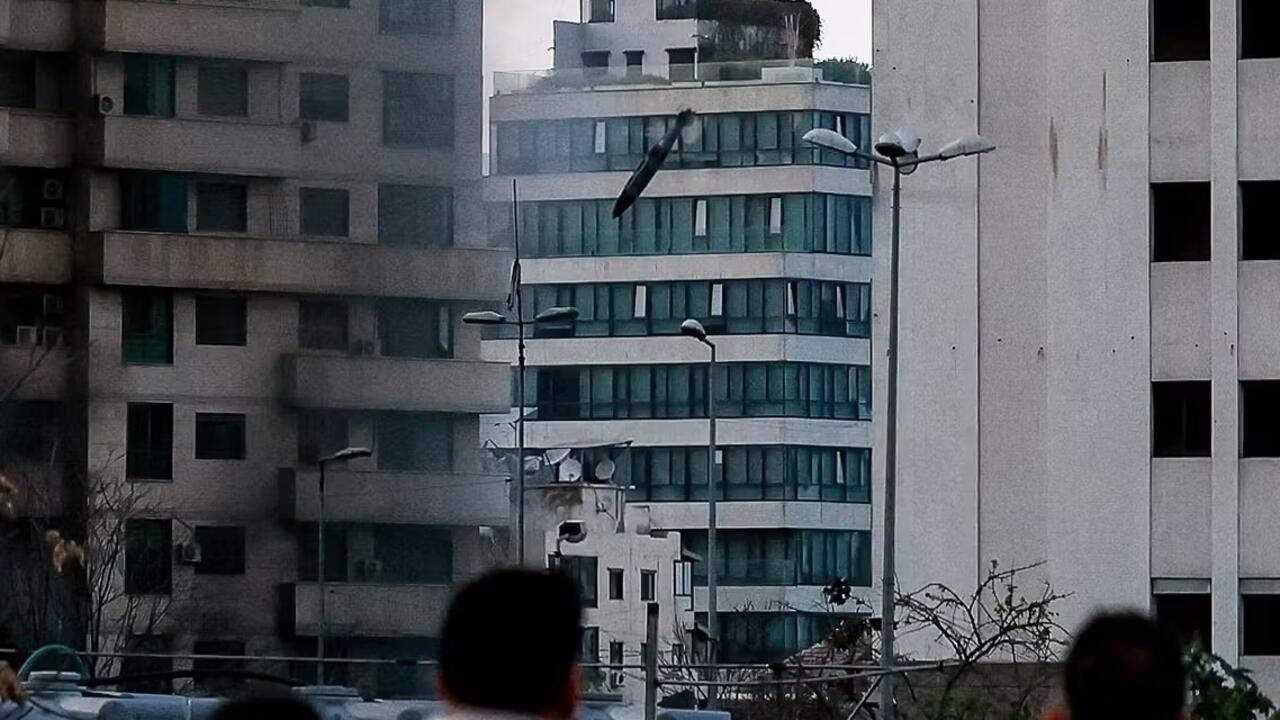
Israeli Strikes Kill 17 in Southern Lebanon as Hezbollah Drone Attack Kills Golani Brigade Soldier
Key Takeaways
- More than 100 Israeli strikes hit Lebanon within ten minutes.
- Civilian casualties were reported in southern Lebanon.
- Hezbollah asserted ongoing operations against Israel.
Ceasefire, then strikes
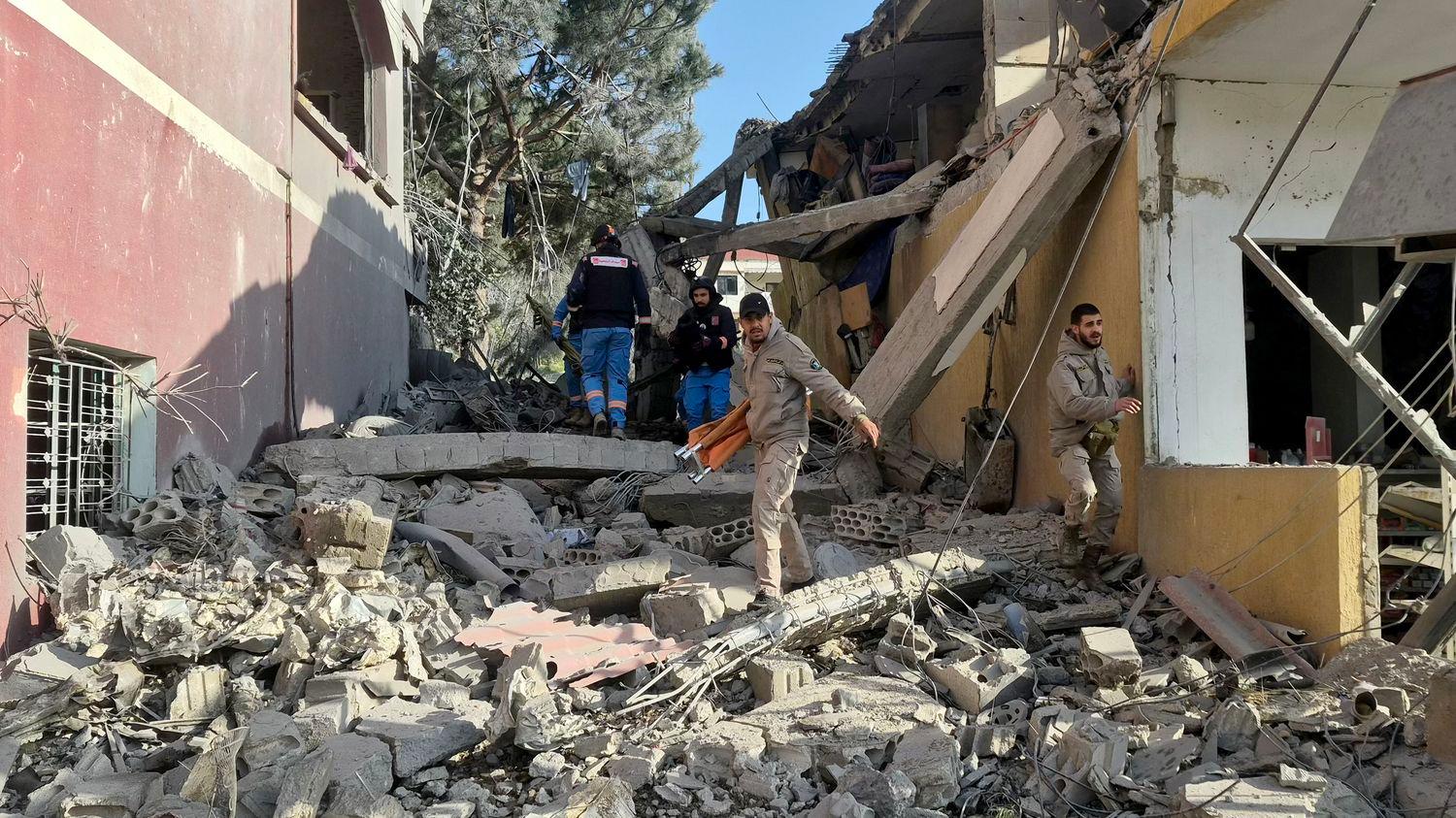
Israeli strikes on southern Lebanon continued despite a ceasefire that was “now in its second week,” the BBC reported, as it said “Seventeen people, including two children, were killed in Israeli strikes in southern Lebanon on Thursday” and that the strikes “also wounded 35 people, among them nine children and eight women.”
“Beirut, Lebanon – On April 8, Ahmad Hamdi, 22, was sitting on his couch at home in Beirut’s Tallet el Khayat neighbourhood, hours after Israel had launched more than 100 attacks in under 10 minutes across Lebanon”
The BBC added that Israel said it was targeting “Hezbollah infrastructure,” while Hezbollah said it carried out attacks on Israeli forces in the south, including “a drone strike targeting soldiers in the Bint Jbeil district.”

In parallel, the Palestine Chronicle’s live coverage described “more than 70 strikes across southern Lebanon on Thursday,” and said “Israeli warplanes, drones, and artillery launch more than 70 strikes across southern Lebanon on Thursday.”
The Palestine Chronicle also stated that “Israeli airstrikes and artillery bombardment continued across southern Lebanon on Friday,” following “one of the heaviest waves of attacks in recent months.”
It further reported that “Israeli army confirms one Golani Brigade soldier killed in Hezbollah explosive drone attack in southern Lebanon,” and that “Israeli media report at least 15 soldiers wounded in multiple Hezbollah drone operations throughout the day.”
The Axios account tied the continuing violence to the ceasefire’s fragile implementation, saying “The ceasefire Trump helped broker in Lebanon is being only partially observed,” and that officials in both Israel and Lebanon were concerned it “will collapse entirely before it’s due to expire in mid-May.”
What led to escalation
The BBC framed the current phase as continuing violence after a truce that began with “ceasefire announced on 16 April,” following “direct talks between Lebanese and Israeli ambassadors in Washington.”
It said Lebanese President Joseph Aoun criticized “continuing Israeli violations” of the truce, adding that strikes and demolitions of homes and places of worship were ongoing “despite the ceasefire.”
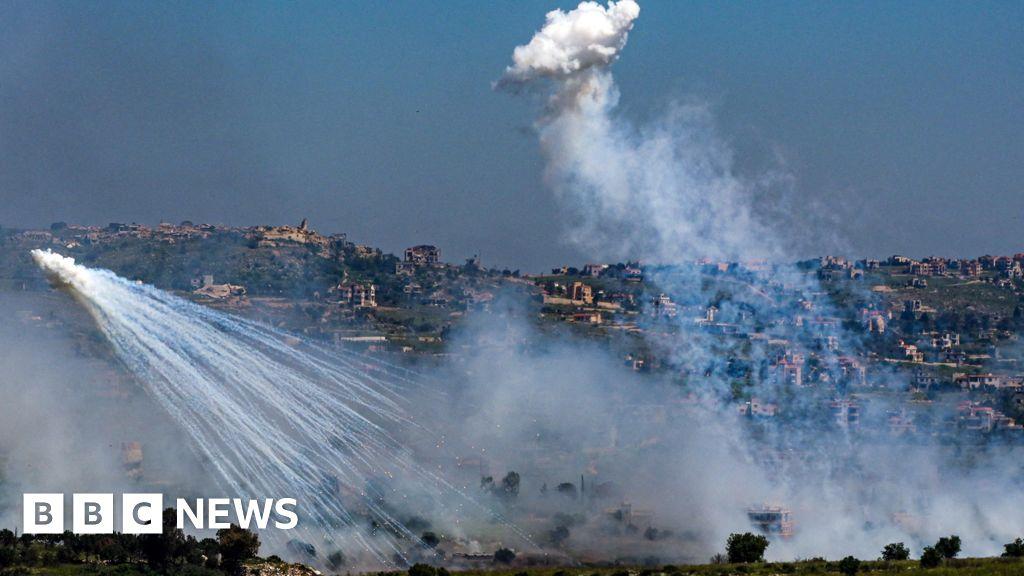
The BBC also described how Israel issued evacuation warnings for “15 villages in southern Lebanon” and said many were outside what Israel designated as the “Yellow Line,” “a strip of territory extending roughly 10km (6 miles) from the border.”
In the Palestine Chronicle’s live reporting, the escalation was presented as a sustained campaign, with “Massive Israeli Bombardment Hits South Lebanon as Hezbollah Steps Up Operations” and a claim that the attacks were “following one of the heaviest waves of attacks in recent months.”
Axios linked the ceasefire’s fragility to the lack of progress on broader diplomacy, saying there had been “no progress in launching Israel-Lebanon peace talks,” and that “Secretary of State Marco Rubio hosting two meetings with the respective ambassadors” had not produced movement.
Franceinfo described the diplomatic opening as beginning “today in Washington,” with “direct talks in Washington on Tuesday, April 14,” under “the aegis of the U.S. Secretary of State, Marco Rubio,” and said the talks were “unseen for more than thirty years.”
Statements from leaders
Multiple accounts highlighted competing political and military messages as the violence continued.
“Deadly Israeli strikes on southern Lebanon despite ceasefire Seventeen people, including two children, were killed in Israeli strikes in southern Lebanon on Thursday, the health ministry said, as violence continues despite a ceasefire now in its second week”
The BBC quoted Lebanese President Joseph Aoun saying, “Pressure must be exerted on Israel to ensure it respects international laws and conventions, and ceases targeting civilians, paramedics, civil defence and humanitarian organisations,” and it also reported that Parliament Speaker Nabih Berri “has taken a sharply different stance, opposing direct talks and warning they carry risks.”
Axios reported that President Trump told Axios in a phone interview that Israel should only take “surgical” action, quoting him: “I told Netanyahu he has got to do it more surgically. Not knock down buildings. He can't do it. It is too terrible and makes Israel look bad,” and it added that Trump stressed “I like Lebanon and its leadership and thinks the country can "make a comeback."”
The Palestine Chronicle’s live blog described Israeli and Hezbollah actions in operational terms, saying “Israeli army confirms one Golani Brigade soldier killed in Hezbollah explosive drone attack in southern Lebanon,” and that “Israeli media report at least 15 soldiers wounded in multiple Hezbollah drone operations throughout the day.”
Franceinfo described Hezbollah’s position on negotiations, saying “Hezbollah firmly rejects any negotiation with Israel,” and quoting that Hezbollah leader Naim Qassem “called for the cancellation of these talks, describing them as submission and capitulation.”
Franceinfo also included an Israeli condition through a government spokesperson, stating that “This dialogue between Israel and Lebanon aims to disarm the Hezbollah terrorist organization, drive it out of Lebanon, and establish peaceful relations between our two countries,” and that “said on Monday the government spokesperson, Shosh Bedrosian.”
Competing narratives of the same war
Accounts of Lebanon’s war diverged sharply in how they described both the scale and the meaning of events.
The BBC emphasized a civilian toll in the latest strikes, reporting “Seventeen people, including two children, were killed” and “wounded 35 people,” while also stressing that Israel said it was targeting “Hezbollah infrastructure.”
By contrast, the Palestine Chronicle’s live blog framed the same broader period as a sequence of strikes and counterattacks, describing “more than 70 strikes across southern Lebanon on Thursday” and asserting that “Hezbollah Steps Up Operations.”
Axios focused on the political management of the conflict, centering on President Trump’s instructions to Netanyahu and the risk that the ceasefire would “collapse entirely before it's due to expire in mid-May,” while also describing ongoing Israeli occupation and house-flattening.
Franceinfo, meanwhile, presented the diplomatic talks as a historic shift, saying the direct talks in Washington were “unseen for more than thirty years,” and it described Hezbollah’s rejection of negotiation as “submission and capitulation.”
Le Monde’s account of April 8 described the strikes as a “turning point,” saying “Hundreds of strikes were carried out in barely ten minutes on Beirut, the capital, and in several areas in the south of the country,” and it quoted Joseph Abou Khalil describing the experience as “We could feel the ground shaking beneath our feet... as if we were in a horror movie.”
Human cost and next steps
The sources also described what comes next in terms of negotiations, political pressure, and the continuing human toll.
“Historic talks, Hezbollah disarmament… What we know about the discussions between Israel and Lebanon that start today in Washington”
The BBC said the ceasefire “largely halted strikes on Beirut and its southern suburbs,” but that “fighting has persisted elsewhere in the south, with continued air raids and repeated evacuation orders,” and it added that “The fragile truce has also exposed political divisions in Beirut over what comes next.”
It reported that President Aoun backed “direct, face-to-face talks” and said the ceasefire should evolve into a more “permanent agreement,” while Nabih Berri opposed direct talks and warned they carried risks.
Axios described the diplomatic timetable as tied to a possible trilateral summit, saying Trump “wants to hold a trilateral summit with Netanyahu and Aoun,” but that it was “unlikely the Lebanese president would agree without significant progress having been achieved,” and it quoted Firas Maksad saying, “It's difficult to say 'no' to President Trump and risk his wrath, but it is also increasingly difficult to sustain direct negotiations with Israel, let alone meeting Netanyahu at the White House, when the destruction of villages and loss of Lebanese lives continues.”
Franceinfo said negotiations were set to begin “under the aegis of the U.S. Secretary of State, Marco Rubio,” at the “State Department,” and it described the core sticking point as “disarm the Hezbollah terrorist organization,” while also noting that “Israel also mentions the establishment of a security zone in southern Lebanon.”
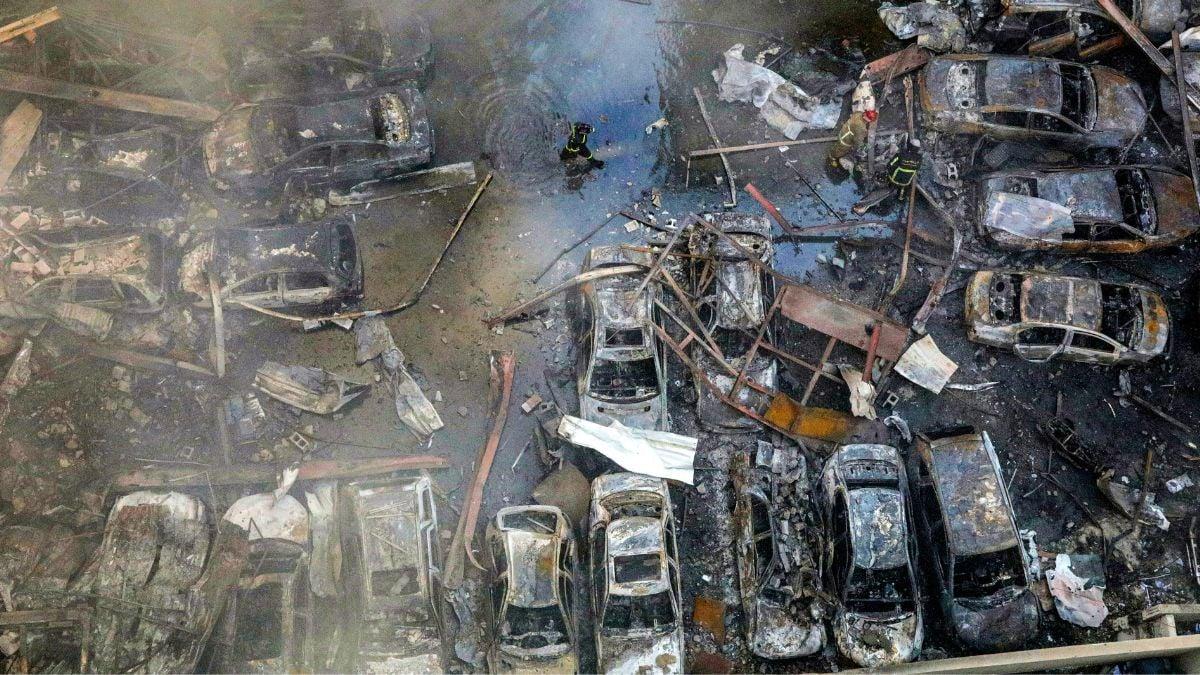
On the ground, Al Jazeera’s “Black Wednesday” reporting described the aftermath as a struggle to identify victims and to separate civilians from combatants, quoting Human Rights Watch’s Ramzi Kaiss and noting that “United Nations experts have described Israel’s attacks on April 8 as “indiscriminate”.”
More on Lebanon
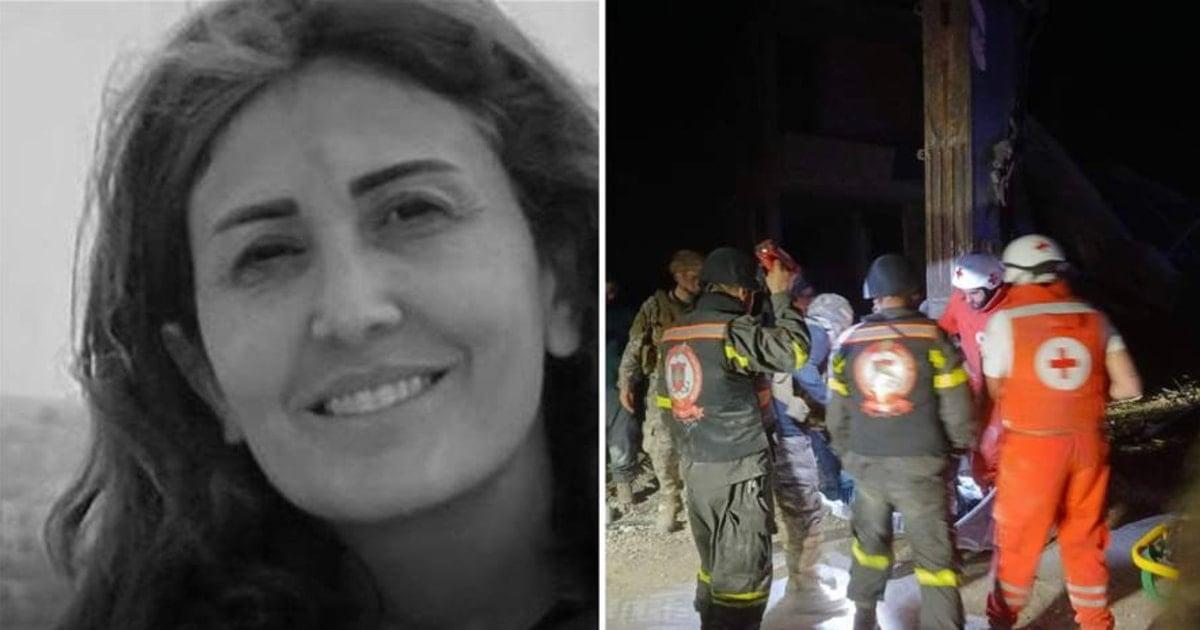
Israeli Attacks Kill At Least 28 People In Southern Lebanon Despite U.S.-Mediated Ceasefire
12 sources compared

Hezbollah Fibre-Optic Drones Threaten Israeli Helicopter and Kill Idan Fooks in Taybeh
11 sources compared
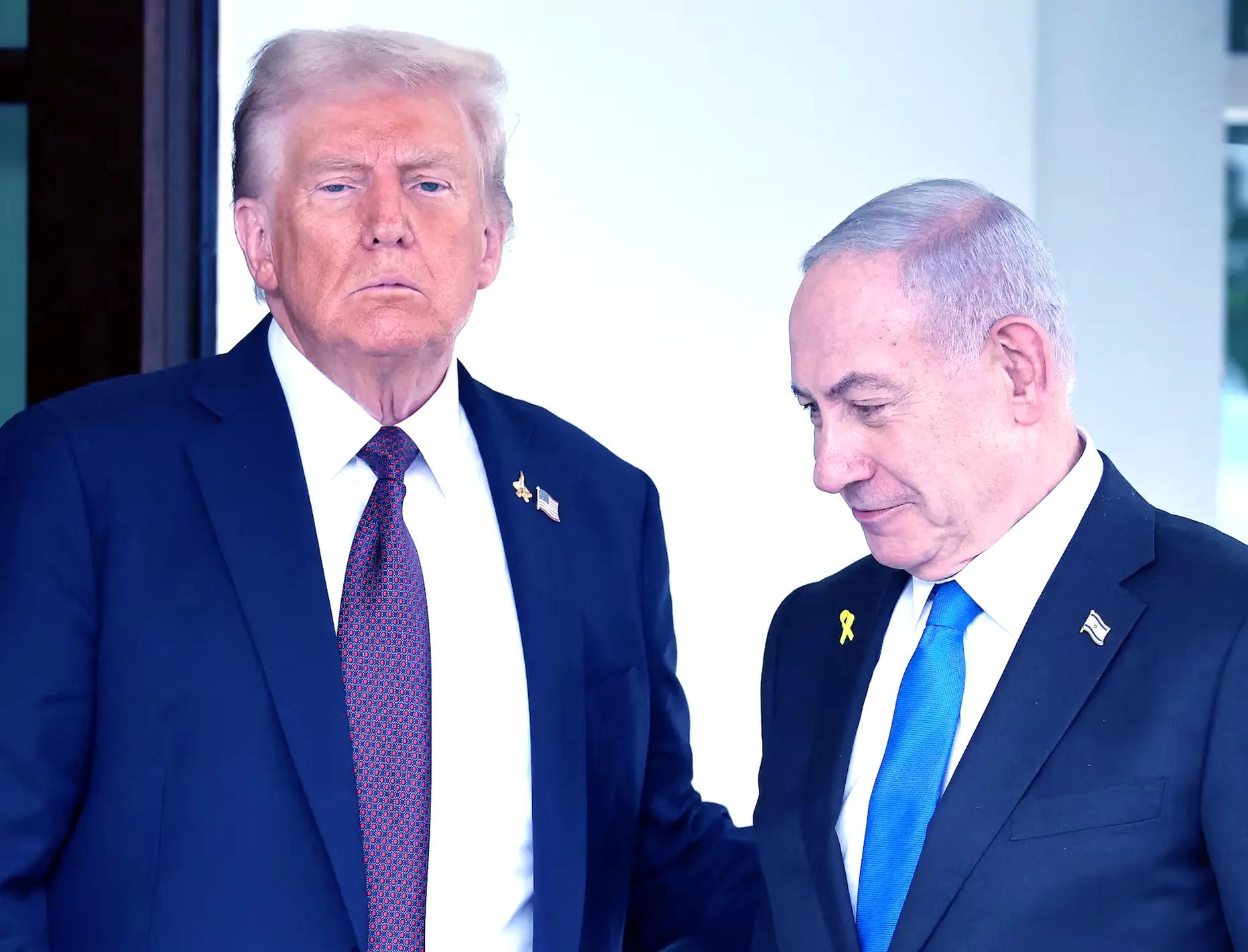
Trump Tells Netanyahu to Limit Lebanon Strikes to “Surgical” Operations
16 sources compared
Israeli Attacks Kill At Least 28 People In Southern Lebanon Despite U.S.-Mediated Ceasefire
42 sources compared