Trump Tells Netanyahu to Limit Lebanon Strikes to “Surgical” Operations
Key Takeaways
- Trump urged Netanyahu to limit Lebanon strikes to surgical, precisely targeted actions.
- Destruction of buildings harms Israel's image and undermines diplomatic efforts.
- U.S. officials urged restraint to preserve the ceasefire and diplomatic track.
Trump presses surgical strikes
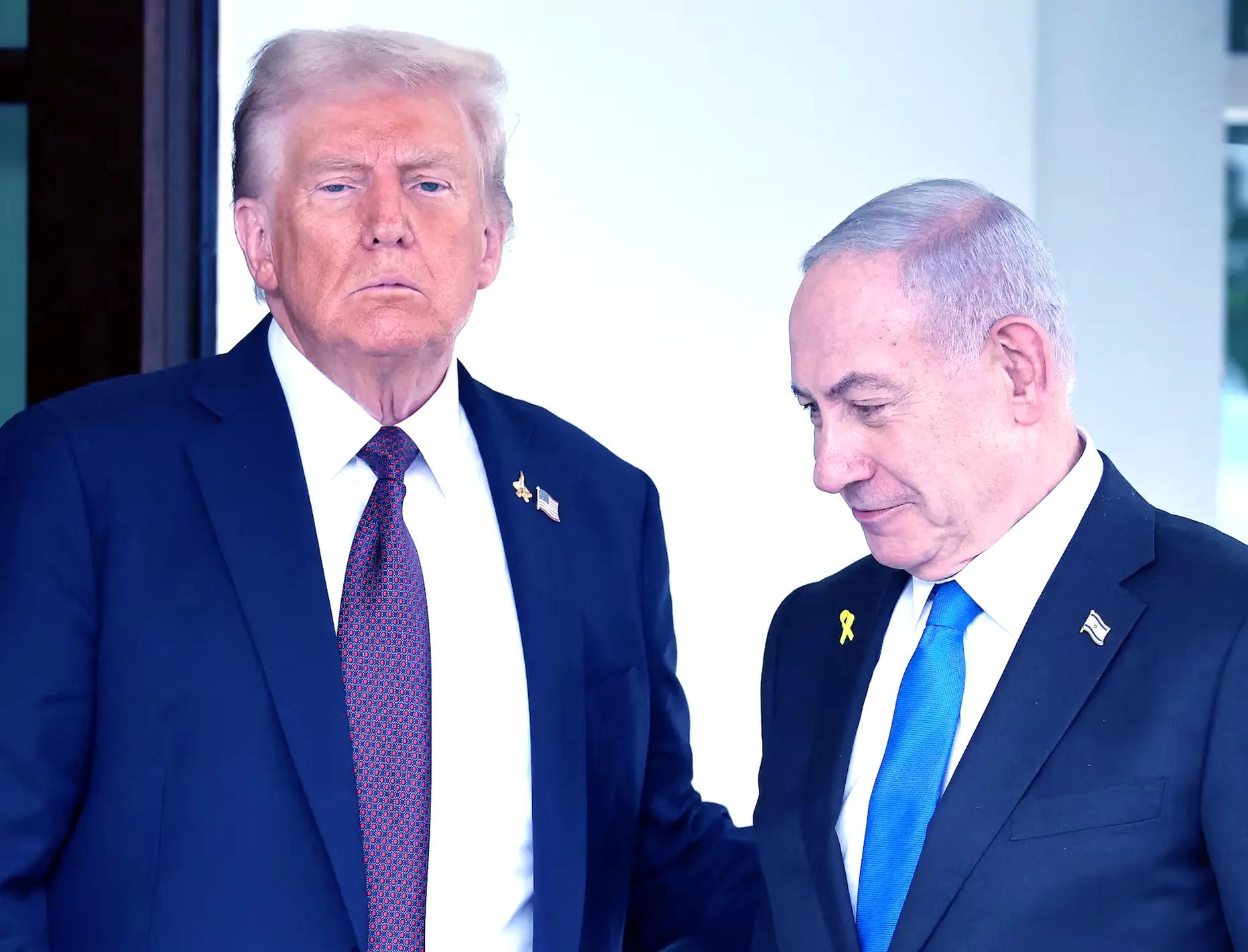
President Donald Trump told Israeli Prime Minister Benjamin Netanyahu that Israel should limit its military action in Lebanon to what Trump called “surgical” operations and avoid a broader resumption of the war, warning that knocking down buildings risks undermining a fragile ceasefire.
“Toggle Play Was Israeli PM’s Lebanon destruction video a snub to Trump”
In a phone interview with Axios, Trump said, “I told Netanyahu he has got to do it more surgically. Not knock down buildings. He can't do it. It is too terrible and makes Israel look bad,” as the ceasefire he helped broker is being only partially observed.

Trump also told Axios that he likes Lebanon and its leadership and thinks the country can “make a comeback,” while blaming instability on Tehran and its regional proxy Hezbollah.
“Iran ruined Lebanon. Their proxy [Hezbollah] ruined Lebanon. When Iran gets taken out, Hezbollah automatically gets taken out,” Trump claimed in the same interview.
The Axios report places the pressure in the context of continued Israeli military activity in southern Lebanon, including “flatten[ing] houses there it claims were used by Hezbollah,” alongside Hezbollah rocket and drone attacks against Israeli forces and villages across the border.
In parallel, the Washington Examiner framed Trump’s message as an effort to prevent “broader strikes” that could “risk undermining a fragile ceasefire,” while noting that the United States is attempting to broker an agreement between Israel and Lebanon following a resurgence of fighting earlier this year.
The BBC’s briefing on The Independent similarly described the ceasefire as “fragile,” while emphasizing that Israel’s aggression against Hezbollah forces in Lebanon and the “destruction of civil infrastructure in the fragile Lebanese state” make securing peace difficult.
Ceasefire, talks, and pressure
The Trump administration’s push for limited strikes is unfolding as the ceasefire it helped broker shows uneven compliance and as diplomacy struggles to move from ceasefire management to peace negotiations.
Axios reports that officials in both Israel and Lebanon are concerned the ceasefire will collapse entirely before it expires in mid-May, while also noting “there has also been no progress in launching Israel-Lebanon peace talks.”
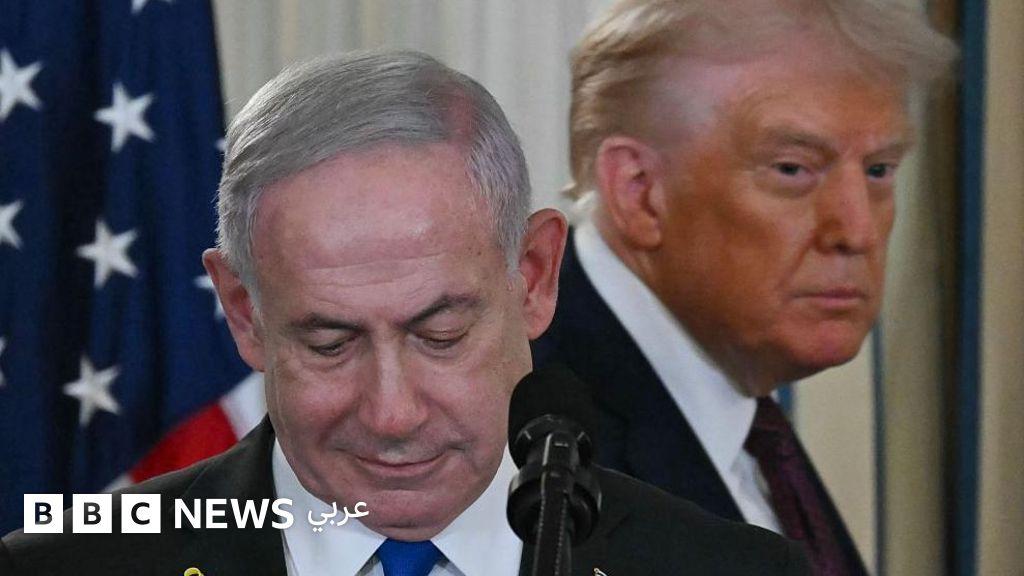
The same Axios account says Secretary of State Marco Rubio hosted two meetings with the respective ambassadors, but that the diplomatic track has not produced a breakthrough.
The Washington Examiner adds that “Representatives from Israel and Lebanon have held two rounds of diplomatic talks in Washington aimed at stabilizing the border,” and that after the second meeting Trump announced a “three-week extension of the ceasefire,” though it remains unclear whether Hezbollah will adhere.
In the West Asian reporting, the Axios-linked narrative is echoed with the claim that Washington asked Israel to “show restraint” to leave room for the diplomatic track, even as Israeli air and ground operations continue against Hezbollah in Lebanon despite the ceasefire.
The “https | West Asian” report states that the U.S. administration is pursuing “a new political track,” including efforts to strengthen the Lebanese army, and that the U.S. is seeking to hold a trilateral summit with Trump, Netanyahu, and Lebanon’s President Joseph Aoun.
TF1 Info describes the truce’s start in operational terms, saying that “a few hours after the start of the truce between Israel and Lebanon” Trump wrote that his ally “will not bomb Lebanon anymore,” even as Netanyahu insisted Israel had “not yet finished the job” against Hezbollah.
Hezbollah, Aoun, and Qassem
The dispute over how to interpret the ceasefire is also tied to internal Lebanese political pressure and competing claims about who is undermining diplomacy.
“We begin our briefing today from The Independent, with an editorial titled 'As the fragile ceasefire teeters, Trump must finally prove that he can say no to Netanyahu”
Axios reports that Hezbollah is not treated as a party to the ceasefire, with a U.S. official saying, “Hezbollah is not a party to the ceasefire, and is trying to derail it,” and adding, “Hezbollah's strategy is clear: provoke, attack, and then blame Israel in order to kill the negotiations and make the Lebanese government look bad.”
The same Axios account says the U.S. administration asked Israel to “show restraint” and “give space to the new diplomatic process with Lebanon,” while also planning to “massively increase our political campaign on Hezbollah” and look for ways to get the Lebanese Armed Forces to overcome challenges.
On the Lebanese side, Axios says Hezbollah’s recent attacks are intended “in part to undermine the government over its decision to negotiate directly with Israel,” and it quotes a senior Lebanese official warning that Beirut fears Israel’s occupation of southern Lebanon will allow Hezbollah to regain legitimacy as a resistance force.
The Washington Examiner similarly describes Hezbollah Secretary-General Naim Qassem urging the Lebanese government to halt direct talks with Israel, accusing it of aligning with an adversary.
It also reports that Lebanese President Joseph Aoun pushed back, saying, “Betrayal is carried out by those who take their country to war to serve foreign interests.”
TF1 Info adds that Israeli leaders argue the operation is not finished, with Netanyahu saying in a video message that the dismantling of Hezbollah’s objective “will not be achieved tomorrow,” and with Defense Minister Israel Katz warning that Lebanese civilians returning to the south could have to be evacuated again.
Different outlets, different emphases
While multiple outlets report the same core message from Trump to Netanyahu about limiting destruction, they frame the significance of that message differently—either as a bid to preserve a fragile ceasefire, as a “ban” on bombing, or as a broader argument about Israel’s international image.
Axios presents Trump’s “surgical” instruction as part of a daily pressure campaign, noting that Trump “has spoken to Netanyahu every day this week,” and that Israeli officials are “growing increasingly frustrated by the constraints imposed by the Trump administration.”

The Washington Examiner similarly emphasizes Trump’s warning that broader strikes could “risk undermining a fragile ceasefire,” and it links the push to U.S. efforts to broker an agreement after fighting resumed earlier this year.
TF1 Info, by contrast, describes the truce in terms of a direct prohibition, quoting Trump’s post: “Israel will no longer bomb Lebanon. They have a ban on doing so from the United States. That's enough!!!” and then immediately juxtaposing that with Netanyahu’s insistence that Israel has “not yet finished the job” against Hezbollah.
The West Asian “القدس العربي” account also attributes to Trump the idea that strikes must be “surgical” and “precisely targeted,” and it quotes Trump stressing that operations should be “conduct operations more precisely, without destroying buildings,” and that this approach is “very bad and harms Israel's image.”
Meanwhile, the “صحيفة الخليج” report focuses on the ceasefire mechanics and timing, saying Trump announced a “10-day ceasefire” beginning “on Thursday at noon” and lasting ten days, with the post specifying “starting at 5:00 PM Eastern Time.”
L’Orient-Le Jour centers the image argument even more directly by quoting Trump telling Netanyahu that “The destruction of buildings in Lebanon 'gives Israel a bad image,'” and by adding Trump’s claim that “Hezbollah is the problem” and that “Iran has destroyed Lebanon.”
What comes next
The sources portray the next phase as a race between battlefield actions and diplomatic deadlines, with the U.S. trying to keep the ceasefire alive while also pushing for a trilateral summit and a political track aimed at strengthening the Lebanese army.
“New night of clashes in the Middle East”
Axios says the White House is enthusiastic about launching Israel-Lebanon peace talks, but that “the intended parties are not,” and it adds that Trump wants to hold a trilateral summit with Netanyahu and Aoun, though it is “unlikely the Lebanese president would agree without significant progress having been achieved.”
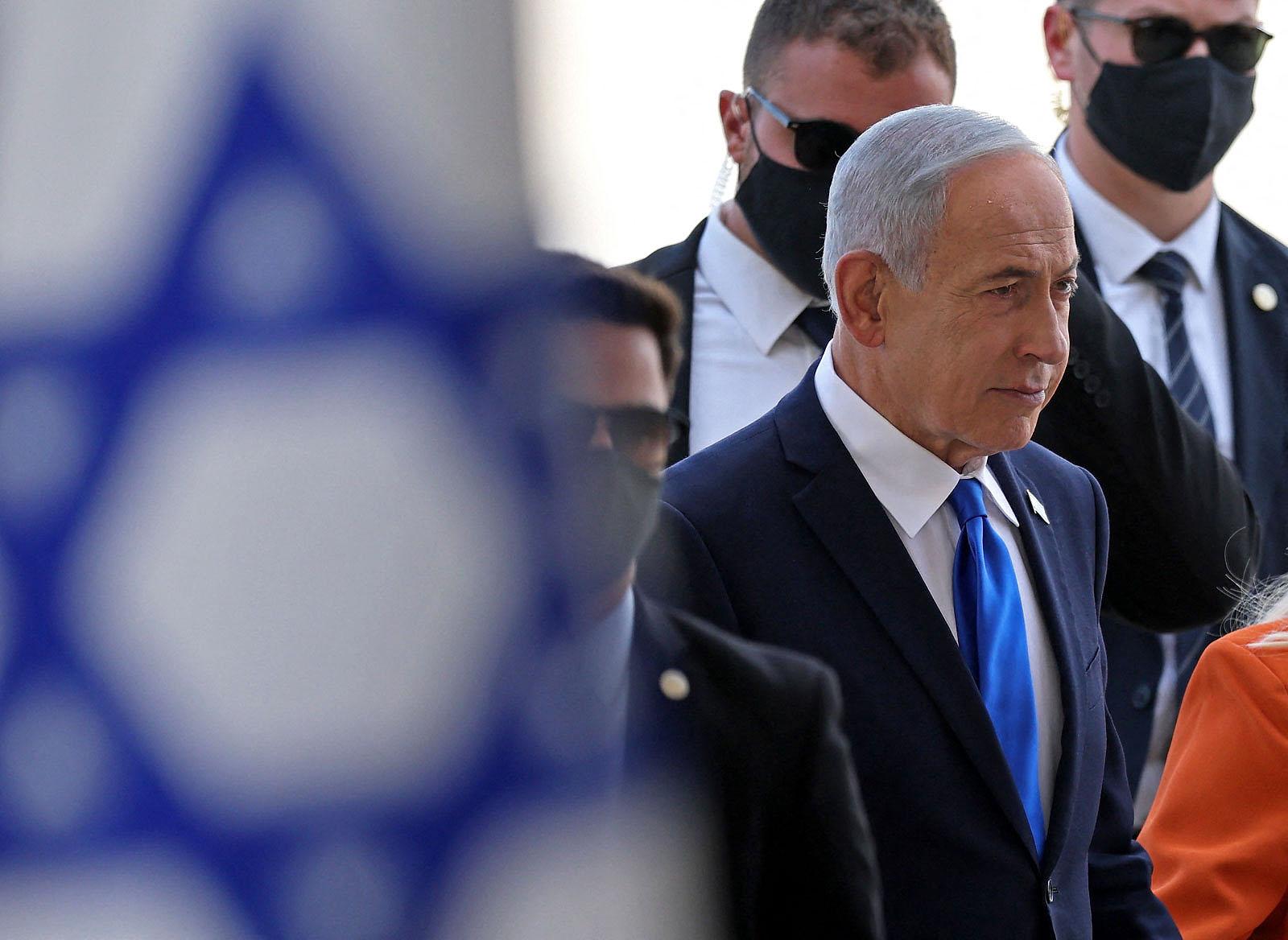
Axios also quotes Firas Maksad, managing director for Middle East and North Africa at Eurasia Group, saying, “It's difficult to say 'no' to President Trump and risk his wrath, but it is also increasingly difficult to sustain direct negotiations with Israel, let alone meeting Netanyahu at the White House, when the destruction of villages and loss of Lebanese lives continues.”
The “https | West Asian” report similarly says Washington is pursuing a diplomatic track while military operations continue, and it notes that the ceasefire began on April 17 following talks at the White House between Lebanon’s and Israel’s ambassadors.
TF1 Info adds that under the terms of the truce “Israel reserves the right to continue targeting Hezbollah to prevent 'planned, imminent, or ongoing' attacks,” and it reports that Netanyahu warned the army would remain present in a “10-kilometer-deep strip from the border during the truce.”
The Washington Examiner describes the U.S. attempt to stabilize the border through diplomatic talks in Washington and notes that even with the ceasefire, Israel and Lebanon continue to exchange attacks, including “Israel launching airstrikes against Hezbollah’s infrastructure on Monday.”
L’Orient-Le Jour’s timeline of strikes and casualties in southern Lebanon underscores the operational reality behind the diplomacy, reporting that Israeli drone strikes targeted locations including Kfartebnit (Nabatieh district) and Nabatieh al-Fauqa and that “At least two women were killed” in a strike on Jouaya, while “four other people are still believed buried.”
More on Lebanon

Hezbollah Fibre-Optic Drones Threaten Israeli Helicopter and Kill Idan Fooks in Taybeh
11 sources compared
Israeli Attacks Kill At Least 28 People In Southern Lebanon Despite U.S.-Mediated Ceasefire
39 sources compared

US Embassy Urges Joseph Aoun To Meet Benjamin Netanyahu During Lebanon Ceasefire
13 sources compared

Trump Says Lebanon-Israel Direct Talks Will Start Within Two Weeks
18 sources compared