
US Embassy Urges Joseph Aoun To Meet Benjamin Netanyahu During Lebanon Ceasefire
Key Takeaways
- US embassy in Beirut urges direct Aoun-Netanyahu meeting to advance the ceasefire.
- Direct meeting could yield concrete guarantees on sovereignty, territorial integrity, secure borders.
- Push follows a 10-day ceasefire extension and Washington-hosted talks.
US presses Aoun-Netanyahu
The United States is intensifying efforts to arrange a meeting between Lebanese President Joseph Aoun and Israeli Prime Minister Benjamin Netanyahu, with the US Embassy in Lebanon urging direct engagement during an extended ceasefire that has not halted fighting in southern Lebanon.
“The White House has confirmed the extension of the truce concluded between Israel and Hezbollah, a mechanism that remains the backbone of de-escalation at the southern Lebanese border”
In a statement carried by multiple outlets, the embassy said, “A direct meeting between President Aoun and Prime Minister Netanyahu, facilitated by President Trump, would give Lebanon the chance to secure concrete guarantees on full sovereignty, territorial integrity, secure borders, humanitarian and reconstruction support, and the complete restoration of Lebanese state authority over every inch of its territory—guaranteed by the United States.”
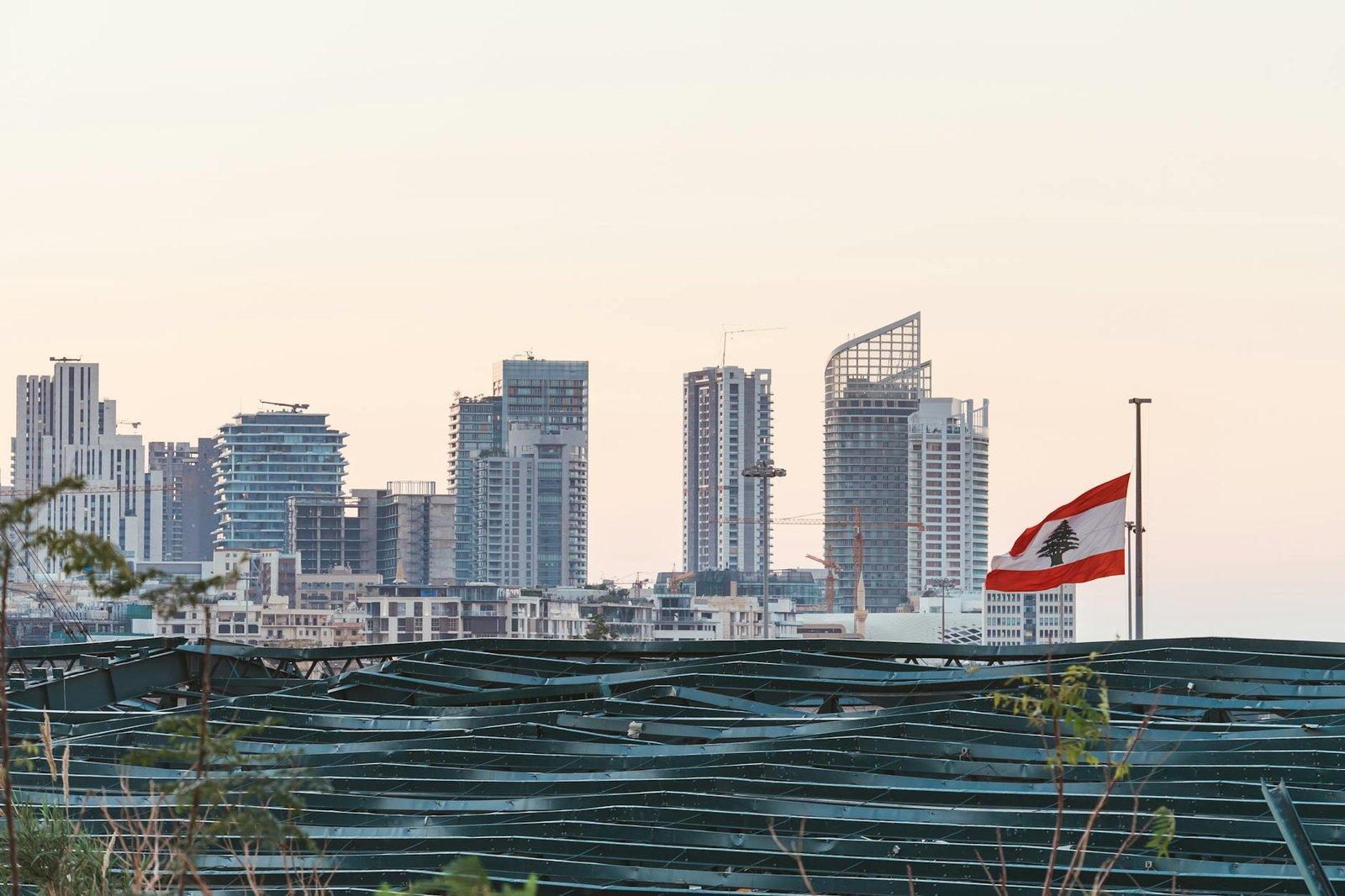
The embassy added, “Lebanon stands at a crossroads,” and said, “The time for hesitation is over.”
Reuters reported that the Trump administration has been pushing such direct engagement “for weeks,” but that Lebanese leaders remain at odds over the negotiation format and ultimate goal.
Free Malaysia Today similarly said Trump hopes to host Aoun and Netanyahu “over the next couple of weeks,” as the two countries prepare for direct negotiations.
L’Orient Today reported that Trump said direct negotiations between Lebanon and Israel would take place “within two weeks,” after Aoun said Lebanon was waiting for the United States to set a date for discussions with Israel.
The US message is being delivered while Israel continues strikes and invasion activity despite the ceasefire, with Free Malaysia Today describing Israeli forces operating inside a “Yellow Line” running “some 10 kilometres (six miles) deep inside Lebanon.”
Ceasefire timeline and violations
The push for a summit is unfolding against a ceasefire timeline that has been repeatedly extended while both sides accuse each other of violations.
Free Malaysia Today said Israeli and Lebanese representatives met twice in Washington “this month,” after Hezbollah “drew Lebanon into the Middle East war on March 2,” triggering “heavy Israeli strikes and a ground invasion.”
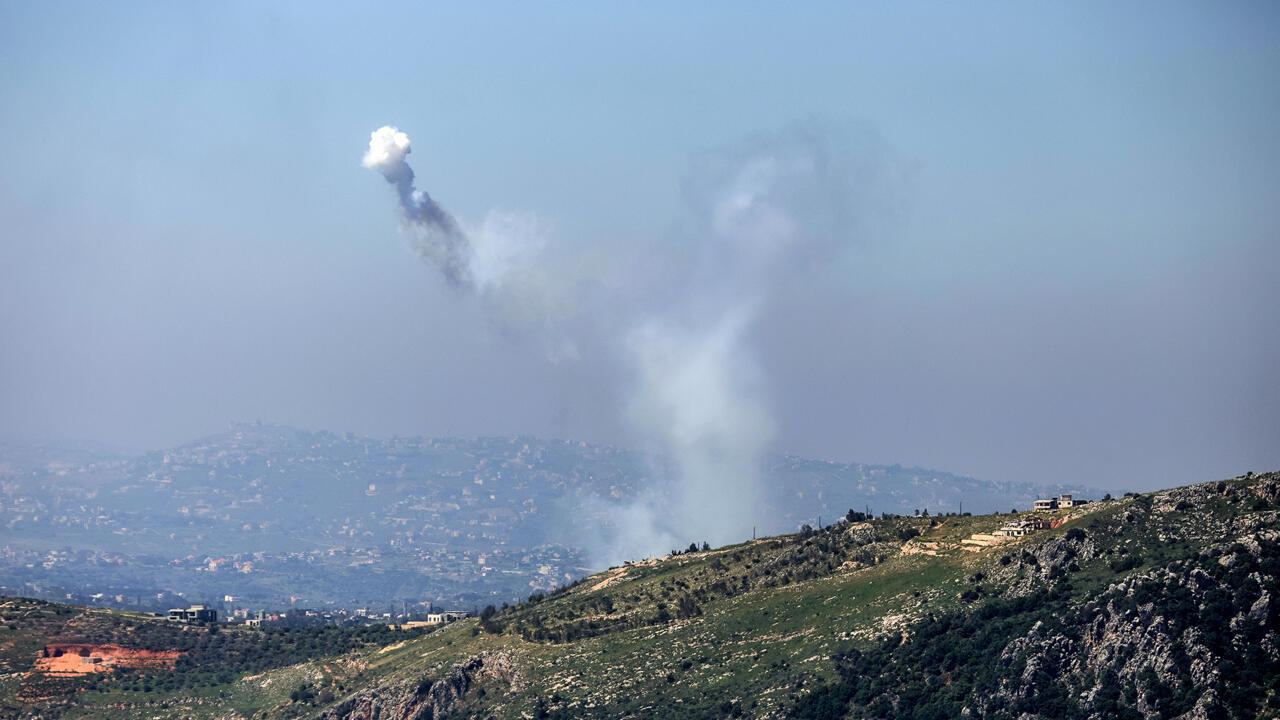
It reported that Trump announced a “10-day ceasefire in Lebanon that began on April 17,” and then a “three-week extension after the second round,” while TRT World and France 24 also described the ceasefire as beginning in early April and continuing under an administration interpretation.
Ouest-France described the ceasefire negotiated between Lebanon and Israel as beginning “this Friday, April 17, at midnight, Beirut time,” and said the Lebanese army immediately reported “a number of violations of the accord, several Israeli aggression acts having been recorded, not to mention the sporadic bombings that hit several villages.”
France 24’s AFP update said Israeli strikes on three south Lebanon villages killed nine people, including “two children and five women,” according to Lebanon’s health ministry, and it also quoted Aoun condemning “continuing Israeli violations” occurring “despite the ceasefire.”
Free Malaysia Today reported that Lebanon’s health ministry said Israeli strikes in the south killed “17 people on Thursday, including five women and two children,” while the army said another strike killed “one of its soldiers.”
The same outlet said Israeli forces were operating inside a “Yellow Line” “some 10 kilometres (six miles) deep inside Lebanon,” and it described Hezbollah claiming “10 attacks on Israeli army targets in south Lebanon.”
Lebanon’s internal rift
Lebanon’s leaders are divided over whether to accept direct talks, and that disagreement is shaping the prospects for a face-to-face meeting.
“Israeli and Lebanese representatives this month have met twice in Washington — the first such meetings in decades — after Iran-backed Hezbollah group drew Lebanon into the Middle East war on March 2, sparking heavy Israeli strikes and a ground invasion”
Reuters reported that Lebanese leaders “remain at odds over the negotiation format and ultimate goal,” with Aoun facing “significant domestic pressure back home, including threats from Hezbollah,” and with it being “unclear whether he would be willing to meet Netanyahu while Israeli forces continue to occupy a buffer zone in southern Lebanon.”
Reuters also said Speaker of Parliament Nabih Berri, a Hezbollah ally, is opposed to direct talks, and that Berri believes Lebanon should seek a “non-aggression pact with Israel but not a full peace deal.”
Free Malaysia Today echoed the rift, saying the planned negotiations “have caused a rift in Lebanon,” with Hezbollah rejecting direct negotiations and Beirut’s previous commitment to disarm it.
It also quoted Aoun on Wednesday, saying Israel “must first fully implement the ceasefire in order to move on to negotiations… Israeli attacks cannot continue as they are.”
The same outlet reported that Parliament speaker Nabih Berri called Aoun’s remarks “inaccurate, to say the least, and this also applies to the November 2024 agreement.”
Israelhayom described the dispute as disagreement within Lebanese leadership between President Joseph Aoun and Prime Minister Nawaf Salam on one side and Parliament Speaker Nabih Berri on the other, saying “this dispute has so far prevented the unification of their positions.”
Saudi mediation and pressure
Saudi Arabia is attempting to mediate Lebanon’s internal positions as Washington pushes for a summit, according to Reuters and other reporting.
Reuters said the “growing rift among top Lebanese officials has thrown a wrench into Saudi efforts” to help Lebanon’s leaders “forge a united position over the negotiations with Israel,” citing Lebanese sources and foreign officials.
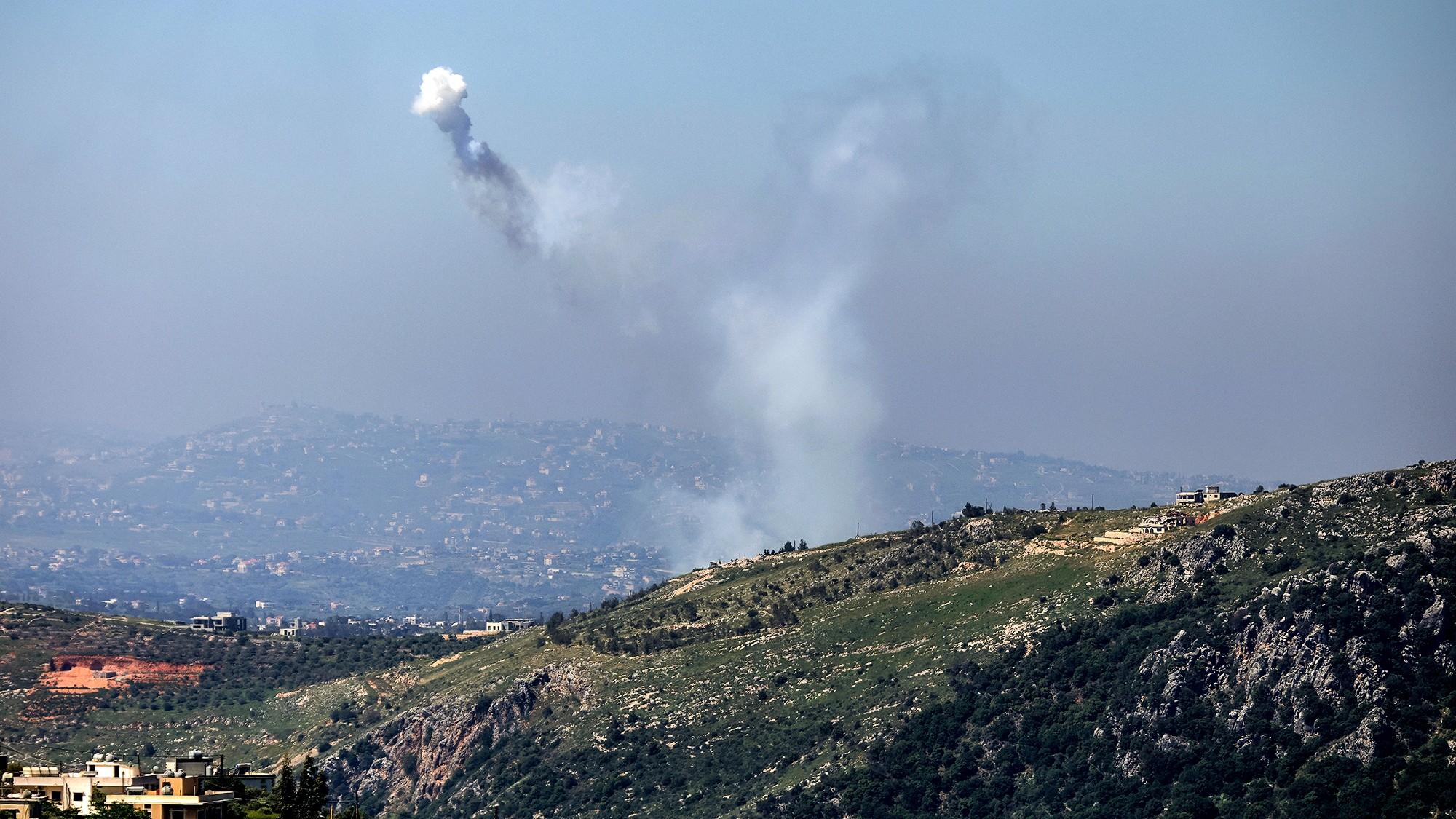
It reported that “Last week, Saudi envoy to Lebanon Prince Yazid bin Farhan visited Beirut” to encourage Aoun, Berri and Lebanese Prime Minister Nawaf Salam to set out a single position and to signal unity through a tripartite meeting.
Reuters said plans for that meeting were derailed by rising tensions after Berri publicly accused Aoun of making statements about negotiations that were “inaccurate, to say the least.”
Reuters also reported that Saudi intervention was driven by the risk of instability, “as well as its concern that Lebanon was moving towards peace with Israel too swiftly,” according to a Gulf source with knowledge of the matter, “the two senior Lebanese political sources and the Western official.”
L’Orient Today described the American approach as “messages that mix incentives and threats to give the green light to a war that would no longer spare the Lebanese state,” and it said Beirut wants a negotiation process rather than a face-to-face.
In parallel, the US embassy’s messaging emphasized that direct engagement would “mark the beginning of a national revival,” while also saying “The time for hesitation is over,” reinforcing the pressure on Lebanese decision-makers.
Humanitarian stakes and next steps
The stakes for Lebanon are being framed in humanitarian and sovereignty terms, with the US embassy linking a potential Aoun-Netanyahu meeting to “humanitarian and reconstruction support” and the “complete restoration of Lebanese state authority over every inch of its territory.”
“Politics - Beirut under pressure: the risky bet of a face-to-face between Aoun and Netanyahu”
The embassy’s message also stresses that the “extended cessation of hostilities, achieved at the personal request of President Trump,” has given Lebanon “the space and the opportunity to put all of its legitimate demands on the table with the full attention of the United States government.”

Multiple outlets describe continuing harm despite the ceasefire, including deaths from Israeli strikes and ongoing destruction of homes and places of worship.
Free Malaysia Today reported that Aoun slammed “continuing Israeli violations” in the country’s south, saying they were occurring “despite the ceasefire, as do demolitions of homes and places of worship, while the number of killed and wounded rises,” and it said three civil defence personnel killed by Israel were buried on the day of his remarks.
France 24’s AFP update similarly said Aoun condemned “continuing Israeli violations” in south Lebanon, occurring “despite the ceasefire, as do demolitions of homes and places of worship, while the number of killed and wounded rises day after day.”
L’Orient Today added that Lebanon’s conditions for talks included “the release of prisoners held by Israel” and “the complete demarcation of land and maritime borders,” while also noting that Trump pressed for a meeting after two preparatory sessions in Washington.
Meanwhile, L’Orient Today reported that since the start of the conflict, “more than 2,500 people have been killed in Lebanon” and “more than a million displaced people” have fled areas bombed or targeted by Israeli evacuation orders, and it cited a study warning that “about 1.2 million people in Lebanon are at risk of acute food insecurity due to the war.”
More on Lebanon
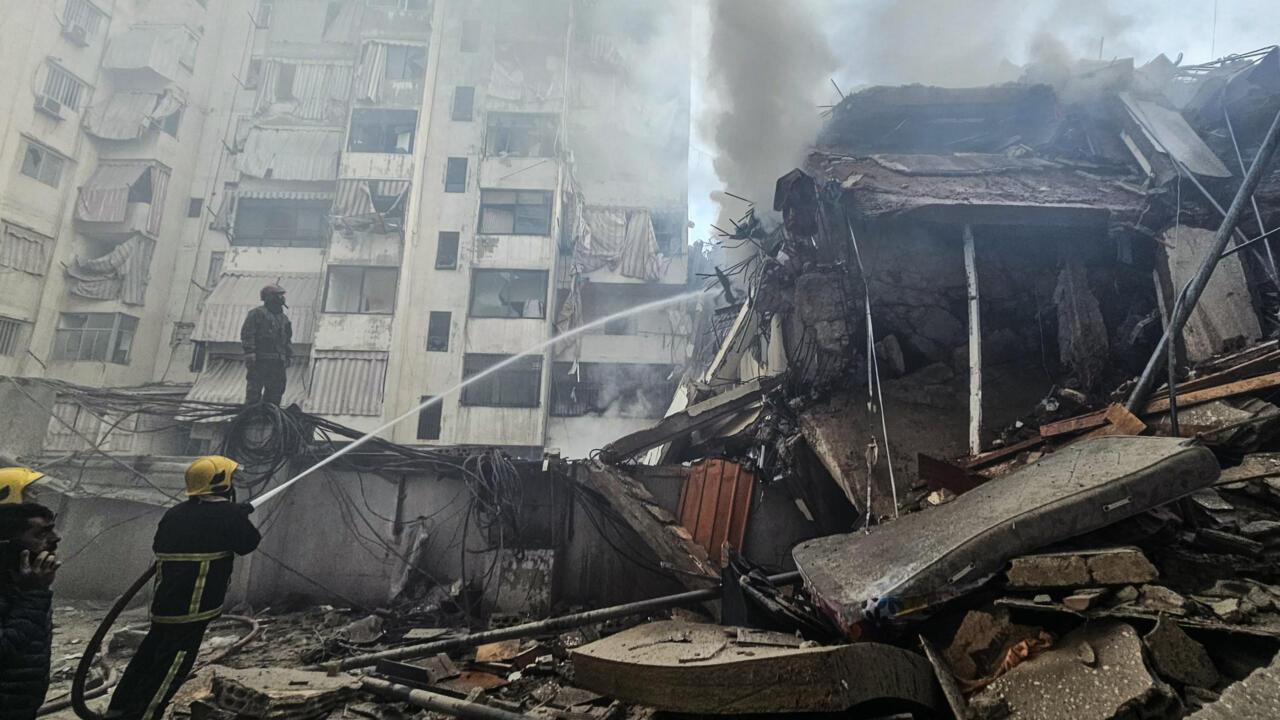
Israeli Attacks Kill At Least 28 In Southern Lebanon Despite U.S.-Mediated Ceasefire
25 sources compared

Trump Says Lebanon-Israel Direct Talks Will Start Within Two Weeks
18 sources compared
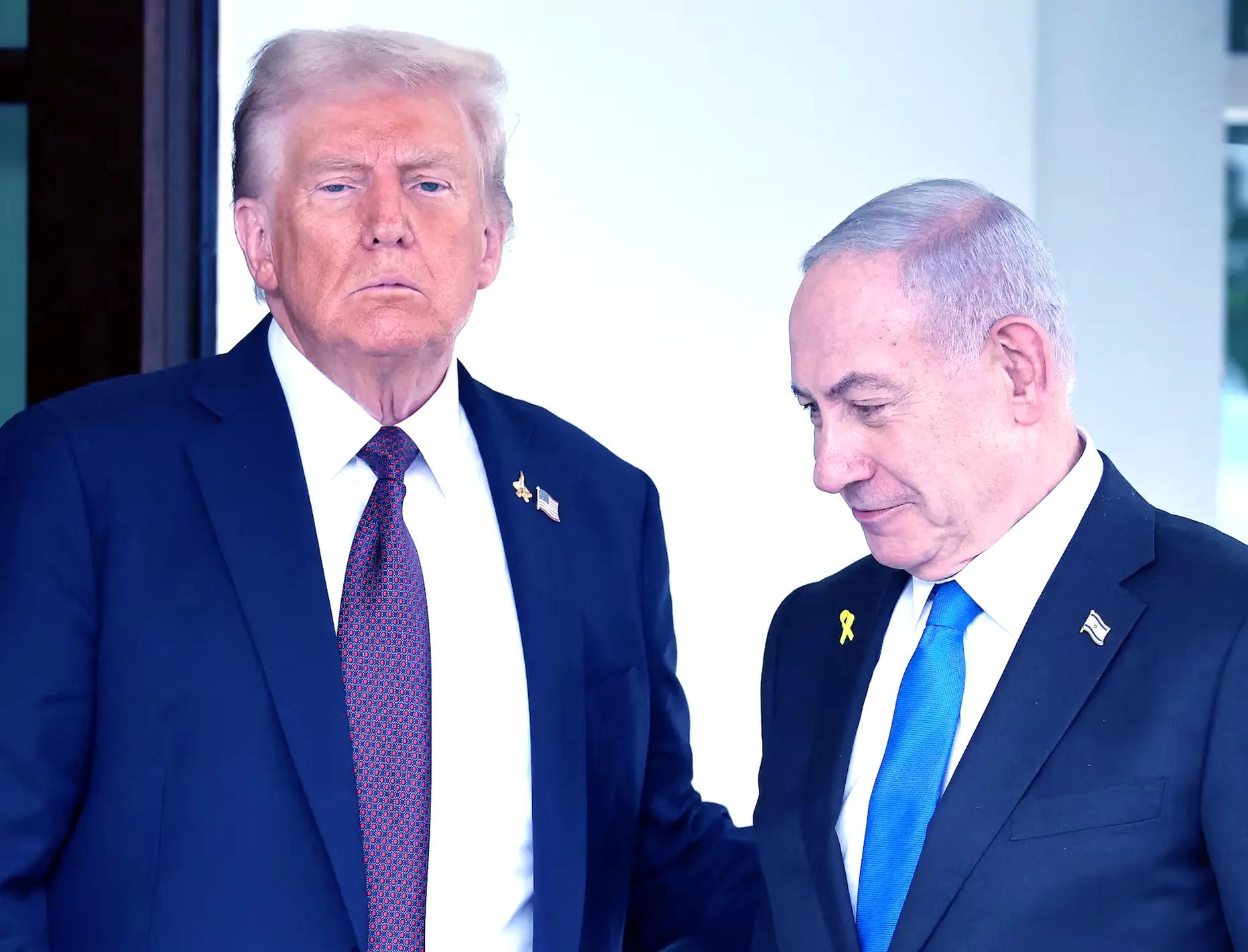
Trump Urges Netanyahu To Limit Lebanon Strikes To Surgical Actions As Ceasefire Falters
14 sources compared

Hezbollah Targets Two Merkava Tanks Near Al-Qantara After Missile Attack From Lebanon
20 sources compared