Israeli Attacks Kill At Least 28 In Southern Lebanon Despite U.S.-Mediated Ceasefire
Key Takeaways
- Deadly Israeli strikes hit southern Lebanon despite a US-mediated ceasefire.
- Civilians, including children, were among those killed in the attacks.
- Casualty toll reports vary, with figures from eight to twenty-eight.
Ceasefire, then more strikes
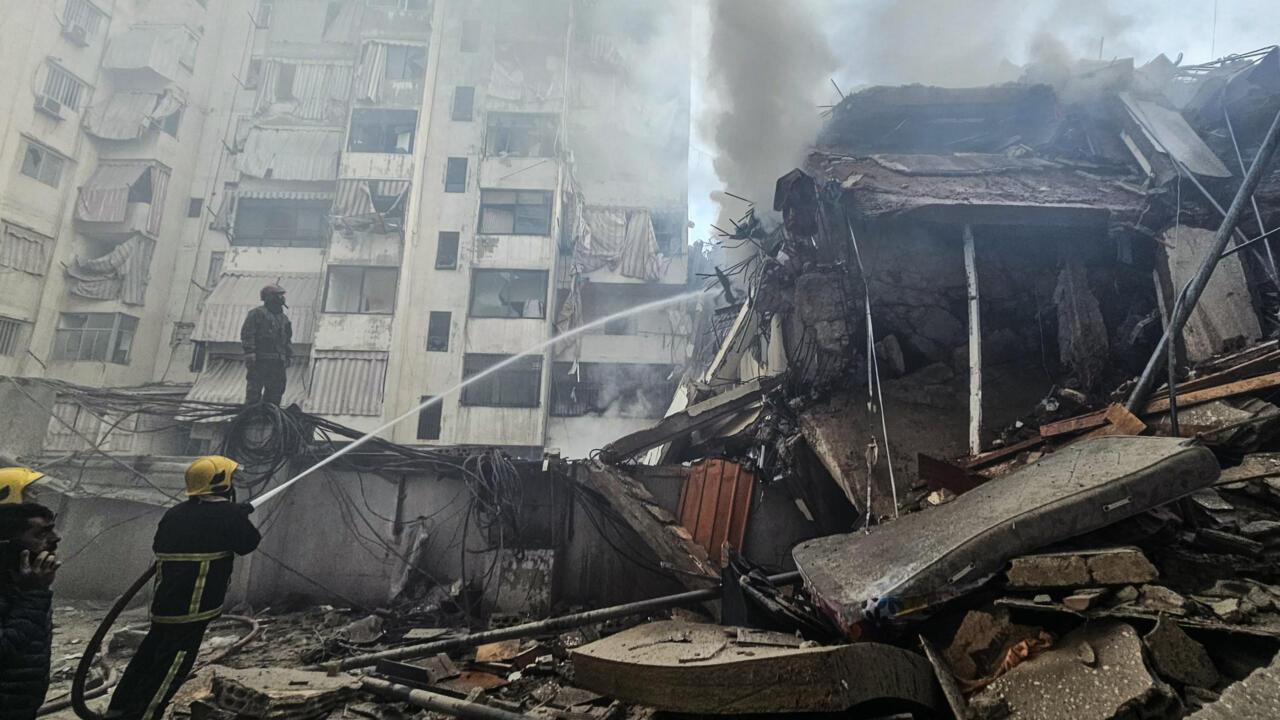
Israeli attacks on southern Lebanon killed at least 28 people despite a temporary United States-mediated “ceasefire,” Al Jazeera reported, citing the country’s National News Agency (NNA).
“Israeli attacks on southern Lebanon have killed at least 28 people, according to the country’s National News Agency (NNA), despite a temporary United States-mediated “ceasefire””
In the municipality of Jebchit, Al Jazeera said four people were killed and nine others wounded in an attack that destroyed a residential building.

A separate attack in Toul killed four members of one family, including a child, Al Jazeera added, and it said in Toul “four people were killed and six wounded.”
Al Jazeera also reported that later on Thursday another Israeli attack hit a home in Toul, killing one person and injuring two others, and that in Harouf two people were killed as an attack destroyed a house.
In the town of Qana, Al Jazeera said two people were killed in an Israeli air raid, while in Zebdine an Israeli drone attack killed six people near the town’s cemetery.
The same Al Jazeera report said the Lebanese Army confirmed the deaths of a Lebanese soldier and several members of his family in an Israeli air raid targeting their home in Kfar Rumman in the Nabatieh district.
It also said Israel’s military reported that one of its soldiers from the Golani Brigade was killed in southern Lebanon, and that the Times of Israel, citing the Israeli military, said the soldier was killed when Hezbollah launched several explosive-laden rockets at Israeli troop positions in the village of Qantara.
Evacuation orders and blame
As the ceasefire took effect on April 17, multiple outlets described continued strikes and evacuation warnings across southern Lebanon, with each side pointing to violations by the other.
Al Jazeera said the attacks came “amid a temporary US-mediated ‘ceasefire’ deal agreed between Israel and Lebanon that took effect on April 17,” and it quoted Lebanese President Joseph Aoun denouncing “continuing Israeli violations” in southern Lebanon “despite the ceasefire.”

In the same report, Aoun said the violations were occurring “despite the ceasefire, as do demolitions of homes and places of worship, while the number of killed and wounded rises day after day”.
Al Jazeera also reported that Parliament Speaker Nabih Berri called for “the swift formation of an international fact-finding committee on the crimes of the Israeli occupation.”
Euronews, meanwhile, said Israeli strikes on Tuesday killed eight people including three rescue workers in Lebanon’s south, and it cited Lebanon’s health ministry saying the “three paramedics from the Lebanese civil defence” were “trapped under the rubble after a strike that targeted them while they were carrying out a rescue mission.”
Euronews added that Lebanon’s army reported two troops were wounded “as a result of a hostile Israeli targeting of an army patrol,” and it described the statement as the first time the Lebanese army had said its troops had been targeted since the truce began.
BBC reported that on Thursday Israel issued evacuation warnings for 15 villages in southern Lebanon, and it said many of the villages were outside what Israel designated as the “Yellow Line,” a strip of territory extending roughly 10km from the border.
Rescue workers and civilians
The reporting across outlets emphasized the impact on civilians and rescue personnel, while also describing how the fighting continued in parallel with ceasefire diplomacy.
“Subscribe to our newsletter to receive the most important and top news of the day”
Euronews said Lebanon’s health ministry reported that Israeli strikes on Tuesday killed eight people, including three rescue workers, and it quoted the ministry’s preliminary toll for Majdal Zoun as “killed five martyrs.”
It added that the ministry said those included “three paramedics from the Lebanese civil defence who were trapped under the rubble after a strike that targeted them while they were carrying out a rescue mission.”
BBC described a separate Thursday strike pattern, saying “At least nine people, including two children, were killed in Israeli strikes in southern Lebanon on Thursday,” and it said the strikes also wounded 23 people including eight children and seven women.
BBC also reported that Hezbollah said it carried out attacks on Israeli forces in the south, including a drone strike targeting soldiers in the Bint Jbeil district.
Al Jazeera, in its detailed tally, described multiple municipalities hit by air raids and drone attacks, including Jebchit, Toul, Qana, Harouf, and Zebdine, and it said the Lebanese Army confirmed deaths in Kfar Rumman.
In the same Al Jazeera report, it said the Israeli army issued forced displacement threats for 15 southern Lebanese towns and villages, listing Jebchit, Toul, al-Samanieh, Sahel al-Hnieh, Qlailah, Wadi Jilo, al-Kanisa, Kafr Jouz, Majdal Zoun, and Seddiqine.
Political divisions and negotiations
Beyond the battlefield, BBC described political divisions in Beirut over what should come next after the ceasefire, and it tied those divisions to the question of direct talks.
BBC said the fragile truce has “exposed political divisions in Beirut over what comes next,” and it reported that President Joseph Aoun “has backed direct, face-to-face talks and said the ceasefire should evolve into a more ‘permanent agreement’.”

It contrasted that with Parliament Speaker Nabih Berri, “an ally of Hezbollah,” who BBC said “has taken a sharply different stance, opposing direct talks and warning they carry risks.”
BBC also said the violence came as Israel pressed ahead with military operations in Lebanon despite the ceasefire announced on 16 April, after direct talks between Lebanese and Israeli ambassadors in Washington.
Al Jazeera similarly described Aoun’s diplomatic posture, saying “Lebanon’s President Aoun has asked the US for a date for negotiations to restart but has also said that Israel must fully implement the ceasefire.”
Al Jazeera’s correspondent Malcolm Webb, reporting from Beirut, said “The Lebanese government, Israel and the US have sought to distance the talks from the US talks with Iran,” and he added that “with the fighting continuing to escalate, it seems the only thing that would slow it down is further pressure from Trump on Israel to stop.”
Euronews also referenced the ceasefire’s fragility and the dispute over violations, noting that “both sides trade blame over violations of the truce.”
Humanitarian law and wider war
Several reports framed the strikes as raising legal and humanitarian concerns while also placing the Lebanon fighting inside a broader regional conflict.
Al Jazeera said Israeli attacks since March 2 have killed at least 2,586 people in Lebanon, with 8,020 wounded, citing the Lebanese Ministry of Public Health.
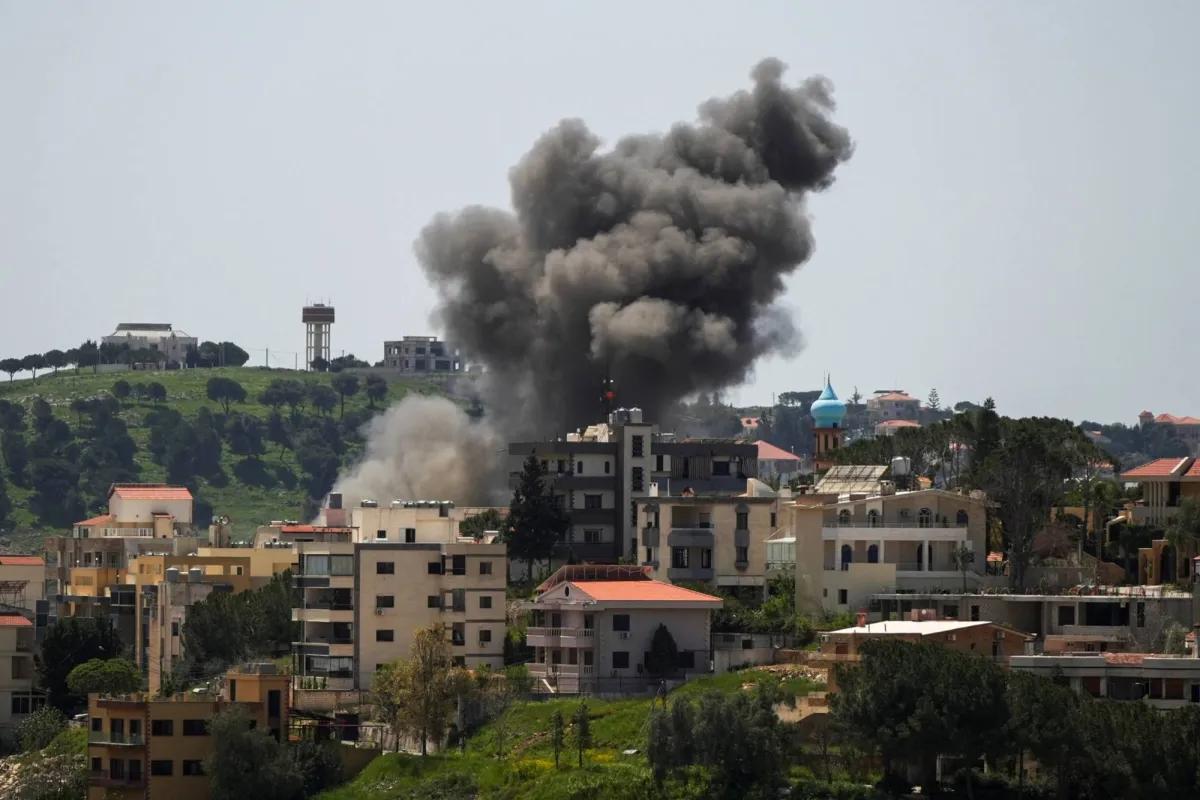
Euronews reported that Lebanon’s health ministry raised the death toll of the Israel-Hezbollah war to 2,534 on Tuesday, adding that 7,863 have been wounded since the war broke out, and it said the war has displaced more than 1 million people and caused destruction worth billions of dollars.
BBC said since the latest conflict started on 2 March, “more than 2,500 people have been killed in Lebanon,” including 103 health professionals, and it said the number includes at least 270 women and more than 170 children.
Mont Carlo International’s report said the UN Human Rights Office warned on Tuesday about the consequences of Israeli airstrikes on residential areas in Lebanon, saying they raise concerns under international law, and it quoted the UN spokesperson Thamin Al-Khitan at a Geneva press conference.
The same Mont Carlo International report said Lebanon’s health ministry announced that as of the end of Monday, March 16, Israeli airstrikes had killed 886 people including 67 women and 111 children, and injured at least 2,141 others, while authorities recorded more than a million displaced.
France 24 described the experience of residents in Beirut, saying repeated Israeli strikes “without warning” surprised people in the middle of the night and early morning, and it reported that the bombardments “have killed at least 12 people and wounded 41.”
More on Lebanon

US Embassy Urges Joseph Aoun To Meet Benjamin Netanyahu During Lebanon Ceasefire
13 sources compared

Trump Says Lebanon-Israel Direct Talks Will Start Within Two Weeks
18 sources compared
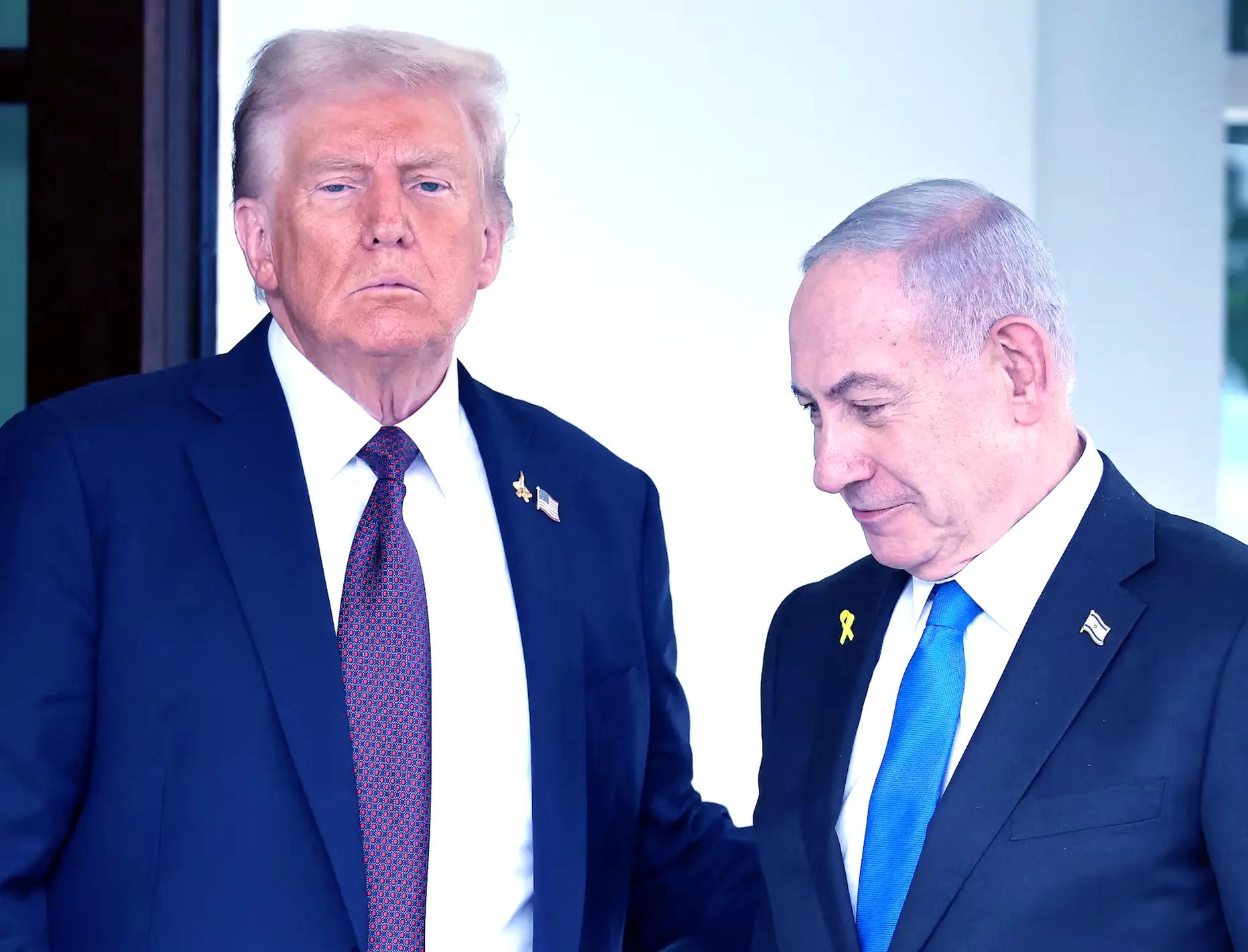
Trump Urges Netanyahu To Limit Lebanon Strikes To Surgical Actions As Ceasefire Falters
14 sources compared

Hezbollah Targets Two Merkava Tanks Near Al-Qantara After Missile Attack From Lebanon
20 sources compared