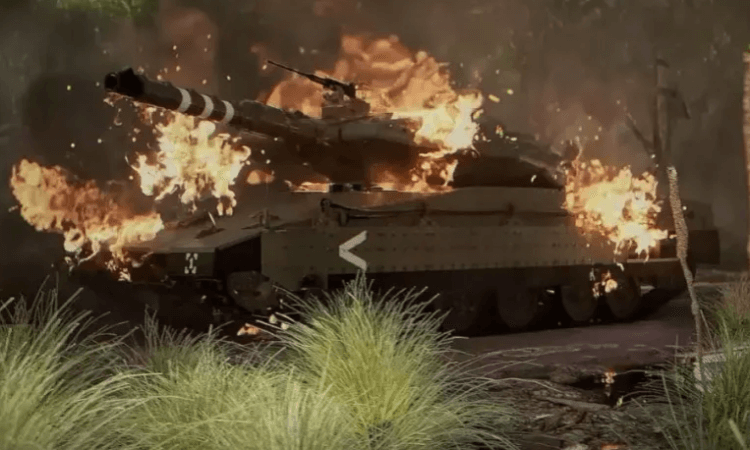
Hezbollah Targets Two Merkava Tanks Near Al-Qantara After Missile Attack From Lebanon
Key Takeaways
- Two Merkava tanks near Qantara were hit.
- Attack used loitering gliders/drones, per Hezbollah outlets.
- Missiles from southern Lebanon preceded the strike, triggering Galilee sirens.
Missiles, sirens, and tanks
Sirens sounded in Baram and other districts in the Galilee after a missile attack from Lebanon, with Mehr News Agency citing Israeli media that “two missiles were fired from southern Lebanon” by the Israeli Channel 12.
The same Mehr News Agency report said Israeli sources reported that “a missile was fired from southern Lebanon towards the Galilee region in northern occupied Palestine.”
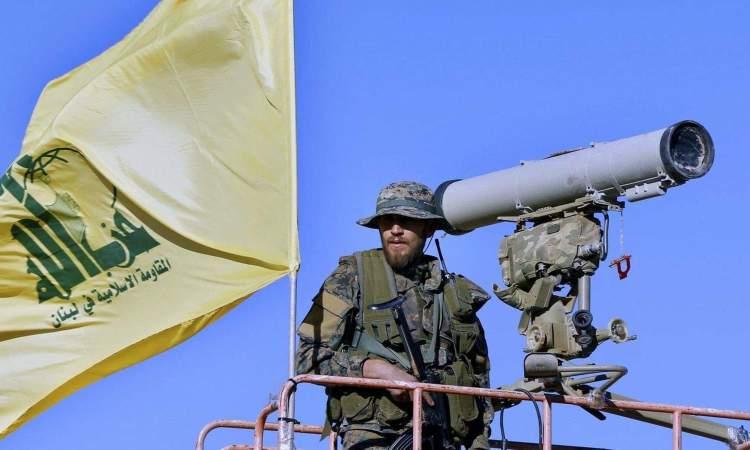
Hezbollah in Lebanon also announced it had “directly targeted two Israeli army Merkava tanks in the town of Al-Qantara in southern Lebanon yesterday using two drones,” and it emphasized it had targeted “a gathering of Israeli occupying soldiers in the town of Al-Qantara yesterday with missiles.”
In parallel, the Lebanese Army Command announced “the martyrdom of a soldier and his brother following the Israeli attack on the town of Kherbet Salam in Bint Jbeil,” describing that the soldier and his brother were “on their way to their home in the town of Al-Sawanah on a motorcycle.”
The Mehr News Agency account framed the situation as continuing despite “the extension of the ceasefire between Lebanon and the Zionist regime and the ongoing negotiations between them,” saying “the regime continues its attacks on Lebanon.”
Together, the reports place the immediate trigger in southern Lebanon and the immediate fallout in the Galilee, while also tying the day’s narrative to Hezbollah’s anti-tank claims and the Lebanese Army Command’s casualty announcement.
Ceasefire violations and escalation
Multiple reports tied the fighting to claimed ceasefire violations and to a pattern of escalation since early March.
Pars Today, citing IRNA, said Hezbollah targeted an Israeli Merkava tank and “a military bulldozer belonging to the Zionist regime” in response to “the enemy’s violations of the ceasefire and its aggressions against villages and the destruction of homes in southern Lebanon.”
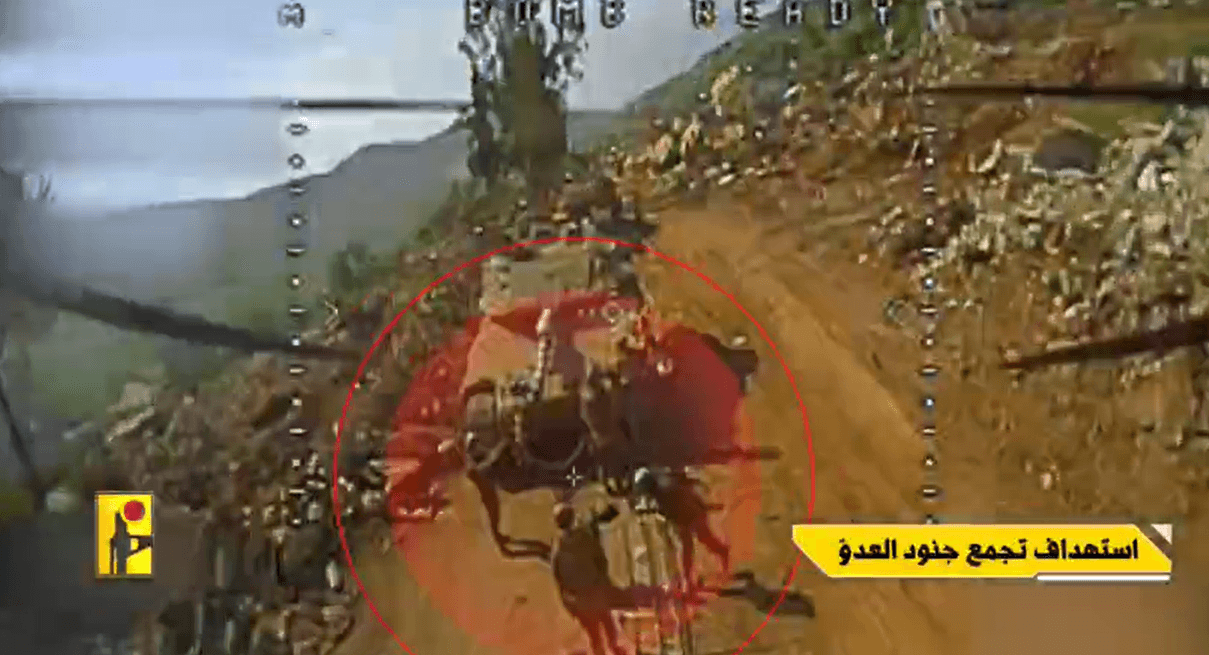
In that account, Hezbollah said its fighters targeted “a Merkava tank in the town of al-Qantara with an attack drone” and also targeted “a D9 military bulldozer while it was demolishing houses in the town of Bint Jbeil,” using “an attack quadcopter.”
The Pars Today report added that Maariv wrote that “as a result of Hezbollah’s drone attack, the Israeli regime’s army lost one soldier in southern Lebanon and six others were wounded,” and it further said Maariv added that Hezbollah used “fiber‑optic cable to guide this drone.”
The ٢٦ سبتمبر نت report placed the day’s ambush in a broader ground-fighting context, saying it came “in the context of escalating ground fighting along the Lebanese border with the occupied Palestinian territories” and that the resistance relied on “ambush tactics and guided missiles” to “thwart the advance of the Israeli army.”
Across these accounts, the ceasefire is referenced not as a halt to attacks but as a backdrop against which Hezbollah and the Islamic Resistance framed their actions as defensive and retaliatory.
Statements from Hezbollah and resistance
Hezbollah and the Islamic Resistance framed the attacks in highly specific operational terms, describing drones, loitering gliders, guided missiles, and named axes and locations.
Pars Today said Hezbollah issued separate statements confirming that “its fighters had targeted an Israeli Merkava tank and a military bulldozer,” and it quoted Hezbollah’s claim that “Islamic Resistance fighters on Monday targeted a Merkava tank in the town of al-Qantara with an attack drone, which struck the target successfully.”
It also reported a second statement that “Today, the fighters of the Islamic Resistance targeted a D9 military bulldozer while it was demolishing houses in the town of Bint Jbeil, using an attack quadcopter, which directly hit the target.”
In a different formulation, the Mehr News Agency report quoted Hezbollah saying “Islamic Resistance fighters targeted two Merkava tanks in the town of Qantara with two loitering gliders and achieved a confirmed hit, a Hezbollah statement said on Wednesday.”
The channel Al-Manar TV Lebanon presented a similar claim in its headline text, stating that “Islamic Resistance fighters targeted two Merkava tanks near the town square of Qantara with two loitering gliders and achieved a confirmed hit.”
The ٢٦ سبتمبر نت report described an ambush on the “Tayyiba–Al-Qantara axis” and specified that the Seventh Brigade, affiliated with the 36th Division, began reconnaissance “between al-Mahisabat and the town of al-Qantara,” after which “the mujahideen spotted it and allowed the forces to be drawn into a well-planned ambush.”
Competing tallies and timelines
The sources diverge on both the scale of claimed destruction and the framing of the sequence of events, even when they refer to overlapping locations such as Qantara and Bint Jbeil.
The ٢٦ سبتمبر نت report asserted that the ambush “resulted in the destruction of 10 Merkava tanks and two D9 military bulldozers,” and it said the operation thwarted a ground attempt to seize the area.
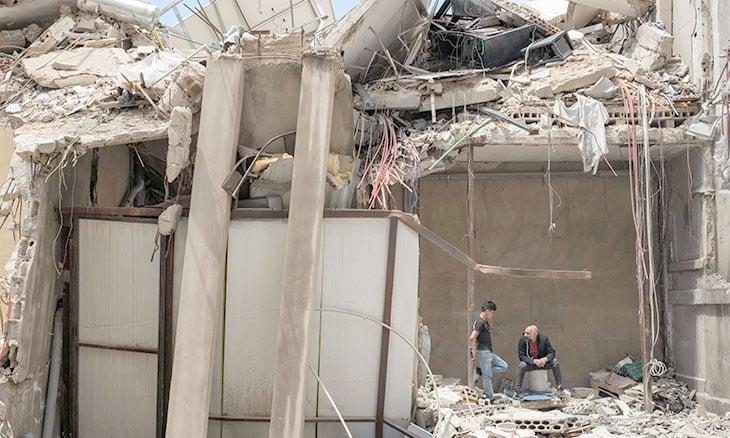
By contrast, the وكالات سبأ report said the Islamic Resistance targeted “three Israeli Merkava tanks in the towns of Qantara and Beit Lif,” adding that fighters struck “two tanks near Qantara and another near Beit Lif using assault drones.”
Al-Manar TV Lebanon’s headline text emphasized “two Merkava tanks” near the town square of Qantara with “two loitering gliders,” while Pars Today focused on a Merkava tank and a D9 bulldozer with an attack drone and an attack quadcopter.
The Al-Manar and Mehr News Agency accounts also emphasize “yesterday” in relation to the two Merkava tanks in Al-Qantara, while the ٢٦ سبتمبر نت and قناة نبأ الفضائية accounts provide precise clock times and a multi-phase engagement.
قناة نبأ الفضائية described a “tightly planned ambush” on the “Taybeh–al-Qantara axis,” saying that resistance observed Tuesday evening the movement of a remotely controlled bulldozer and that “At 18:50 on Wednesday” an Israeli armored platoon advanced toward al-Qantara.
Broader claims, Tel Aviv shelling, and next moves
Beyond southern Lebanon’s tank and bulldozer claims, one report described Hezbollah shelling Israeli military sites in central Tel Aviv and detailed a sequence of actions with specific times.
“Thursday, 30/04/2026 ArEnFrEs [](http://almanar”
الالرسالة نت said the Islamic Resistance in Lebanon announced statements claiming to have targeted “the Israeli Ministry of War headquarters (the Kirya) in central Tel Aviv” at “01:10 a.m. on Thursday, 26-03-2026,” and it also claimed targeting “the Dolphin Barracks belonging to the Military Intelligence Directorate north of Tel Aviv” with “a number of high-precision missiles.”
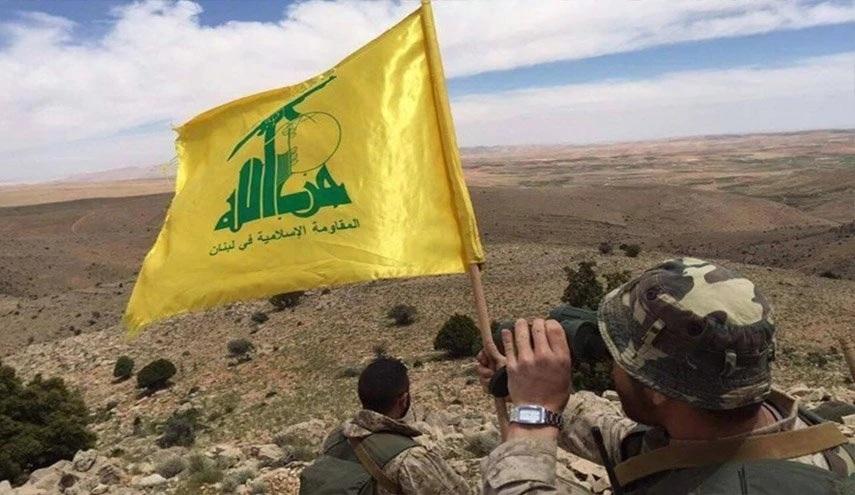
The same report said that at “01:50 a.m.” fighters targeted “a Merkava tank near Birket Deir Srian spring with a direct hit,” and it continued with a series of clashes and guided-missile claims on the roads and around Qantara.
It further claimed that during an attempt by an enemy helicopter to evacuate injuries, the helicopter was hit by an air defense missile and “forced to retreat.”
In parallel, the earlier Mehr News Agency account described Hezbollah’s targeting of Merkava tanks and a gathering in Al-Qantara, while also reporting the Lebanese Army Command’s announcement of “the martyrdom of a soldier and his brother” after an Israeli attack on Kherbet Salam in Bint Jbeil.
With ceasefire negotiations referenced in the Mehr News Agency report and with the resistance describing ongoing “military actions” in the Saba report, the stakes in the sources are framed as continued operational pressure and continued claims of strikes across multiple fronts.
More on Lebanon

Hezbollah Lawmaker Ibrahim Al-Moussawi Says Joseph Aoun Remarks Would Be a Catastrophe
12 sources compared

Trump Urges Netanyahu To Limit Lebanon Strikes To Surgical Actions As Ceasefire Falters
14 sources compared

Lebanon Detains Ashraf Dabbour At Beirut’s Rafik Hariri International Airport On Corruption Charges
11 sources compared
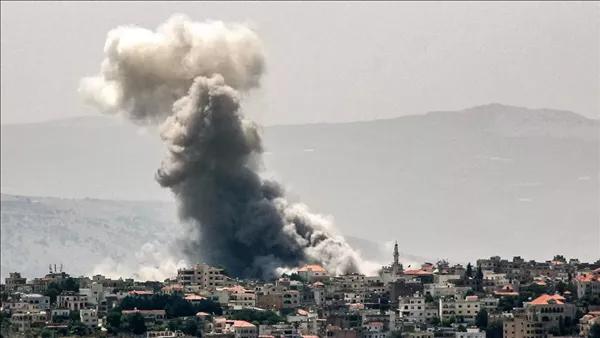
Israel Defense Forces Order Evacuation of 16 Towns in Southern Lebanon Toward Sidon
13 sources compared