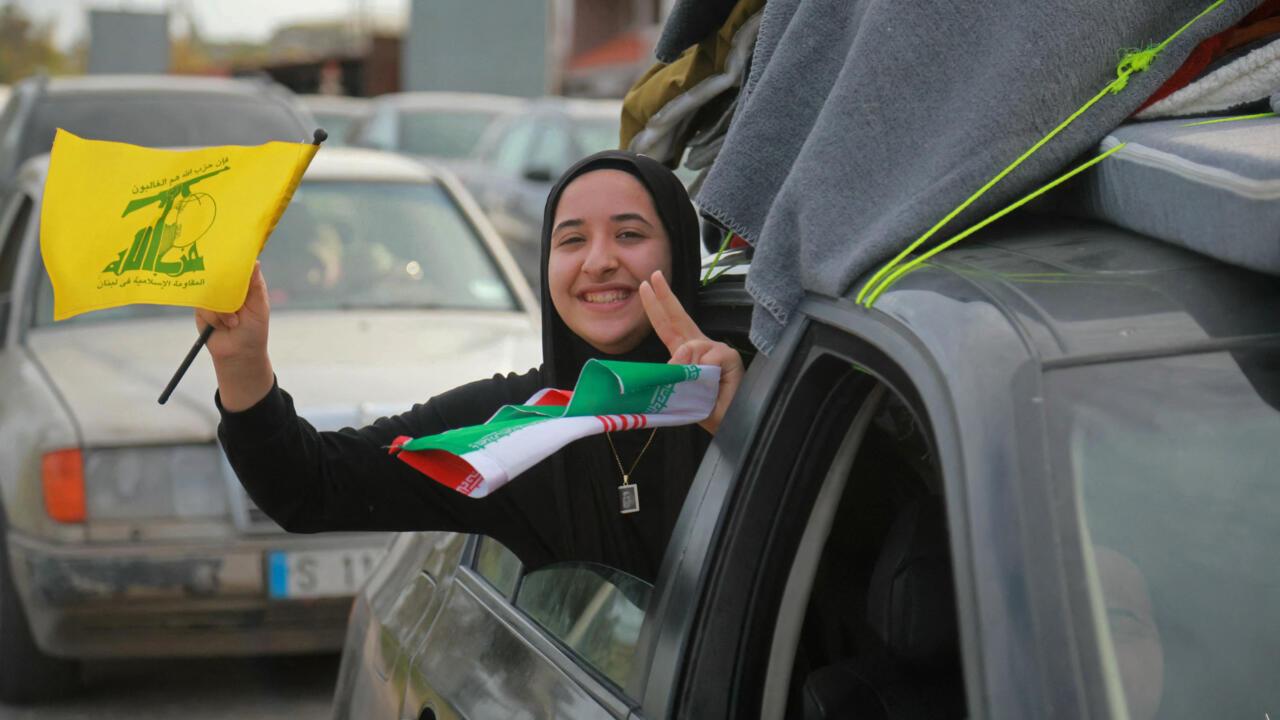
Hezbollah Lawmaker Ibrahim Al-Moussawi Says Joseph Aoun Remarks Would Be a Catastrophe
Key Takeaways
- Trump announced ten-day ceasefire between Israel and Lebanon starting April 16.
- Aoun frames ceasefire as entry point for negotiations with Israel.
- Hezbollah rejects negotiating with Israel under current conditions.
Aoun, ceasefire, and Hezbollah
Hezbollah’s loyalty bloc rejected comments by Lebanese President Joseph Aoun that suggested the November 2024 ceasefire agreement gave Israel freedom to attack Lebanon, calling the remarks “a severe confusion” requiring immediate correction.
“Loyalty to the Resistance Bloc MP Ibrahim Al-Moussawi on Wednesday rejected comments by President Joseph Aoun suggesting the November 2024 ceasefire agreement gave Israel freedom to attack Lebanon, calling it a “severe confusion” requiring immediate correction”
In a statement carried by Al-Manar TV Lebanon, Loyalty to the Resistance Bloc MP Ibrahim Al-Moussawi said the Nov. 27, 2024 ceasefire deal “did not grant the enemy any privileges or a free hand to attack Lebanon” and instead affirmed Lebanon’s right to self-defense under international law.
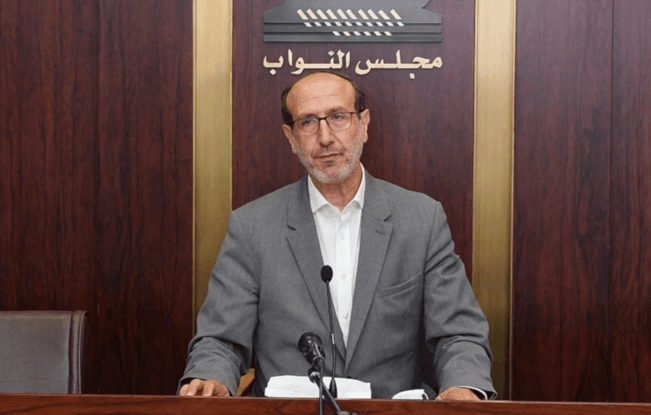
Al-Moussawi also described the US State Department statement as a “dangerous precedent,” saying it gives Israel the right to strike Lebanon, and demanded a “clear public Lebanese rejection.”
He warned that ‘Israel’ could use Aoun’s comments to justify “daily killings and massive destruction,” portraying them as agreed upon with Lebanon.
Al-Moussawi urged “a clear and explicit position to refute the enemy’s claims,” adding that “Internal statements are not enough.”
He further called for diplomatic mobilization at the UN Security Council over the “systematic destruction of villages,” criticizing the Lebanese Foreign Ministry as negligent, while concluding: “We hope the President’s remarks resulted from unintentional ambiguities and can be corrected, because anything else would be an outright catastrophe.”
Trump’s 10-day truce
A separate track in the same period centered on a US-brokered ceasefire announcement by Donald Trump, which multiple outlets described as a ten-day truce between Israel and Lebanon.
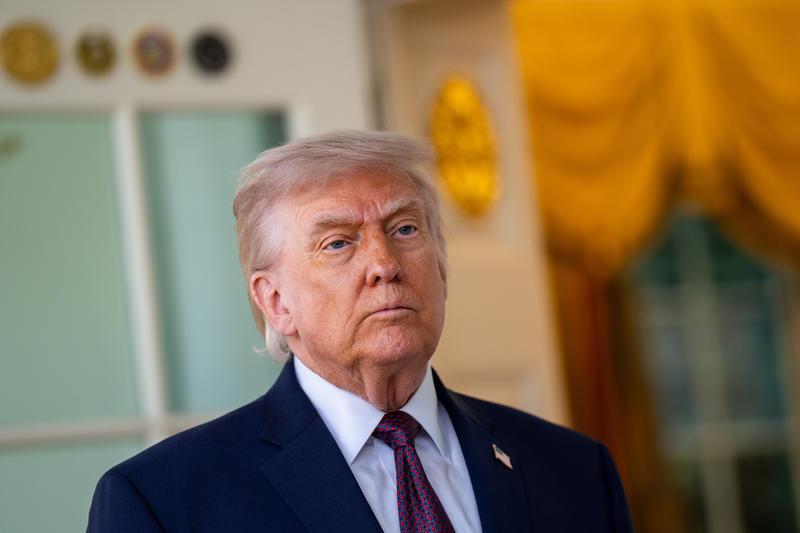
L’Humanité reported that at 23 hours in Lebanon the Israeli bombardments would “finally” cease, and said Trump announced the agreement on his Social Truth, writing: « Je viens d’avoir d’excellentes conversations avec le très respecté président du Liban Joseph Aoun et le premier ministre d’Israël Benyamin Netanyahou. Ces deux dirigeants se sont accordés sur le fait que, pour parvenir à la PAIX entre leurs deux pays, ils commenceront formellement un cessez-le-feu de dix jours à partir de 17h00 (heure de Washington, NDLR) ».
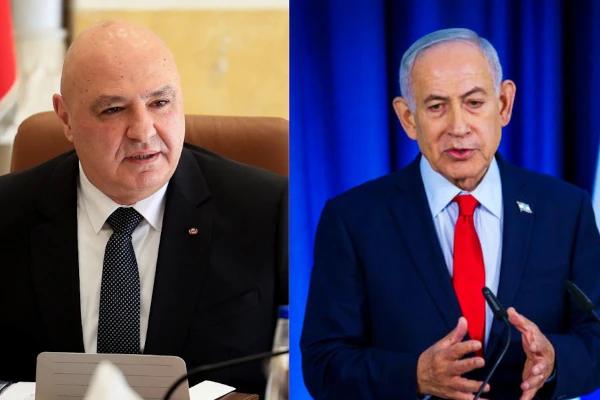
Radio France said Trump announced on Truth Social that Lebanon and Israel agreed to observe a ten-day ceasefire starting at 9:00 p.m. GMT, and RFI added that the bombardments in southern Lebanon had not ceased a few hours before the truce.
Le HuffPost similarly said Trump wrote that the leaders agreed to establish a ten-day ceasefire at 5:00 p.m. Eastern Time, after “excellent discussions” with Joseph Aoun and Benjamin Netanyahu.
Ouest-France described the ceasefire as beginning at midnight Beirut time and said violations were reported in southern Lebanon, while it noted that the Lebanese army immediately reported violations by Israel in the south.
RFI also reported that Joseph Aoun refused to speak with Benjamin Netanyahu, even as Trump’s announcement came after exchanges involving the Lebanese president and US officials.
Across the coverage, the ceasefire’s start time and framing varied by outlet, but all tied the truce to Trump’s announcement and to a window intended to create “breathing room” for negotiations.
Officials, deputies, and UN
The ceasefire announcement and its conditions triggered competing statements about who would comply and what would count as respect for the truce.
“In an announcement that apparently took both sides by surprise, U”
Radio France reported that Hezbollah was not mentioned in Trump’s announcement and said the Lebanese Prime Minister Nawaf Salam welcomed the ceasefire, while also describing a call between Joseph Aoun and the US Secretary of State Marco Rubio and noting that the Lebanese president refused any direct contact with Benjamin Netanyahu.
Le HuffPost said a Hezbollah deputy stated: “the movement would respect the ceasefire with Israel if it stops targeting it,” while Lebanon pledged “to prevent any Hezbollah attack.”
Ouest-France reported that Hezbollah announced it had “bombarded a gathering of Israeli soldiers near the town of Khiam,” describing the action as “in response to the violation of the ceasefire by the occupying army.”
It also quoted a Lebanese army position that “a number of violations of the agreement, several Israeli acts of aggression having been recorded,” and urged displaced people “to refrain from returning immediately to southern Lebanon.”
In parallel, Ouest-France said UN Secretary-General Antonio Guterres welcomed the ceasefire and called on “all actors” to respect it “fully,” citing a Thursday statement from his spokesman.
The same outlet also described Trump’s own framing, writing: “I hope Hezbollah behaves itself during this important period. It will be a BIG moment for them if they do,” and it added that Netanyahu called the truce a “historic peace” while reiterating his demand for Hezbollah’s disarmament.
Divergent death tolls
While the ceasefire timeline was contested in detail, the sources also diverged on the scale of the war’s human toll in Lebanon, with different outlets citing different figures and time windows.
L’Humanité said the death toll “s’élève au moins à 2 167 morts” and added “43 décès supplémentaires” recorded over the previous 24 hours, attributing the numbers to the Lebanese Ministry of Health.
Le HuffPost said “more than 2,000 people have been killed in Lebanon in Israeli strikes, according to authorities,” and described about one million displaced, adding that this was “about one-fifth of the country’s population, according to the UN.”
Anadolu Ajansı reported that Israel began its aggression against Lebanon on March 2, which left “2,509 dead, 7,755 wounded, and more than 1.6 million displaced,” and it specified “i.e., about one-fifth of the population, according to the latest official figures.”
Ouest-France similarly said “More than 2,000 people were killed in Lebanon in the Israeli strikes, according to authorities, and about one million were displaced — roughly a fifth of the country’s population, according to the UN.”
RFI focused on the ceasefire’s immediate context, stating that “the bombardments in southern Lebanon had not ceased” before the truce and describing Israeli bombing of the Qasmiyeh Bridge overlooking the Litani River near the city of Tyre.
Al-Manar TV Lebanon, by contrast, did not provide a death toll in the excerpted material, but it framed the dispute around “daily killings and massive destruction” and “systematic destruction of villages,” linking the political argument to battlefield consequences.
Negotiations and early tests
As the ceasefire took effect, multiple sources described it as a test for whether negotiations could proceed and whether Hezbollah would accept a political track.
“Le gouvernement israélien sous pression des États-Unis serait sur le point d’accepter une trêve, ce jeudi soir”
Anadolu Ajansı said Lebanese President Jozef Aoun reaffirmed that “a ceasefire represents a first and necessary step for any subsequent negotiations with Israel,” adding that he told the American side conducting mediation that “a ceasefire is a necessary first step for any negotiations that follow.”
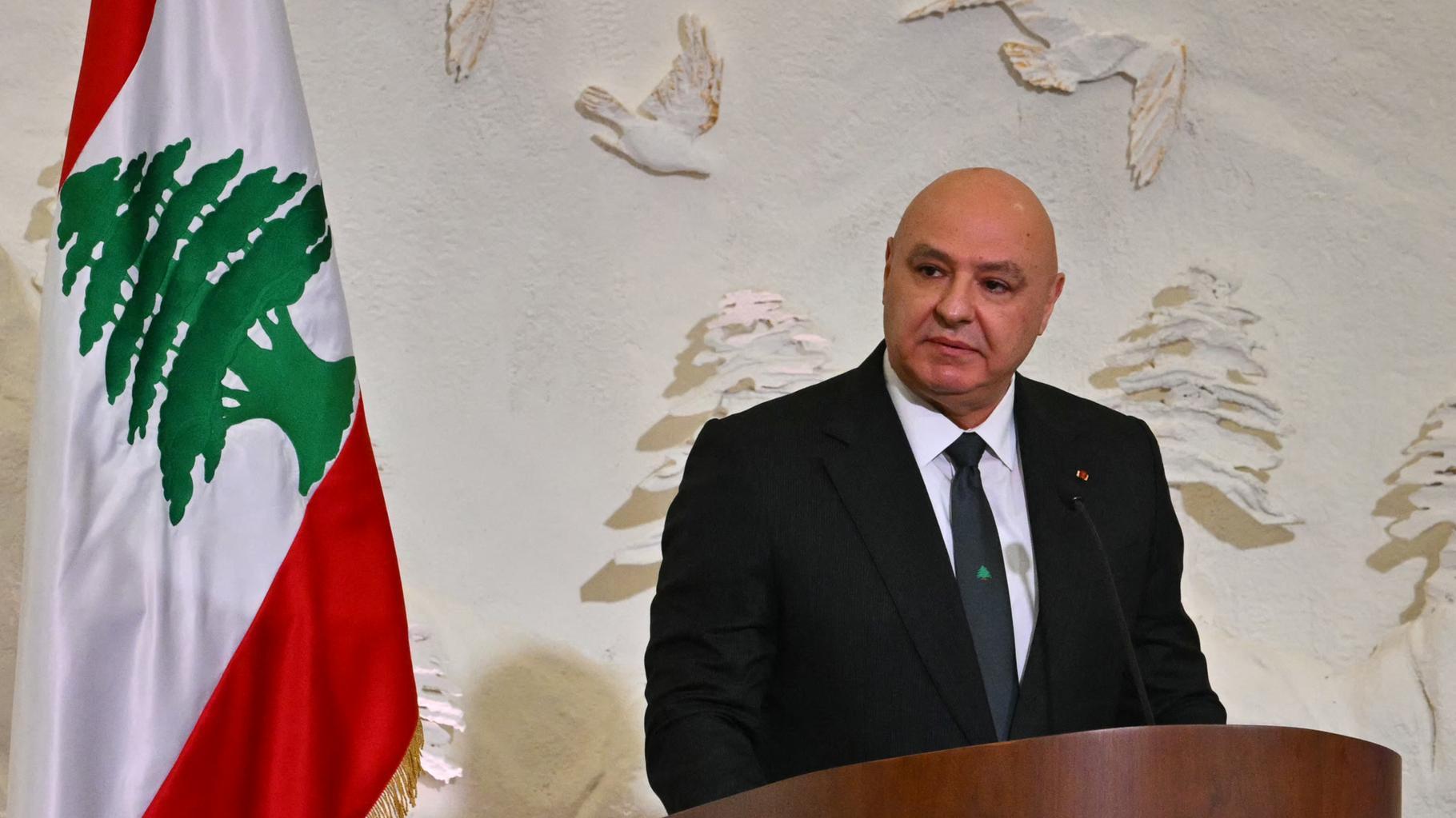
It also quoted Aoun’s insistence that the US State Department statement said Israel would not undertake “any offensive military operations against Lebanese targets, whether civilian or military, or other state targets in Lebanon’s territory on land, sea, or air.”
In contrast, Al-Manar TV Lebanon’s earlier segment and other outlets emphasized Hezbollah’s rejection of direct negotiations, with Mont Carlo Internationale saying Hezbollah’s refusal to negotiate with Israel “puts the agreement to an early test.”
Mont Carlo International also reported that the ceasefire includes Hezbollah and that the US State Department was working to finalize a memorandum of understanding, including Israel’s right to self-defense, which it said “places the ceasefire to the test and requires verification of its seriousness.”
Anadolu Ajansı stated that on April 17 a ten-day ceasefire began and was later extended to May 17, but it also said Israel breaches it daily through bombardments that left dead and wounded and “widespread destruction of homes in dozens of villages in southern Lebanon.”
Meanwhile, All Israel News described Israeli negotiating objectives as disarming Hezbollah and achieving “a lasting peace,” and it said Netanyahu’s security cabinet discussed the situation without a clear decision on the ceasefire.
More on Lebanon

Trump Tells Netanyahu To Limit Lebanon Strikes As Ceasefire Stalls
10 sources compared
Hezbollah Fires Missiles and Drones, Striking Merkava Tanks in Al-Qantara and Kherbet Salam
14 sources compared

Lebanon Detains Ashraf Dabbour At Beirut’s Rafik Hariri International Airport On Corruption Charges
11 sources compared
Israeli Officials Say Negotiations Put Lebanese President Joseph Aoun’s Life at Risk
28 sources compared