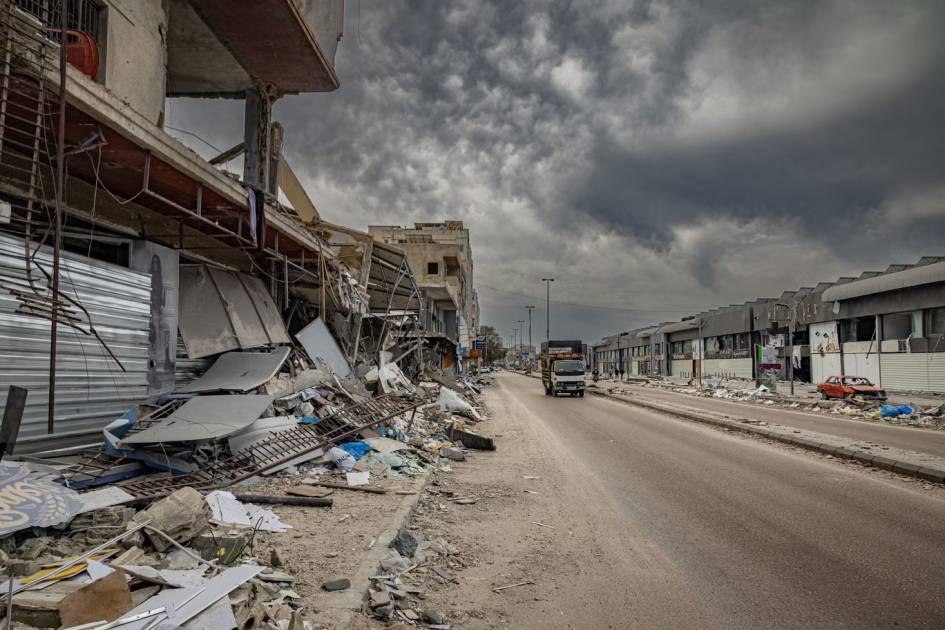
Israeli Officials Say Negotiations Put Lebanese President Joseph Aoun’s Life at Risk
Key Takeaways
- Lebanese President Aoun supports ongoing talks with Israel; Hezbollah criticizes negotiations.
- Cross-border hostilities persist with Israeli strikes and Hezbollah attacks on southern Lebanon.
- Casualties and fatalities are reported amid ongoing fighting.
Aoun’s life at risk
Israeli officials told Channel 12 that “the life of the Lebanese President Joseph Aoun is at risk due to negotiations with Israel,” framing the warning as a “danger threatening the life of Lebanese President Joseph Aoun due to negotiations with Israel.”
The Israeli Foreign Affairs and Security Committee, according to An-Nahar, also included a security briefing in which “an officer representing military intelligence” briefed Knesset members on “the situation on the Lebanese and Iranian fronts.”

Likud MK Boaz Bismut, head of the Foreign Affairs and Security Committee, urged caution, saying, “I urge the Israeli people to exercise caution in light of the expected developments.”
Bismut also wrote on X that “The Iranian regime is about to pay a heavy price,” while calling for “continuing routine work, waiting patiently, and staying vigilant.”
In the committee’s presentation, An-Nahar reports that “the negotiations that the Lebanese president is conducting with Israel endanger his life,” while it also said “Tehran has succeeded in regaining part of the Iranian ballistic missile system.”
The committee further stated that attacks on Beirut “are not on the current agenda at the moment,” but that there is “a mandate to carry out attacks against threats,” and it described “the dismantling of Hezbollah” as “a long-term goal.”
Ceasefire, rockets, drones
While negotiations in Washington continued, Israeli leaders insisted that Hezbollah’s capabilities still justified military action across Lebanon.
Kurdistan24 reports that Benjamin Netanyahu said on Monday that “two central threats” remain—“122mm rockets and unmanned aerial vehicles”—and that countering them requires “both operational and technological measures.”

The same report says Netanyahu framed the ongoing strikes as necessary “despite a ceasefire agreement,” with Israel’s military claiming it retains the right to act under the ceasefire against “any imminent or ongoing threats.”
Kurdistan24 adds that the escalation followed Israel’s intensified strikes targeting Hezbollah infrastructure in the eastern Bekaa Valley and southern regions, while Lebanese President Joseph Aoun revealed that Beirut was pursuing “direct negotiations with Israel aimed at ending the conflict.”
Hezbollah’s leader Naim Qassem rejected direct talks, describing them as a “sin,” and Israeli Defense Minister Israel Katz warned that Hezbollah’s refusal could have “catastrophic consequences” for Lebanon.
Al Jazeera, meanwhile, reported that Israel threatened to “burn” all of Lebanon after Hezbollah reiterated its rejection of peace talks, with Israel Katz retorting that defiance would bring “catastrophic consequences.”
In the same Al Jazeera account, Qassem asserted that “sacrifices are great” but the Lebanese people have “two options: “Liberation and pride or occupation and humiliation.”
Aoun vs Hezbollah
The dispute over negotiations became a domestic political fight in Lebanon, with Joseph Aoun defending direct talks while Hezbollah and its allies attacked the premise.
Al Jazeera reports that Hezbollah criticised the Lebanon government for entering talks with Israel to seek an end to hostilities sparked by the United States-Israeli war on Tehran, and Qassem said, “We are continuing our defensive resistance for Lebanon and its people,” adding, “We will not return to the pre-March [status quo]; we will respond to the Israeli aggression and confront it.”
Qassem also declared, “No matter what the enemy threatens, we will not retreat, we will not bow down, we will not be defeated.”
In the same report, Israeli Minister Katz responded that Qassem was “playing with fire … [that] will burn Hezbollah and all of Lebanon,” telling United Nations envoy to Lebanon Jeanine Hennis-Plasschaert, according to a statement issued by his office.
Al Jazeera says Lebanese President Joseph Aoun entered the rhetorical fray, accusing those who drew Lebanon into war of “treason,” in an implicit rebuke of Hezbollah.
France 24 adds that Aoun said direct talks aimed to end the Israel-Hezbollah war and that those who dragged Lebanon into it were committing “treason,” while Hezbollah chief Naim Qassem called direct talks a “sin.”
France 24 also quotes Aoun’s position that “my goal is to reach an end to the state of war with Israel, similar to the armistice agreement” of 1949, and it records Aoun saying, “I assure you that I will not accept reaching a humiliating agreement.”
Different tallies, different frames
The reporting diverged not only on the political meaning of negotiations but also on how the ceasefire and violence were described, including the scale of casualties and the framing of who was violating what.
Al Jazeera said Lebanon’s Health Ministry reported that Israeli attacks have killed 2,521 people since March 2, with a further 7,804 wounded, while it also described ongoing exchanges of fire despite the formal ceasefire.
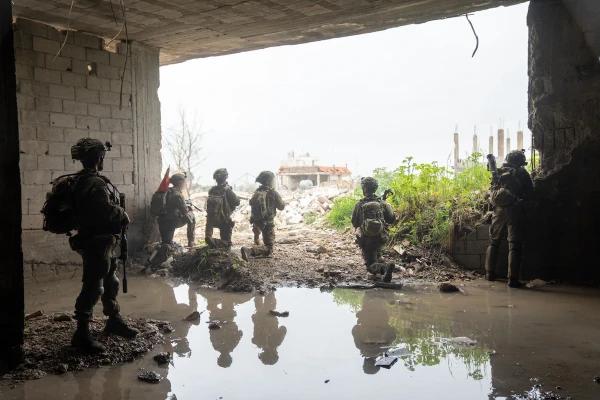
Daily Sabah, in contrast, cited “Lebanese official figures” and said “More than 2,500 people have been killed, over 7,750 injured and over 1.6 million displaced by Israeli attacks across Lebanon since March 2,” and it added that “A 10-day ceasefire was declared between Lebanon and Israel on April 17.”
France 24 reported “four dead in Lebanon” on Monday despite a ceasefire, and it said “The health ministry said Israeli strikes on the south killed four people on Monday, including a woman, and wounded 51 others,” while also stating that “Israeli strikes have killed at least 40 people in Lebanon since the truce began.”
In the same France 24 account, Netanyahu said “there are still two central threats from Hezbollah: the 122mm rockets and the drones,” and it described Israel’s army striking “more than 20 Hezbollah ‘infrastructure sites’ in eastern Lebanon's Bekaa Valley and the country's south.”
Al Jazeera’s account emphasized threats and rhetoric, including Israel’s threat to “burn” all of Lebanon and Qassem’s insistence on “Liberation and pride or occupation and humiliation,” while Daily Sabah emphasized Katz’s warning that “fire will burn the entire country” and that Israel would “respond with overwhelming fire against Hezbollah in the event of any damage, threat, or violation of Israeli sovereignty.”
Evacuation and next steps
As the ceasefire period continued, Israeli actions and evacuation orders were presented as part of a broader effort to counter Hezbollah while negotiations proceeded.
All Israel News reported that despite daily violations of the ceasefire by Hezbollah, Israel’s military was “noticeably hesitant to strike back hard,” and it said reports claimed the U.S. asked Jerusalem to hold back “so as not to endanger the ceasefires in Lebanon and Iran.”

The same outlet said Lebanese President Joseph Aoun defended direct negotiations but reiterated his goal was to “entrench the ceasefire and a withdrawal of Israeli forces,” while it quoted Netanyahu’s view that “The ceasefire is fragile. Hezbollah is doing everything it can to sabotage the talks between Israel and Lebanon.”
All Israel News also described Netanyahu telling IDF top brass that Israel retains “the freedom of action to thwart immediate and emerging threats” per the ceasefire’s terms, and it said ahead of airstrikes the IDF ordered “16 villages and towns in southern Lebanon to evacuate.”
Daily Sabah similarly said Netanyahu ordered escalation on Saturday in response to Hezbollah attacks, and it stated that “Hezbollah has carried out a series of drone attacks targeting Israeli soldiers in southern Lebanon and northern Israel.”
France 24 added that Israel’s army expanded strikes, saying it struck “more than 20 Hezbollah ‘infrastructure sites’” and that under the ceasefire Israel reserves the right to act against “planned, imminent or ongoing attacks.”
Looking ahead, Al Jazeera reported that Qassem outlined pre-conditions for Hezbollah to enter dialogue, including the end of “the aggression on land, sea and air,” Israel’s withdrawal “from the occupied territories,” the release of prisoners, the return of all displaced people and “reconstruction,” while also demanding Lebanon end direct talks and reverse its decision that “criminalises the resistance.”
More on Lebanon
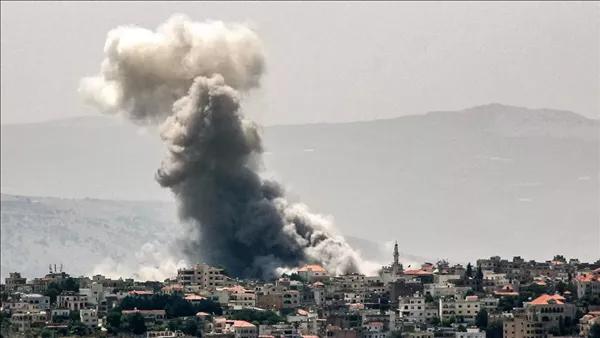
Israel Defense Forces Order Evacuation of 16 Towns in Southern Lebanon Toward Sidon
13 sources compared
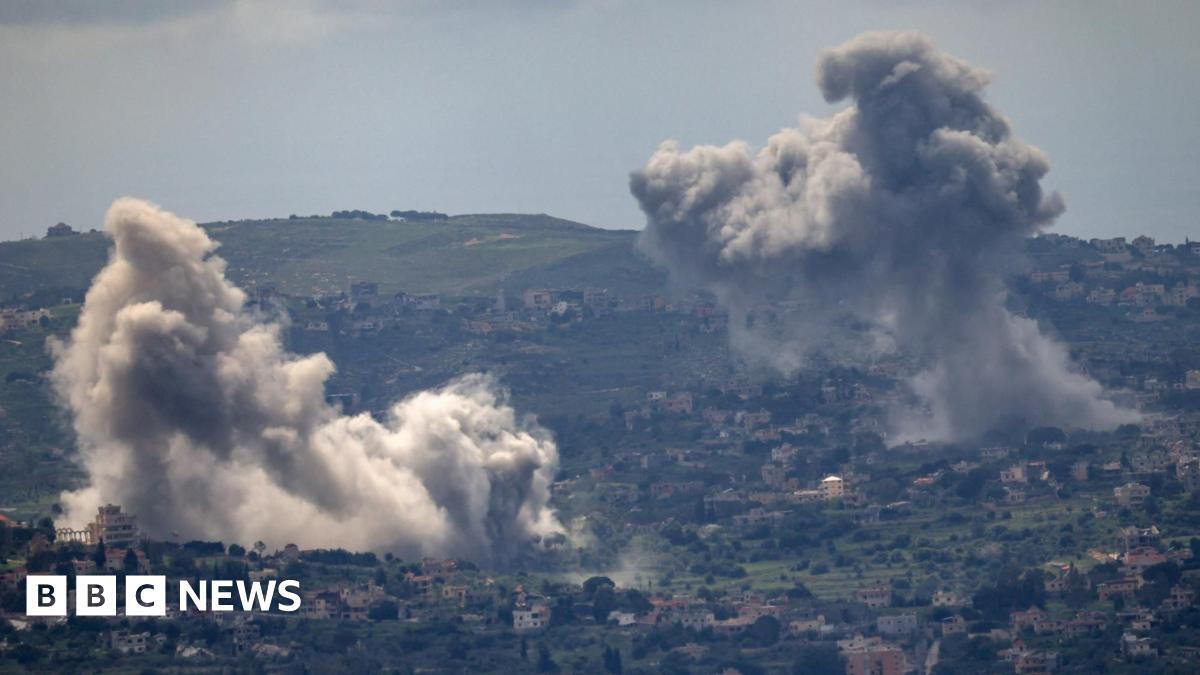
Israeli Strikes Kill Three Lebanese Civil Defense Rescue Workers in Majdal Zoun
30 sources compared
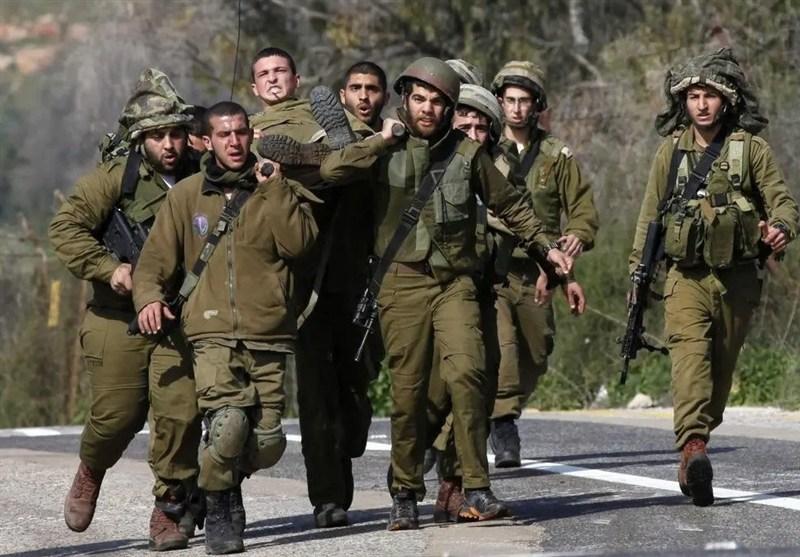
Hezbollah Drone Strikes Injure Israeli Soldiers in South Lebanon Despite Ceasefire
12 sources compared

Israeli Airstrikes Kill Civil Defense Rescuers in Majdal Zoun, Lebanon
18 sources compared