Israeli Airstrikes Kill Civil Defense Rescuers in Majdal Zoun, Lebanon
Key Takeaways
- 14 killed in Israeli strikes in Lebanon per health ministry and BBC/Guardian.
- Casualty figures differ across outlets: 8 by Al Jazeera Net, 14 by BBC/Guardian.
- Ceasefire tensions persist amid Israeli strikes, reported by BBC and France 24.
Airstrikes and tunnel demolitions
Israeli airstrikes hit multiple areas in southern Lebanon on Tuesday, killing at least eight people including three members of the civil defense, according to the Lebanese Ministry of Health and the General Directorate of Civil Defense.
The strikes were described by Lebanese Prime Minister Nawaf Salam as "a new war crime" as Israel’s occupation army continued strikes and demolition operations in border towns.

The Lebanese Ministry of Health and the General Directorate of Civil Defense reported that three rescuers were killed while carrying out an emergency medical evacuation for the injured after an Israeli airstrike targeted a building in the town of Majdal Zoun in the south of the country.
The same airstrike also killed two others, and the Lebanese army announced that two of its soldiers were injured at the same site.
In parallel, the Health Ministry announced the death of one person and the injury of 15 others in another strike on the town of Joya, and it reported the death of two people and 13 wounded in an initial toll of a strike targeting the town of Jbeichit.
The escalation unfolded while Israel announced the destruction of a massive Hezbollah tunnel network despite an extended ceasefire being in effect, and the Israeli army claimed it had found two Hezbollah tunnels built over about a decade and extending two kilometers.
The Israeli army said its units in the Qantara area used more than 450 tons of explosives to demolish the two tunnels, while a Lebanese National News Agency confirmation described a "large demolition operation" that left a huge gap in the town of Qantara.
Ceasefire, warnings, and escalation
The airstrikes and demolitions occurred as a 10-day ceasefire was described as being in effect since April 17 and later extended by three weeks, with the U.S. President Donald Trump announcing the extension on the 23rd of the same month.
Under the text of the agreement published by the U.S. State Department, Israel reserves the freedom to take all necessary measures to defend itself against attacks, even as the Israeli occupation forces continued their attacks and demolition operations and the razing of border towns.

The Israeli army announced the establishment of what it called a "yellow line" separating dozens of villages from the rest of the areas, while Hezbollah continued to announce targeting Israeli forces and launching drones and missiles toward northern Israel.
In the same context, the Israeli army issued urgent warnings to residents of more than 10 villages north of the 'yellow line' to evacuate and move north, citing violations of the cease-fire by Hezbollah.
Israeli Prime Minister Benjamin Netanyahu said Hezbollah's rockets and drones still pose a major challenge, vowing to continue military operations in Lebanon, while Israeli Foreign Minister Gideon Saar said at a joint press conference with his Serbian counterpart that his country has no ambitions in Lebanese territory.
Saar argued that the military presence is only to protect citizens until Hezbollah and other organizations are dismantled, and the Israeli Foreign Minister’s framing contrasted with Lebanese Prime Minister Nawaf Salam’s characterization of the strikes as a "new war crime".
Separately, Israeli Defense Minister Israel Katz warned that "fire will burn the entire country," saying "Fire will break out and engulf the cedars of Lebanon" and alleging that the Lebanese government "continues to take cover" under Hezbollah.
Katz also said he and Netanyahu instructed the Israeli army "to respond with overwhelming fire against Hezbollah in the event of any damage, threat, or violation of Israeli sovereignty," while President Joseph Aoun described the ceasefire as "a first and necessary step" for future negotiations with Israel.
Civil defense deaths and political reactions
Lebanon’s leadership condemned the Israeli assault that killed civil defense personnel, with President Joseph Aoun stressing that the targeting demonstrates Israel’s ongoing violation of international laws and covenants that guarantee protection for civilians and rescue teams.
“At least eight people were killed, including three members of the civil defense, in Israeli airstrikes that hit various areas in southern Lebanon on Tuesday”
Lebanese Prime Minister Nawaf Salam similarly stressed that deliberately targeting civil defense personnel in the south represents 'a new war crime', linking the political condemnation directly to the deaths of rescuers.
The Israeli army, however, framed its actions around tunnel findings, describing the tunnels as a "massive underground military facility" and claiming one tunnel is 800 meters long and another extends 1.2 kilometers.
The Israeli military source accused Iran, the party’s backer, of designing this facility and said the site was used as a gathering area for the 'Ridwan Force', Hezbollah's elite unit, directly accusing Iran.
In Beirut, the National News Agency confirmed a "large demolition operation" that left a huge gap in the town of Qantara, while photos showed thick plumes of smoke rising over the area.
The political and military narratives also clashed over what the ceasefire meant in practice, with the Israeli army continuing demolition operations and Hezbollah continuing to announce targeting Israeli forces and launching drones and missiles toward northern Israel.
In a separate account of the same broader period, the Israeli Defense Minister Israel Katz told U.N. envoy Jeanine Hennis-Plasschaert that "(Hezbollah chief) Naim Qassem is playing with fire, and the fire will burn Hezbollah and all of Lebanon," and he warned that Israel would not accept a ceasefire coexisting with continued attacks on Israeli forces and northern Israel.
President Joseph Aoun, by contrast, said the ceasefire with Israel represents "a first and necessary step" for any subsequent negotiations with Tel Aviv, and he said this position had been conveyed to the U.S., which is leading mediation efforts between Beirut and Tel Aviv.
Competing casualty tallies and narratives
Casualty reporting and the description of what is happening under the ceasefire vary across outlets, even when they refer to the same general escalation period.
Al-Jazeera Net reported that at least eight people were killed including three civil defense members in Israeli airstrikes hitting various areas in southern Lebanon on Tuesday, and it also described deaths and injuries in Majdal Zoun, Joya, and Jbeichit.

The Muslim News UK account said Lebanon’s Health Ministry reported at least four people were killed and 51 injured in Israeli airstrikes on southern Lebanon on Monday, adding that a woman was among the dead and that the wounded included three children and six women.
That same account said Israeli warplanes launched three strikes on the town of Zawtar al-Sharqiya in the Nabatieh district at around 6am (0300GMT) and that in Bint Jbeil Israeli forces fired heavy machine guns toward the Mihniyeh neighbourhood.
It also reported that Hezbollah said it carried out two drone strikes targeting Israeli soldiers and military equipment, and it framed those attacks as a response to repeated Israeli violations of the ceasefire agreement, including strikes on southern villages and the demolition of homes.
In a different framing, Al-Jazeera’s mapping investigation described Israeli operations in Bint Jbeil as a policy of systematically "wiping out" civilian homes, residential neighbourhoods and vital infrastructure, and it said analysis of the map showed more than 1,500 buildings destroyed by Israeli forces.
That investigation quoted Bint Jbeil mayor Mohammad Bazzi saying the extensive destruction reflects an organised campaign targeting civilian architecture and identity, and it said Bazzi noted that demolitions proceeded unabated even after the announcement of a ceasefire.
Meanwhile, the Israeli outlet Israelhayom emphasized a gap between the declaration of a "ceasefire" and the reality on the ground, describing the massive explosion of Hezbollah tunnels in southern Lebanon alongside continued launch of explosive-laden drones at IDF.
Israelhayom also asserted that Israel’s response to Hezbollah violations remains measured, in part due to an explicit US request conveyed as part of talks between Washington and Jerusalem, including between Prime Minister Benjamin Netanyahu and US President Donald Trump.
What comes next: talks and US role
The sources describe multiple next steps and pressures shaping the Lebanon file, with the U.S. role repeatedly emphasized alongside Israeli and Lebanese positions.
Israelhayom said the US request conveyed to Israel was based on two central considerations, including the promotion of direct talks between Israel and Lebanon expected to begin soon after meetings between the countries' ambassadors in the US.

It also said Washington wants to strengthen Lebanon's leadership, President Michel Aoun and Prime Minister Nawaf Salam, against Hezbollah, which is trying to sabotage the move.
Israelhayom further said European Commission President Ursula von der Leyen voiced support for the Lebanese government and promised assistance, while Israel set a clear goal of a diplomatic agreement ensuring Hezbollah is pushed back beyond the Litani River and beginning the process of disarming the terrorist organization.
In parallel, Al-Jazeera Net described that the escalation coincided with the entry into force of a 10-day ceasefire since April 17, and it said under the U.S. State Department agreement Israel reserves freedom to take all necessary measures to defend itself against attacks.
Anadolu Ajansı reported that on Friday U.S. President Donald Trump said Israel "will not bomb Lebanon anymore," and it said Trump added that "The United States will prevent it from doing so."
Mont Carlo International reported that Trump’s posts said the United States blocked Israel from continuing to bomb Lebanon as part of the ceasefire between Israel and Hezbollah, and it quoted Trump’s blunt tone: "Enough is enough."
The same Mont Carlo International account said Trump invited both Israeli Prime Minister Benjamin Netanyahu and Lebanese President Joseph Aoun to the White House to launch a direct negotiating track between the two sides.
Across the accounts, the ceasefire’s fragility is tied to ongoing accusations of violations, with the Muslim News UK citing Lebanese authorities saying Israel has repeatedly violated the truce and with Al-Jazeera Net describing Hezbollah continuing to announce targeting Israeli forces and launching drones and missiles toward northern Israel.
The stakes are also reflected in the scale of displacement and casualties cited by Lebanese official figures, with Al-Jazeera Net reporting a total toll of Israeli strikes since the outbreak of the war reaching 2,534 dead and 7,863 wounded and with the Muslim News UK stating more than 2,500 people have been killed and over 1.6 million displaced across Lebanon since March 2.
More on Lebanon

Hezbollah Launches Drones at Israeli Soldiers in South Lebanon After 17 April Ceasefire
20 sources compared
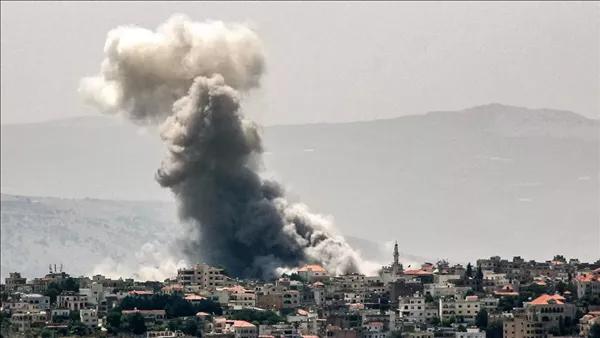
Israel Defense Forces Order Evacuation of 16 Towns in Southern Lebanon Toward Sidon
13 sources compared
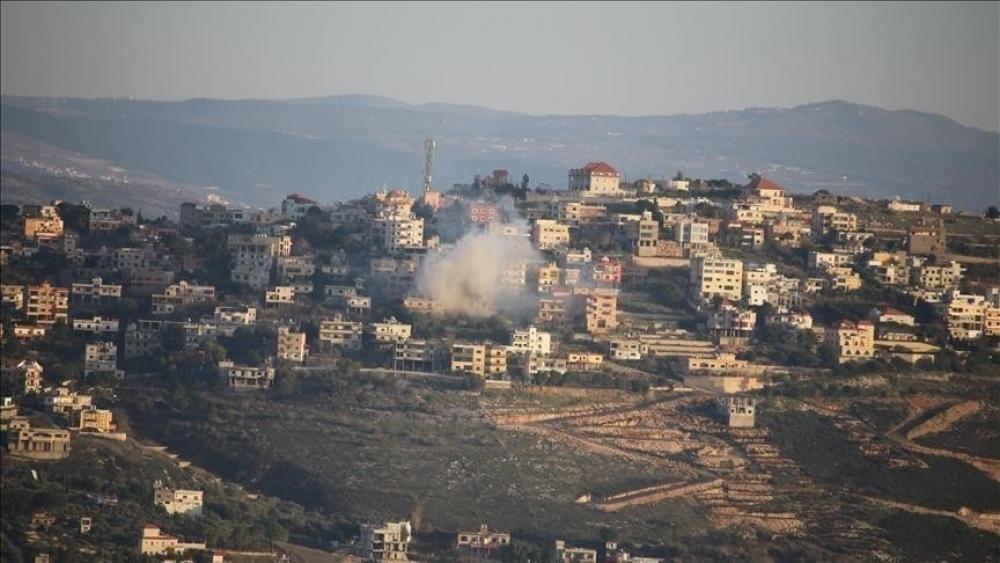
Israeli Strikes Kill Three Lebanese Civil Defence Rescuers In Majdal Zoun
18 sources compared
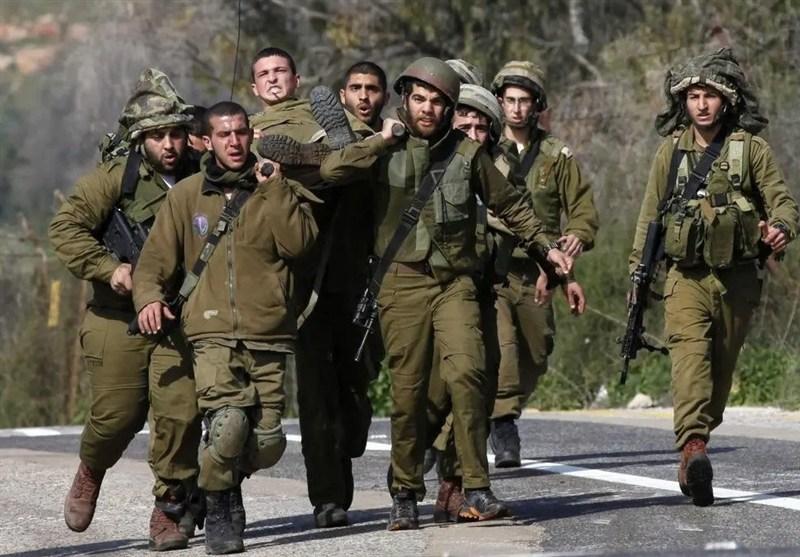
Hezbollah Drone Strikes Injure Israeli Soldiers in South Lebanon Despite Ceasefire
12 sources compared