
Hezbollah Launches Drones at Israeli Soldiers in South Lebanon After 17 April Ceasefire
Key Takeaways
- Hezbollah launched drone attacks on Israeli soldiers in southern Lebanon.
- Several IDF soldiers wounded, including at least one seriously.
- Ceasefire remains fragile; the attacks threaten its collapse.
Ceasefire frays in south
Fighting between Hezbollah and Israel continued in Lebanon even after a ceasefire was established on 17 April, with Hezbollah launching drones at Israeli soldiers in south Lebanon on Tuesday while Israel issued new displacement orders for south Lebanon and carried out airstrikes.
The Guardian reported that Hezbollah claimed Tuesday’s attack injured several Israeli soldiers, while Israel’s only confirmation came in a statement saying interceptor missiles had been fired at incoming Hezbollah drones.
The Guardian also said an Israeli soldier was killed and six others wounded in a Hezbollah drone attack on Sunday.
The Guardian described Hezbollah’s use of small, fibre-optic-guided drones as having “managed to evade Israeli aerial defences,” explaining that the wired element limits the radio signals that radars detect.
The same report said the drones have a range of up to 9 miles (15km) and that Hezbollah has used them to attack Israeli soldiers in south Lebanon almost daily since the ceasefire was established on 17 April.
Israel’s airstrikes over the weekend killed 18 people and wounded 88 more in Lebanon, according to the Lebanese ministry of health as quoted by The Guardian.
The Guardian further stated that at least 2,534 people have been killed and 7,863 wounded by Israeli airstrikes in Lebanon since the beginning of fighting between Hezbollah and Israel on 2 March.
What led to escalation
The Guardian tied the renewed violence to a broader diplomatic and military context, saying the back-and-forth fire came as talks between the US and Iran ground to a halt.
It reported that US secretary of state, Marco Rubio, said any permanent truce needs to include a deal on Iran’s nuclear programme, and it described Tehran offering to reopen the strait of Hormuz in return for the US lifting its blockade of the strait.

The Guardian also said US president, Donald Trump, posted that Iran was in a “state of collapse” due to the blockade on Tuesday.
Within the Lebanon ceasefire framework, The Guardian said fighting continued despite a nominal ceasefire, with Israeli bombing and Hezbollah attacks continuing since the first day of the deal to stop hostilities was signed.
It added that Israel established a “yellow line” in south Lebanon where Israeli troops are active, comprising at least 55 villages, and that they have continued to demolish homes there.
The Guardian stated that under the text of the ceasefire deal, Israel is allowed to strike Lebanon in self-defence, and it referenced a repeat of the 2024 ceasefire during which Israel struck Lebanon more than 15,000 times.
The report also described the political pressure around negotiations, saying the ceasefire in Lebanon was reached after the US requested Israel come to the negotiating table with the Lebanese government, apparently to ensure negotiations with Iran were not disrupted by the Israeli invasion of Lebanon.
Hezbollah, Lebanon leaders trade blows
Hezbollah and Lebanon’s leadership exchanged sharp statements over direct negotiations with Israel as the ceasefire remained fragile.
“Lebanese Army announces two soldiers were injured as a result of an Israeli attack targeting a patrol with members of the Civil Defense and two bulldozers in the town of Majdal Zoun during a rescue operation for citizens Israeli airstrikes targeted multiple areas in southern Lebanon, hitting the towns of Jwaya (Tyre), Al-Tiri (Bint Jbeil), Al-Shihabiya, and Kfar Tibnit (Nabatieh), with simultaneous raids reported on Jouaiya and Al-Shehabiyeh Haaretz: Hundreds of Haredim demonstrate east of “Tel Aviv” in protest against the arrest of draft dodgers Lebanese Army announces two soldiers were injured as a result of an Israeli attack targeting a patrol with members of the Civil Defense and two bulldozers in the town of Majdal Zoun during a rescue operation for citizens Israeli airstrikes targeted multiple areas in southern Lebanon, hitting the towns of Jwaya (Tyre), Al-Tiri (Bint Jbeil), Al-Shihabiya, and Kfar Tibnit (Nabatieh), with simultaneous raids reported on Jouaiya and Al-Shehabiyeh Haaretz: Hundreds of Haredim demonstrate east of “Tel Aviv” in protest against the arrest of draft dodgers”
The Guardian reported that the Hezbollah head, Naim Qassem, on Monday called direct talks a “grave sin” which would plunge the country into “instability,” adding: “These direct negotiations and their outcomes are as if they do not exist for us, and they do not concern us in the slightest,” Qassem said.
The Guardian also said Qassem added that the group will not give up its arms, a key demand from Israel and the Lebanese government.
Hours later, The Guardian reported that Lebanon’s president Joseph Aoun responded, saying the “real betrayal is committed by those who drag their country into war to serve foreign interests”.
The Guardian said Rubio, in an interview on Monday, suggested the US could assist Lebanon in creating specialised units in the Lebanese army which would confront Hezbollah directly, and it noted that the prospect prompted concern in Lebanon.
The Guardian described the political dispute as ongoing, saying the government has little to no ability to control the actions of Hezbollah while the Lebanese government negotiates in Washington.
In parallel, The Guardian said Netanyahu promised further strikes against what he said was Hezbollah infrastructure, stating: “We are carrying out strikes now, both within the security zone and north of it,” in a statement on Monday night.
Drone attacks and casualties
Multiple outlets described Hezbollah drone operations and Israeli responses across southern Lebanon, with specific locations and named casualties appearing in the reporting.
The Guardian said Hezbollah’s drones targeted Israeli soldiers in south Lebanon and that Israel fired interceptor missiles at incoming drones, while it also reported that an Israeli soldier was killed and six others wounded in a Hezbollah drone attack on Sunday.
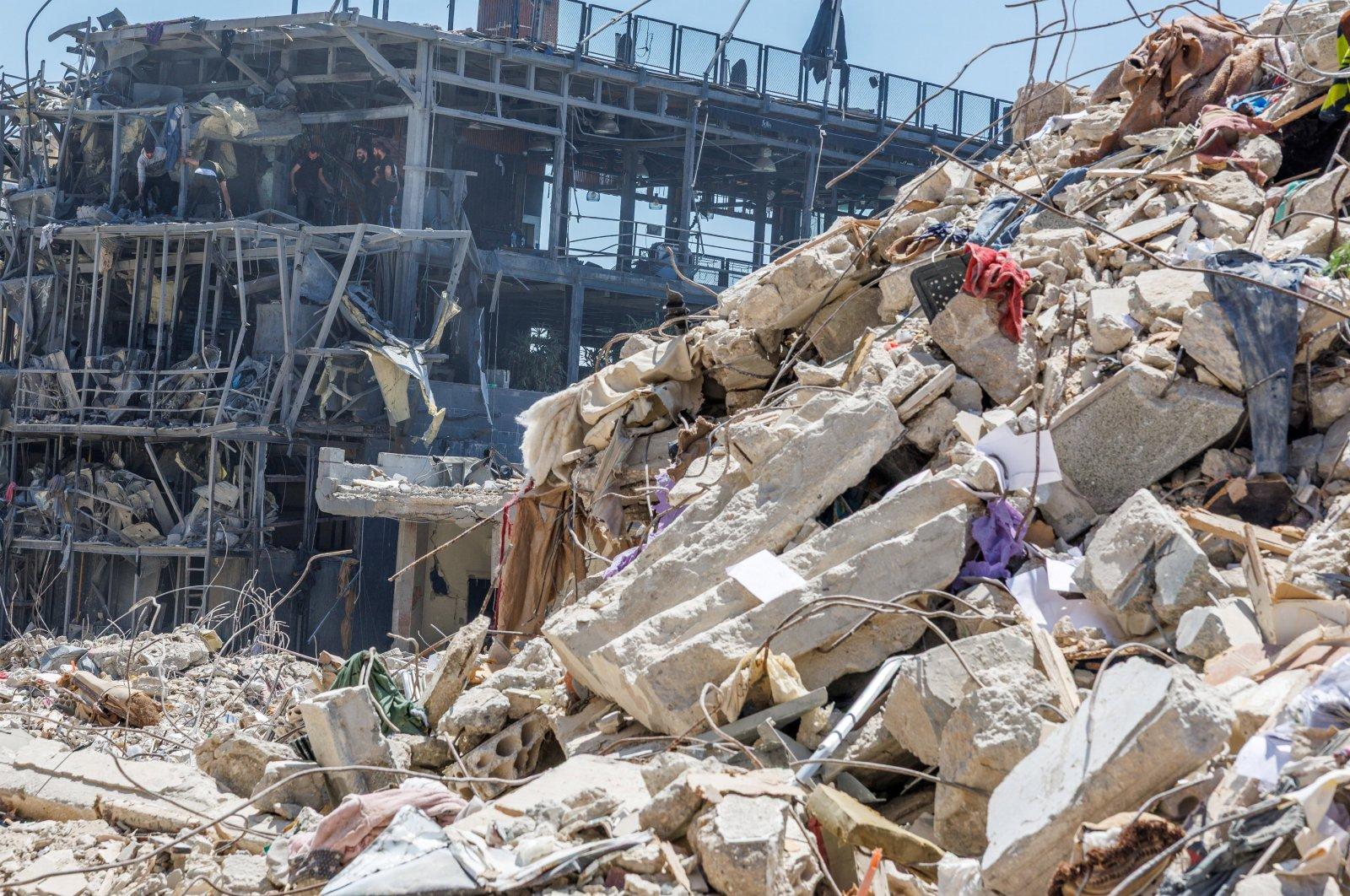
The Jerusalem Post reported that Amer Hujirat, a civilian working for the IDF in southern Lebanon, was killed on Tuesday, citing a statement from Ziv Medical Center, and it said Hujirat was a 44-year-old resident of Shfaram whose 19-year-old son was lightly wounded.
JNS.org reported that two Israel Defense Forces soldiers were wounded, one seriously, by a Hezbollah drone in Southern Lebanon on Monday, and it said the latest attack “constitutes a violation of the ceasefire understandings by the Hezbollah terrorist organization.”
The Media Line similarly described an explosive drone attack by Hezbollah against Israeli troops, saying the IDF said the attack constitutes a “violation of the ceasefire understandings by the Hezbollah terror group,” and it reported that Lebanese sources said Israeli forces carried out strikes in the villages of Kounin, Touline, and the Bint Jbeil area.
Al-Manar TV Lebanon said Lebanese Army announced two soldiers were injured as a result of an Israeli attack targeting a patrol with members of the Civil Defense and two bulldozers in the town of Majdal Zoun during a rescue operation for citizens.
Middle East Eye described Hezbollah’s claims of multiple attacks on Israeli troops inside southern Lebanon, including that it shot down a Hermes 900 drone over al-Qantara and struck a Merkava tank there with an explosive drone.
Competing frames and next steps
The reporting diverged on how to interpret the same pattern of drone attacks and airstrikes, with some outlets emphasizing Hezbollah’s claims of “defense” and others emphasizing Israeli claims of ceasefire violations and threats.
“Hezbollah claimed responsibility for drone attacks on Israeli forces in southern Lebanon, threatening the fragile ceasefire”
The Guardian framed the cycle as continuing despite the ceasefire, saying Hezbollah is actively striking Israeli troops in Lebanon and that the Lebanese government has little to no ability to control Hezbollah while it negotiates in Washington.

It also quoted Netanyahu promising further strikes, and it reported that the US asked Israel to ensure their response was “calculated and limited.”
By contrast, Middle East Eye foregrounded Hezbollah’s own statement, saying Hezbollah said it shot down a Hermes 900 drone over al-Qantara and struck a Merkava tank there with an explosive drone, and it added that Israeli soldiers were targeted with drone swarms in al-Taybeh and at the Nimr al-Jamal site.
Palestine Chronicle presented Hezbollah’s operations as coordinated and “in defense of Lebanon and its people,” describing a one-way explosive drone attack at 1 PM in Bint Jbeil and a separate operation at the same time in Qantara, while it also said Hezbollah reported a confirmed hit.
JNS.org and The Media Line both centered the IDF’s characterization of Hezbollah actions as violations of ceasefire understandings, with JNS.org stating: “constitutes a violation of the ceasefire understandings by the Hezbollah terrorist organization,” and The Media Line repeating that the IDF said the attack constitutes a “violation of the ceasefire understandings by the Hezbollah terror group.”
Looking ahead, The Guardian said the ceasefire had been reached after the US requested Israel come to the negotiating table with the Lebanese government and that there had been two ambassador-level meetings, one held in the Oval Office in Trump’s presence.
More on Lebanon
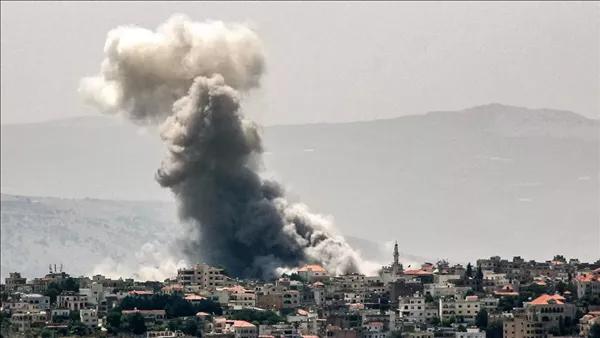
Israel Defense Forces Order Evacuation of 16 Towns in Southern Lebanon Toward Sidon
13 sources compared
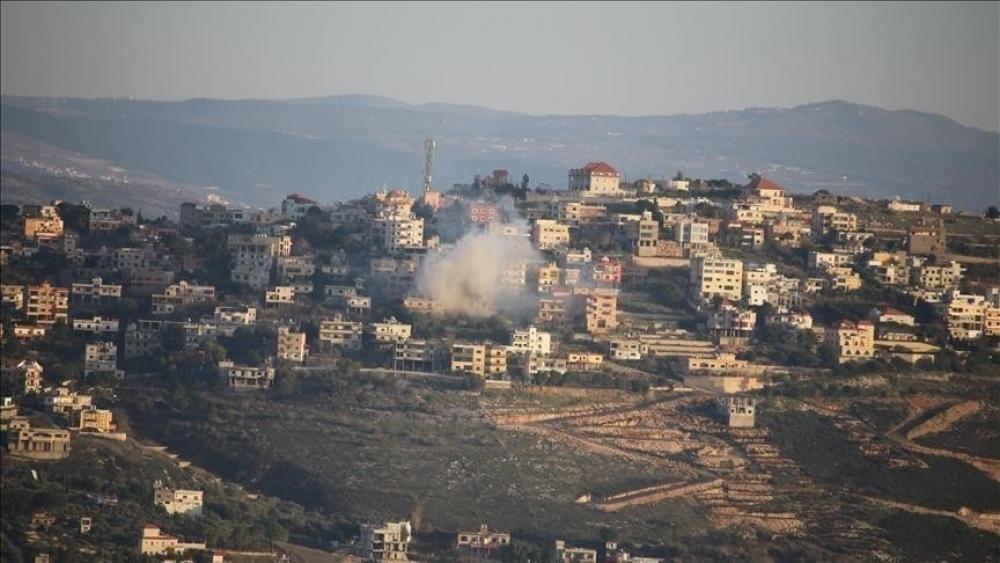
Israel Double Strike Kills Five in Majdal Zoun, Injures Two Lebanese Army Soldiers
10 sources compared
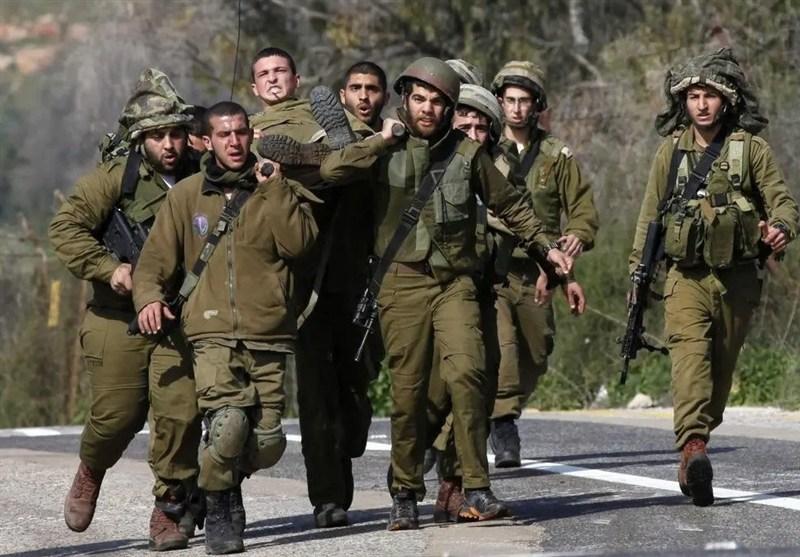
Hezbollah Drone Strikes Injure Israeli Soldiers in South Lebanon Despite Ceasefire
12 sources compared
Israeli Airstrikes Kill Civil Defense Rescuers in Majdal Zoun, Lebanon
18 sources compared