Israeli Strikes Kill Three Lebanese Civil Defence Rescuers In Majdal Zoun
Key Takeaways
- Three Lebanese Civil Defence rescuers were killed in Majdal Zoun.
- Casualty toll varies across outlets, five to eight deaths.
- Strike hit a building in Majdal Zoun amid ongoing Israel-Hezbollah fighting.
Majdal Zoun double-tap
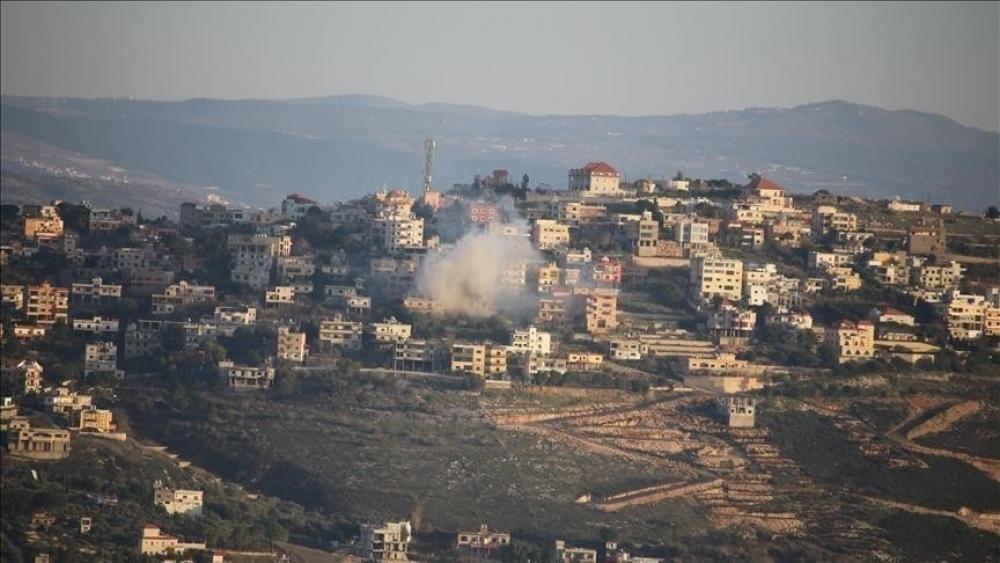
Israeli air strikes on the southern Lebanese town of Majdal Zoun killed at least five people, including three civil defence personnel, as Lebanese President Joseph Aoun condemned what he said was part of “a series of assaults targeting relief and first aid workers.”
“US President Donald Trump says Iran is in a “state of collapse” and has urged a swift lifting of the US blockade, as Gulf leaders meeting in Saudi Arabia call on Tehran to rebuild trust after “treacherous” regional attacks”
Middle East Eye reported that Aoun said the strike showed Israel “continues to violate international laws protecting civilians and emergency responders,” citing National News Agency.

Al Jazeera likewise said Israeli strikes in southern Lebanon killed three emergency workers, and it quoted Aoun describing the incident as a “war crime.”
The Saudi Gazette reported that two successive air strikes on a building in southern Lebanon killed five people, including three rescuers who went to help those wounded in an earlier attack, and it said the Lebanese Civil Defense told Reuters the three rescuers were “initially trapped under rubble by the second Israeli strike.”
The National reported that Israeli strikes killed five members of one family and three civil defence rescuers in southern Lebanon, including a double-tap attack in Majdal Zoun where “three rescuers were killed” as crews evacuated the wounded and retrieved bodies from an earlier attack.
In the same incident, The National said Lebanon’s National News Agency reported an overnight air strike hit a residential building belonging to the Al Bahja family in Jibchit, naming “Muhammad Jawad Bahjat and his wife Latifiya” and “Amani Jaber and her daughter Maryam Hilal Bahjat and her infant son Ali Al Rida Hilal Bahjat.”
Al Jazeera’s reporting from Tyre said five people, including three medics, were killed in a strike on rescue workers, and it added that “two soldiers wounded” were reported.
Across the accounts, the common thread was that the second strike hit rescue personnel while they were responding, with The National describing the pattern as “double-tap” strikes that “often” occur “with rescue workers on the scene.”
Ceasefire strains and escalation
The Majdal Zoun incident unfolded despite a US-mediated ceasefire between Israel and Lebanon, with multiple outlets describing how strikes continued and how the truce remained fragile.
The Saudi Gazette said the killings happened “despite a US-mediated ceasefire,” and it described Israeli forces continuing “air strikes that kill and injure people on a daily basis, primarily in the south and east of the country.”

The National similarly said the strikes came “despite a US-mediated ceasefire between Israel and Lebanon,” adding that the ceasefire had “left Israel occupying parts of the country.”
Al Jazeera reported that Israeli forces have continued “air strikes, shelling and demolitions,” while Hezbollah has stepped up “drone attacks and rocket fire,” and it framed the situation as highlighting “fragile ceasefire conditions.”
Euronews said Israel has been fighting Hezbollah since early March, sending troops into south Lebanon, and it described violence continuing “despite a shaky ongoing ceasefire.”
Naharnet and Euronews both tied the broader escalation to early March, with Naharnet saying Israel has been fighting Hezbollah since early March and that the violence has continued despite a shaky April 17 ceasefire.
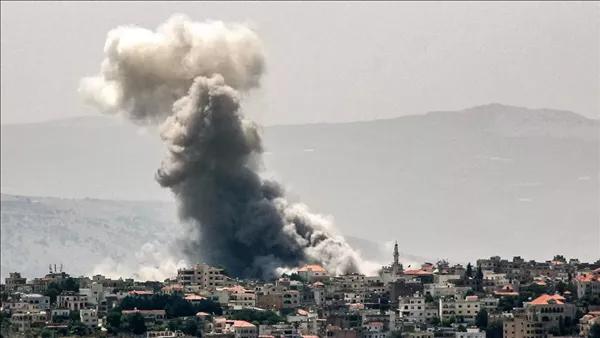
The National also placed the Majdal Zoun strike within a wider pattern of displacement orders, saying Israel had issued displacement orders to residents of “more than a dozen villages and towns in southern Lebanon on Tuesday.”
Al Jazeera added that Israeli troops remain stationed in parts of southern Lebanon and warned civilians not to return, while also saying air strikes were reported outside the zone.
Salam, Aoun and Civil Defence
Lebanon’s political leadership and civil defence officials framed the Majdal Zoun killings as deliberate targeting of humanitarian responders, with Prime Minister Nawaf Salam and President Joseph Aoun both using the language of war crimes.
“Lebanon’s Prime Minister labeled Israeli attacks as “war crimes” after three rescue workers were killed”
The Saudi Gazette quoted Salam saying: “Targeting elements of the Civil Defence in Majdal Zoun, and their killing while carrying out their humanitarian duty, constitutes a new and described war crime perpetrated by Israel,” and it added that he said it “represents a flagrant violation of the principles and rules of international humanitarian law.”
In the same report, Salam said “The government will spare no effort to condemn this heinous crime in international forums and to mobilise all efforts to compel Israel to cease its ongoing violations of the ceasefire agreement,” and it said Aoun issued a statement describing the killings as part of “a series of attacks that targeted relief and first aid workers.”
Aoun’s statement, as carried by the Saudi Gazette, said the killings “indicate that Israel continues to violate international laws and conventions that protect civilians, paramedics, Civil Defense personnel, the Red Cross, and workers in the fields of rescue, first aid, and medicine.”
Reuters was cited by the Saudi Gazette through a Civil Defense spokesperson who told Reuters the three rescuers were “initially trapped under rubble by the second Israeli strike” and were later confirmed dead.
The National also quoted Salam calling the attack “a clear war crime,” and it said Aoun described it as showing Israel’s “continued violation of the international law protecting rescuers and civilians.”
Al Jazeera likewise said Aoun described the strikes as a “war crime,” and it reported that Heidi Pett said the incident killed three medics and five people overall.
The National added that the Lebanese army said two troops were wounded in the second strike that targeted its forces, the rescue workers and “two civilian bulldozers.”
Different tallies, different framing
The sources diverged on casualty totals and on how they described the incident’s scope, even while agreeing on the core claim that rescue workers were killed in a second strike.
Al Jazeera said Israeli strikes in southern Lebanon killed three emergency workers, and it also reported that five people, including three medics, were killed in a strike on rescue workers, with “two soldiers wounded.”
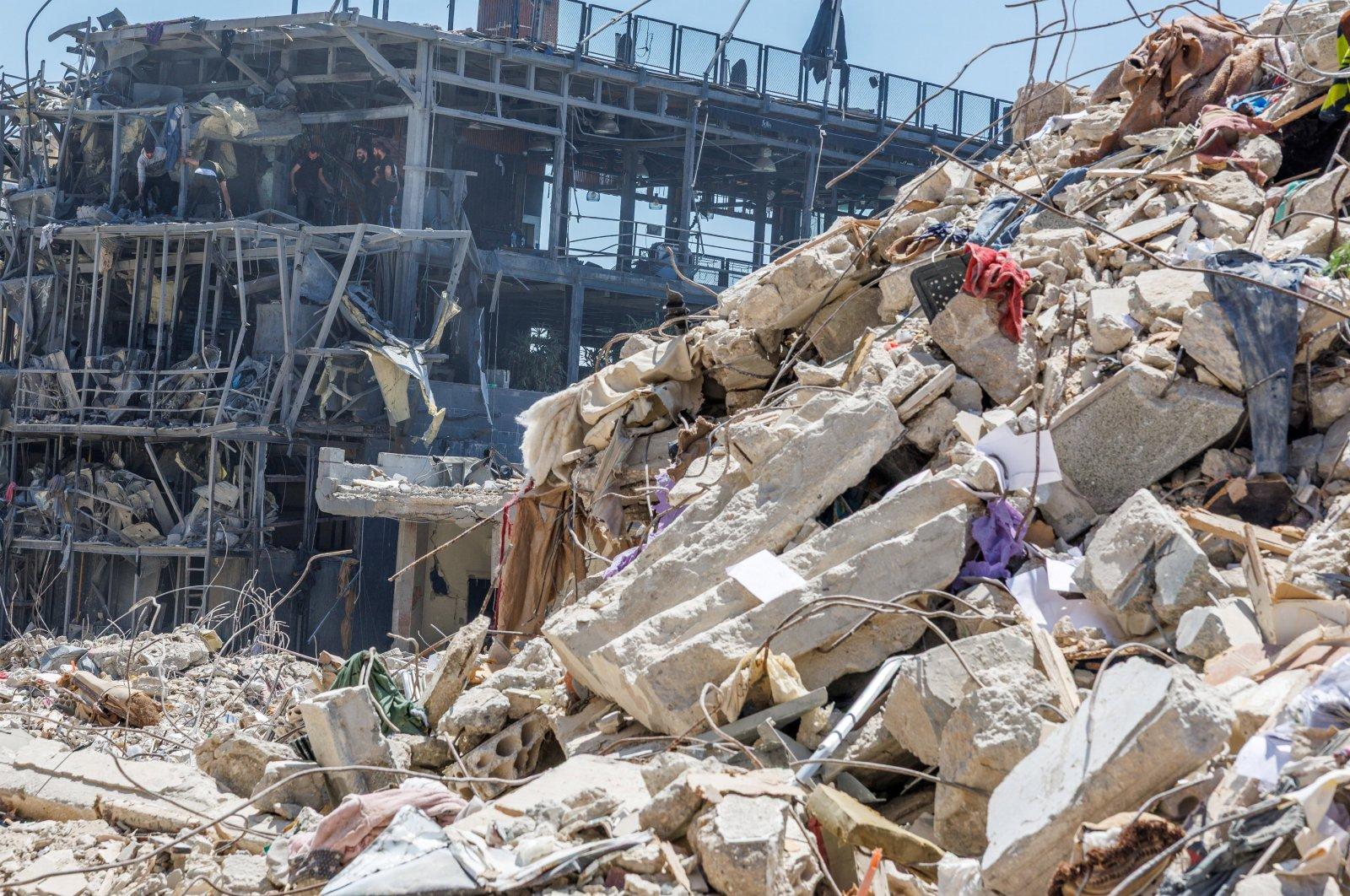
The Saudi Gazette reported that two successive air strikes on a building in southern Lebanon killed five people, including three rescuers, and it described the Civil Defense spokesperson’s account of rescuers trapped under rubble by the second strike.
The National described the Majdal Zoun double-tap as killing “three rescuers” and said Israeli strikes also killed “five members of one family” in Jibchit, naming the Al Bahja family members and their infant son.
Naharnet said Israeli strikes on Tuesday killed eight people, including civil defence rescuers, and wounded two soldiers, while also quoting Lebanon’s health ministry that the “preliminary toll” from Majdalzoun killed “five martyrs” including “three paramedics from the Lebanese civil defense.”
Euronews similarly said Lebanon’s health ministry reported that Israeli strikes killed eight people, including three rescue workers, and it added further details about additional strikes in Jebchit and Jwaya.
AnewZ, in contrast, said “Five people have been killed” in Israeli air strikes on southern Lebanon, including three emergency responders, and it described the second strike as hitting as rescue teams were already at the scene.
Middle East Eye and The National both emphasized the Majdal Zoun strike killing at least five people, but Middle East Eye’s account focused on Aoun’s condemnation and the death of “at least five people, including three civil defence personnel.”
What comes next
The sources portrayed the aftermath as a mix of diplomatic escalation, continued military activity, and international legal pressure, with Lebanon insisting it would not accept occupation and with human rights groups calling for action.
“Israel has been fighting Hezbollah since early March, sending troops into south Lebanon to battle the Iran-backed militant group, with the violence ongoing despite a shaky ongoing ceasefire”
The National said Lebanon’s UN envoy Ahmad Arafa told the UN Security Council, “We reiterate that the Lebanese government will not compromise on a single metre of Lebanese territory, and we will not accept any form of occupation,” and it reported that he accused Israel of undermining mediation efforts and continuing attacks.
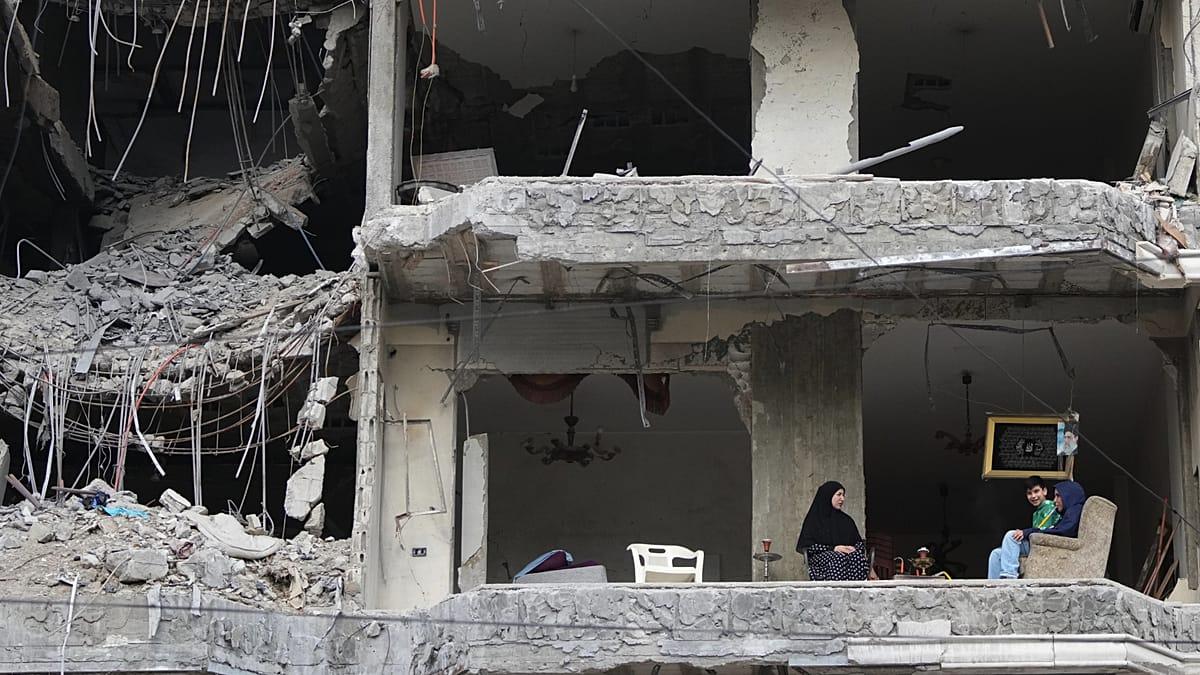
It also said Arafa warned that “developments on the ground remain extremely dangerous,” while asserting that Lebanon remained committed to diplomacy aimed at securing a lasting ceasefire.
In parallel, the Saudi Gazette reported that Salam said the government would mobilise efforts “to compel Israel to cease its ongoing violations of the ceasefire agreement,” and it quoted Aoun’s statement that the killings “indicate that Israel continues to violate international laws and conventions” protecting rescue workers and medical personnel.
The National added that Arafa accused Israel of violating Lebanon’s sovereignty through attacks inside the country and said he told council members, “They are targeting civilians, medical personnel, hospitals, journalists, Lebanese security services and Unifil forces.”
The National also said Arafa warned that Israel was undermining the credibility of “the guarantor states of the 2024 cessation of hostilities declaration,” naming “France and the United States.”
Beyond government statements, the Saudi Gazette included Human Rights Watch researcher Ramzi Kaiss, who said international silence had “only emboldened the Israeli military’s atrocities,” and it quoted Kaiss calling on Israel’s allies “to suspend all arms sales, arms transit, and military assistance to Israel and impose targeted sanctions on officials credibly implicated in ongoing grave crimes.”
Euronews added that Amnesty International urged Israel “to stop destroying civilian property in southern Lebanon,” and it reported Israel’s military said it found “two Hezbollah terror tunnels” in Qantara and that Lebanon’s health ministry raised the death toll to 2,534.
More on Lebanon

Hezbollah Launches Drones at Israeli Soldiers in South Lebanon After 17 April Ceasefire
20 sources compared
Israel Defense Forces Order Evacuation of 16 Towns in Southern Lebanon Toward Sidon
13 sources compared
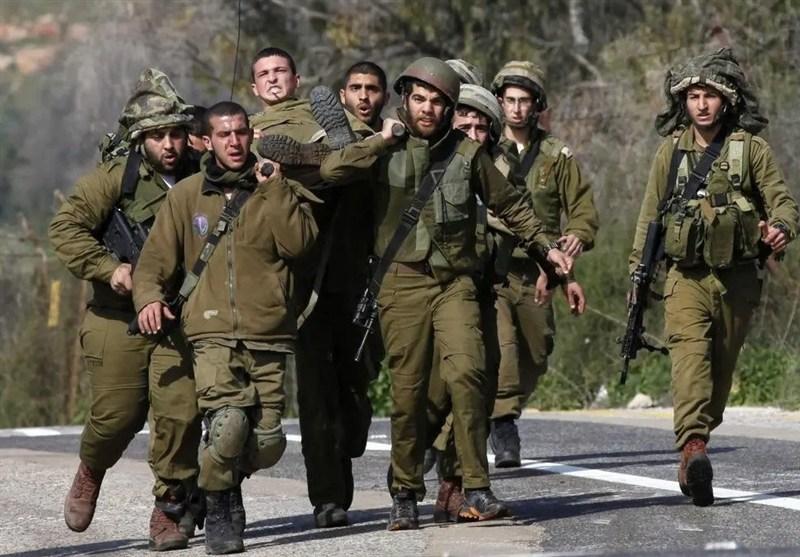
Hezbollah Drone Strikes Injure Israeli Soldiers in South Lebanon Despite Ceasefire
12 sources compared

Israeli Airstrikes Kill Civil Defense Rescuers in Majdal Zoun, Lebanon
18 sources compared