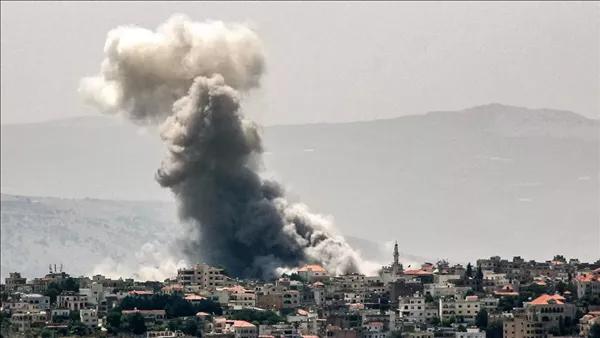
Israel Defense Forces Order Evacuation of 16 Towns in Southern Lebanon Toward Sidon
Key Takeaways
- Israeli army ordered evacuation of 16 towns in southern Lebanon.
- Israel cites Hezbollah's ceasefire violation to justify the orders.
- Residents are instructed to move north toward Sidon as evacuation proceeds.
Evacuation of 16 towns
The Israel Defense Forces issued a new warning ordering residents to evacuate 16 towns and villages in southern Lebanon, directing them to leave their homes and head to the Sidon region.
“Israel has issued new forced evacuation notices for areas in southern Lebanon, ordering residents of seven towns that lie beyond its so-called “buffer zone” to leave, ramping up the conflict with Hezbollah despite a US-brokered ceasefire”
In the Folha de S.Paulo account, the IDF statement was issued on Tuesday (28) and ordered residents of the 16 areas to “immediately leave their homes and head to the Sidon region.”

Operativ Məlumat Mərkəzi likewise says the IDF issued an urgent evacuation order for 16 communities in southern Lebanon ahead of planned airstrikes targeting Hezbollah infrastructure, and it places the warning specifically “south of the Litani River.”
Anadolu Ajansı reports that the Israeli army spokesman Avichay Adraee urged residents of 16 towns to evacuate and head north, listing Ghandoorieh, Borj Qalaouiyeh, Qalaouiyeh, Sawaneh, Jmeijmeh, Safad al-Battikh, Braachit, Shaqra, Aita al-Jabal, Tebnine, Sultaniyeh, Bir al-Sanasil, Dounine, Kherbet Selem, Selaa, and Deir Kifa.
DD News On Air similarly names the evacuation to the Sidon area and lists al-Sawana, al-Jumayjima, Khirbet Silm, Salaa and Deir Qifa among the affected towns and villages.
PressTV frames the orders as displacement orders “beyond ‘yellow line’,” saying the Israeli army ordered the immediate evacuation of residents from at least 16 towns and that residents are “required to evacuate their homes and move away from the specified area toward the Sidon District.”
Across the accounts, the common operational direction is to move away from the specified southern areas toward Sidon, with the Litani River repeatedly appearing as the geographic reference point.
Why Israel says it acts
Israel’s stated rationale for the evacuation orders is tied to alleged ceasefire violations by Hezbollah and to planned strikes aimed at Hezbollah infrastructure.
Folha de S.Paulo says Tel Aviv justifies attacks by arguing there was an alleged violation of the ceasefire by Hezbollah, describing it as a “recurring accusation from both sides throughout the conflict,” and it adds that Lebanese authorities say the offensives are “premeditated.”

Operativ Məlumat Mərkəzi attributes the evacuation order to IDF spokesperson Avraee, saying the military is “compelled to use force due to Hezbollah's violations of the existing ceasefire agreement.”
In the same account, Adraee emphasizes that people remaining near Hezbollah facilities are placing their lives at significant risk, stating that individuals remaining in close proximity to Hezbollah facilities are “placing their lives at significant risk.”
Anadolu Ajansı similarly reports that Adraee urged residents to evacuate and head toward the Sidon area, while claiming, “The army does not intend to harm you.”
Al Jazeera describes the broader escalation as Israel issuing forced evacuation notices for areas in southern Lebanon “despite a US-brokered ceasefire,” with an Israeli military spokesperson saying Hezbollah was violating the ceasefire and that Israel would act against it.
It also quotes Hezbollah’s rejection of the allegations, saying its continued attacks are a “legitimate response to the enemy’s persistent violations of the ceasefire,” which it claims have exceeded 500 incidents.
Casualties and rescue deaths
Alongside the evacuation orders, the sources describe deaths connected to Israeli attacks and to rescue operations in southern Lebanon.
Folha de S.Paulo says Lebanon's Civil Defense reported that an Israeli attack killed three of its members who were taking part in a rescue operation in the south of the country, and it specifies that the rescuers died in the city of Majdal Zoun after becoming “trapped under the rubble” of a building hit.
The same account adds that the Lebanese Ministry of Health said two more people also died in the attack.
Al Jazeera’s account focuses more on the forced evacuation notices and the continued conflict, but it also provides a casualty baseline for the renewed war, stating that since March 2 “at least 2,509 people have been killed and 7,755 wounded by Israeli attacks, according to Lebanon’s Health Ministry.”
PressTV likewise reports that Israeli attacks in Lebanon have killed at least 2,509 people and wounded 7,755 since March 2, attributing the figures to the Lebanese Health Ministry.
Folha de S.Paulo provides additional context on the overall conflict toll, saying the Lebanese government put the total number of dead in the country during the conflict at 2,521 with more than 7,800 wounded.
It also says Itamaraty confirmed that two Brazilians, a mother and her son, were killed in Israeli attacks in Lebanon on Sunday (26).
Hezbollah response and Israel’s statements
The sources also record direct statements from both sides about whether the ceasefire will hold and about what actions will continue.
Folha de S.Paulo reports that Israel's Defense Minister Israel Katz said Hezbollah “is playing with fire” and that it will drag Lebanon into a catastrophe, quoting Katz: “Naim Qassem [leader of the armed group] is playing with fire, and that fire will burn Hezbollah and all of Lebanon.”

It also says that despite the truce signed on the 16th, Israel reserves the right to act against planned, imminent, or ongoing attacks by Hezbollah, and it notes that even during the agreement, Israeli forces carried out repeated offensives and occupied parts of southern territory.
In the same account, Hezbollah, backed by Iran, says it has the “right to resist” what it calls an occupation.
Al Jazeera adds that Hezbollah rejected allegations that it is undermining the Israel-Lebanon ceasefire and says its continued attacks are a “legitimate response to the enemy’s persistent violations of the ceasefire,” which it claims have exceeded 500 incidents.
Al Jazeera also reports that Hezbollah said it would not cease its attacks on Israeli troops inside Lebanon and on towns in northern Israel as long as Israel continued its ceasefire violations.
It further says Hezbollah criticized Netanyahu for accusing the resistance movement of undermining the ceasefire agreement, vowing to continue its “legitimate response” to ongoing Israeli violations.
How outlets frame the same order
While the evacuation order is consistent in its core direction—moving residents toward Sidon and away from areas in southern Lebanon—the sources frame the action through different lenses and with different emphases.
“IDF orders evacuation of 16 Lebanese towns - Breaking The News Home Markets Economy Business Politics World War/Terrorism Technology Crypto Sports Insights [](https://breakingthenews”
Folha de S.Paulo presents the IDF warning as a “new warning to evacuate 16 towns and villages in southern Lebanon,” and it pairs the order with a description of Israel Katz’s “playing with fire” comments and with a note that Lebanese authorities say the offensives are “premeditated.”

Operativ Məlumat Mərkəzi, citing foreign media reports, foregrounds the IDF spokesperson Avichay Adraee and the claim that the military is “compelled to use force due to Hezbollah's violations of the existing ceasefire agreement,” while also stressing that residents remaining near Hezbollah facilities are at risk.
Al Jazeera frames the same evacuation as escalation “despite a US-brokered ceasefire,” and it emphasizes the “buffer zone” concept, saying the towns are north of the Litani River and outside Israel’s declared buffer zone.
PressTV frames the orders as displacement orders “beyond ‘yellow line’” and describes “widespread violations of a ceasefire agreement by the occupying regime,” while also listing a set of towns and calling the area outside the “Yellow Line” a strip roughly 10 kilometers deep along the border.
Anadolu Ajansı and DD News On Air both report the evacuation list and the Sidon direction, but they differ in how they describe the broader context: Anadolu Ajansı ties it to the ceasefire violation claim, while DD News On Air adds that Hezbollah said it would not cease attacks on Israeli troops inside Lebanon and on towns in northern Israel.
Even the casualty framing differs: Folha de S.Paulo includes Civil Defense deaths in Majdal Zoun and Ministry of Health figures for additional deaths, while Al Jazeera and PressTV emphasize the larger since-March-2 casualty totals attributed to Lebanon’s Health Ministry.
What comes next
The sources portray the evacuation orders as part of a continuing military posture that can lead to further strikes and further displacement, even while a ceasefire is described as having been negotiated.
Folha de S.Paulo says the truce was signed on the 16th and that Israel says it reserves the right to act against planned, imminent, or ongoing attacks by Hezbollah, while also noting that Israeli forces have carried out repeated offensives and occupied parts of southern territory even during the agreement.
It also says Lebanese residents were warned not to return to their homes, while troops remain positioned along a 5 km to 10 km strip along the entire border with Lebanon.
Operativ Məlumat Mərkəzi similarly describes the situation in southern Lebanon as volatile following the recent cessation of hostilities agreement and links the evacuation orders to planned airstrikes targeting Hezbollah infrastructure.
Al Jazeera reports that the US-mediated ceasefire started on April 16 and has been extended to mid-May, while both sides continued to fire at each other and traded blame over breaches.
It also says the Israeli army said it struck Hezbollah’s “military infrastructure sites used to advance attacks,” in a post on X, and it reports that Netanyahu said “From our perspective, what obliges us is the security of Israel, the security of our soldiers, the security of our communities,” during a cabinet meeting.
Folha de S.Paulo says President Joseph Aoun advocates direct negotiations with Israel to end Tel Aviv's offensive, while Hezbollah opposes the talks, and it states that Aoun said the goal is to stop Israeli attacks, withdraw troops from the country, and position Lebanese forces along the border.
More on Lebanon

Hezbollah Launches Drones at Israeli Soldiers in South Lebanon After 17 April Ceasefire
20 sources compared
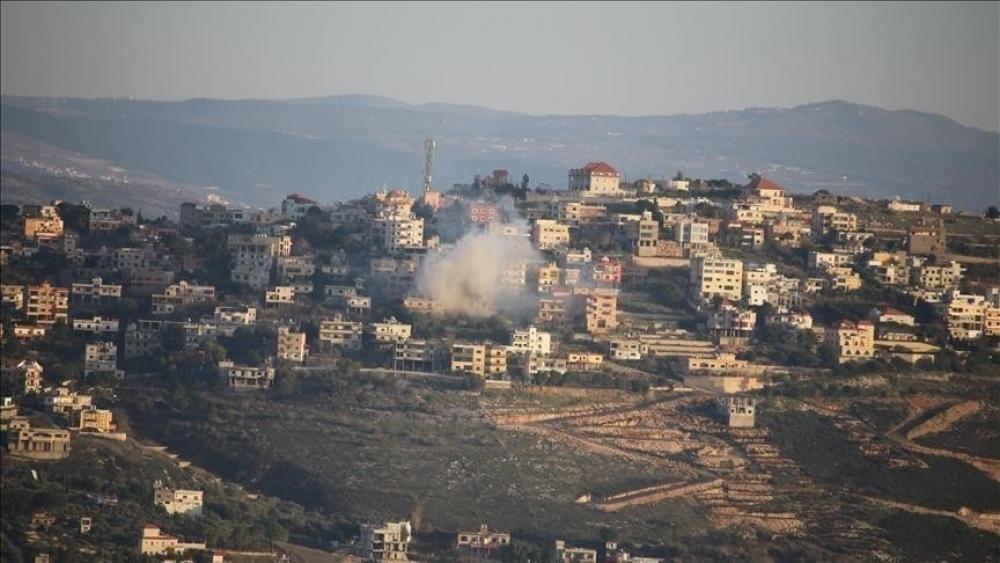
Israeli Strikes Kill Three Lebanese Civil Defence Rescuers In Majdal Zoun
18 sources compared
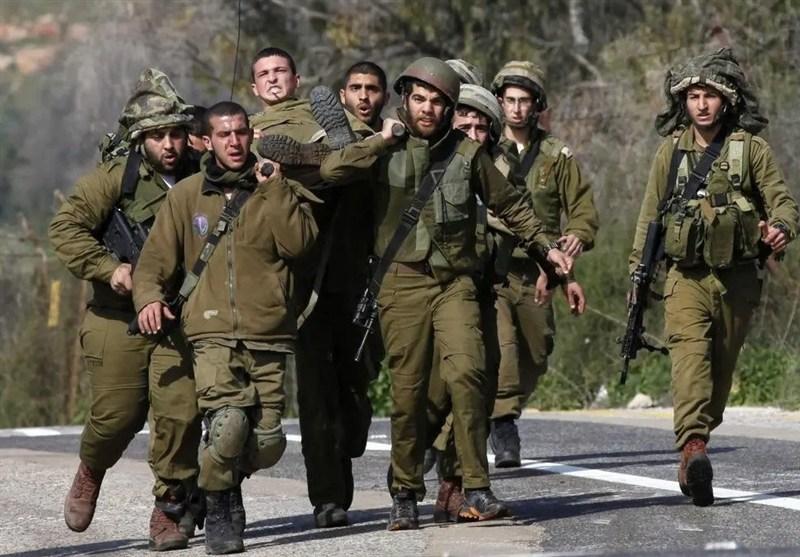
Hezbollah Drone Strikes Injure Israeli Soldiers in South Lebanon Despite Ceasefire
12 sources compared

Israeli Airstrikes Kill Civil Defense Rescuers in Majdal Zoun, Lebanon
18 sources compared