
Trump Tells Netanyahu To Limit Lebanon Strikes As Ceasefire Stalls
Key Takeaways
- Trump told Netanyahu to limit Lebanon strikes to targeted, surgical actions.
- Ceasefire falters; Trump urged restraint to prevent its collapse over the next two weeks.
- Axios published the remarks from a phone interview with Trump.
Ceasefire falters in Lebanon
U.S. President Donald Trump told Israeli Prime Minister Benjamin Netanyahu that Israel should only take “surgical” military action in Lebanon and avoid a full resumption of the war, Axios reported in a phone interview.
Axios said the ceasefire Trump helped broker in Lebanon is being only partially observed and that officials in both Israel and Lebanon are concerned it will collapse entirely before it expires in mid-May.
Axios also reported that there has been no progress in launching Israel-Lebanon peace talks, even though Secretary of State Marco Rubio hosted two meetings with the respective ambassadors.
The Axios report described continued Israeli military activity in southern Lebanon, including occupying the area and flattening houses it claims were used by Hezbollah.
It also said Hezbollah continued to conduct rocket and drone attacks against Israeli forces in Lebanon and villages across the border, while Israel expanded its airstrikes in Lebanon in response.
In parallel, An-Nahar said Trump told Netanyahu that Israeli operations in Lebanon should be limited to targeted operations and that Trump warned Netanyahu against demolishing buildings because it “harms Israel's image.”
An-Nahar added that despite the ceasefire, Israeli forces continued to demolish homes in southern Lebanon and that Israeli aircraft carried out strikes on several southern towns on Wednesday.
Trump’s demand: restraint
In the Axios phone interview, Trump framed his instruction to Netanyahu as a direct constraint on how Israel conducts strikes in Lebanon, telling Axios: “I told Netanyahu he has got to do it more surgically. Not knock down buildings. He can't do it. It is too terrible and makes Israel look bad.”
Axios reported that Trump stressed he likes Lebanon and its leadership and believes the country can “make a comeback,” while also arguing that “Iran ruined Lebanon” and that “their proxy [Hezbollah] ruined Lebanon.”

An-Nahar echoed the same core message, stating that Trump told Netanyahu he must be careful in Lebanon and “cannot demolish buildings,” repeating that the approach “harms Israel's image.”
The Axios report also described the political pressure behind the scenes, saying Israeli officials were growing increasingly frustrated by constraints imposed by the Trump administration and that Trump spoke to Netanyahu every day that week.
Axios said Netanyahu told Trump during their conversations that he will have to increase the Israeli response to Hezbollah's attacks, according to Israeli officials.
A separate report in Elnashra described Axios’s account that Trump urged Netanyahu to constrain operations in Lebanon to “precise, targeted actions” as the ceasefire stalls.
Elnashra also included a line attributed to Channel 12 that “I asked Netanyahu to work in Lebanon with greater caution and not to strike buildings, as that harms Israel’s image.”
Diplomacy and negotiations stall
Axios linked Trump’s “surgical” instruction to a broader diplomatic effort that, the outlet said, is not yet taking hold on the ground.
“Trump tells Netanyahu to only carry out 'surgical' strikes in Lebanon: Report 'I told Netanyahu he has got to do it more surgically”
It reported that there has been no progress in launching Israel-Lebanon peace talks, despite Secretary of State Marco Rubio hosting two meetings with the respective ambassadors.
Axios also said the Trump administration claims the ceasefire in Lebanon is unconnected to the ceasefire with Iran, while warning that a resumption of war there would complicate diplomacy with Tehran.
The report described a White House push to launch Israel-Lebanon peace talks, but said the intended parties are not.
Axios said Trump wants to hold a trilateral summit with Netanyahu and Aoun, but that it is unlikely the Lebanese president would agree without significant progress having been achieved.
It quoted Firas Maksad, managing director for Middle East and North Africa at Eurasia Group, saying: “It's difficult to say 'no' to President Trump and risk his wrath, but it is also increasingly difficult to sustain direct negotiations with Israel, let alone meeting Netanyahu at the White House, when the destruction of villages and loss of Lebanese lives continues.”
Elnashra’s compilation similarly referenced the idea that “there is no real ceasefire on the ground as Israel continues massacres in the south,” and it included a line that “Netanyahu: We are acting firmly in Lebanon according to the rules agreed with Washington and the Lebanese government.”
Casualties and continued strikes
While Trump urged restraint, the sources describe ongoing Israeli strikes and casualties in southern Lebanon.
An-Nahar said the Lebanese army announced the “martyrdom of a soldier and his brother” as a result of an Israeli airstrike that targeted them in the town of Khirbet Salam-Bint Jbeil while they were traveling on a motorcycle from a military work center to their home in the town of al-Suwaneh.
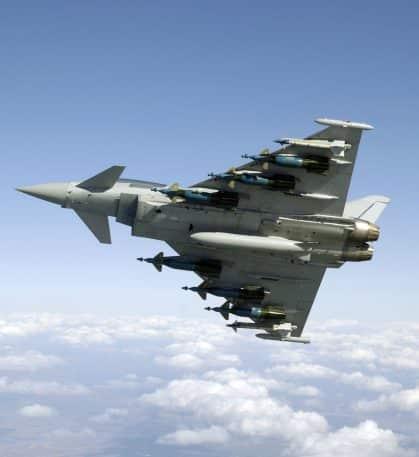
Axios described continued Israeli occupation and house-flattening in southern Lebanon, saying Israel claims the houses were used by Hezbollah, and it said Hezbollah continued rocket and drone attacks against Israeli forces in Lebanon and villages across the border.
Axios also said Israel expanded its airstrikes in Lebanon in response, and it reported that the government is under pressure to go much further.
Anadolu Ajansı reported that a ceasefire that began on April 17 and was later extended until May 17 continues to be violated, with Israel carrying out strikes that have caused casualties and widespread destruction of homes in dozens of villages in southern Lebanon.
Anadolu Ajansı further stated that, according to official Lebanese figures, the Israeli attacks since March 2 have killed at least 2,534 people, wounded 7,863 and displaced more than 1.6 million.
In the same Anadolu Ajansı report, Trump’s comments were repeated, including “I told Netanyahu he has got to do it more surgically. Not knock down buildings. He can't do it,” and the claim that “Iran ruined Lebanon.”
Pressure, markets, and fragile truce
Beyond diplomacy and battlefield activity, the sources also show how the ceasefire’s fragility is being framed as a political and economic risk.
“Trump advised Netanyahu to keep Lebanon strikes “surgical” as the ceasefire falters”
Axios reported that U.S. officials deny the U.S.-brokered ceasefire is collapsing, with a U.S. official saying: “Hezbollah is not a party to the ceasefire, and is trying to derail it,” and adding: “Hezbollah's strategy is clear: provoke, attack, and then blame Israel in order to kill the negotiations and make the Lebanese government look bad.”
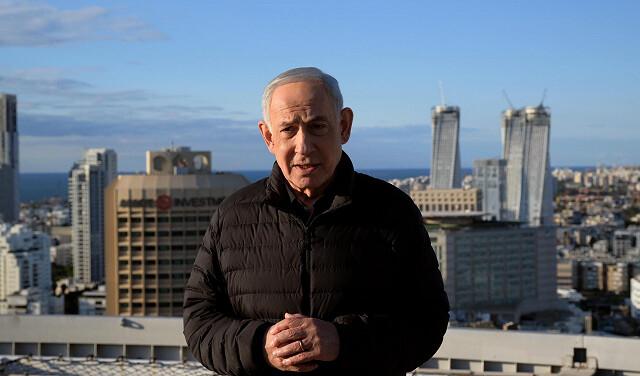
The same Axios report said the U.S. official described the Trump administration asking Israel to “show restraint” and to give space to the new diplomatic process with Lebanon.
It also said the U.S. official described a plan to “massively increase our political campaign on Hezbollah” and to look for ways to get the Lebanese Armed Forces to overcome their challenges on “a very rapid schedule.”
Crypto Briefing, meanwhile, framed the ceasefire in market terms, saying the “Israel-Hezbollah ceasefire market has dropped as tensions rise” and that traders were pricing in “the unraveling situation.”
Crypto Briefing added that “Continued Israeli military operations in Lebanon without diplomatic progress would likely push ceasefire odds lower and Netanyahu departure odds higher.”
Finally, Axios described how Lebanese leadership faces pressure from the U.S. to isolate and weaken Hezbollah, while also facing domestic pressure over Israel's occupation of southern Lebanon, flattening of villages and ongoing airstrikes, and it quoted a senior Lebanese official saying Beirut is concerned the Israeli presence will allow Hezbollah to regain legitimacy as “the resistance to an occupying force.”
More on Lebanon

Hezbollah Lawmaker Ibrahim Al-Moussawi Says Joseph Aoun Remarks Would Be a Catastrophe
12 sources compared
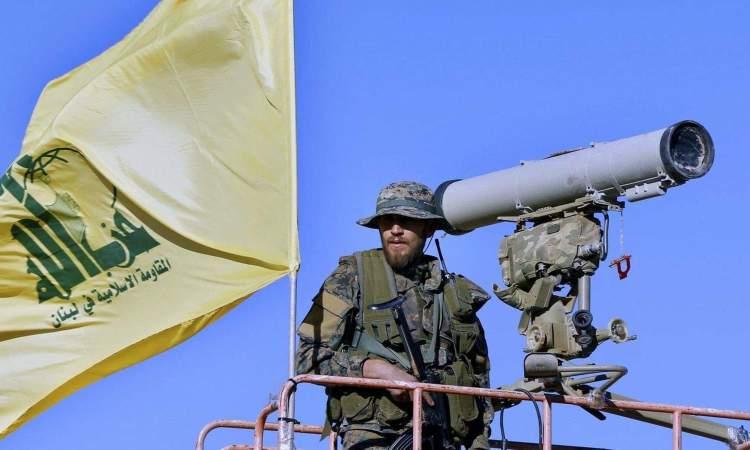
Hezbollah Fires Missiles and Drones, Striking Merkava Tanks in Al-Qantara and Kherbet Salam
14 sources compared

Lebanon Detains Ashraf Dabbour At Beirut’s Rafik Hariri International Airport On Corruption Charges
11 sources compared
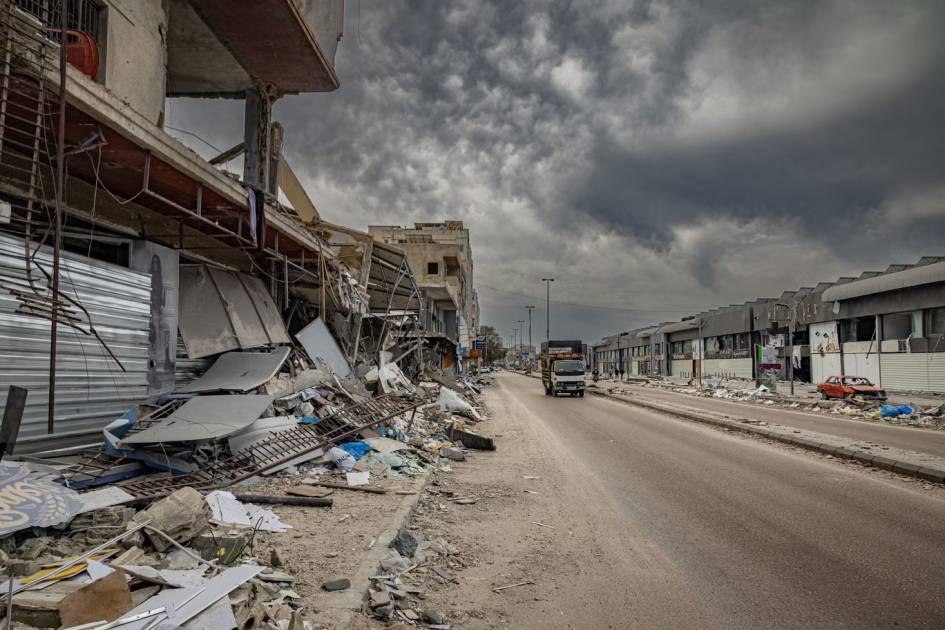
Israeli Officials Say Negotiations Put Lebanese President Joseph Aoun’s Life at Risk
28 sources compared