
Israeli Strikes Kill 31 In South Lebanon As Israel Expands Ground Operations
Key Takeaways
- 31 people killed and 40 wounded in southern Lebanon from Israeli strikes.
- Israel expanded ground operations beyond the Yellow Line, escalating military campaign.
- Israeli evacuation orders issued for multiple southern Lebanese towns amid attacks.
Strikes as ground expands
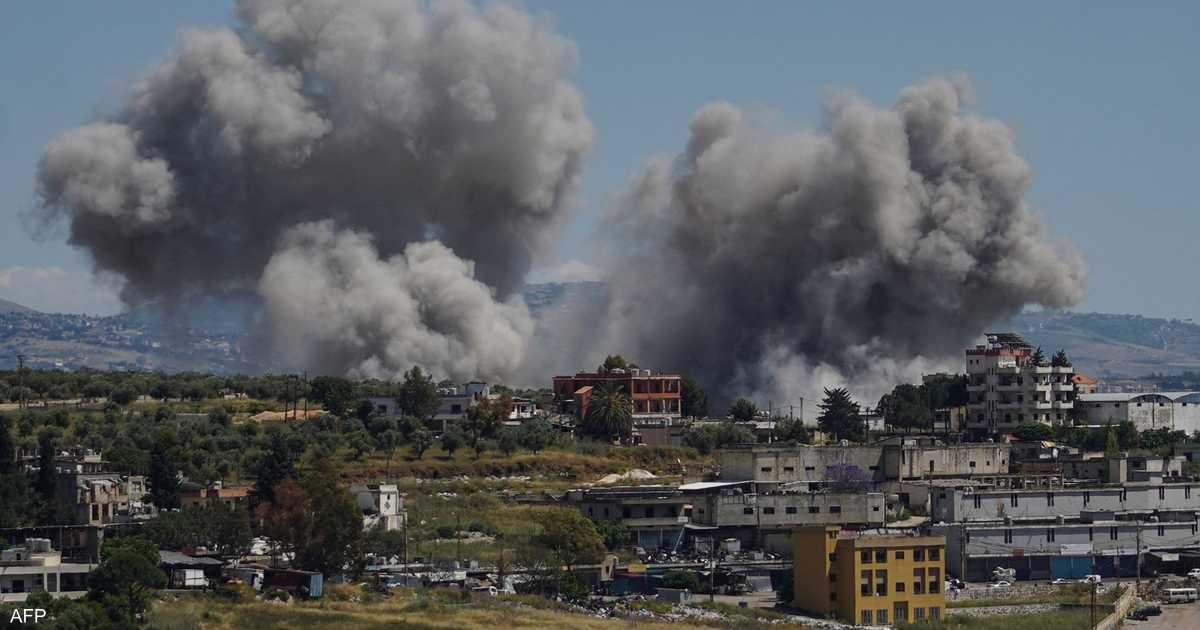
Israeli strikes in southern Lebanon killed 31 people and wounded 40, Lebanon’s health ministry said on Tuesday as Israel said it was intensifying attacks despite a truce in its war with Hezbollah.
The health ministry said 31 people, including at least four children and three women, were killed in attacks and 40 were wounded, with 14 killed in Burj al-Shamali near Tyre, five in Kawthariyat al-Riz, four in Habbush, six in Maarakeh and two in Salaa.

An Israeli military official told AFP that troops had begun operating beyond the Israel-announced "Yellow Line" in south Lebanon, which runs around 10 kilometres (six miles) deep inside Lebanese territory.
Hezbollah said its fighters confronted Israeli troops trying to advance into a town that overlooks Nabatieh city, and the group claimed responsibility for a series of drone and rocket fires on Israeli forces in Zawtar al-Sharqiyah.
In eastern Lebanon, the health ministry said an Israeli airstrike on Mashghara in West Bekaa resulted in a preliminary toll of 11 martyrs, including two girls and a woman, and 15 wounded, including a child.
Evacuation orders and claims
As Israel expanded operations, its Arabic-language spokesperson Avichay Adraee issued forced evacuation orders, warning residents: "For your safety, you must evacuate your homes immediately and move north of the Zahrani River."
Al Jazeera reported that the latest evacuation orders indicated that the Israeli army was expanding its military operations "way beyond the scope of what people thought," and said Israeli troops advanced across the Litani River toward Zawtar al-Sharqiyah.

Hezbollah said its fighters confronted Israeli troops attempting to enter Zawtar al-Sharqiyah early Tuesday after airstrikes and heavy artillery fire, and the group said it deployed drones and engaged Israeli soldiers directly in the town.
The Israeli military said it struck more than 100 Hezbollah infrastructure sites and "terrorists" in the Bekaa Valley and across southern Lebanon in a wave of attacks, while also issuing new evacuation warnings.
Lebanon’s health ministry said at least 3,213 people have been killed and 9,737 others have been wounded by Israel since March 2, as Al Jazeera said there was "no final death toll" because people remained missing.
What’s at stake next
The Litani River Authority warned that "any direct or indirect targeting of the Qaraoun Dam or its facilities could lead to catastrophic risks for residents, infrastructure, and vital installations" downstream.
Lebanon’s civil defence said one of its rescuers succumbed to his wounds after a double-tap strike on Qaraoun, near the dam, as he was tending to a man hit by a previous attack.
In parallel, UN secretary general spokesperson Farhan Haq said on Tuesday that on Monday UN peacekeepers in Lebanon detected "91 airspace violations, the highest number since the cessation of hostilities came into effect".
The same briefing said Unifil reported 399 firing incidents attributed to the (Israeli army) and 11 trajectories of projectiles attributed to Hezbollah, as the conflict continued despite the ceasefire.
Lebanese authorities said more than 3,100 people have been killed by Israeli strikes since March 2, when Hezbollah drew Lebanon into the Middle East war by attacking Israel in support of Iran.
More on Lebanon
Netanyahu Orders IDF To Intensify Strikes Against Hezbollah, Forcing Beirut Suburbs To Flee
18 sources compared
Israeli Strikes Kill Four Women as Netanyahu Deepens Ground Offensive in Southern Lebanon
25 sources compared

Israel Pounds Lebanon With More Than 120 Air Strikes as Netanyahu Deepens Operations
25 sources compared

Netanyahu Orders Intensified Strikes in Lebanon to Crush Hezbollah, Residents Flee Beirut Suburbs
26 sources compared