Netanyahu Orders Intensified Strikes in Lebanon to Crush Hezbollah, Residents Flee Beirut Suburbs
Image: Al-Jazeera Net

Netanyahu Orders Intensified Strikes in Lebanon to Crush Hezbollah, Residents Flee Beirut Suburbs

26 May, 2026.Lebanon.26 sources

Key Takeaways

  • Netanyahu vowed to crush Hezbollah, prompting intensified strikes across Lebanon.
  • Israeli airstrikes hit targets across Lebanon as escalation widens.
  • Beirut's southern suburbs residents flee amid strikes, signaling civilian displacement.

Netanyahu Orders Escalation

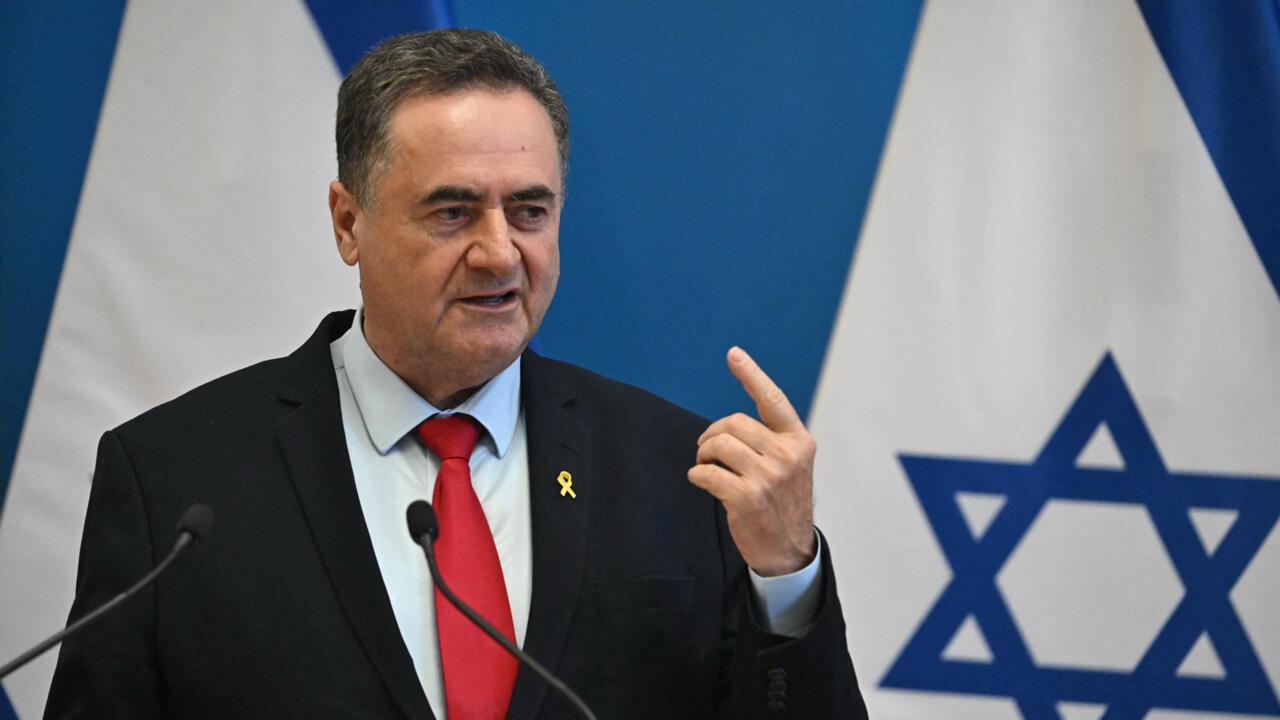
Israel intensified air strikes across southern and eastern Lebanon on Monday after Prime Minister Benjamin Netanyahu vowed to “crush” Hezbollah, deepening fears of a wider regional conflict.

France 24 reported that an AFP correspondent saw residents fleeing the southern suburbs of Beirut, a Hezbollah stronghold, after successive strikes in the Bekaa valley in eastern Lebanon on Monday evening.

Image from Al Jazeera
Al JazeeraAl Jazeera

The escalation came despite a ceasefire that came into effect on April 17, with Israel and Iran-backed Hezbollah continuing to exchange fire on a near-daily basis since March 2.

France 24 said Israeli strikes earlier targeted several towns and villages in southern Lebanon in the early hours, killing three people in two cars and on a motorcycle, and it cited Lebanon’s National News Agency (NNA) for those reports.

Netanyahu said in a video statement posted on his Telegram channel, “I have ordered an even greater acceleration of our operations,” as the Israeli military spokesman Colonel Avichay Adraee issued evacuation orders for 10 villages accusing Hezbollah of breaching the truce.

Hezbollah, Iran, and US

The Guardian said Hezbollah responded to Israel’s intensified strikes by staging several attacks on Monday on three barracks and a military post in northern Israel “in response to the violation of the ceasefire” by Israel.

The Guardian also quoted Netanyahu’s Telegram video statement: “We will intensify our blows, increase our firepower, and we will crush them.”

Image from Al Jazeera
Al JazeeraAl Jazeera

In parallel, France 24 said the United States and Iran were seeking to finalise terms of an agreement to end the Middle East conflict, with the Lebanon front included where Israel and Hezbollah have waged war since March 2.

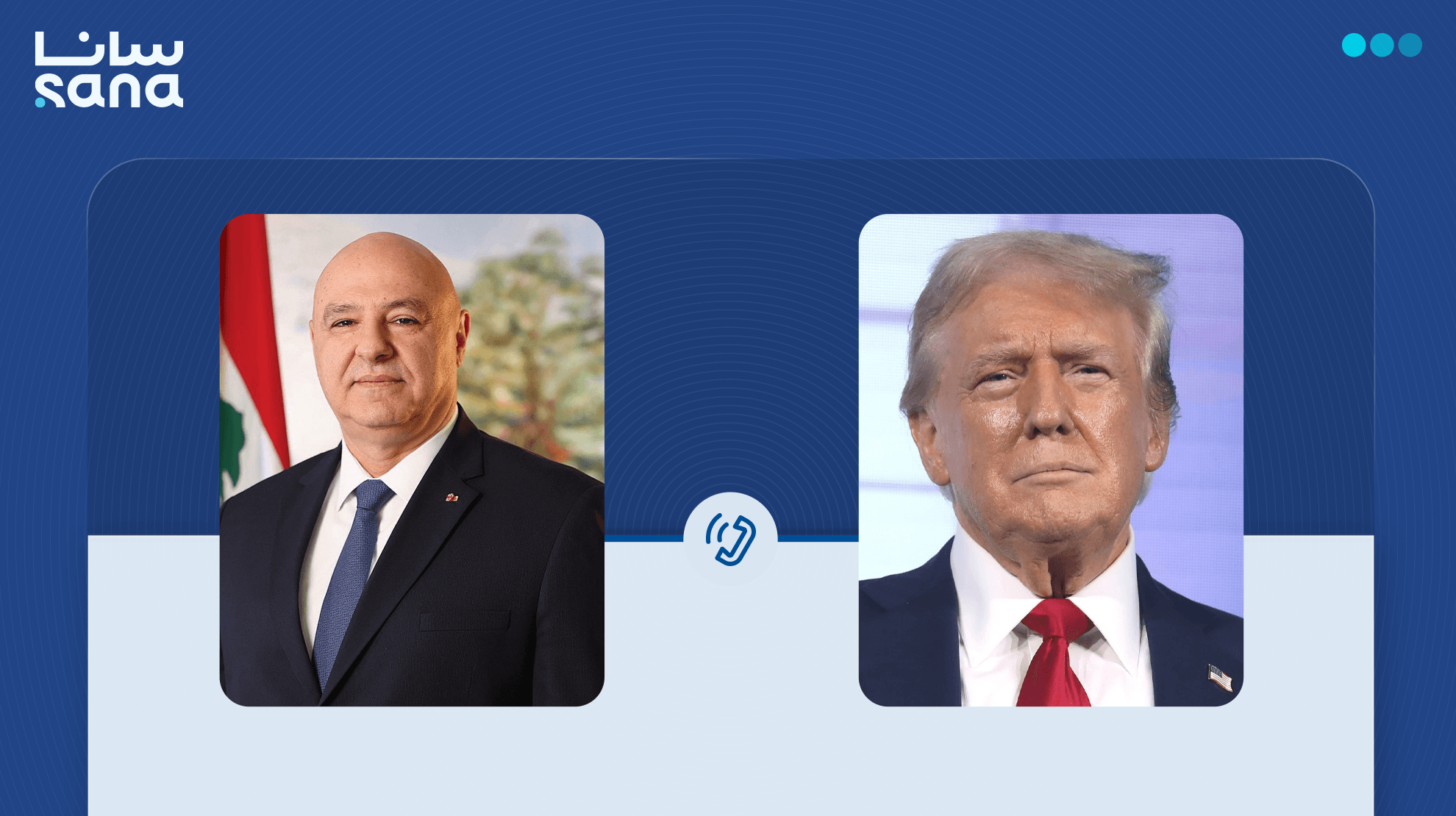
France 24 reported that Lebanon’s President Joseph Aoun defended his decision to hold talks with Israel and said his demand for a complete Israeli withdrawal from southern Lebanon was “non-negotiable,” while Hezbollah leader Naim Qassem reiterated opposition to direct negotiations and repeated his refusal to have his movement to disarm.

The Guardian added that Iran’s negotiating team spokesperson Esmail Baghaei said future management of the strait of Hormuz was a matter for Oman and Iran to reach agreement on, and that it was not tolls being proposed but “fees for navigational services”.

Casualties and Negotiations

Lebanon’s Ministry of Health, as cited by CNN, announced that the number of people killed by Israeli airstrikes on the country during the period from March 2 to May 25 stood at 3,185, while the number of people injured reached 9,633.

CNN said the National News Agency reported three people were killed in strikes that hit vehicles on a road a few miles east of the city of Nabatieh, and it described Israeli operations involving warplanes, drones, and artillery across various areas of southern Lebanon.

France 24 reported that Israeli strikes since early March have killed more than 3,100 people and that the Israeli military announced on Monday that a soldier had been killed the previous day in southern Lebanon, bringing the number of Israeli soldiers killed since the outbreak of hostilities with Hezbollah to 23.

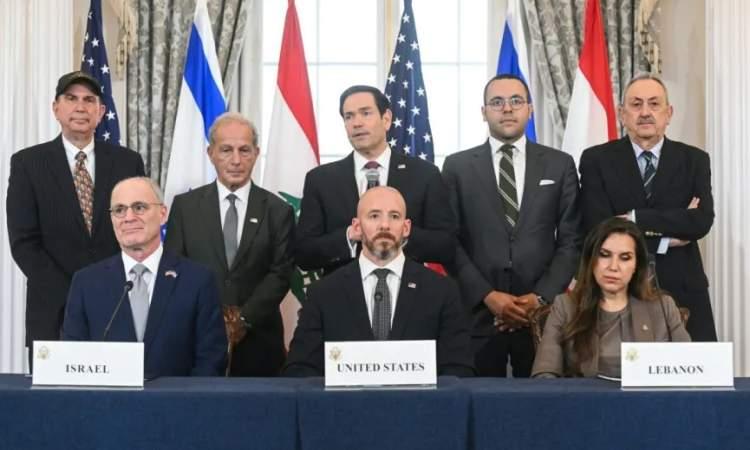
France 24 also said Lebanon and Israel, which do not have diplomatic relations, were holding another round of negotiations in Washington on June 2 and 3, preceded by a meeting of military officials from both countries at the Pentagon on May 29.

As the conflict threatens to complicate diplomacy, CNN said the escalation continued amid Israeli concerns that any potential U.S.–Iran agreement could restrict its freedom to maneuver militarily against Hezbollah in Lebanon.

More on Lebanon