US Oversees Israel’s Phased Withdrawal From Lebanon Pilot Zone Ahead of Rome Talks
Key Takeaways
- U.S. oversees the withdrawal from southern Lebanon pilot zones, first phase beginning within days.
- Lebanese Army will assume control of the first pilot zone currently held by Israeli forces.
- Rome talks next week will address operational logistics for pilot zones.
Pilot withdrawal framework begins
Israel and Lebanon are expected to hold talks in Rome next week on implementing a Washington framework agreement, with a U.S. official saying the first pilot zone will launch “in a matter of days” as the IDF withdraws from one area and the Lebanese Army moves in.
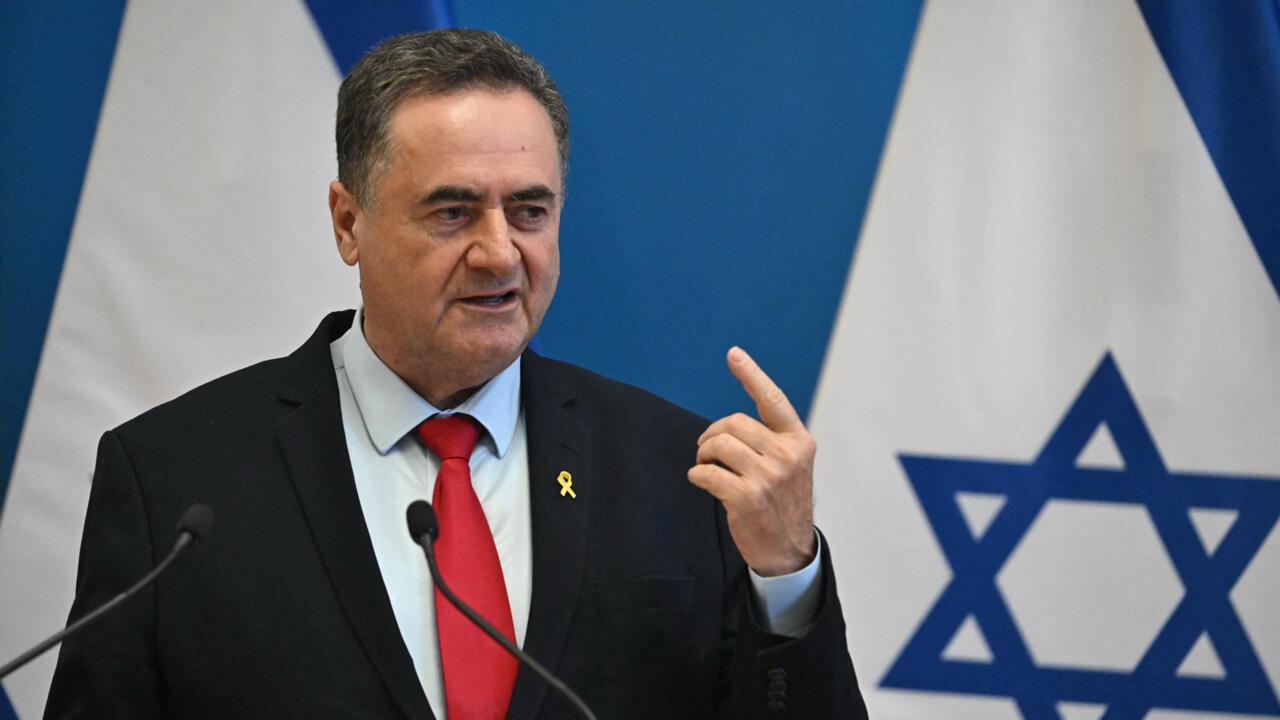
“'We do not need permission to stay in Lebanon,' Israeli defense minister says, rejecting Trump's withdrawal remarks Israel Katz says Israeli forces will remain in southern Lebanon until Hezbollah is disarmed despite US-backed withdrawal framework Lina Altawell 09 July 2026•Update: 09 July 2026 İSTANBUL Israeli Defense Minister Israel Katz on Thursday rejected US President Donald Trump's remarks suggesting Israel would withdraw from Lebanon under a framework agreement between Tel Aviv and Beirut, saying Israel "does not need permission to stay in Lebanon," according to the Israeli daily Yedioth Ahronoth”
The framework agreement, signed on June 26, provides for a phased Israeli withdrawal from areas of southern Lebanon where troops were deployed as part of a campaign against Hezbollah, with the Lebanese military taking full control of two small areas dubbed pilot zones.

Lebanon’s participation in the next round of direct negotiations in Rome is conditioned on an Israeli pullout from two pilot zones in the south, according to a diplomatic source cited by AFP and relayed by The New Arab.
In parallel, Israeli Defense Minister Israel Katz said the IDF would not withdraw from what he described as “security zones” in southern Lebanon, adding that “It is our right and our duty to protect the residents of the Galilee and the citizens of Israel from jihadist threats.”
Aoun, Katz trade threats
Lebanese President Joseph Aoun tied Lebanon’s continued participation in talks with Israel to the start of an Israeli withdrawal from southern Lebanon, and told the Saudi newspaper Asharq Al-Awsat that “We are facing an extremely difficult and complex situation” while stressing that the U.S. is “the only side capable of exerting pressure on the Israeli government.”
Aoun also said, “We want the U.S. administration to help us regain all of our land,” and warned that “The issue of sovereignty is not open to compromise or interpretation.”

Israel’s position, however, was reinforced by Katz, who said in a statement, “We did not ask permission from any party to enter Lebanon, and we do not need permission to remain in Lebanon,” while linking any withdrawal to Hezbollah being disarmed.
Ynetnews also reported that Aoun met U.S. Ambassador to Lebanon Michel Issa, and that Aoun pressed for pressure on Israel to halt military operations in southern Lebanon.
The New Arab reported that Hezbollah leader Naim Qassem said, “Not a single clause of the agreement will pass,” as the group reiterated its rejection of the framework agreement.
Implementation, sovereignty, and risk
A U.S. ambassador to Lebanon, Michel Issa, told Lebanese President Joseph Aoun that “an American military delegation will arrive in Beirut in the coming days to ... determine the mechanism for implementation on the ground,” as the U.S. moves to the “implementation stage” of the framework.
“The first "pilot zone" in Lebanon, where the Lebanese Army will take control of an area currently occupied by Israeli forces, will be launched "in a few days," while other zones are being identified and planned, a U”
The agreement says Lebanon will exert full responsibility for the zones only upon “confirmation of successful disarmament of non-state armed groups,” and the framework does not set a timetable for Israel’s withdrawal, while Israeli officials vowed forces would remain in a “security zone” 10km deep as long as Hezbollah remains armed.
The National reported that the Rome talks scheduled for 15 and 16 July would focus on operational logistics for the pilot zones, with the U.S. Central Command coordinating with both countries and the discussions described as closed to the press.
TRT World said Issa stated the timeline for the pilot zones would depend on the outcome of coordination meetings and stressed the need to avoid a security vacuum after Israeli forces withdraw from the designated areas.
In the background of the diplomacy, Anadolu Ajansı reported that Israel has continued military operations in Lebanon since March 2, killing more than 4,300 people and injuring over 12,000 others, according to official figures.
More on Lebanon
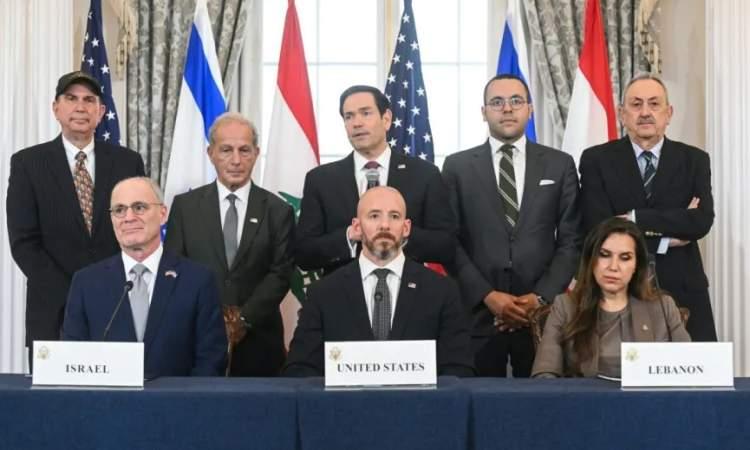
Hezbollah Rejects Israel-Lebanon Framework Agreement After Washington Talks With Marco Rubio
11 sources compared

Sheikh Naim Qassem Says Lebanon Framework Agreement Transfers Sovereignty From Zionist Regime
33 sources compared

Israeli Forces Withdraw From Dibin as Lebanese Army Opens Roads With UNIFIL
18 sources compared
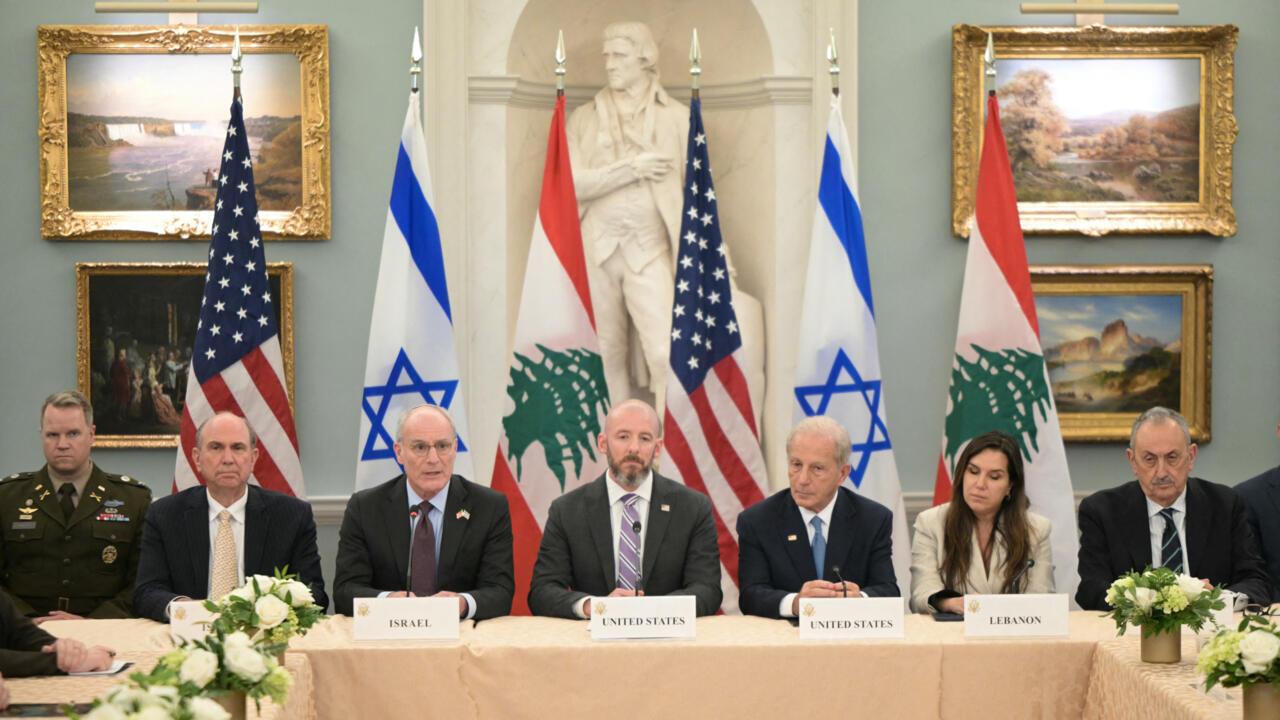
Lebanon Will Attend Rome Talks Only If Israel Withdraws From Two Pilot Zones
24 sources compared