
Israeli Forces Withdraw From Dibin as Lebanese Army Opens Roads With UNIFIL
Key Takeaways
- Lebanon seeks full Israeli withdrawal as a condition for Rome talks.
- Hezbollah rejects limited ceasefire and demands comprehensive withdrawal.
- Washington-led negotiations aim to resolve the Israel-Lebanon dispute.
Dibin withdrawal and redeployment
Israeli forces withdrew from the town of Dibin in the Marjeyoun District of southern Lebanon, and the Lebanese Army moved toward the area to open roads and reorganize movement inside the town with the accompaniment of UNIFIL.
Field sources said the Lebanese army began opening the road linking the towns of Ibl al-Saqi and Dibin after the Israeli withdrawal, as part of field arrangements linked to stabilizing calm in the south.
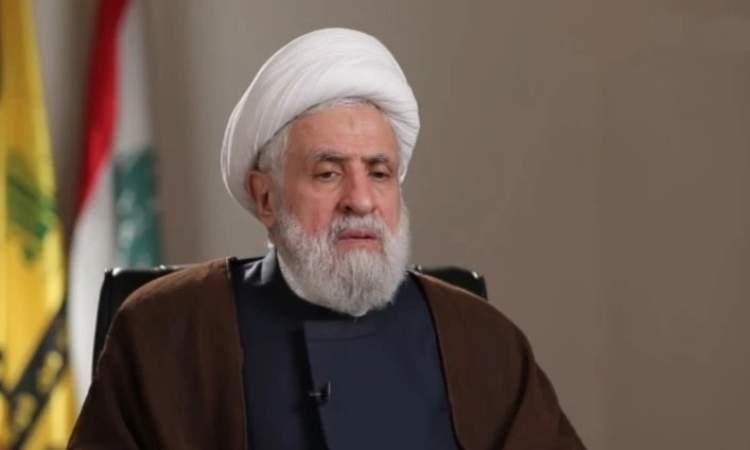
The US State Department announcement described an agreement between Israel and Lebanon to implement a ceasefire, including field arrangements and redeployment of troops in some border areas, with “experimental zones” where the Lebanese state would have exclusive security control excluding any armed presence not affiliated with the state.
Hezbollah Secretary-General Naim Qassem rejected what was stated in the “Washington Declaration,” calling the negotiations “humiliating and disgraceful,” and said the party rejects any linkage between a ceasefire and disarming the resistance.
The agreement also provided for a comprehensive halt to hostilities and the evacuation of Hezbollah elements from specific areas in southern Lebanon as steps aimed at stabilizing the ceasefire and preventing escalation.
Rome talks hinge on zones
Lebanon demanded Israel’s withdrawal from two “pilot zones” in the south as a condition for participating in the next round of direct negotiations in Rome next week, a diplomatic source told AFP from Beirut.
The source said the Italy-scheduled talks in Rome on July 15 and 16 would proceed only after “Lebanon is stipulating Israel’s withdrawal from two pilot zones in order to participate,” while the US State Department told delegations that “reaching a framework agreement is the end of one phase and the beginning of a new one.”

Hezbollah rejected the framework agreement, and the diplomatic source said Israeli officials vowed their forces would remain in a “security zone” 10 kilometers (six miles) deep as long as Hezbollah remains armed.
Lebanese President Joseph Aoun said on Wednesday that his expected visit to Washington reflects “the United States’ support for the path to finding a lasting solution to the series of Israeli wars and attacks on our country.”
In a separate statement, Hezbollah Secretary-General Naim Qassem said, “Not a single clause of the agreement will pass,” in a speech at commemorations ahead of the burial Thursday of slain Iranian supreme leader Ali Khamenei.
Ceasefire splits and next steps
Hezbollah rejected the ceasefire agreement announced in Washington and called for a “comprehensive halt” and a full Israeli withdrawal, with Naim Qassem describing the direct negotiations between Lebanon and Israel as a “farce.”
France 24 reported that inside Lebanon President Joseph Aoun said the agreement represents the “last chance” for a comprehensive halt to the fire, while Prime Minister Nawaf Salam said the south Lebanese pays again the price of a war that is not its own.
The same France 24 account said Israeli Defense Minister Israel Katz stated Tel Aviv would continue operations in south Lebanon and would not allow residents to return, and would reserve the right to strike Beirut if Hezbollah attacked the north.
In parallel, the Lebanese Parliament Speaker Nabih Berri said the ceasefire announcement was a hybrid agreement and stressed the need for a comprehensive and unconditional ceasefire in exchange for a simultaneous withdrawal of Hezbollah and Israel from southern Lebanon, adding that the text was “booby-trapped” by a clause calling for a total ceasefire by Hezbollah and the evacuation of all its elements from the Litani south.
Berri concluded that Hezbollah’s withdrawal from the Litani south should be in parallel with the Israeli withdrawal from the areas it occupied, while the rest of the text was “unjust and not worth mentioning.”
More on Lebanon
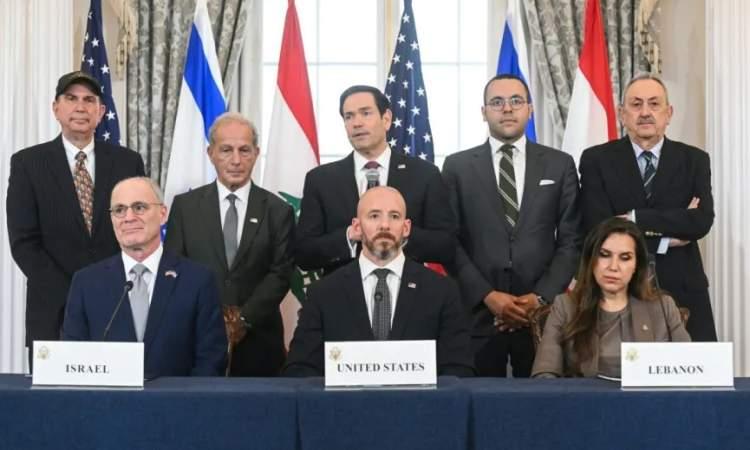
Hezbollah Rejects Israel-Lebanon Framework Agreement After Washington Talks With Marco Rubio
11 sources compared

Sheikh Naim Qassem Says Lebanon Framework Agreement Transfers Sovereignty From Zionist Regime
33 sources compared
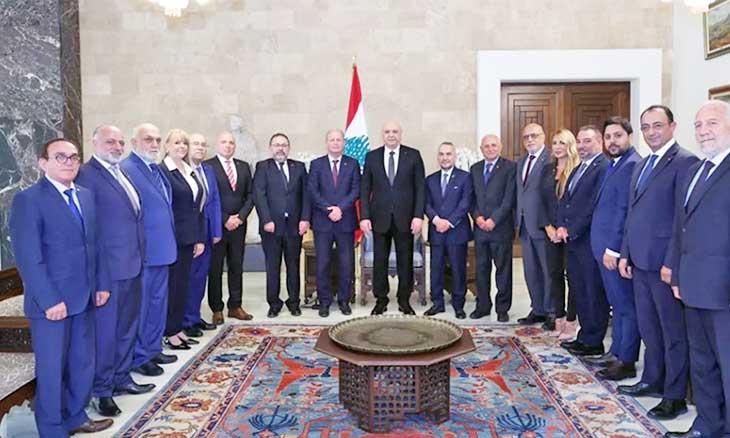
Israel Announces Rome Talks With Lebanon July 15-16, Italy Welcomes Dialogue
11 sources compared

Walid Jumblatt Says Israel Imposed Lebanon Framework Agreement, Peace With Israel Is Impossible
10 sources compared