Lebanon02 July, 20263 min read
Joseph Aoun Tells Rodolphe Haykal Lebanon Army Role After U.S.-Israel Framework Agreement
Lebanese army will assume security in southern Lebanon after Israeli withdrawal. Framework agreement aims to guarantee Israeli withdrawal, not legitimize occupation.
Framework deal and army role
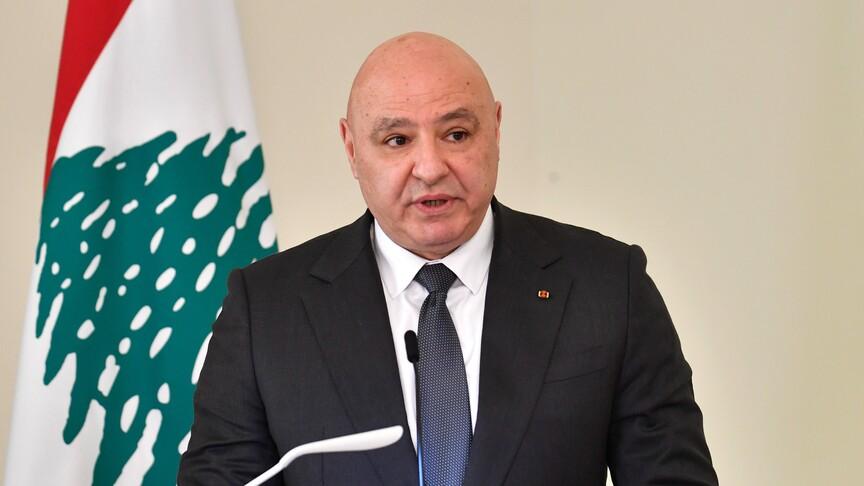
Lebanese President Joseph Aoun discussed the future responsibilities of the Lebanese army with Army Commander-in-Chief Rodolphe Haykal after the conclusion of a U.S. framework agreement between Lebanon and Israel to end the war. The framework agreement, signed last Friday, governs the gradual withdrawal of Israeli troops from all occupied Lebanese territory, starting with two 'pilot zones' whose location was not disclosed, and it ties withdrawal to the Lebanese army assuming full security responsibility in the vacated areas and to the disarmament of armed groups, particularly Hezbollah. Lebanese officials described the agreement as a 'first step' toward the full restoration of the country's sovereignty, while Hezbollah rejected it, calling it a 'shameful' and 'illegal and inapplicable' agreement and saying the involvement of Israeli withdrawal in disarmament had crossed the 'red lines'.
Aoun also congratulated the leaders, officers and all members of the army for expanding the state's authority, maintaining security and stability, securing the Lebanese borders, and maintaining peace in the country. Since March 2, the Israeli military aggression in Lebanon has killed 4,257 and wounded 12,196, and has forced more than a million people to flee, according to the Lebanese Ministry of Health.
Aoun-Trump outreach and disputes
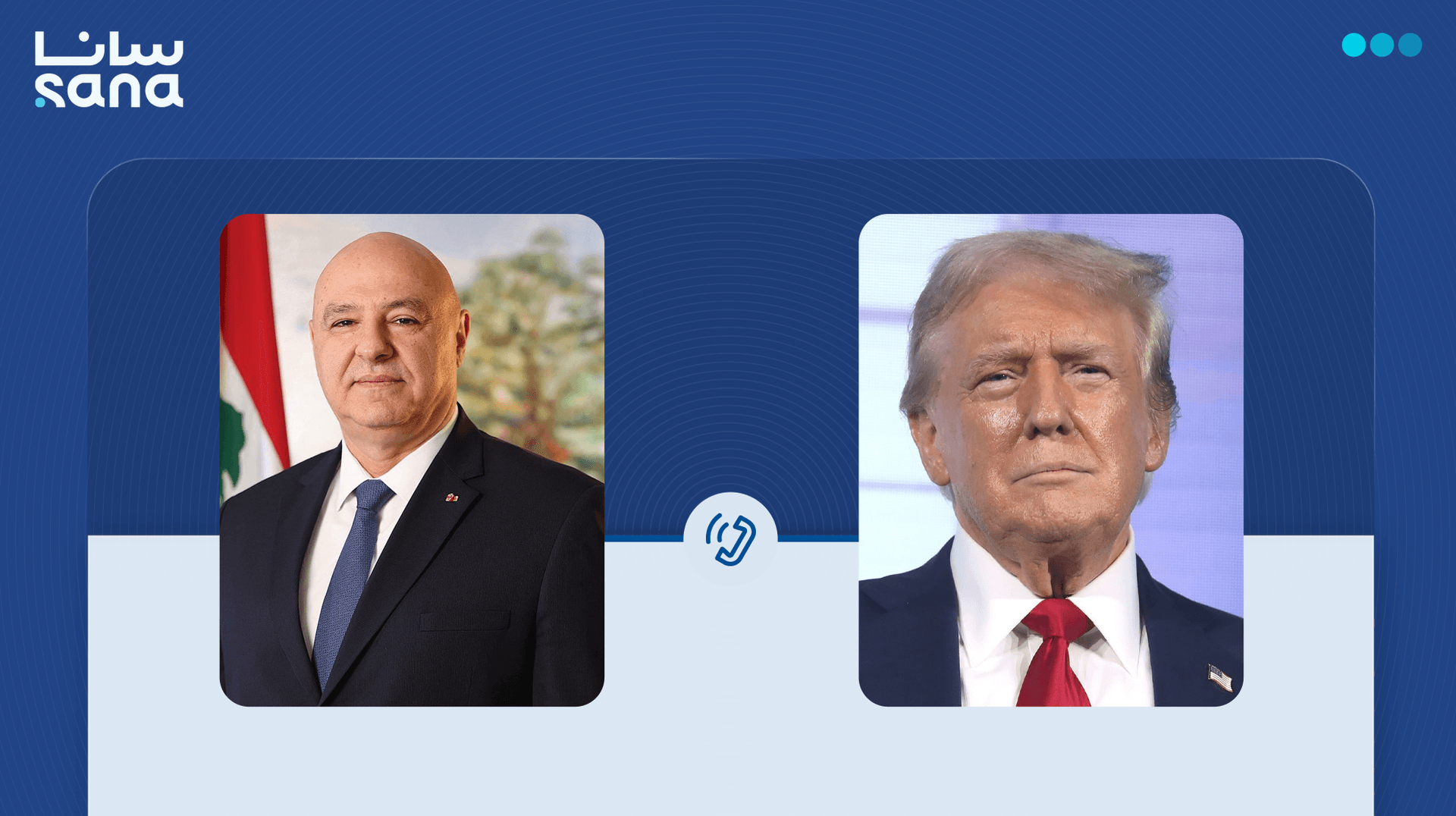
In a phone call, Lebanese President Joseph Aoun discussed developments in Lebanon with U.S. President Donald Trump, and the Lebanese presidency said Trump congratulated Aoun on the signing of the framework agreement and highlighted U.S. support for Lebanon's efforts to implement its provisions.
Aoun expressed gratitude for the American stance supporting the Lebanese state's constitutional and security institutions, notably the Lebanese army, and said the Lebanese state will fully assume its responsibilities in implementing the framework agreement.
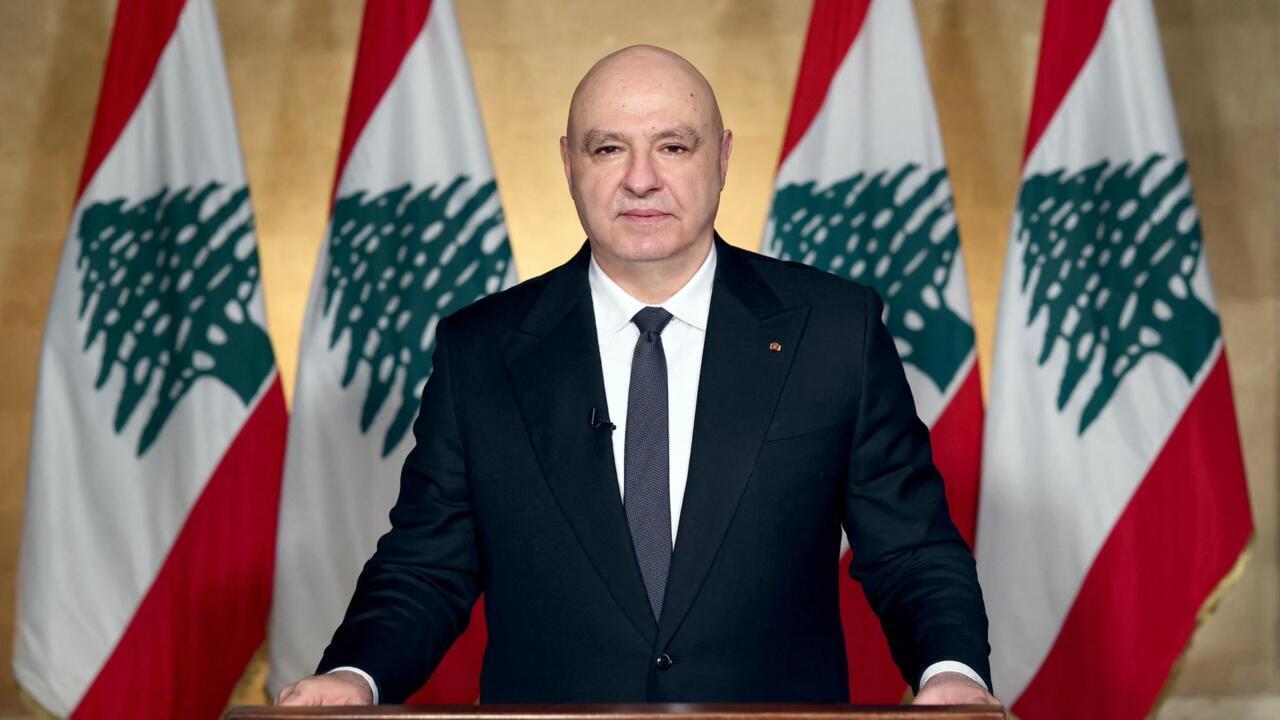
In parallel, Lebanese President Joseph Aoun said he hoped the United States would help prevent any violation of the framework agreement, stressing the need to 'ensure full compliance with the obligations agreed upon, notably pressing Israel to withdraw from the territories it occupies in the south,' a move to facilitate the army's deployment to the international border.
The same reporting described a tense on-the-ground situation after the agreement, including one person killed and two wounded on Saturday evening by Israeli airstrikes on the southern Lebanon town of Nabatieh al-Fauqa.
The reporting also said the Israeli aggression ongoing since March 2 has killed 4,246 people and injured 12,190 others, in addition to the displacement of more than one million people.
Implementation test and stakes
The Lebanese army’s role in the framework agreement is presented as central to the next phase, with Washington pushing toward execution under American supervision and the agreement entering a heavier phase of on-the-ground implementation.
A press review described the implementation as surrounded by ambiguities, with the final word resting with the Pentagon and a limited period, possibly two months, after which Israel could resume a logic of military action if Lebanese commitments were deemed insufficient.
It also said the visit to Beirut by Admiral Brad Cooper, commander of U.S. Central Command, was presented as the signal of the operational launch of the agreement, with talks focused on experimental zones, the rules of Israeli withdrawal, and coordination mechanisms.
Hezbollah’s stance was described as rejecting the agreement as 'nonexistent' and 'humiliating,' and the reporting said Secretary-General Naim Qassem warned that linking Israeli withdrawal to disarming the resistance is a very dangerous red line.
The stakes were framed around whether the Lebanese army can deploy authority in the zones concerned, with the press review describing the central institution of the sequence as the Lebanese army and portraying the question as whether it can do so without appearing as an instrument of execution serving an external agenda.