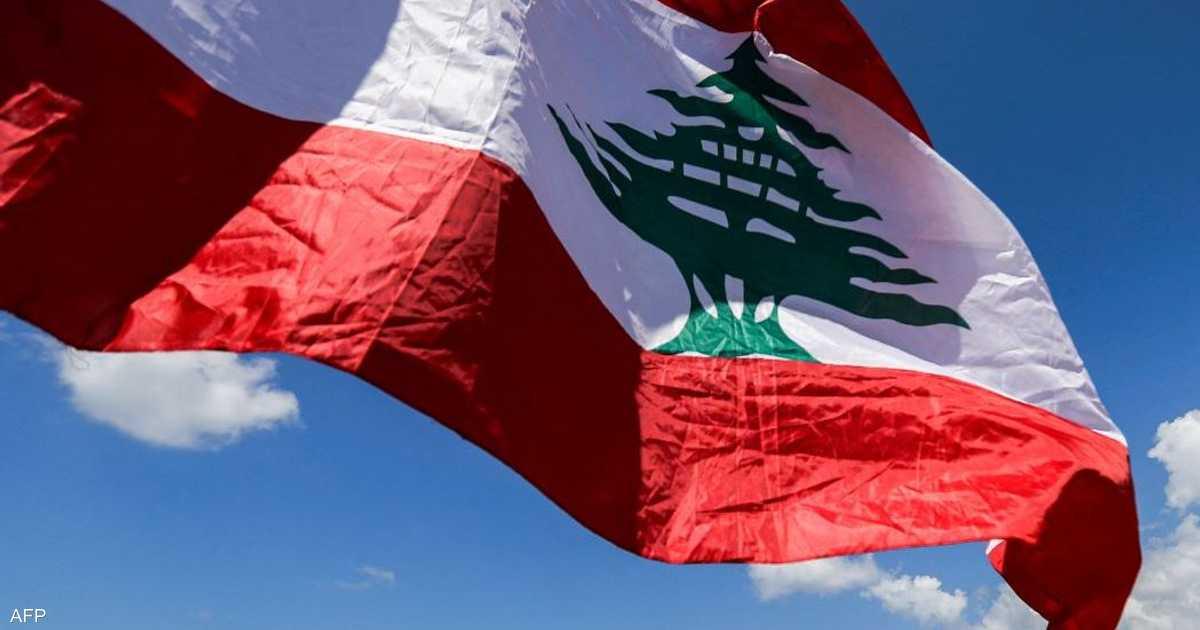
Israeli Forces Strike Tyre as 10-Day Israel-Lebanon Ceasefire Takes Effect
Key Takeaways
- A 10-day ceasefire between Israel and Lebanon took effect.
- Trump announced the ceasefire and invited leaders to the White House.
- Israeli bombardment of Lebanon continued around the ceasefire's start.
Ceasefire begins amid strikes
A 10-day ceasefire between Israel and Lebanon went into effect at midnight Thursday, with CBS describing that the truce began at 5 p.m. EDT and CNN reporting that “a 10-day truce has taken effect” in the early hours of Friday.
As the lull took hold, Israeli forces hit the city of Tyre in Lebanon “last night,” killing 13 people and wounding 35, according to state-run media National News Agency, while AFP said the strikes took place just before the ceasefire came into effect at midnight.

BBC said earlier that search teams were still searching for 15 missing people under the rubble after those Tyre strikes.
The Guardian reported that “Thousands of displaced families have begun making their way home to southern Lebanon after a 10-day ceasefire” and said the fighting that began on 2 March had killed “more than 2,100 people in Lebanon” and displaced “more than one million.”
The Washington Post described celebratory gunfire in Beirut after “the clocks hit midnight in Lebanon,” and said the U.S.-brokered deal went into force Thursday evening.
Even as residents celebrated, the Lebanese army accused Israel of violations, with CNN saying the army accused Israel of “a number of acts of aggression” and the Guardian reporting “a number of violations” and “intermittent shelling affecting a number of villages.”
Strait of Hormuz and Iran talks
The ceasefire was framed across multiple outlets as part of a broader push to reopen the Strait of Hormuz and to advance U.S.-Iran diplomacy.
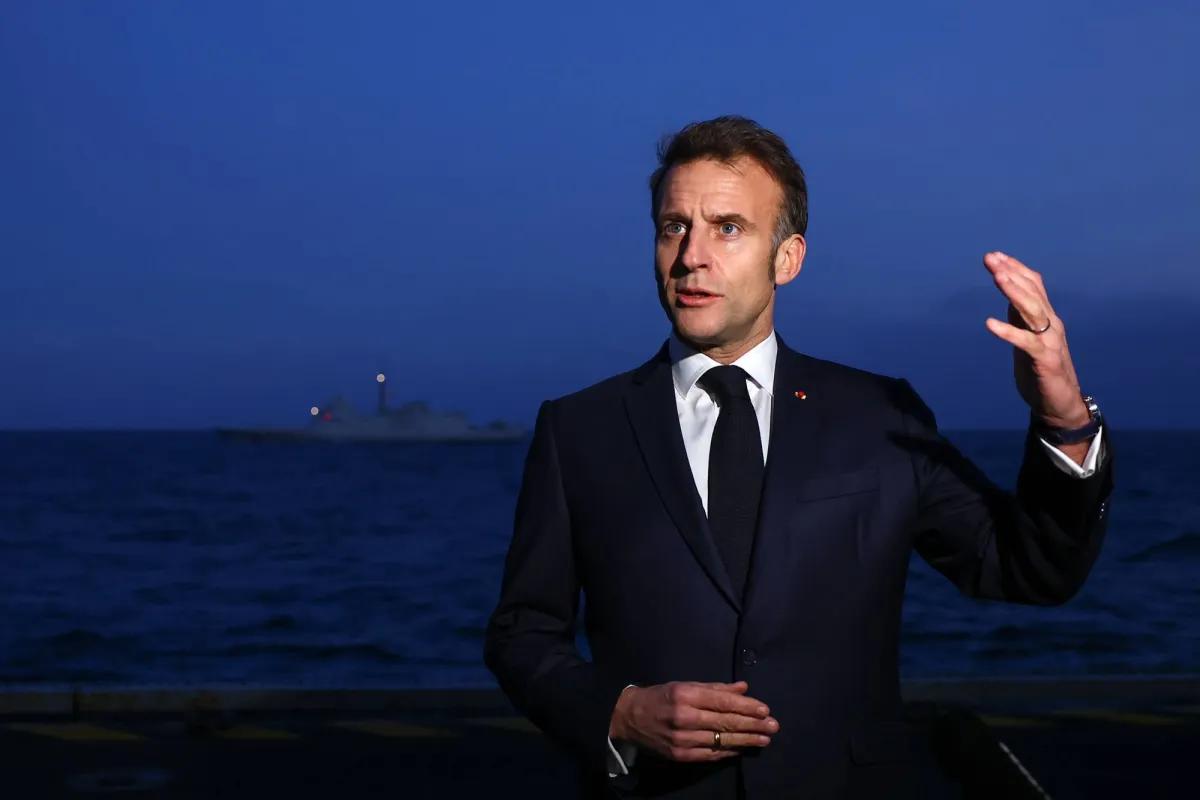
BBC said Keir Starmer arrived at the Élysée Palace in Paris and, moments before meeting Emmanuel Macron, insisted he would “do everything I can” to alleviate the impact of the Iran war on the public and reopen the Strait of Hormuz.

BBC also reported that Starmer and Macron were chairing a virtual meeting of “around 40 countries” aimed at establishing a multi-lateral mission to restore safe passage of shipping through the Strait of Hormuz.
CNN similarly said “World leaders from 40 countries are expected to discuss supporting the fragile ceasefire with Iran and the reopening and security of shipping routes through the strait.”
CBS described the Strait of Hormuz as “effectively closed to most commercial shipping traffic” due to Iran’s threats and despite an ongoing U.S. military blockade of Iranian ports, while noting that tanker gridlock kept global oil and gas prices high.
NBC News added that the U.S. blockade had turned back “13 ships” since it launched its blockade of Iranian ports on Monday, and it quoted Defense Secretary Pete Hegseth warning Iran “we’re watching you” and saying the U.S. was “locked and loaded” for renewed combat if Tehran didn’t agree to a peace deal.
Hezbollah, Netanyahu, and warnings
While the truce was announced as a step toward peace, Hezbollah and Israel’s leaders issued conditions and warnings that suggested the ceasefire would be tested quickly.
“A day filled with telephone exchanges between Washington and Beirut culminated in the announcement by U”
CNN reported that Prime Minister Benjamin Netanyahu said Israeli forces will not withdraw from positions in southern Lebanon, and it said a Hezbollah official warned the group reserves the right to respond to attacks.
BBC quoted Hezbollah saying “any ceasefire must be comprehensive across all Lebanese territory and must not allow the Israeli enemy any freedom of movement,” and it also reported Hezbollah’s statement that it was keeping its “finger on the trigger” in case of any “treachery and betrayal” from Israel during the ongoing ceasefire in Lebanon.
The Guardian added that Hezbollah warned its fighters “will keep their fingers on the trigger,” and it said the group’s statement did not make a specific reference to the ceasefire but said it was “ready to defend against the enemy’s treachery and betrayal.”
NBC News said Netanyahu told that Hezbollah’s demand for withdrawal from southern Lebanon was rejected, and it stated that Netanyahu said the Iran-backed militant group must be dismantled.
Politico reported Netanyahu said Israel was “remaining in Lebanon in a reinforced security buffer zone,” and it quoted Netanyahu’s position that Israel has two “fundamental” demands: “the disarmament of Hezbollah and a sustainable peace agreement.”
Diplomacy, negotiations, and who gets a seat
Multiple outlets described the ceasefire as opening a diplomatic pathway that depends on who negotiates and how.
CNN said Vice President JD Vance played a role in brokering the ceasefire between Lebanon and Israel, and it quoted a senior administration official saying Vance “pushed the Israelis for days to be more careful in Lebanon.”

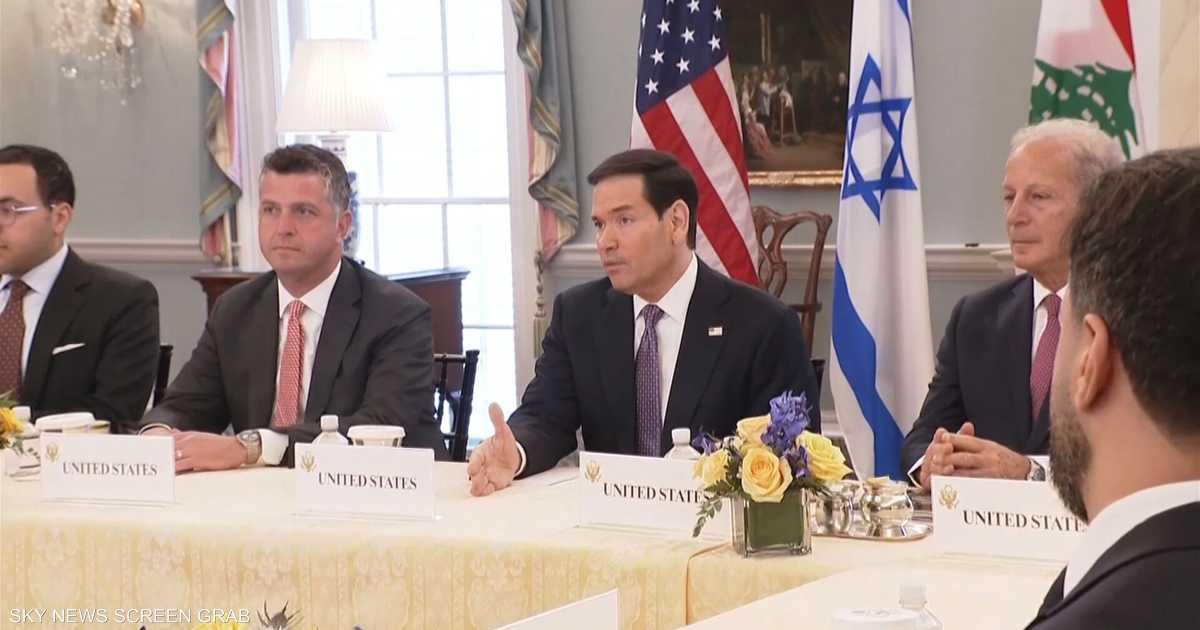
Al-Hurra described a day of telephone exchanges between Washington and Beirut that culminated in Trump’s announcement, and it said U.S. Secretary of State Marco Rubio called Lebanese President Joseph Aoun, after which Trump called Aoun himself and “promised Aoun to achieve it very soon.”
Al-Hurra also said the U.S. State Department stressed that the “ceasefire agreement” rests on mutual recognition of sovereignty and integrity and that weapons in Lebanon be confined to official security institutions.
The Sky News Arabic text of the ceasefire agreement, published by the U.S. Department of State, set a specific start time: it said Israel and Lebanon will implement a ceasefire starting on April 16, 2026, at 5:00 PM Eastern Time (EST) for an initial period of ten days.
PBS featured an interview with Kim Ghattas, who said Netanyahu signed on to a cease-fire because President Trump requested it “to give a chance to the U.S.-Iran negotiations,” and she said Lebanon was “exhausted” and “it was demanding a cease-fire.”
Displacement, enforcement, and next steps
The ceasefire’s immediate humanitarian and political stakes were visible in reports of displacement and in the question of enforcement.
The Guardian said “Thousands of displaced families have begun making their way home to southern Lebanon” and described that the Lebanese army renewed its call for people “to refrain from returning to the southern villages and towns” after “a number of Israeli attacks … [and] intermittent shelling affecting a number of villages.”
The Washington Post reported that thousands of Lebanese families displaced by fighting filled “the main highway to southern Lebanon” in hopes of returning, and it said Israeli forces continued to occupy southern Lebanon and “warned residents not to return there, despite the truce.”
The New York Times said the cease-fire “removes a major obstacle to U.S.-Iran peace talks,” and it reported that Hezbollah did not say whether it would accept the truce while Israeli forces continued to occupy southern Lebanon.
The New York Times also said “The State Department, outlining the terms of the truce, said that Israel would retain its right “to take all necessary measures in self-defense” but would not carry out “offensive operations” against Lebanese targets,” while the Lebanese army said it had recorded “several Israeli violations.”
NBC News added that U.N. Secretary-General António Guterres welcomed the ceasefire, saying in a statement posted on X that he hoped it would “pave the way for negotiations towards a long-term solution to the conflict” and “contribute to ongoing efforts” to bring peace to the Middle East.
More on Lebanon
Israel-Lebanon 10-Day Ceasefire Takes Effect as Hezbollah Fighting Pauses
19 sources compared
Israel And Lebanon Begin 10-Day Ceasefire As Trump Invites Netanyahu And Joseph Aoun
91 sources compared

Trump Announces 10-Day Israel-Lebanon Ceasefire Starting Thursday at 5 P.M. ET
30 sources compared
Hezbollah Rockets And Drones Strike Metula, Nahariya, Haifa Naval Base, And Ma'alot Tarshiha
10 sources compared