
Israel’s Evacuation Orders Displace Over One Million Lebanese Amid War
Key Takeaways
- Displacement spans southern Lebanon and Beirut's periphery amid escalating Israeli attacks.
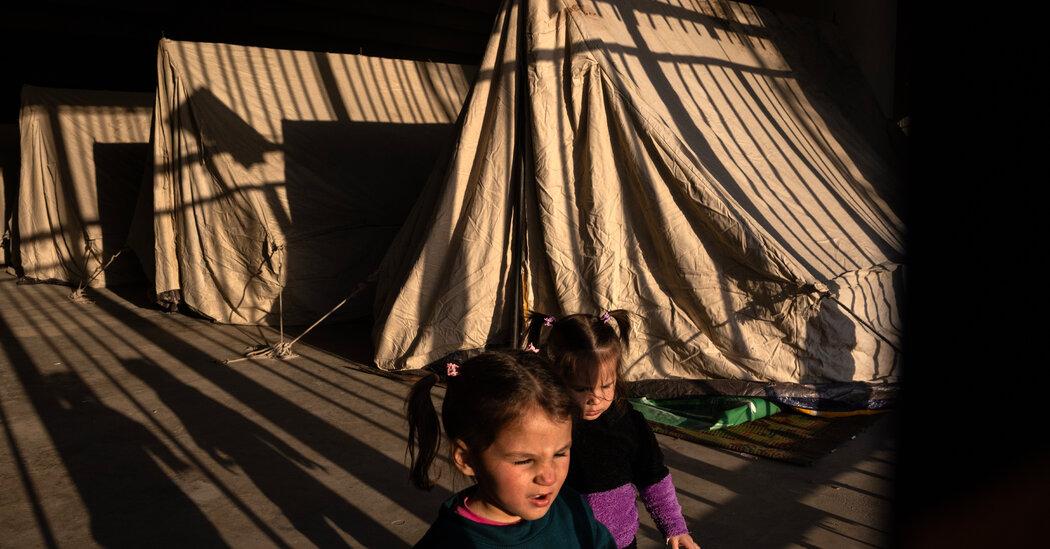
- Shelters are overwhelmed and essential services strained by the mass displacement.
- International agencies warn of rising hunger and food insecurity across Lebanon.
Mass Displacement
More than one million people have been forced from their homes since the renewed war erupted between Israel and Hezbollah.
The displacement is the result of sweeping evacuation orders issued by Israel for southern Lebanon, parts of the Bekaa Valley, and Beirut's southern suburbs.

Only some 136,000 people have found government-organized shelter across approximately 663 collective shelters.
The majority have been left to rely on informal arrangements, host communities, or their own limited resources.
The International Organization for Migration warned of a protracted displacement.
Israeli Displacement Policy
Israel's evacuation orders were imposed without guarantees of safe passage.
Israeli strikes targeted all major bridges connecting towns and villages south of the Litani River to the rest of Lebanon.
Senior Israeli officials made statements pointing to territorial rather than security objectives.
Defense Minister Israel Katz declared that displaced Shia residents would not be permitted to return south of the Litani.
Prime Minister Netanyahu ordered an expansion of Israel’s ground invasion into southern Lebanon.
Humanitarian Collapse
Lebanon is sliding into a deepening food security crisis.
The World Food Programme warned that up to 900,000 people are food insecure.
Vegetable prices have risen by over 20 percent, while bread costs have increased by 17 percent since early March.
More than 80 percent of markets in southern Lebanon are no longer functioning.
The WFP has managed to send 10 convoys to southern Lebanon.
Shelter and Social Strain
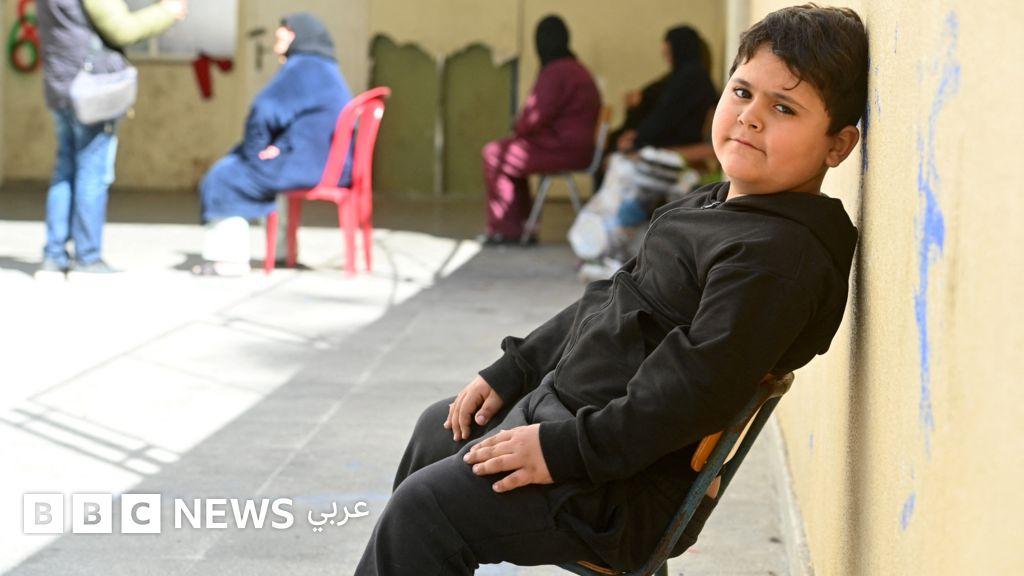
Shelters are overcrowded and many displaced people face exclusion and discrimination.
Lamis, a trans woman and Syrian immigrant, told The Washington Post that all shelters in Beirut demand a Lebanese ID.

She could not even show her Syrian ID, exposing her to bullying and molestation.
She slept on a sidewalk for four nights until a local nonprofit took her in.
International funding covers only a small portion of actual needs.
Education Disrupted
The war and displacement have severely disrupted education.
Many schools have closed and some have been turned into shelters.
The Ministry of Education announced a plan allowing schools to adopt in-person instruction, remote learning, or blended learning.
Ninth-grade student Hassan Khalil told BBC Arabic that Internet service where he currently lives is almost non-existent.
The decision to resume studies is a double-edged sword.
More on Lebanon
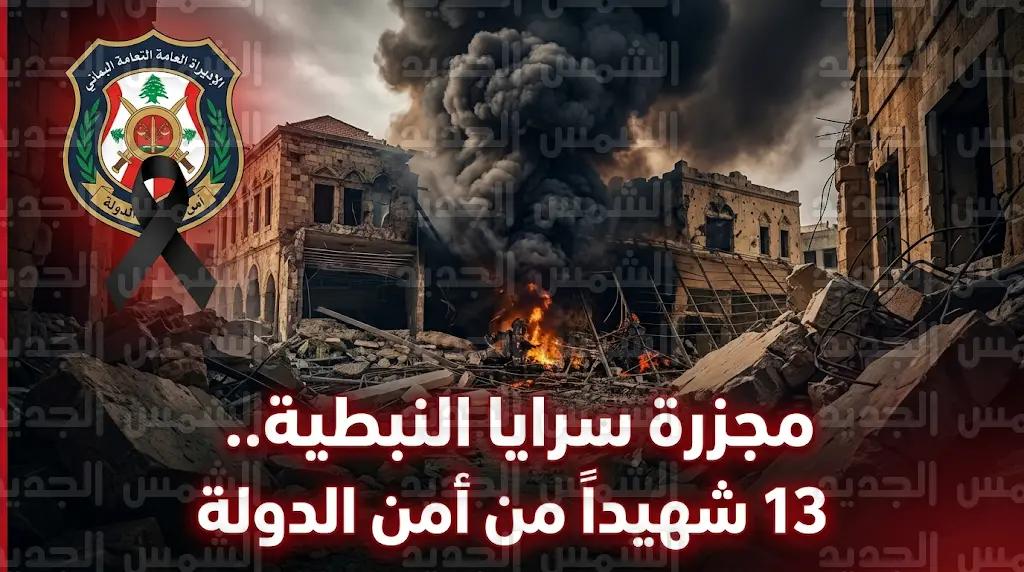
Israeli Air Strike Kills 13 Lebanese State Security Officers in Nabatieh
21 sources compared

Israeli Airstrikes Kill Over 300 in Lebanon Despite U.S.-Iran Ceasefire
18 sources compared

Hezbollah Retaliates Against Israeli Military Targets After Ceasefire Violation
10 sources compared

Israel Kills Over 300 in Lebanon as US-Iran Ceasefire Dispute Fuels Violence
14 sources compared