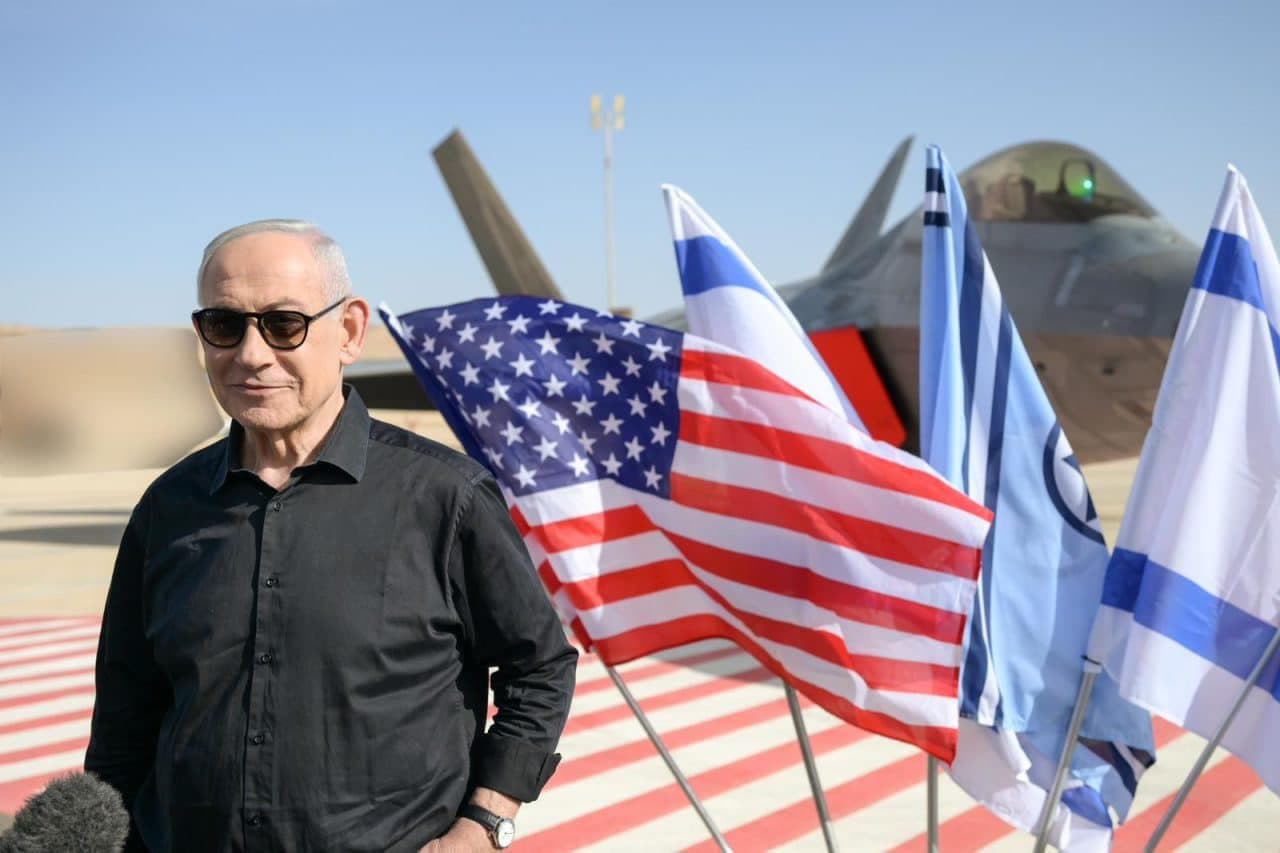
Israel’s goal in Iran is not just regime change, but complete collapse
Key Takeaways
- Israel seeks Iran's complete collapse rather than mere regime change.
- Removing a head of state is easier than managing post-regime outcomes.
- US cultivates alternative leadership after regime change, a stage that often goes awry.
Failed regime-change history
The article argues that the United States has repeatedly discovered that regime change is exceedingly difficult and nation-building often fails, citing Iraq, Afghanistan, Syria, and Libya as cautionary examples.
“After decades of disastrous wars in the Middle East, the U”
It notes the U.S. invaded Iraq in 2003 and killed Saddam Hussein in 2006, yet “twenty years later, the U.S. is still in Iraq,” with stability owed more to Iraqi adaptation than American design and a toll of “around a million dead” and two and a half decades of upheaval.
It says the U.S. spent two decades in Afghanistan attempting to replace the Taliban only to see the Taliban return, and that in Syria Washington armed rival factions that plunged the country into civil war, at one point pitting militias armed by the Pentagon against those armed by the CIA.
The piece describes Libya as a different cautionary tale: U.S. strikes in 2011 aided in killing Muammar Gaddafi and, because officials did not seek to install a replacement or become enmeshed in nation-building, Libya fell from being “one of the wealthiest countries in Africa” in 2010 to a “failed state primarily run by violent militias and slave traders.”
Actions toward Iran
The article claims current U.S. and Israeli actions toward Iran aim beyond removing leaders and instead target the state itself, stating: “Presently, the U.S. has assassinated Iranian Supreme Leader Khamenei under the pretext of bringing democracy to Iran, or because they will soon have nuclear weapons, a false assertion.”
It says efforts to reinstall the Shah are perfunctory and that the exiled son of Iran’s dictator is “deeply unpopular within Iran.”
The piece reports that American and Israeli strikes in Iran have “eliminated viable opposition leaders, including jailed critics of the Islamic Republic,” and adds that “reportedly, the U.S. is also intentionally targeting leftist activists.”
It recounts Trump telling a reporter: “The attack was so successful, it knocked out most of the candidates. It’s not going to be anybody that we were thinking of because they are all dead. Second or third place is dead.”
It also states that “In light of Khamanei’s second son being appointed Supreme Leader, Israeli officials have pledged to assassinate him and every subsequent successor.”
State-collapse strategy
The author argues Washington’s real objective is not orderly regime change but ethnic balkanization and state collapse, using sustained strikes to disintegrate institutions, fuel ethnic tensions and secessionist movements, and leave Iran fragmented and mired in civil war much like Syria after 2015.
“After decades of disastrous wars in the Middle East, the U”
The piece warns that political collapse could intensify separatist pressures among Kurds, Baluchis, and Azeris, and says the Trump administration has discussed arming separatist groups, mirroring strategies used in Syria and Afghanistan but without American boots on the ground.
It asserts the “Department of War” seeks to destabilize Iran and withdraw rather than undertake nation-building, thereby clearing the way for Israel to eliminate regional military opposition: the article says Israel has spent the last year bombing Syria’s military infrastructure “obliterating its capacities” and that Israel’s doctrine of maintaining a “qualitative military edge” is codified in U.S. law.
It quotes Danny Citrinowicz: “If we can have a coup, great. If we can have people on the streets, great. If we can have a civil war, great. Israel couldn’t care less about the future [or] the stability of Iran.”
Consequences and warning
The article concludes that if strikes break Iran’s state apparatus rather than merely weakening its leadership, the result will be catastrophic: the U.S. does not aim to bring democracy to Iran through bombing, Israel prefers incapacitation over a sovereign democracy, and Trump may nominally prefer regime change but is unwilling to commit the resources and will disengage when costs mount.
It says “Iran’s security apparatus is deeply entrenched and unlikely to unravel quickly,” but warns that a country of “nearly ninety million people does not fracture quietly,” and that “hundreds of thousands will die, and millions more will be displaced.”
The author closes with the assertion that “bombs never liberate – they fragment: bodies, countries, societies,” and warns the foreseeable aftermath could be “Libya 2.0, if not worse.”
More on Iran
Trump Says U.S. Bombed Military Sites on Kharg Island, Iran's Oil Hub
14 sources compared
FBI Warns of Iranian Drone Plot Based on Unverified Tip; California Says No Credible Threat
10 sources compared

White House Demands ABC Retract Report Claiming Iran Sought To Launch Drone Attacks On California
11 sources compared

Iranian Proxy Claims It Shot Down US Refueling Plane in Iraq; US Military Says Otherwise
17 sources compared