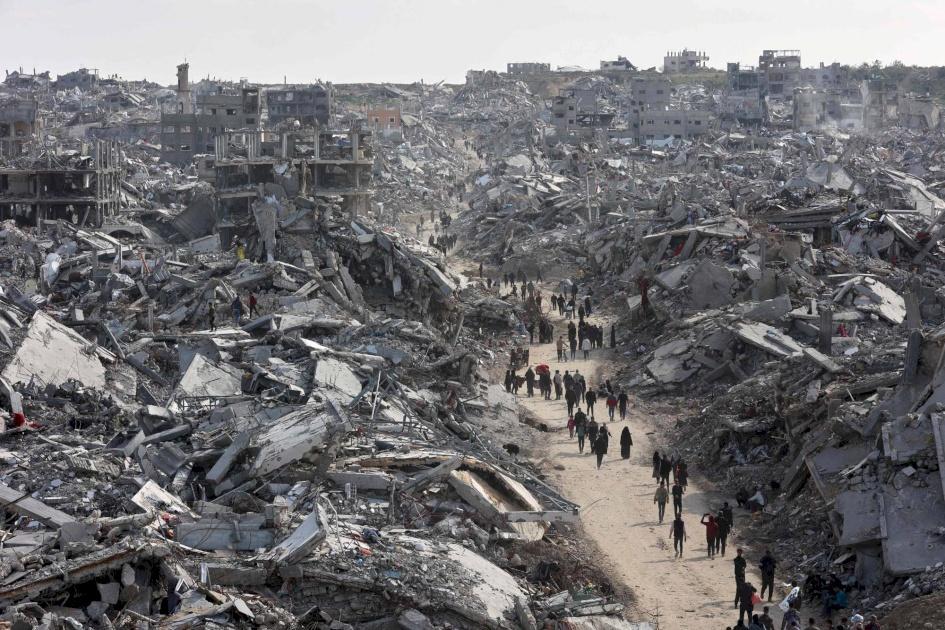
Israel’s War On Gaza Leaves Thousands With Untreated Fractures As Healthcare System Collapses
Key Takeaways
- Hospitals and health centers out of service amid bombardment and blockade.
- Medicine shortages exceed 50%; laboratory supplies hit 86% deficit.
- WHO calls for immediate entry of medicines and open corridors to Gaza.
Fractures and evacuation delays
More than two years into Israel’s war on Gaza, thousands of Palestinians are living with untreated complex fractures as the enclave’s healthcare system collapses and travel restrictions prevent patients from completing treatment.
“This note introduces 'de-sanitarization' as an analytic framework to understand Israel's systematic destruction of Palestinian health infrastructures, particularly in Gaza”
The New Arab reports that Gaza’s health ministry says “more than 170,000 people have been injured during the war,” with a significant portion suffering severe orthopaedic damage.
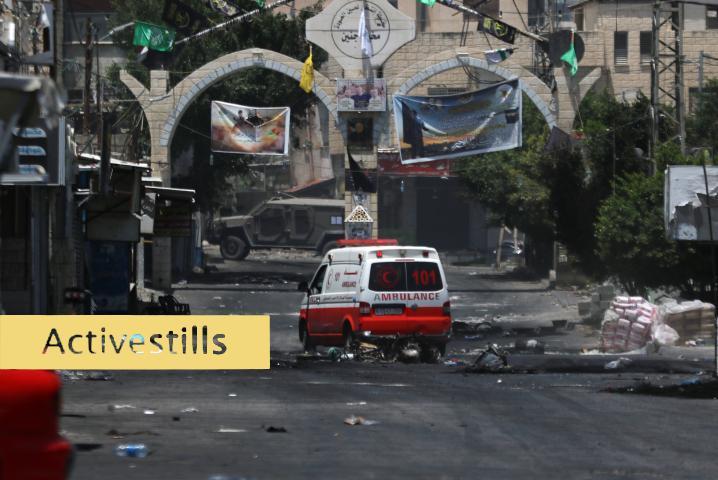
Zaher al-Wahidi, head of the ministry’s information systems department, told The New Arab: "Around 18% of Gaza’s injured need long-term rehabilitation, and they are being treated according to the available resources."
He added that around 20,000 patients have medical referrals to travel abroad, including 2,400 urgent cases and 197 life-saving ones, but only a fraction have been able to leave.
The New Arab says that “Since the new travel mechanism began in February 2026, only around 700 patients have been able to leave, making the evacuation process slow and delaying treatment," quoting al-Wahidi.
Patients described waiting for surgery and worsening complications as they remain trapped inside Gaza’s damaged hospitals, including Atef al-Ghaliz, 52, who was shot by a drone in December 2023 and has been waiting more than two years for surgery to replace a damaged foot joint.
Al-Ghaliz told The New Arab: "The wounds and fractures have not healed for more than two years, and complications and infections have developed because my body is not accepting the fixator."
Laboratory services near halt
While complex fractures go untreated, Gaza’s diagnostic capacity is also breaking down as laboratory and blood bank supplies run out, threatening the ability to monitor conditions and support surgeries.
The البوابة نيوز report says the Ministry of Health in the Gaza Strip announced a “sharp deterioration” in shortages of laboratory testing materials inside laboratories and blood banks, describing a decline in medical stock reaching “critical levels that threaten the continuation of diagnostic services.”

It states that “about 86% of the needs of laboratories and blood banks have become 'zero stock,'” and adds that the complete depletion of blood gas testing materials in the laboratory of al-Shuhada al-Aqsa Hospital has left remaining quantities in other hospitals “only enough for a few days.”
The ministry warned that continuing the shortage “directly threatens monitoring of medical conditions, affects the performance of surgical operations, and exposes emergency and intensive care patients to serious health risks.”
The report also quotes Gaza Medical Relief warning that laboratories may stop work due to a shortage of acids and chemical materials needed to operate devices, while health aid arriving through the World Health Organization covers only “a limited portion of increasing needs.”
It ties the laboratory crisis to a broader collapse of facilities, saying “26 out of 38 hospitals went out of service, due to direct destruction or fuel shortages,” and describes the situation as a 'disaster beyond description.'
The same report says doctors warned of deterioration in heart patients as “cardiac catheterization” went out of service due to a lack of equipment and essential consumables.
In parallel, it says medical evacuation is stuck in an impasse, with reports indicating “more than 18,500 patients and wounded in urgent need of treatment outside the sector,” and that security procedures on evacuation lists can cause delays that lead to patients dying before travel approval.
Voices: doctors, WHO, and detained pediatrician
Across Gaza’s health system, multiple voices describe a collapse driven by shortages, restrictions, and the detention of medical personnel.
“By Hadeel Awad The health care system is collapsing in Gaza”
In a report carried by شبكة مصدر الاخبارية, the World Health Organization calls for allowing medicines to enter Gaza without delay, quoting Ghebreyesus warning of the collapse and urging lifting restrictions on medical supplies.
It says WHO Director-General Tedros Adhanom Ghebreyesus wrote on X that “the health needs in the sector are very large and require an urgent response,” and it adds that he stressed “the need to facilitate the entry of essential medicines and medical supplies into Gaza, calling for the removal of bureaucratic obstacles and restrictions on the import of health supplies.”
The same report says the call is made amid the ongoing blockade of the Gaza Strip since 2007, which has intensified in recent years, leading to “a sharp deterioration in residents' living and health conditions.”
RFI reports that Dr. Hussam Abu Safiyeh, a Palestinian pediatrician and director of Kamal Adwan, has been imprisoned in Israel for a year, held without charges, and it quotes his lawyer Gheed Qassem saying: "The detention conditions are devoid of any humanitarian consideration and, unfortunately, violate all rules and laws international, including all conventions, international human rights law and international humanitarian law."
RFI adds that Qassem said: "We are talking here about famine, intimidation and abuse."
In a separate local chronicle, Hadeel Awad writes from Al-Shifa Hospital and describes a staffing collapse, saying that during a shift “we are four to six nurses and up to three doctors,” and that “No one has a fixed salary anymore.”
Awad also quotes a colleague’s confession about the emotional toll, writing: "I carry my sorrow in my pocket, among the instruments and bandages. Sometimes I care for a child who looks like my own son, and I have to hide my tears," and includes another colleague’s statement: "We are not working in a hospital; we are on a battlefield, where we fight against time and death."
Stakes: collapse, infections, and deaths
The stakes described by multiple reports are immediate and measurable: laboratory shutdown risks, infectious disease spread in displacement sites, and deaths tied to delays in evacuation and access to care.
The اليوم السابع report says severe humanitarian conditions persist in displacement sites in the Gaza Strip where rodents and insects spread infections and diseases among displaced people, especially children, as health workers lack supplies and tools after the occupation destroyed health facilities and deprived displaced Palestinians of the ability to recover.
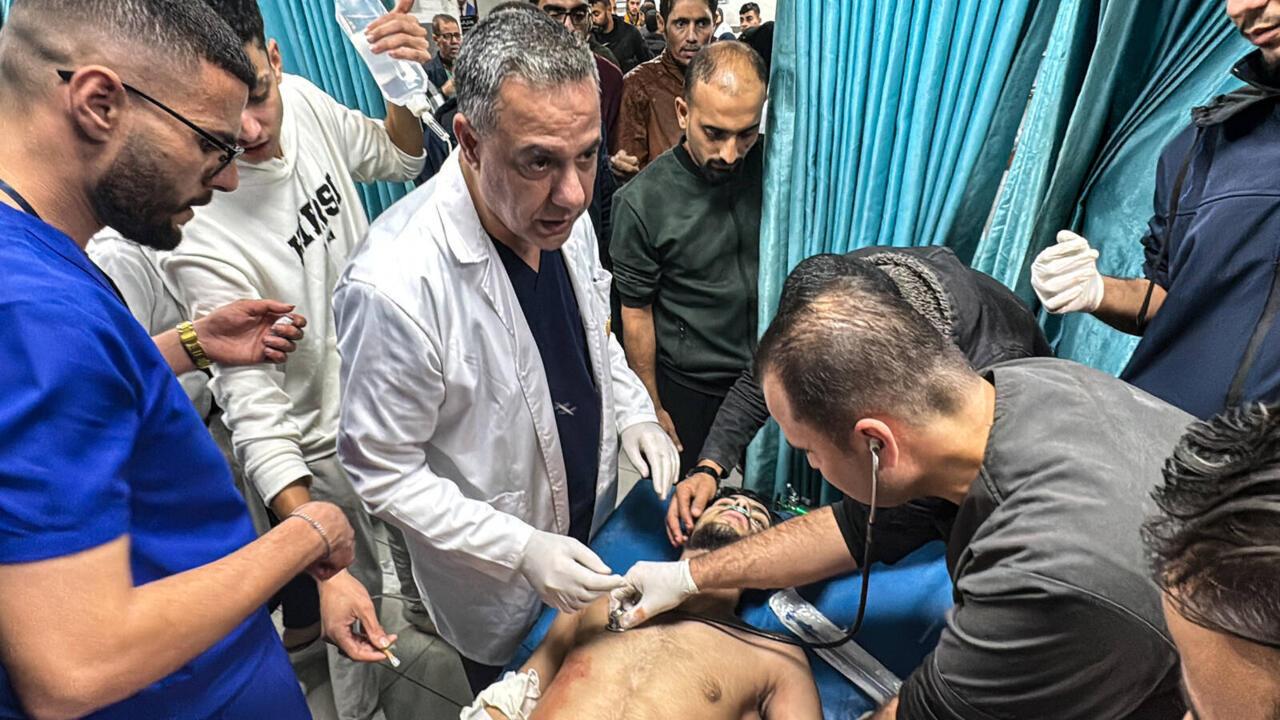
It cites the World Health Organization estimating that “damages to the health sector alone amount to about $1.4 billion,” and says “more than 1,800 health facilities” have been destroyed partially or completely, ranging from Al-Shifa Hospital in Gaza City to smaller primary health care centers, clinics, pharmacies, and laboratories.
Dr. Reinhild van de Werdt, WHO representative in the Occupied Palestinian Territory, is quoted describing the devastation as enormous, saying that “figures and reports do not convey the scene among the countless piles of rubble that rise several meters high.”
The report says WHO warned that health conditions are deteriorating amid ongoing displacement and worsening living conditions, and it stresses that “the spread of rodents and insects that cause infections and diseases among the displaced” is driving disease.
It states that “so far this year there have been more than 17,000 rodent- or external parasite-related infection cases among the displaced in Gaza,” and that “more than 80% of displacement sites” report skin infections such as scabies, lice, and bedbug bites.
In parallel, the local chronicle by Hadeel Awad says medical evacuation is urgent and quantifies the toll of waiting, writing that “More than 16,000 patients need urgent medical evacuation; nearly 1,100 died while waiting to be allowed to leave the besieged enclave to be treated.”
Awad also states that “At least 411 people have been killed and 1,112 injured by Israeli attacks since the truce took effect on October 10,” and she adds that Israel continues to block delivery of essential medicines including “cancer drugs, dialysis supplies, heart medications, antibiotics, insulin, and intravenous fluids for emergency care.”
What comes next: more referrals and more collapse
As Gaza’s health system continues to deteriorate, reports describe a widening gap between patients needing care and the capacity to provide it, alongside ongoing efforts to manage evacuation and revive limited services.
“Iran's permanent mission to the United Nations: The United States must not be used as a pretext to deny us our peaceful nuclear rights”
The New Arab reports that Mahmoud Matar, head of the complex fractures department at Nasser Hospital, says shortages of staff and equipment limit treatment capacity, stating: "If equipment were sufficiently available, we could perform around 30 surgeries per month, but due to the shortage, we cannot carry out more than 10 at most."
It adds that the ministry estimates around 12,000 patients have complex fractures, with about 900 requiring reconstructive surgery, and says that during the war “around 5,000 amputations have been carried out, including 1,200 involving children,” according to Matar.
The New Arab also describes that out of Gaza’s “36-37 hospitals,” only “around 19 remain operational,” but “none of the hospitals are fully functional,” according to UN and health agency data, because Israel’s policy targets all medical facilities.
In the same broader picture, شبكة مصدر الاخبارية says WHO is working to support “the establishment of a new family health center in northern Gaza,” and it frames this as a response to a severe shortage of medical services and residents’ difficulty accessing care.
The البوابة نيوز report says the Ministry of Health announced “the resumption of work at the Medical Commission Office” and “the start of receiving citizens as of today, Sunday, May 3, 2026, at the Sheikh Radwan Medical Center—the eastern gate of Gaza City.”
It also warns that the evacuation impasse is escalating, describing “more than 18,500 patients and wounded in urgent need of treatment outside the sector” and delays caused by security procedures on evacuation lists.
In a separate account of a single patient, وكالة شهاب الإخبارية describes Mohammed Younes Marzouq Abu Tah, 23, who suffered a severe head injury on August 27, 2025, and says his family confirms he is in dire need of travel abroad as doctors warn that his condition is worsening due to the absence of specialized treatment inside Gaza.
The report says Gaza’s Ministry of Health states that “the total number of patients evacuated in the past six months does not exceed 420 patients,” at a rate of fewer than 70 patients per month, while “more than 21,500 patients still desperately need treatment outside the sector.”
More on Gaza Genocide
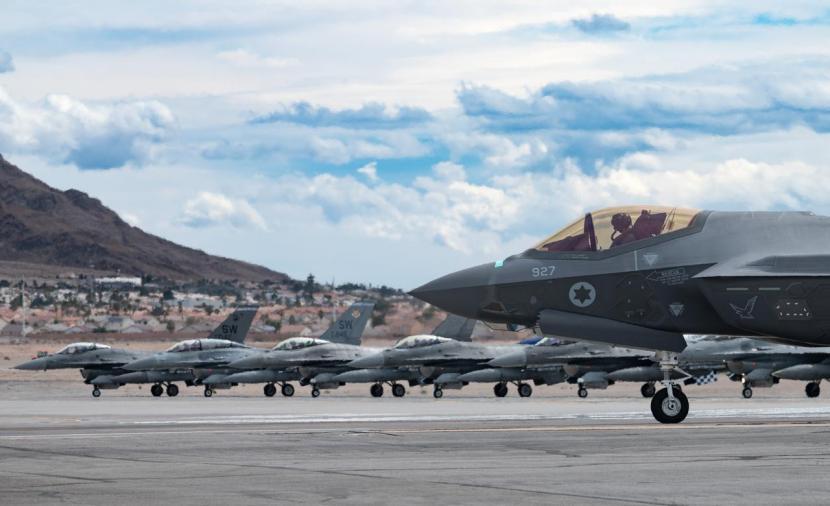
Israel’s Defense Ministry Approves F-35 And F-15I Deal With The United States
15 sources compared

Middle East War Triggers Canceled Flights and Tourism Collapse in Jordan, Dubai, and Egypt
13 sources compared

Israeli Police Arrest 36-Year-Old Man After French Nun Attacked Near Jerusalem’s Old City
26 sources compared
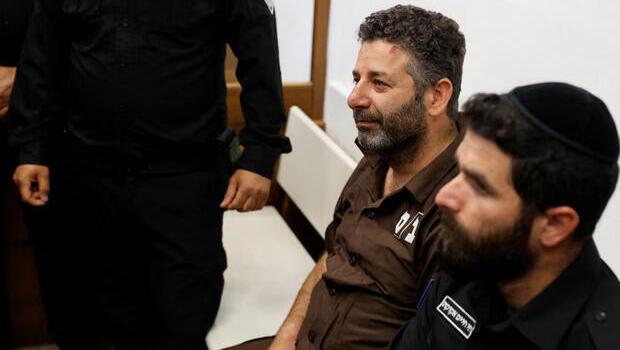
Israeli Forces Intercept Global Sumud Flotilla, Extend Detention of Saif Abukeshek and Thiago Avila
42 sources compared