
Jama'at Nusrat al-Islam wal-Muslimin Tightens Blockade on Bamako, Stranding Residents
Key Takeaways
- Bamako blockaded by Islamist militants, closing roads into the capital.
- Defense Minister Sadio Camara killed in coordinated assaults linked to GSIM and allied groups.
- GSIM and Tuareg rebels allied with JNIM carried out coordinated multi-site attacks.
Blockade tightens in Bamako
An Islamist group tightened a blockade on Mali’s capital, Bamako, leaving residents stranded after fighters from Jama'at Nusrat al-Islam wal-Muslimin (JNIM) warned that "no-one will be allowed in any more".
The BBC reported that Bamako, described as "a major West African hub and home to more than three million people," was under a partial blockade days after Mali’s defence minister was assassinated there.

A mother-of-two told the BBC, "Our army isn't capable of protecting us, how are we going to get back home?" as she and others were unable to re-enter the city after visiting her parents out of town.
The BBC said many people were stranded on the Bamako-Kéniéba highway, a major road out of the capital, for almost a day.
The BBC added that eyewitnesses said at least three of the six main routes into Bamako were closed for hours at a time before fighters moved elsewhere.
It also reported that last year the Islamist groups imposed a fuel blockade on Bamako that caused shortages and a sharp increase in prices, but that they have now ordered a total blockade.
The BBC further stated that a total blockade has been imposed on Ségou, a town less than 80m (50 miles) from the capital, leaving hundreds of vehicles, trucks, buses and cars stranded and passengers struggling to access water and food.
Assassination and coordinated offensive
The blockade followed a weekend of coordinated attacks across Mali that killed Defence Minister Sadio Camara and struck multiple sites around Bamako and beyond.
The BBC said the violence began with nationwide, coordinated attacks by an alliance of jihadists and separatist rebels in the north, the Azawad Liberation Front (FLA), seeking to overthrow the military regime of Gen Assimi Goïta, who seized power in a coup in 2020.

During the attacks, the BBC reported that Defence Minister Sadio Camara was killed in an apparent suicide truck bombing on his residence near Bamako, and that he was buried on Thursday amid tight security in front of thousands of people, including Goïta.
The Arab Weekly described the same offensive as simultaneous attacks launched on Saturday, saying the alliance of al Qaeda-linked extremists and Azawad separatists killed Mali’s defence minister, hit the capital’s airport, and drove Russian soldiers out of a desert town over a thousand kilometres away.
It said the scale and scope of the offensive on multiple sites around Bamako and at least three towns across the vast country demonstrated an unprecedented ability to coordinate fighters with different goals.
The Arab Weekly quoted Justyna Gudzowska of The Sentry saying, "It demonstrates reach," and that it "tells every Malian, every regional capital, and every foreign partner that JNIM can operate at will inside the supposedly secure heart of the state."
It also quoted Corinne Dufka, saying the weekend offensive had exposed Mali’s intelligence failures and the inefficacy of its partnership with Russia.
In parallel, tv5monde reported that coordinated attacks by Tuareg rebels of the Front de libération de l'Azawad (FLA) and jihadists of JNIM took place on Saturday, April 25, and Sunday, April 26, and that Bamako acknowledged the death of Defence Minister Sadio Camara.
Voices: officials, drivers, analysts
As the blockade tightened, the BBC captured the human impact and also relayed statements from political and security leadership.
The BBC quoted a lorry driver trying to reach Bamako saying, "I've never seen something like this before. I've been doing this job for so many years. "I'm stuck here and it sounds dangerous. I would rather run away to save my life than fight for the goods I have to deliver. I've never thought like this before.""
It also reported that Mali’s junta leader Assimi Goita vowed tough action against insurgents after an emergency security council meeting on Wednesday, and that Goita claimed armed and security forces had managed to inflict "heavy losses" on the rebels.
The BBC added that a Kremlin spokesperson vowed Russian forces would remain in Mali to combat extremism, terrorism and other harmful phenomena, quoting the spokesperson as saying Russian forces would remain "to combat extremism, terrorism and other harmful phenomena and will continue to provide assistance to the current government".
The Arab Weekly brought in additional expert voices, including Andrew Lebovich of Clingendael’s Conflict Research Unit, who said, "This took a lot of planning, a lot of money, a lot of logistical support."
It also quoted Yvan Guichaoua of bicc saying the attacks on military and government targets were intended to "decapitate" leadership and paralyse the chain of command and decision making.
Corinne Dufka told the Arab Weekly that the offensive had moved the needle on JNIM’s military and political demands and exposed intelligence failures, and Justyna Gudzowska said the coordination demonstrated reach into the "supposedly secure heart of the state."
In tv5monde’s account, Wassim Nasr said the Islamic State group had expanded its operational reach into the Sahel, and he described how JNIM praised the military surrender at Tessit, telling Malian soldiers that if they surrender, they can go home.
Different framings of the same crisis
The reporting diverged on how to interpret the same sequence of attacks, withdrawals, and the siege of Bamako.
The BBC framed the situation through the lens of security breakdown and blockade mechanics, describing how at least three of the six main routes into Bamako were closed for hours at a time and how several countries urged citizens to leave Mali while the US recommends staying at home.

In contrast, the Arab Weekly emphasized the unprecedented coordination between JNIM and Azawad separatists and argued that the offensive demonstrated reach into the "supposedly secure heart of the state," quoting The Sentry’s Justyna Gudzowska.
The Arab Weekly also highlighted a strategic interpretation, with Yvan Guichaoua saying the attacks were intended to "decapitate" leadership and paralyse decision-making, and it described the FLA raising its flag in Kidal and the seizure reversing a gain in 2023 when the government drove the FLA rebels from Kidal with Russian military backing.
tv5monde focused more on the information and messaging around the conflict, with Wassim Nasr explaining that the Islamic State group has expanded its operational reach into the Sahel and describing how JNIM’s communiqués praised the military surrender at Tessit and told soldiers they could go home.
The Arab Weekly also discussed the broader Sahel context, saying governments across the Sahel are severely weakened and that after nearly 20 years of military interventions, jihadists have only multiplied their areas of operation, quoting Dufka: "After nearly 20 years of military interventions by the US, French, European, African and Russian partners, the jihadists have only multiplied their areas of operation."
Meanwhile, Courrier international’s account of a fuel crisis narrative battle described a different angle, saying the fuel crisis has plagued Mali for nearly six months and is part of an effort to economically strangle the Malian capital by GSIM, and it described a "conflict of narratives" arising from GSIM’s first attack on a fuel-supply convoy on September 14, 2025.
It quoted Tama Media writing that "videos filmed by the jihadists themselves, showing the trucks on fire and abandoned on the roads, flood social media," while also describing how Bamako authorities and foreign press blur the reading of the crisis by pitting two narratives against each other.
Stakes: siege, credibility, and next moves
The stakes described across the sources center on whether Bamako’s military council can hold authority as roads close and armed groups consolidate.
“It's a topic that's quite taboo in Mali, taken up by the pan-African site Tama Media: the fuel crisis that has plagued the country for nearly six months and is part of an effort to economically strangle the Malian capital by the Group for the Support of Islam and Muslims (GSIM, affiliated with Al-Qaeda in the Islamic Maghreb, AQIM)”
The Al-Jazeera Net report framed the siege as a test of the ruling military council since its coup in 2020, saying the group Support of Islam and Muslims, loyal to al-Qaeda, announced a siege on Bamako and the closing of the roads leading to it.
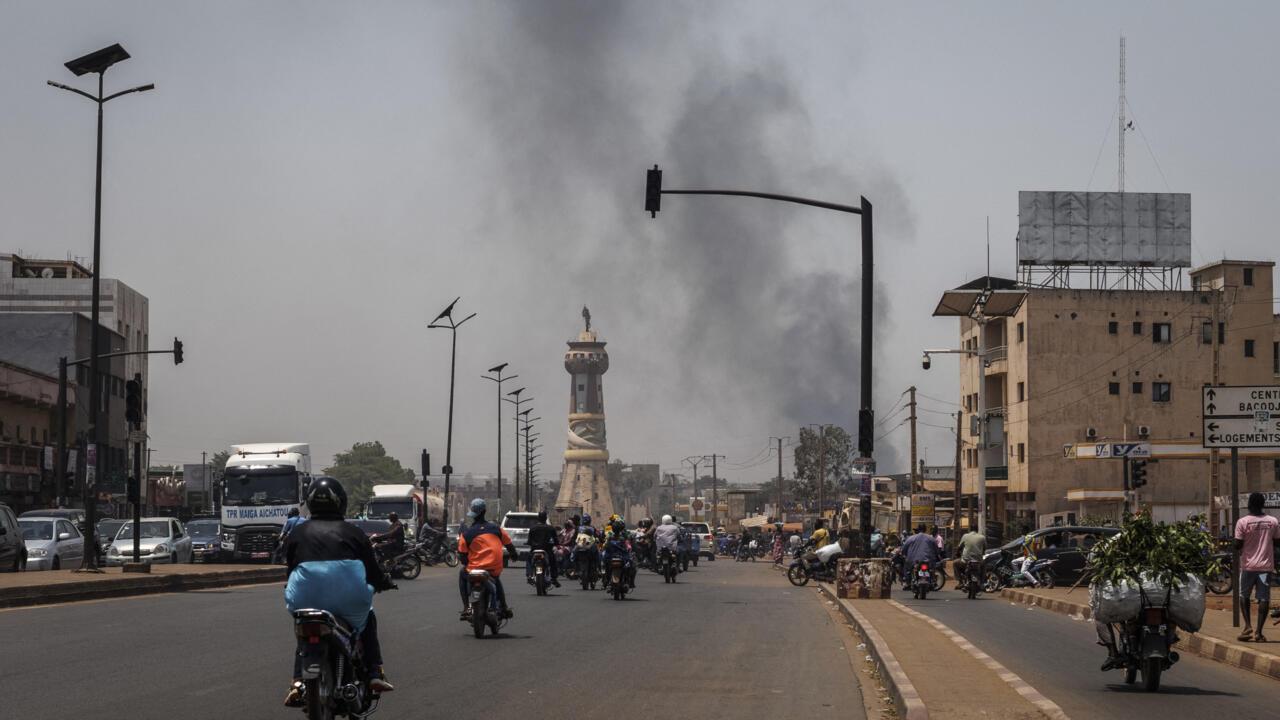
It described Bamako’s geography of danger, saying Kati is "15 kilometers" from Bamako and serves as a "military fortress" and the Malian army's stronghold where interim president Assimi Goita is based.
The report said the security earthquake occurred when attackers breached the gates of Kati and assassinated the defence minister with a car bomb at his residence, and it tied the gravity to the fall of Kidal, describing Kidal’s recapture in 2023 as the greatest moral victory promoted by the military council as proof of its success in its partnership with Russia.
It also quoted a researcher, Sidi Ahmed Ould Amine, explaining that what is happening is a "change in the very nature of the war" and that armed groups aim to "disrupt the state’s ability to operate" by choking off roads and supply lines.
The report said this "strangulation" is beginning to translate into reality, citing that Le Monde reported that "3 of the 6 main routes leading to Bamako were closed."
On the Russian ally question, Al-Jazeera Net said the Kremlin’s spokesman said Moscow's forces will remain in Mali "to combat extremism," while Olaf Liesching of the Konrad Adenauer Foundation told Al Jazeera that the Russian Legion "has really lost credibility," noting they left Kidal, leaving behind equipment and a drone base.
It also included a separatist spokesman, Mohammed al-Mouloud Ramadan, saying: "We have no particular problem with Russia... our problem is with the regime in Bamako."
Beyond the immediate siege, the BBC reported that the Russians were forced to withdraw from the northern city of Kidal, which is now under FLA control, and that the FLA demanded the withdrawal of the Africa Corps from the entire country.
More on Africa
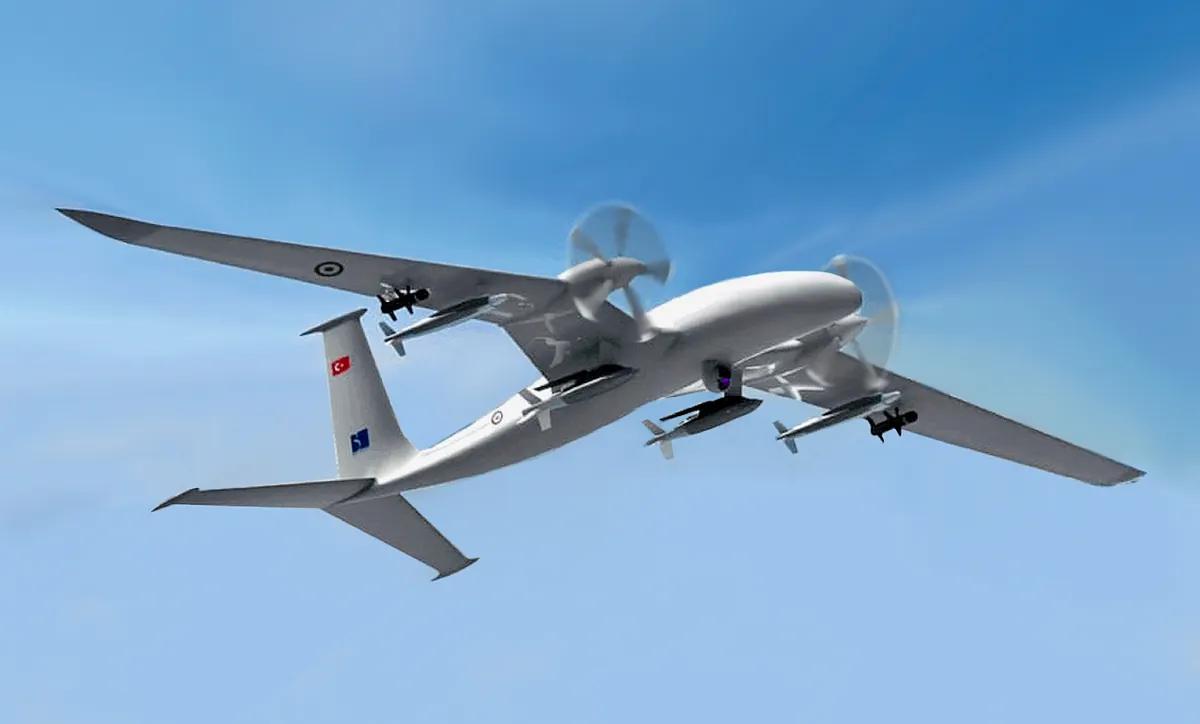
Morocco Kills Polisario Leader Lahbib Abdelaziz With Drone Attack in Western Sahara
19 sources compared
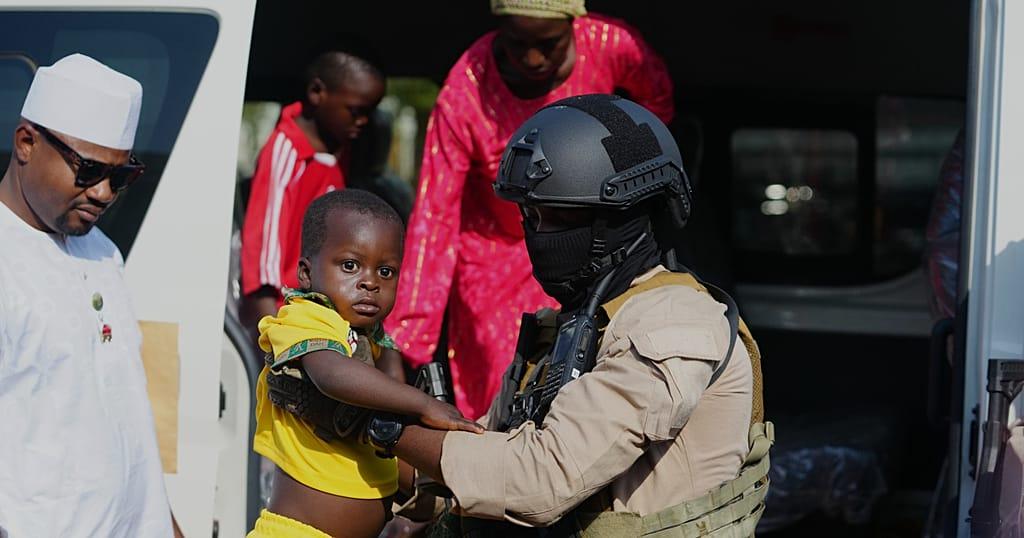
Nigeria’s Army Frees 360 Boko Haram Captives From Borno’s Mandara Mountains
12 sources compared

Truck Breakdown Kills At Least 49 Nigerien Nationals Of Thirst In Northern Niger Sahara
12 sources compared
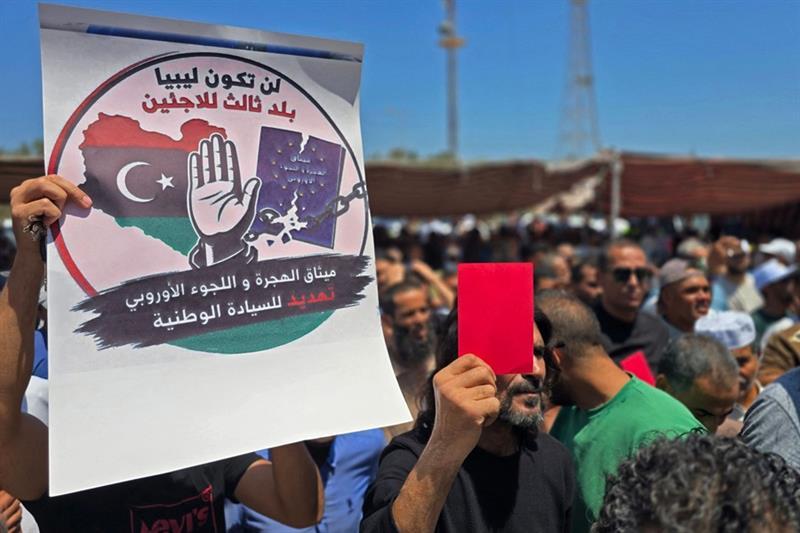
Hundreds of Libyan Protesters Block UNHCR Office in Tripoli, Demand Closure Over Migrant Assistance
12 sources compared