Israeli Attacks Continue in Lebanon as Joseph Aoun Condemns Violations Despite Ceasefire
Key Takeaways
- Israeli airstrikes continue in south Lebanon, with rising casualties.
- Direct talks between Netanyahu and Aoun are anticipated amid escalation.
- Ceasefire remains fragile as bombardments continue and negotiations loom.
Gaza War, Wider Middle East
The war in the Middle East described by Al-Monitor is unfolding alongside renewed pressure and escalation across multiple fronts, with Lebanon and Israel at the center of the latest developments.
“Skip to main content”
Lebanese President Joseph Aoun condemned the “continuing Israeli violations” in south Lebanon, saying they were occurring “despite the ceasefire, as do demolitions of homes and places of worship, while the number of killed and wounded rises day after day”.
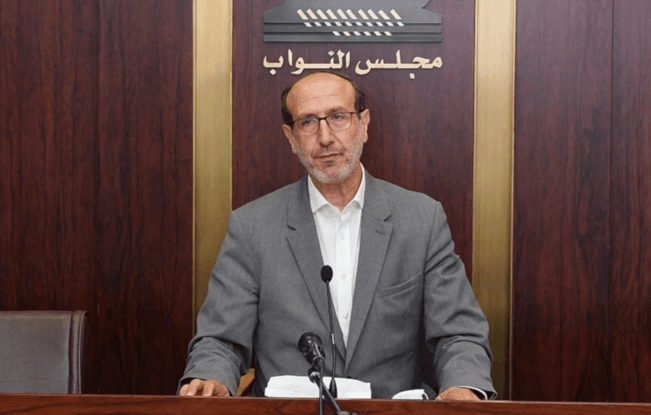
Aoun said, “Pressure must be exerted on Israel to ensure it respects international laws and conventions and ceases targeting civilians, paramedics, civil defence, and humanitarian health and relief organisations,” adding that the focus must be on stopping attacks on those groups.
Al-Monitor’s roundup also links the region’s conflict environment to economic and energy shocks, noting that oil prices “soared to four-year highs” with Brent for June delivery spiking more than seven percent to $126.41 and West Texas Intermediate up 3.4 percent to $110.31.
In the same update, Al-Monitor says the world is facing a “major energy and economic challenge” as oil prices rise “in the wake of the war in the Middle East,” quoting IAE chief Fatih Birol at a Paris meeting.
The Gaza war is not detailed with casualty figures in the Al-Monitor text provided, but the reporting frames it as part of a broader regional conflict cycle that includes Lebanon and Iran-focused escalation.
Negotiations, Deadlines, Leverage
As the Gaza war sits within a broader confrontation described across the provided texts, multiple sources focus on negotiations and deadlines tied to the Iran–Israel–United States confrontation.
Eghtesad Online, citing Entekhab and Ben Caspit in Al-Monitor, says Donald Trump decided to set a two-month deadline to continue talks, while also increasing military leverage.

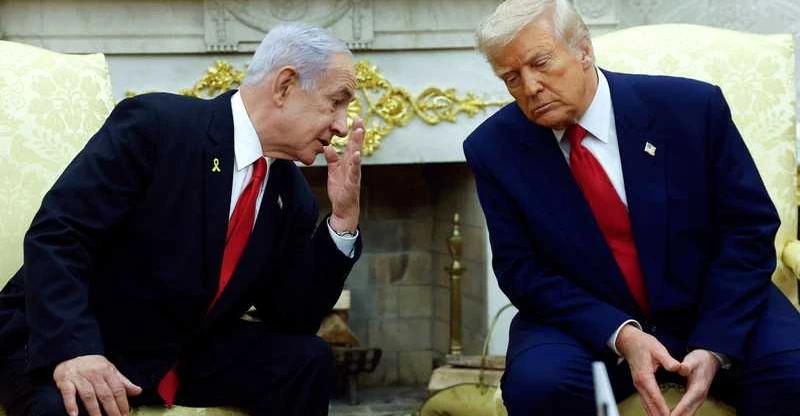
The same report describes a Wednesday meeting at the White House with Benjamin Netanyahu, calling it his seventh meeting with Donald Trump since Trump returned to power 13 months ago, and it says Netanyahu entered and left through a side route to avoid media and pro-Palestine protesters across the street.
Trump is quoted saying no “definitive” decision had been made about taking action against Iran and that he insisted on continuing negotiations with the Iranians to explore the possibility of reaching an agreement.
The report also includes Trump’s comment to reporters on Thursday about the timeline, quoting: “I think within the next month… it must happen quickly.”
It further states that Al-Monitor confirmed on Friday that the United States is dispatching a second aircraft carrier to the region, and it notes that the last time two aircraft carriers were stationed near Iran was June 2025 when the United States joined Israel in striking the Islamic Republic.
Turkey, Syria Kurds, and Gaza
Beyond the Iran-focused diplomacy, another thread in the provided material concerns Turkey’s engagement with Kurdish actors in northeastern Syria, which is presented as part of efforts to calm regional tensions.
The خبرآنلاین item says that, according to Khabar Online and Al Mayadeen citing Al-Monitor, Turkish officials have since spring 2023 been conducting secret negotiations with representatives of the Kurdish self-administration in northeastern Syria, and that these talks are ongoing.
It adds that the first meetings last year occurred in at least two rounds, one in France and the other in Switzerland, and it says Ankara has also simultaneously begun negotiations with Abdullah Ocalan, the leader of the Kurdistan Workers' Party, imprisoned in Turkey since 1999.
The report links the diplomatic push to Turkey’s domestic political calendar, saying that “in the shadow of Turkey's local elections” in which the ruling Justice and Development Party was defeated by the Republican People’s Party, the Turkish government sought to open communication channels with Abdullah Ocalan and the self-governing administration in Syria.
It further says Turkey is considering normalizing relations with the Syrian Kurds, which could include reopening border crossings closed since 2012, and it specifies that these crossings are important economic arteries for autonomous regions including Arab-majority areas such as Raqqa and Deir Ezzor under the control of the Syrian Democratic Forces.
In the same text, Al-Monitor is cited as reporting that 'Tam Barak', described as the envoy of Donald Trump in Syria, recently had a phone call with Mazlum Abdi, commander of the Syrian Democratic Forces, inviting him to continue discussions to reduce tensions with Turkey.
Voices on War, Deterrence, and Risk
The provided texts also include a broader analytical framing of how regional actors are responding to the Middle East security crisis, including Gaza and the possibility of cascading clashes.
ShiaWaves says the Middle East is at “an unprecedented point of security turmoil and instability” and describes “unconventional convergence and tactical coalitions” as actors move to preserve their interests.
It quotes Deutsche Welle as saying that traditional polarization between Russia and China and France, Britain, and the United States remains, while “transatlantic pressures” and “U.S. sanctions policies” make international relations unpredictable.
The same ShiaWaves text states that Washington is “prioritizing actions against Iran and strengthening Israel’s security,” and it says that “simultaneously, the escalation of tensions in Yemen, Syria, and Gaza and the possibility of cascading clashes have increased the risk of a wide-scale crisis.”
It also says experts believe success of tactical coalitions and rapid containment of tensions is possible only within the framework of “unconventional convergence and special deterrence,” while “the unpredictable actions of extraregional powers, especially Donald Trump, have made this process more complex.”
In parallel, Kurdistan24 reports on continued Israeli attacks on Lebanon, describing air strikes on around twelve locations and calling some of them “heavy attacks,” while also citing Israel’s statement that its forces attacked an “educational complex” used by Hezbollah’s Radwan elite force.
Stakes: Escalation, Carriers, and Contacts
The stakes described in the provided material revolve around escalation risks and the mechanics of diplomacy, including the possibility of renewed attacks and the role of high-level contacts.
Shafaq News says The Monitor reported that Israel believes U.S. President Donald Trump is in contact with three senior Iranian officials to end the war with Iran, away from Israeli Prime Minister Benjamin Netanyahu.

It names the trio as Parliament Speaker Mohammad Baqer Qalibaf, the commander of the Joint Military Command (Seal of the Prophets) Ali Abdollahi, and Supreme Leader Ayatollah Ali Khamenei, and it says an Israeli security official described as high-level told The Monitor that “this trio is currently running things.”
Shafaq News also states that Washington pledged not to attack Iran’s vital infrastructure, especially the energy sector, for the next ten days, through April 6, after extending the deadline at Iran’s request.
It adds that the on-the-ground reality shows frustration because, despite increasing Israeli strikes on Iran’s defense industries and sites storing and producing ballistic missiles, Iran’s vital infrastructure has been absent from the joint US-Israeli target lists.
In the Eghtesad Online report, the stakes are framed through the military option remaining on the table, with Al-Monitor confirming the dispatch of a second aircraft carrier to the region and with a senior Israeli diplomatic source telling Al-Monitor that “a powerful strike on Iran right now would be very dangerous.”
More on Gaza Genocide
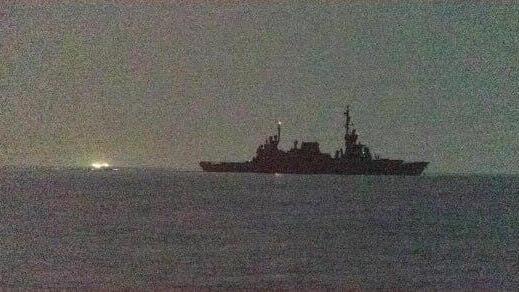
Israeli Forces Intercept Global Sumud Flotilla Boats Near Crete, Detain 175 Activists
29 sources compared

Israel Kills Hind Rajab and Family as They Try to Flee Gaza City
14 sources compared
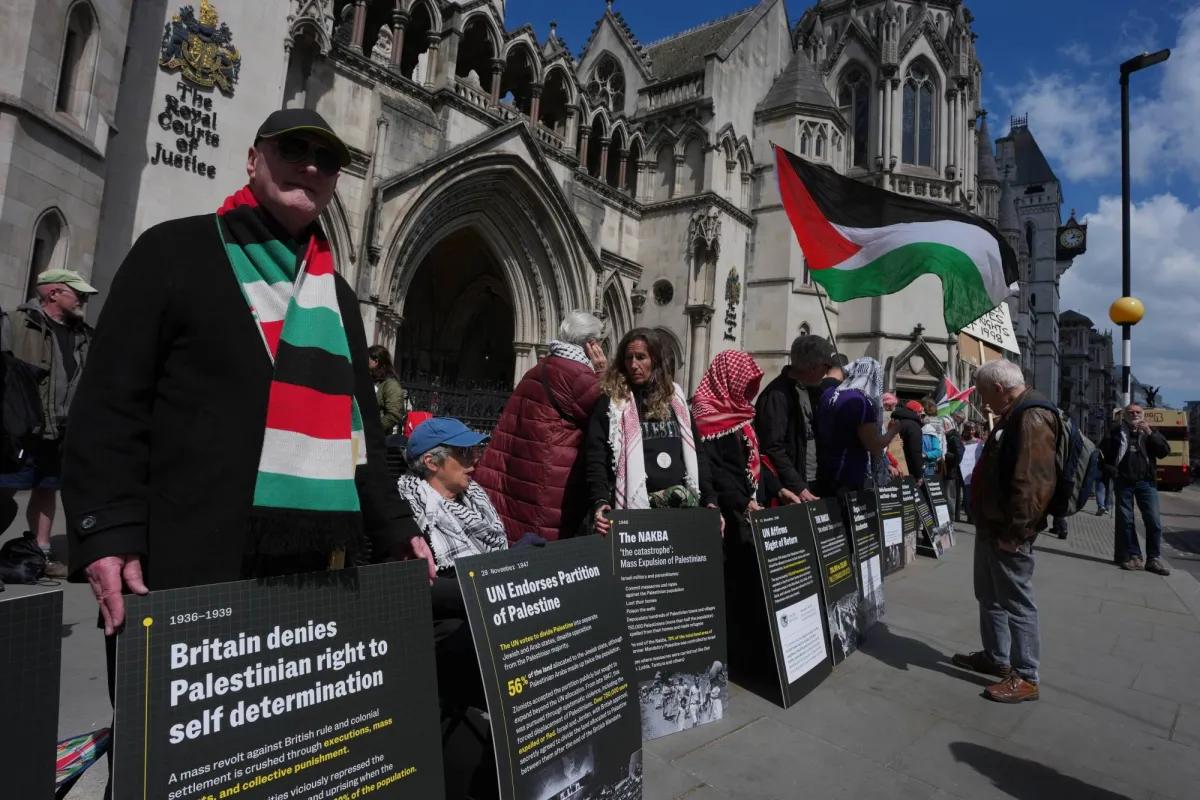
UK Court Finds Palestine Action Ban Illegal as Shabana Mahmood Appeals
23 sources compared
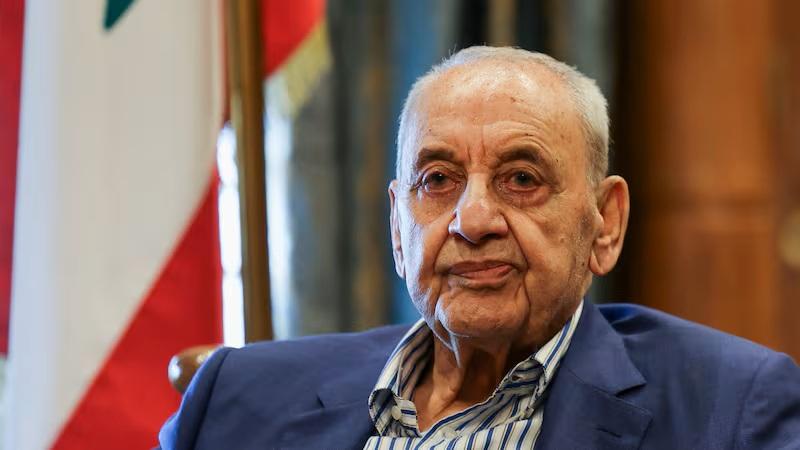
Nabih Berri Says No Negotiations Until Ceasefire Is Achieved
11 sources compared