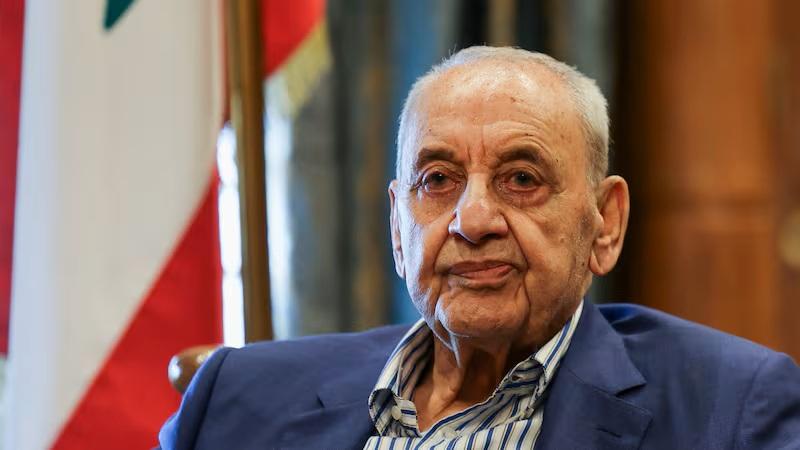
Nabih Berri Says No Negotiations Until Ceasefire Is Achieved
Key Takeaways
- Berri states no negotiations with Israel until a ceasefire is achieved.
- Calls for an international investigation into Israeli occupation crimes.
- Labor Day remarks emphasized solidarity with Lebanon's workers amid aggression.
Ceasefire blocks talks
Lebanon’s parliamentary speaker Nabih Berri said there will be “no negotiations” until a ceasefire is achieved, criticizing President Joseph Aoun’s remarks that attacks must stop before talks begin.
Pars Today quoted Berri saying, “Everything is on hold, and until a ceasefire is achieved, no negotiations will take place.”
In the same report, Berri answered questions about Aoun’s statement with a sarcastic line: “Ask him where the ceasefire is.”
Pars Today also said Joseph Aoun told those present that the Lebanese government does not attach importance to any other statements and that negotiating with Israel without national consensus should not be considered “treason.”
The dispute over sequencing—ceasefire first versus negotiations first—plays out alongside UN calls for an immediate halt to fighting.
Al Jazeera’s broader regional framing is echoed by the UN’s position in the Al-Sharq report, which says António Guterres renewed calls for an immediate ceasefire during a visit to Lebanon.
In that same account, Guterres said, “we must end this war through an immediate ceasefire,” and he called on both sides to implement an immediate ceasefire and end “the great suffering of the Lebanese people.”
UN appeal and displacement
The humanitarian and diplomatic pressure in Lebanon is tied to a UN funding appeal and escalating displacement described in Al-Sharq’s report.
It says António Guterres issued an urgent appeal to raise 308 million dollars to support relief efforts in Lebanon for three months as “the humanitarian crisis worsens and the number of displaced people increases due to Israeli strikes.”
Al-Sharq adds that Guterres renewed calls for an immediate ceasefire and stressed “his full solidarity with the Lebanese people” and the need to enable the Lebanese state to exercise full sovereignty over its territory.
The report frames a ceasefire as paving the way for a solution that would allow Lebanon to be an independent state with full sovereignty, with the state having the exclusive right to maintain security.
It also states that Israel launched an attack on Lebanon last week and that Hezbollah continues to carry out daily rocket and drone attacks as Israel widened its ground operations and air raids, striking the capital Beirut on Thursday and other areas on Friday.
Al-Sharq provides casualty and displacement figures, saying the attacks have left about 773 people dead, about 1,933 injured, and about 900,000 displaced, attributing this to Israel’s orders to evacuate civilians from expanding areas in Lebanon.
In a separate report, Al-Quds al-Arabi says Guterres announced an urgent funding appeal of 325 million dollars to support Lebanon in responding to the refugee crisis and delivering life-saving aid, and it ties that to “more than 826 deaths and the displacement of more than 800,000 people since March 2.”
Labor Day calls and investigations
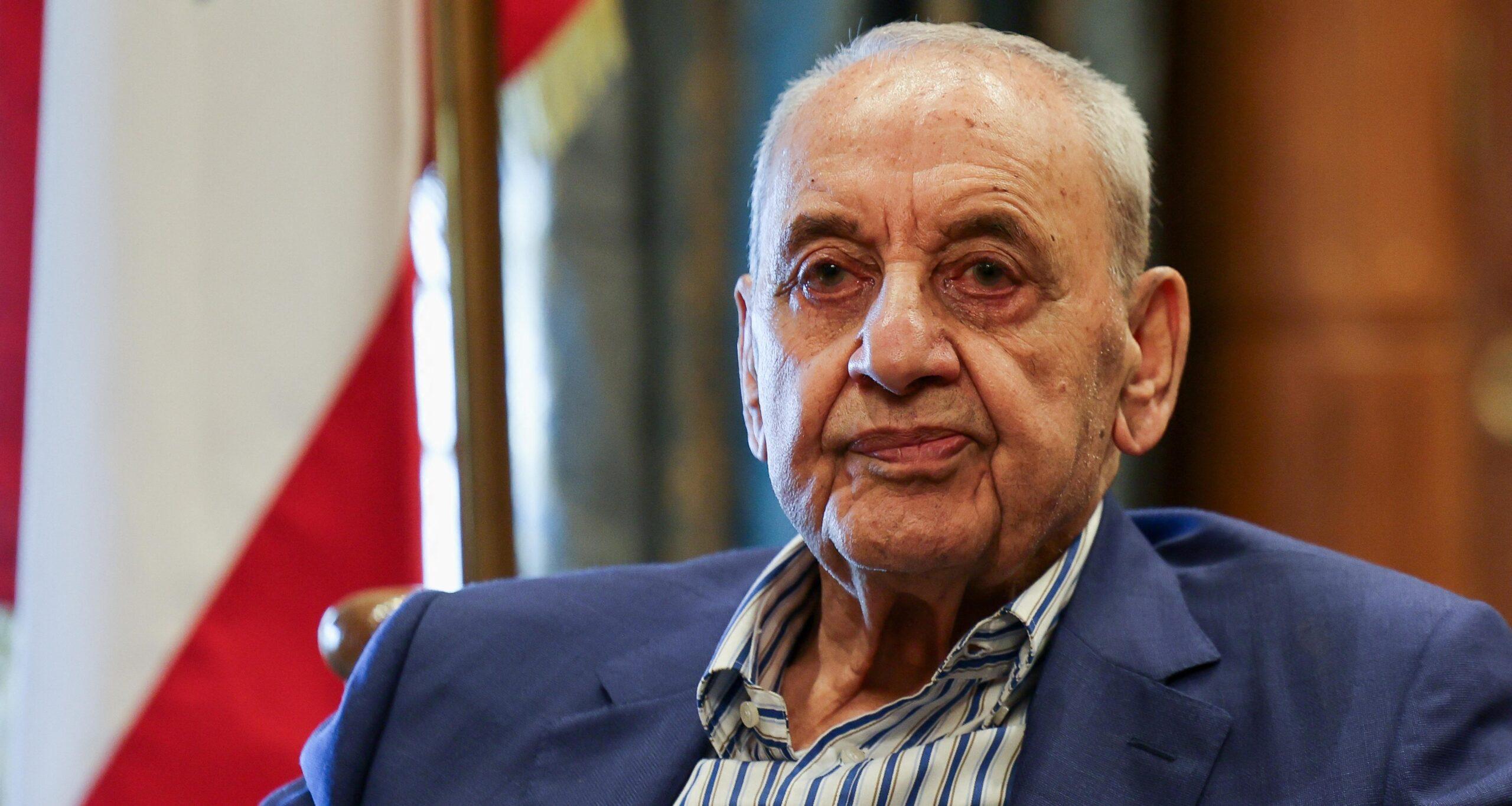
On Labor Day, Nabih Berri used the occasion to broaden the ceasefire debate into a demand for international fact-finding and accountability for violations against workers and farmers.
Daily Beirut quoted Berri stressing “solidarity and compassion with Lebanon's workers, employers, self-employed professionals, farmers and agricultural workers, paramedics, medical and nursing staff, and journalists” in Beqaa and the southern suburbs, including those “unjustly uprooted from their homes due to the Israeli aggression.”
The same statement said Israeli attacks “turned—and continues to turn—with its internationally banned weapons and munitions—their sources of income, fields, homes, and factories into scorched earth,” and it called for the state and the international community to compel Israel to stop its aggression “immediately before anything else.”
Daily Beirut also said Berri urged “the rapid formation of an international fact-finding committee on the crimes that the Israeli occupation forces continue to commit and document with sound and image in a systematic manner.”
Yeni Şafak’s account of Berri’s Labor Day message similarly calls for an “international fact-finding committee” to investigate “grave violations being committed by the Israeli occupation forces against workers and farmers in the southern regions.”
It adds that Berri launched a legal and diplomatic initiative on Thursday, “namely the demand to form an independent international investigation committee,” and it frames the anniversary as “a platform of political pressure aimed at compelling the international community to take deterrent measures.”
In the same set of reports, Berri’s message is repeated through Al-Manar TV Lebanon, which says he urged that Labor Day “should serve as an open national appeal” to compel “Israel” to “immediately halt its aggression” as a priority above all else.
Negotiation delegation plans
While Berri insists negotiations cannot proceed without a ceasefire, Al-Quds al-Arabi describes Lebanon preparing a negotiating delegation with Israel to halt the war, citing an official source and AFP.
The report says Lebanon is working on forming a delegation to negotiate with Israel to stop the aggression “that Tel Aviv has been waging since March 2,” and it adds that preparations are underway but “there is no agenda for this negotiation and the timing or location has not been set.”
Al-Quds al-Arabi says proposed options for where talks could take place include Paris or Cyprus, and it notes that “all matters are still under study.”
It also reports that French President Emmanuel Macron urged Israel to conduct direct talks with Beirut and said he was “readiness to facilitate and host these negotiations.”
The same account says Hebrew-language media outlets, citing informed sources, expect talks to focus on ending the fighting in Lebanon and disarming Hezbollah, and it names Jared Kushner as expected to participate, with the Israeli delegation led by Ron Dermer, a close ally of Prime Minister Benjamin Netanyahu.
Al-Quds al-Arabi adds that a Lebanese official said Lebanon still needs clarification of the negotiation framework, including the agenda, and it says members of the Lebanese delegation from Christians, Sunnis, and Druze have been chosen.
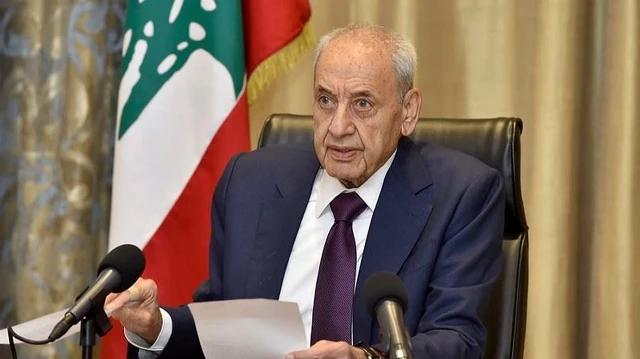
The report then highlights a rejection of Shiite participation, stating that Nabih Berri “rejected any Shiite participation, arguing that Israel will not make concessions to the Lebanese delegation.”
Escalation threats and regional stakes
The sources also describe escalation threats and the stakes for Lebanon’s sovereignty and regional stability, with Israeli military preparations and UN diplomacy running in parallel.
Al-Sharq reports that Israeli Defense Minister Yoav Katz on Thursday ordered the army to prepare to widen its operations in Lebanon, threatening a ground invasion, while it simultaneously describes Guterres’s message that any ceasefire agreement should include negotiations to ensure Lebanon regains sovereignty over its territory.
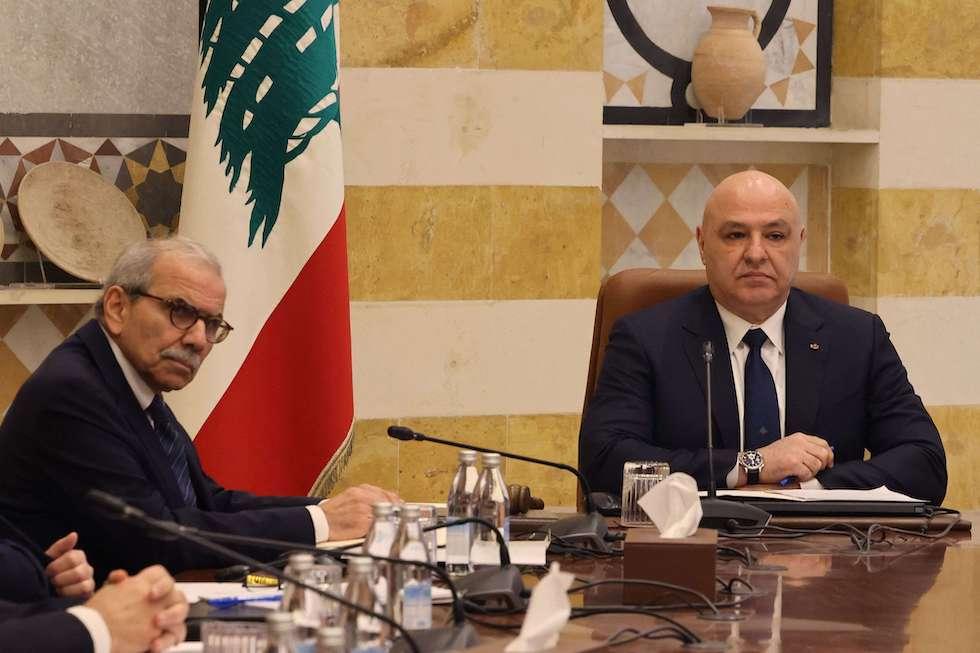
In the same report, Guterres met President Jozef Aoun, Prime Minister Nawaf Salam, and Speaker Nabih Berri, and it says Aoun told Guterres that Israeli attacks must stop and that a ceasefire should be achieved to enable the next steps under the initiative he launched.
Al-Sharq says Aoun warned that continued Israeli aggressions will affect stability across the entire region and added that he had expressed willingness to negotiate but “so far there has been no response from the other side.”
It also states that Nawaf Salam told Guterres Lebanon is facing “one of the darkest chapters in its modern history,” and it repeats that more than 900,000 people have displaced from their homes as hostilities escalated.
The report further says Speaker Nabih Berri reaffirmed Lebanon’s commitment to UN Security Council Resolution 1701, calling for Israel to halt its aggression and implement the November 2024 agreement, while Prime Minister Nawaf Salam stressed the importance of international support for Lebanon.
Finally, Al-Quds al-Arabi frames the diplomatic stakes by quoting Guterres saying there is “no military solution, but only a solution through diplomacy and dialogue,” and it urges the international community to double efforts to support Lebanon amid the humanitarian crisis.
More on Gaza Genocide

Israeli Forces Intercept Global Sumud Flotilla Boats Near Crete, Detain 175 Activists
29 sources compared
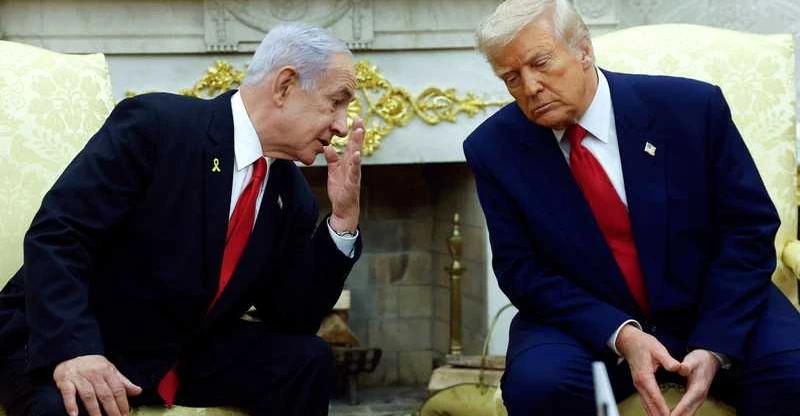
Israeli Attacks Continue in Lebanon as Joseph Aoun Condemns Violations Despite Ceasefire
20 sources compared

Israel Kills Hind Rajab and Family as They Try to Flee Gaza City
14 sources compared
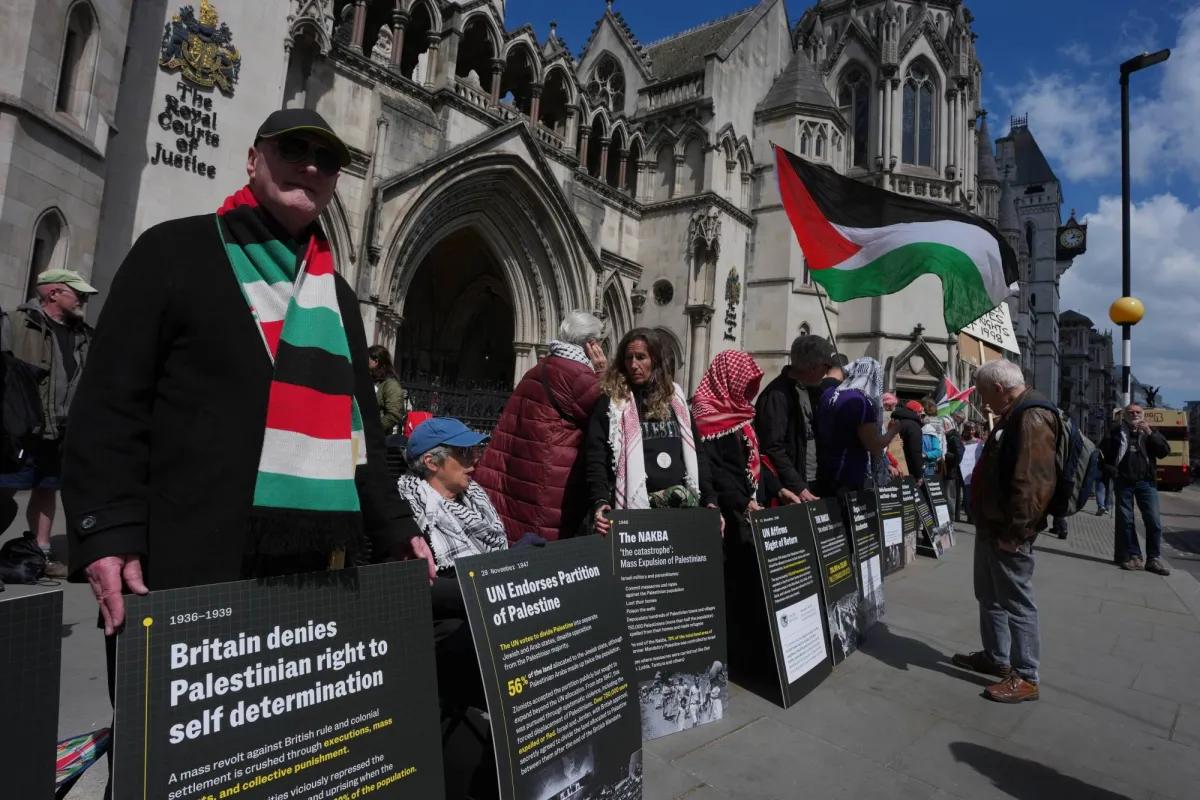
UK Court Finds Palestine Action Ban Illegal as Shabana Mahmood Appeals
23 sources compared