
Japan's Prime Minister Sanae Takaichi Rejects Hormuz Escort Mission, No Naval Deployment Planned.
Key Takeaways
- Japan has no plan to dispatch naval escort ships to Hormuz.
- No decisions have been made; Japan is considering independent actions and potential allied support.
- Statement followed Trump's call for allies to protect tankers through the Strait of Hormuz.
Takaichi's Rejection
Japanese Prime Minister Sanae Takaichi firmly rejected President Trump's request for naval assistance in the Strait of Hormuz deployment.
“Japanese Prime Minister Sanae Takaichi announced Monday that Japan has no current plans to send naval vessels to escort ships through the Strait of Hormuz”
Takaichi declared that Japan has no current plans to send escort vessels through the strategic waterway.

She made the announcement to parliament on Monday, emphasizing no decisions have been made about dispatching naval ships.
The American president's social media appeal for allied help creates a challenging diplomatic situation for Tokyo.
This forces Japan to balance alliance obligations with constitutional constraints on military operations abroad.
Constitutional Constraints
Japan's pacifist constitution presents significant legal and political barriers to the naval deployment requested by Trump.
Takaichi explicitly stated that Japan is 'continuing to examine what Japan can do independently and what can be done within the legal framework.'

This highlights the constitutional constraints that limit overseas military operations.
The war-renouncing constitution restricts the types of military operations the country can undertake abroad.
Particularly combat missions against state actors would be required in the Hormuz situation.
This constitutional framework represents a fundamental limitation on Japan's ability to participate in naval escort operations.
Historical Precedent
Japan has previously conducted military operations in Middle Eastern waters, but these have been limited to anti-piracy patrols.
“Japan has no immediate plan to send naval vessels to escort ships in the Strait of Hormuz, Prime Minister Sanae Takaichi said on Monday, after U”
The Maritime Self-Defense Force has conducted anti-piracy operations in waters near the Middle East.
These missions were policing operations rather than direct military confrontations with state actors.
This historical precedent shows Japan's willingness to participate in regional security operations within constitutional boundaries.
It also indicates reluctance to engage in direct military conflict with sovereign states.
This distinction represents a critical legal and policy boundary for Japanese military deployments.
Diplomatic Approach
Prime Minister Takaichi will travel to Washington this week for crucial talks with President Trump.
The conflict with Iran and the Hormuz situation will be central topics of discussion.

Takaichi indicated she intends to engage in 'solid discussions based on Japan's views and position regarding the need for early de-escalation.'
This signals her preference for diplomatic solutions over military involvement.
This summit represents a critical moment for Japan-U.S. relations.
Tokyo seeks to maintain alliance cohesion while upholding constitutional principles.
Takaichi's emphasis on de-escalation suggests Japan will continue advocating for peaceful resolution of tensions.
Energy Security Dilemma
Japan faces a fundamental strategic dilemma in the Hormuz situation due to its heavy dependence on Middle Eastern energy.
“By Tim Kelly TOKYO, March 16 (Reuters) – Japan has no plan to dispatch naval vessels to escort vessels in the Middle East, Prime Minister Sanae Takaichi said on Monday, after U”
As one of the world's largest energy importers, Japan relies heavily on oil and gas shipments from the Middle East.
The security of the Strait of Hormuz is critically important to Japan's economic interests.
However, Japan's legal framework requires overseas military operations to respond to existential threats.
This is a high legal and political threshold for Takaichi's government to justify.
This energy security dilemma creates a complex balancing act for Japanese policymakers.
More on Asia

Iranian drone strikes Dubai International Airport, triggering fuel-tank fire and flight suspensions
35 sources compared

Drone strike near Dubai Airport shuts hub as 65 flights diverted to 34 airports
28 sources compared
Iran Strikes Italian Military Base in Erbil, Forcing Troops Into Bunkers
28 sources compared
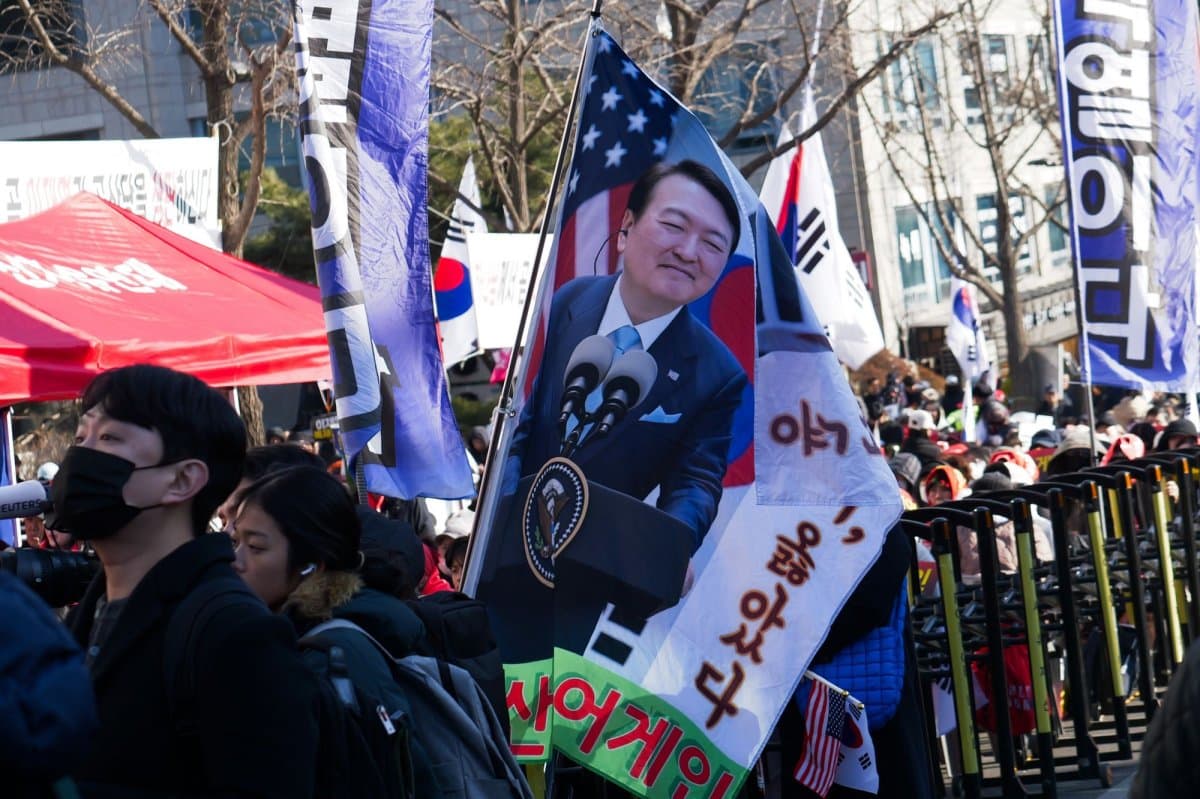
Former South Korean president Yoon Suk-yeol appeals life sentence for leading insurrection
14 sources compared