
Japan’s Shinjiro Koizumi Rejects China’s ‘New Militarism’ Claim at Shangri-La Dialogue
Key Takeaways
- Koizumi rejected China's 'new militarism' label at Shangri-La Dialogue in Singapore.
- He accused China of rapidly expanding its military with little transparency.
- Koizumi contrasted Japan's lack of nuclear weapons and strategic bombers with China's arsenal.
Koizumi vs Beijing
Japan’s Defence Minister Shinjiro Koizumi rejected China’s accusation that Tokyo is pursuing “new militarism” as tensions between the two countries continue to simmer, speaking at the Shangri-La Dialogue in Singapore.
Koizumi said, “There is a country that has a huge arsenal of nuclear weapons and strategic bombers,” adding, “Japan has neither of such weapons, and yet Japan is labeled new militarism. Isn’t it strange?”

China’s Ministry of Foreign Affairs last month said, “Japan’s new militarism has become a menace, threatening regional peace,” framing Beijing’s criticism as a threat to regional stability.
The dispute comes as Koizumi argued Japan’s moves are intended to deter conflict and are being conducted in a transparent way, while he pointed to China’s “weaponization of everything” in the Indo-Pacific region.
Koizumi also said China continues to increase its defense spending at a high level and is rapidly expanding its military capabilities across a wide range of areas without sufficient transparency, with China’s defense budget described as around five times larger than Japan’s.
Dialogue, accusations, and replies
At the Shangri-La Dialogue, Chinese delegate Major General Meng Xiangqing criticized Japan, saying, “I deeply doubt whether a country that has not thoroughly eradicated the toxic legacy of militarism is qualified to talk extensively about defence cooperation on international occasions.”
Koizumi responded by insisting “nothing could be further from the truth,” while also stressing that Japan’s record since World War Two “speaks for itself” through adherence to international law and commitment to the United Nations Charter.
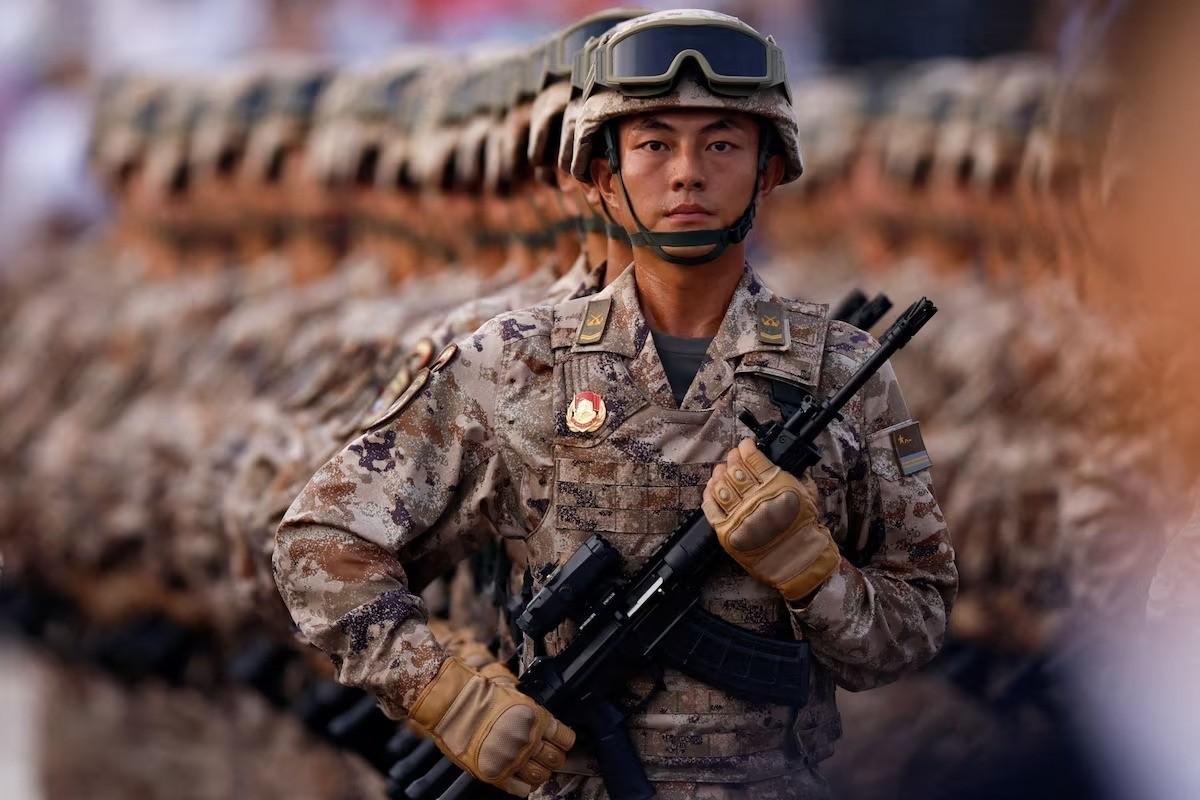
Koizumi told the conference, “We keep the door open,” reaffirming Japan’s commitment to dialogue with China and other regional players to foster stability.
The BBC reported that Koizumi promised Japan would proceed “with a high degree of transparency” and engage in constant dialogue with other countries, as he sought to reassure officials from Asian countries including those invaded by Japan in World War Two.
The BBC also said China’s national defence ministry spokesman Jiang Bin had warned the day before the summit began that “the grey rhino of a remilitarised Japan is gathering speed” and called on the international community to “work together to contain Japan’s neo-militarism.”
What comes next
Beyond the rhetoric, the dispute is tied to security planning and regional partnerships, with Koizumi saying Japan would “steadily build up its defence capabilities and make continuous updates with a high degree of transparency” including artificial intelligence, uncrewed systems, cyber and space defense.
“Japan's Defence Minister Shinjiro Koizumi on Sunday rejected accusations of "new militarism" by Tokyo and criticised China for rapidly expanding its military with little transparency, underscoring mounting tensions between the two countries, APA reports citing Reuters”
The Guardian reported that China sent a “watered-down delegation” that does not include its defence minister, Dong Jun, for the second year running, while Koizumi said he was “feeling sad that we were unable to have the opportunity to have a meeting this time”.
Koizumi’s comments also intersect with Taiwan, where the BBC said tensions escalated in November after Beijing took issue with Sanae Takaichi’s suggestion that Japan could respond with its own self-defense force if China attacked Taiwan.
Separately, the CNA reported that Koizumi met Philippine Defense Secretary Gilberto Teodoro, and Teodoro said Manila “will not sacrifice our territorial integrity and sovereignty because our constitution does not allow us.”
As Teodoro spoke, China’s People’s Liberation Army Southern Theater Command issued a statement online saying it had “conducted combat readiness patrols” around Scarborough Shoal, describing the patrols as an “effective countermeasure” around what it called “an inherent part of China's territory.”
More on China

Pete Hegseth Tones Down China Threat, Reaffirms U.S. Commitment To Pacific Security
13 sources compared
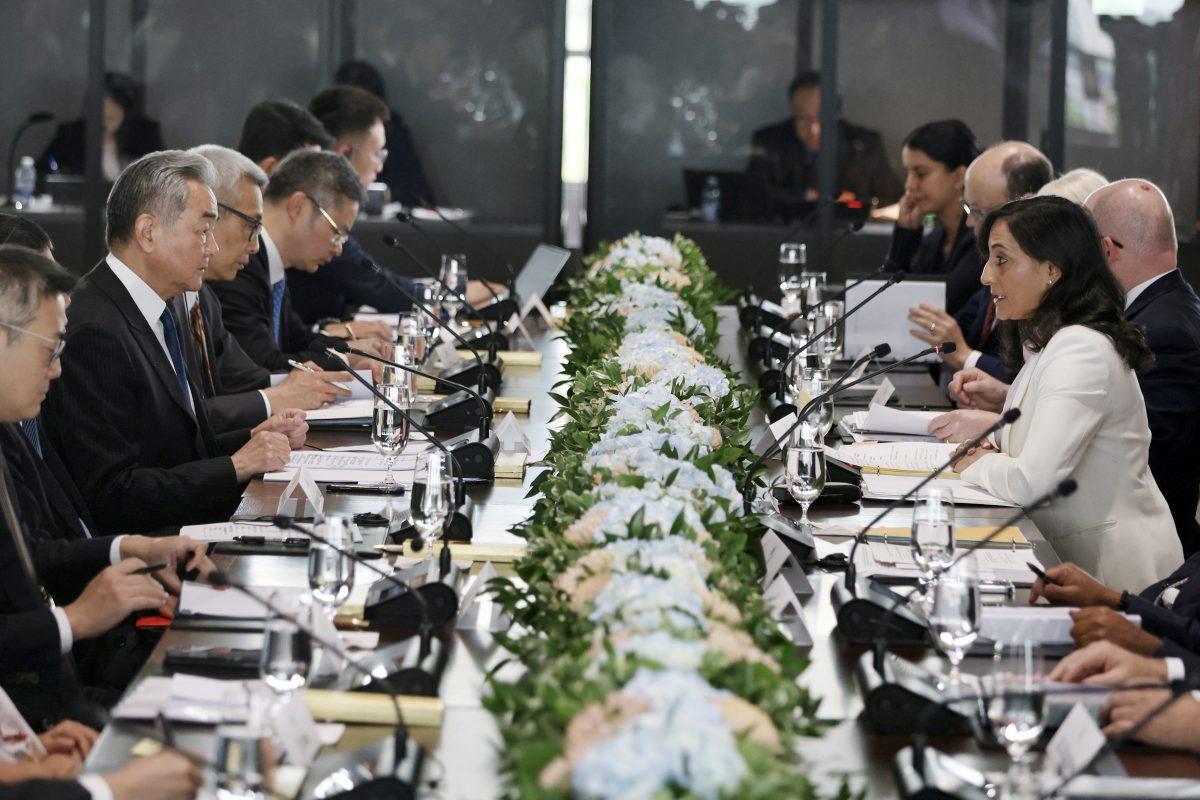
Wang Yi Calls Mark Carney’s Beijing Visit a Turning Point for Canada-China Ties
13 sources compared

China Executes Xu Yao for Poisoning Yoozoo Games Founder Lin Qi Linked to Netflix’s The Three-Body Problem
10 sources compared

Taiwan Scrambles Fighter Jets After China Launches Second Joint Combat Readiness Patrol
15 sources compared