Jason Greenblatt Warns Polisario Front Is Iran’s Agent in North Africa
Key Takeaways
- Jason Greenblatt warns Polisario Front acts as Iran's agent in North Africa.
- He calls the threat from Polisario Front in North Africa emerging.
- Western and West Asian outlets note Iran's expanding proxy influence in the region.
Proxy reach and warnings
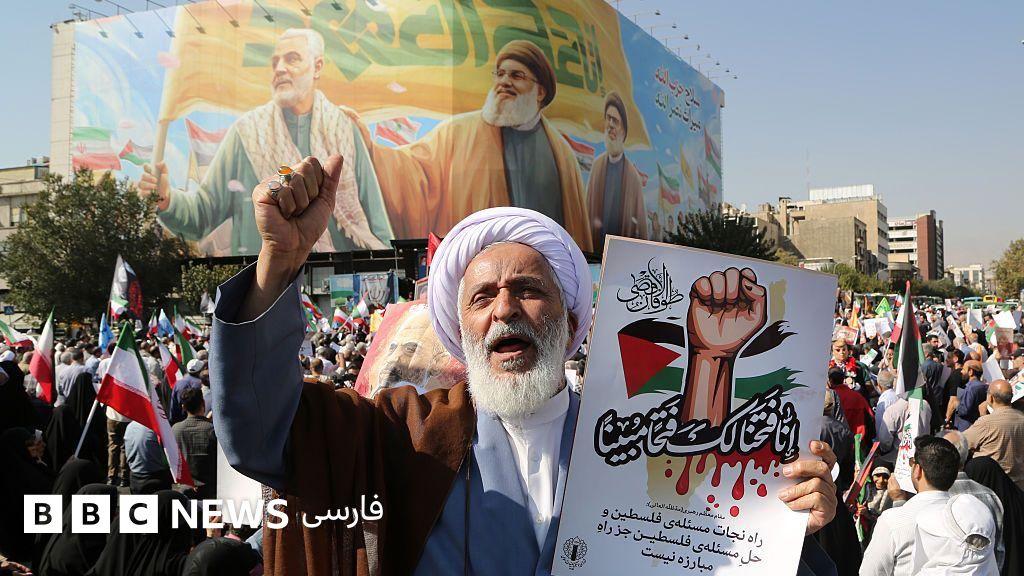
A former Trump adviser, Jason Greenblatt, warned in an op-ed published on Semafor that the Polisario Front is Iran's agent in North Africa and that ignoring its danger would be a grave mistake.
“Iran on the Margins of the Gaza Ceasefire; a Weary Player in the New Middle East Arena Author: Saeed Jafari Occupation: Journalist Published in Reading time: 6 minutes Two years after Hamas's attack on Israel, it seems the fire of the conflict that claimed tens of thousands of lives across the Middle East has at least for now grown quiet”
Greenblatt said Tehran has for decades depended on supporting armed movements outside its borders by providing them with training, funding, and ideological guidance, to extend influence without engaging directly in conflicts.
He argued that the same pattern has begun to recur in North Africa with the rise of the Polisario Front's role in the Western Sahara conflict, and pointed to recurring Moroccan accusations against Iran and Hezbollah of providing military and logistical support to it.
Greenblatt also stressed that the United States does not classify the Polisario Front as a terrorist organization, but said that does not erase the strategic risks associated with its activities and its external ties.
He concluded that the international community previously ignored Iran's moves through its proxies in other regions, leading to ongoing crises, urging not to repeat the same mistake in North Africa regarding the Polisario Front.
Allies, ceasefire, and limits
In an article titled "Iran's Allies and the Ceasefire," Mohammad Abu al-Fadl wrote that if Iran maintains its close relationship with its proxies in both Iraq and Lebanon and Yemen, one could say that the Middle East has not changed.
He linked the persistence of proxy activity to a ceasefire that, as enacted, did not fully achieve American objectives, adding that the tug-of-war would not end if Washington leaves the situation as is.
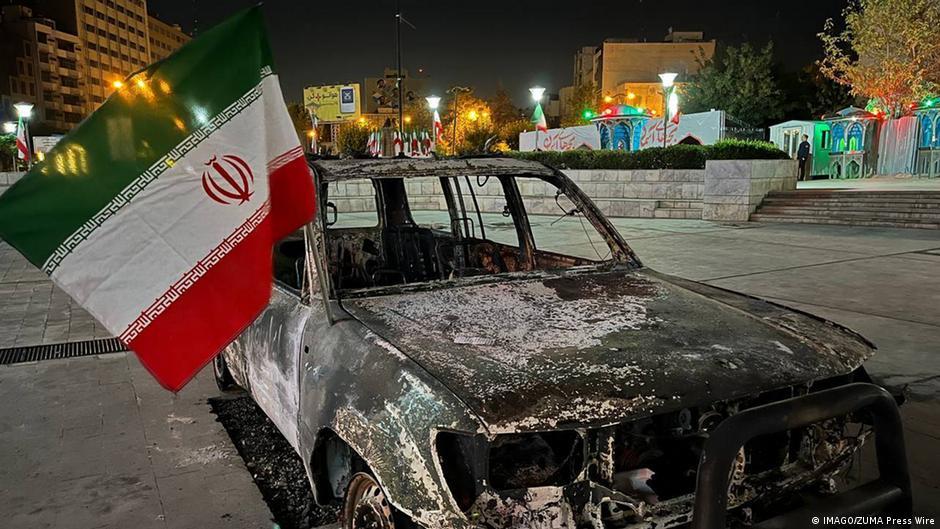
Abu al-Fadl said the allies will be part of the change that Israel and other countries will not stop pursuing, and warned that if the United States fails to pressure Iran forcibly or to persuade it politically to relinquish the proxy card, the region will face another round of open escalation.
The piece also described two routes for Iran to keep its proxies after a brutal war, including "continuous covert military support for them, with no ceiling or controls" and "legitimizing their function" through developing political performance.
It argued that a country like Lebanon will not stop its internal crises and their scope will widen, while Iraq will not regain its vitality on a national basis and the Houthis may gain more influence inside Yemen.
U.S. designations and Western fears
The United States designated four Iranian proxy groups, including Al-Nujaba, as “terrorist organizations,” with the State Department saying in a statement that the militant groups “Al-Nujaba,” “Kata’ib Sayyid al-Shuhada,” “Ansar Allah al-Awiyah,” and “Kata’ib Imam Ali” are being treated as foreign terrorist organizations.
“War in theMiddle East Advertisement Supported by The charges against Mohammad al-Saadi in the United States have raised concerns that Iran could be working with its proxies to stage attacks outside the region”
The Al Arabiya Persian report said the statement described Iran as supporting these proxy groups so they can plan, facilitate, or directly carry out attacks across Iraq, and noted that the department said the groups had previously carried out attacks on the U.S. Embassy in Baghdad and on bases hosting American forces and the International Coalition.
Separately, the New York Times reported that a criminal complaint unsealed in a U.S. court on Friday accused Mohammad al-Saadi of plotting attacks in the United States, raising fears that Iran could be working with its proxies to stage attacks outside the region.
The Times quoted Aaron Y. Zelin saying, “They’ve expanded their scope into actual Western countries now beyond just the war zone,” and added that the complaint described al-Saadi as a high-ranking figure in Kataib Hezbollah.
The Times further reported that prosecutors said al-Saadi was involved in a series of attacks in Europe and that the accusations describe him as planning at least 20 attacks in Europe and Canada since the U.S.-Israeli campaign against Iran began in late February.
More on Iran
Russia Presses Toward Kharkiv as Vovchansk Fighting Continues, BBC Reports
12 sources compared

Mahmoud Abbas Casts Ballot in Fatah Leadership Elections in Ramallah, Gaza, Cairo, and Beirut
16 sources compared
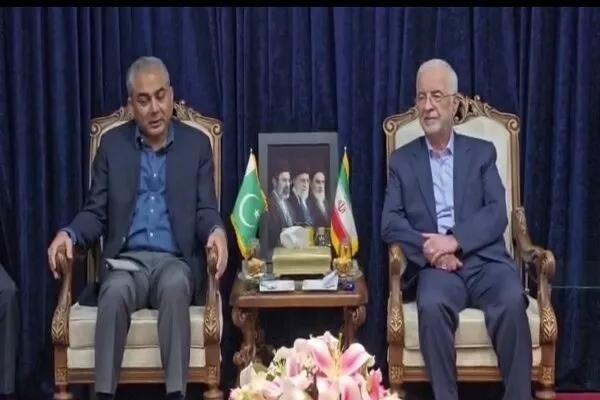
Iran And Pakistan Interior Ministers Meet In Tehran To Restart U.S.-Iran Peace Talks
12 sources compared

United States and Israel Prepare Renewed Strikes Against Iran As Early As Next Week
13 sources compared