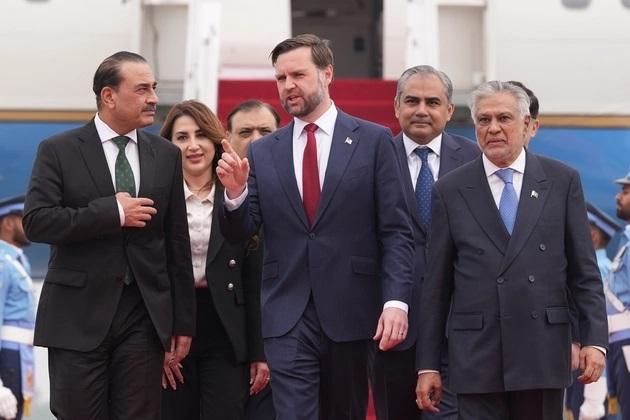
JD Vance And Marco Rubio Split Over Iran Talks And Israel’s Lebanon Campaign
Key Takeaways
- Vance is optimistic about the Iran deal; Rubio takes a more aggressive stance.
- Rubio's Iran MOU messaging differs from Trump and Vance.
- Lebanon campaign and Hormuz policy divide Vance and Rubio.
Vance and Rubio diverge
The Trump administration is steering negotiations with Iran after months of military confrontation, and Vice President JD Vance and Secretary of State Marco Rubio have delivered contrasting messages while promoting the preliminary US-Iran peace framework reached earlier this month.
Vance, who travelled to Switzerland for talks with Iranians, struck an optimistic tone about diplomacy and told reporters that the US had invited an Iranian intelligence official to serve as a deconfliction liaison with the Pentagon in Qatar.
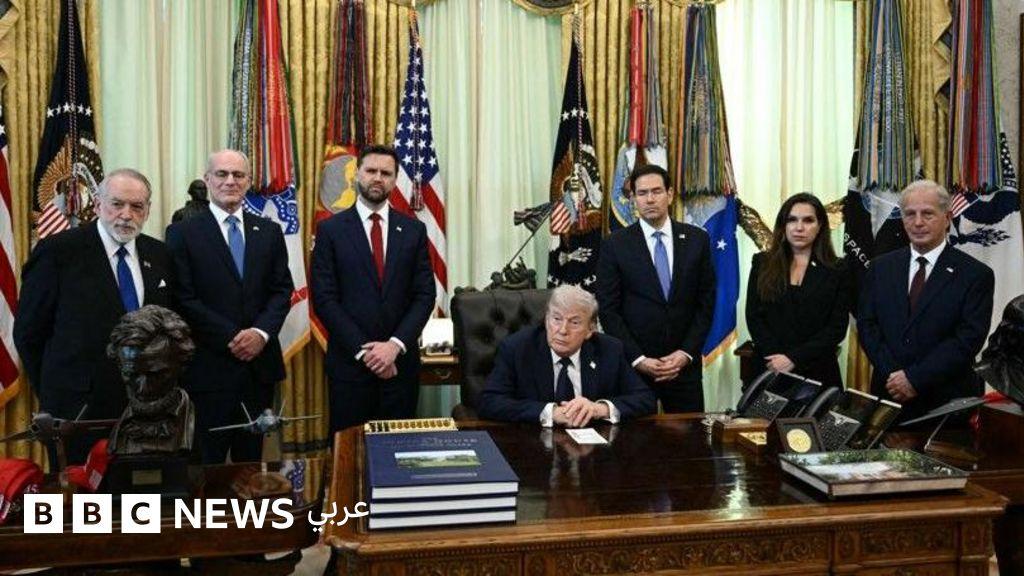
Rubio, during a Gulf tour that included the United Arab Emirates, Kuwait and Bahrain, projected a more cautious approach and said, "While we want a deal, we don't want a deal at any price," as he reassured partners skeptical of any agreement that could leave Iran with greater influence.
The split sharpened on Israel’s campaign in Lebanon, with Vance criticizing Israeli strikes on civilian infrastructure in Beirut while Rubio defended Israel’s actions as a response to attacks carried out by Hezbollah.
The White House insisted there was no division, with spokeswoman Anna Kelly saying, "There is one camp -- President Trump's camp -- and the entire administration is fully behind the President's efforts to ensure Iran can never possess a nuclear weapon," even as analysts pointed to different strains within the Republican Party.
Israel line drives rift
As Vance criticized Israeli strikes on civilian infrastructure in Beirut, Rubio sidestepped the disagreement and instead pointed to a recent Hezbollah attack on an Israeli checkpoint.
Rubio’s framing during his Gulf visit included the line, "While we want a deal, we don't want a deal at any price," and he also stressed that any agreement must fully protect both US interests and the security concerns of Washington's allies in Middle East.

Vance, speaking at the White House, argued that Israeli bombings of civilian infrastructure in Beirut were undermining US-led efforts to bring peace to the region, according to Reuters.
In response to Vance’s criticism, Rubio deflected and emphasized Hezbollah’s role in escalating the conflict, while the White House spokeswoman Anna Kelly and State Department spokesman Tommy Pigott rejected claims of policy divergence.
Pigott called the narrative "tired and fake" and said, "The entire administration is 100 per cent in lockstep behind President Trump," as the administration tried to keep its Iran messaging unified.
What’s at stake next
The contrasting rhetoric comes as Washington attempts to stabilize relations with Iran while maintaining close ties with Israel and reassuring Gulf allies, with the two officials’ public emphasis shaping how allies and adversaries interpret US strategy during ongoing negotiations.
Vance’s diplomacy-forward approach included the idea that Gulf nations could eventually play a role in financing Iran's reconstruction if peace holds, while Rubio dismissed the expectation that Gulf states would finance rebuilding and said it was "far down the road."
Rubio also argued that the MOU’s language about avoiding hostile action and refraining from the threat or use of force applied to Iran’s support for proxies, saying, "So I do think it’s covered by the MOU."
CNN reported that Rubio’s tone on Iran’s leadership differed from Trump and Vance, with Rubio telling Bahrain, "The Iranian system is led by clerics – radical clerics," while Trump said at the G7 summit in France that "We’re dealing with people that I think are very rational people."
With both Vance and Rubio viewed as potential 2028 presidential contenders, the episode underscored how messaging differences could test whether the administration’s rhetorical alignment stays intact as negotiations with Iran continue.
More on Iran

Iran Launches 4,000 Projectiles Against Gulf Cooperation Council States After June 17 U.S.-Iran MOU
12 sources compared
U.S. Strikes Iran After Drone Attack on Cargo Ship in Strait of Hormuz
32 sources compared

U.S. Strikes Iran After Trump Accuses Tehran of Ceasefire Violation in Strait of Hormuz
22 sources compared

Oman Warns Allies Ships Through Strait Of Hormuz May Face Transit Fees
12 sources compared