USA21 April, 20269 min read
JD Vance Leads U.S. Delegation to Islamabad for Iran Talks as Iran Rejects New Talks
Vance leads U.S. delegation to Islamabad for potential Iran peace talks. Iran signals no immediate plans for new talks with the United States.
The Jerusalem Post was read line by line by the Watchdog: 4.3. See the score →
Ceasefire Deadline Nears
As a U.S.-Iran ceasefire deadline neared, multiple outlets described a fast-moving diplomatic push centered on Pakistan’s capital, Islamabad, and a parallel military standoff over the Strait of Hormuz. The Guardian said JD Vance was expected to fly to Islamabad “at the head of a US diplomatic delegation on Tuesday if Iran agrees to further talks in the Pakistani capital as the deadline for the current ceasefire looms.” The Hill framed the countdown as “less than two days until a ceasefire between the U.S., Israel and Iran expires,” adding that “prospects for peace are threatened” as Iran’s military threatened retaliation after the U.S. seized an Iranian cargo ship.
Al Jazeera reported that Iran had signalled “it has no plans to send negotiators to Islamabad for a new round of talks with the United States,” casting doubt over Pakistan’s preparations “less than 48 hours before a fragile ceasefire is set to expire.” PBS (AP) described the same core pressure point, saying the U.S. attacked and seized an Iranian-flagged cargo ship “throwing a fragile ceasefire into question days before it expires.” In the middle of the diplomatic uncertainty, Trump’s own public timeline shifted in ways that The Independent said left officials unclear about whether Vance would lead the talks.

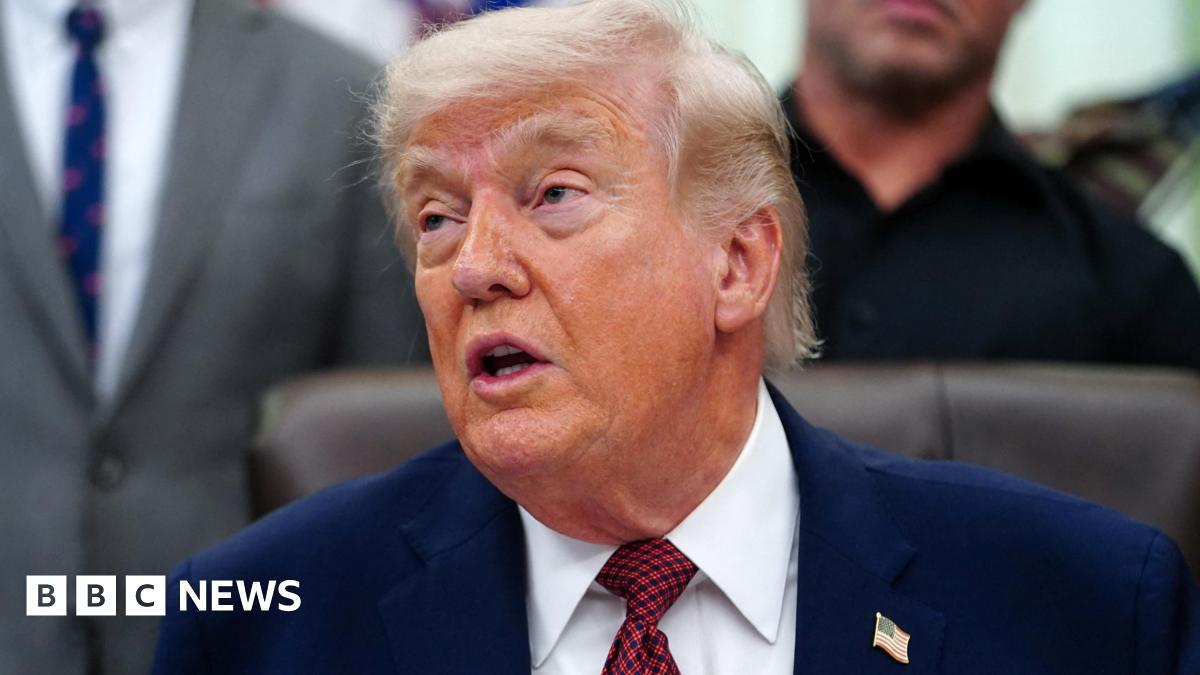
The Independent reported that Trump told ABC News’ Jonathan Karl that “security issues” prohibited Vance’s participation, then later “Unnamed White House officials then contradicted the president and told multiple networks, including ABC and MS NOW, that Vance would indeed be traveling to Islamabad.” The Hill also said Trump warned the U.S. would resume hostilities if there was no deal, while NBC News polling cited in The Hill showed “76 percent of Americans under 30 disapproved of the president’s job performance.”
Strait of Hormuz Flashpoint
While the diplomacy played out, the Strait of Hormuz remained the operational flashpoint described across outlets, with the U.S. blockade and Iranian restrictions repeatedly cited as the immediate triggers for escalation. The Guardian said Trump had imposed a blockade on Iranian ports and that “on Sunday the US military seized an Iranian-flagged container ship trying to cross,” raising concerns that “escalation of hostilities would prevent peace talks resuming.” PBS (AP) similarly said the U.S. attacked and seized an Iranian-flagged cargo ship it said had tried to evade a naval blockade near the Strait of Hormuz, and it noted that Iran’s joint military command vowed to respond.
Al Jazeera tied Iran’s refusal to talks to specific breaches, reporting that Iranian Foreign Ministry spokesman Esmaeil Baghaei said Washington had “violated the ceasefire from the beginning of its implementation,” citing “the US naval blockade of the Strait of Hormuz since April 13, and the overnight capture of an Iranian container ship by the US military.” CNBC described Iran’s rejection of talks as citing “the ongoing naval blockade, which it considers a breach of the ceasefire,” and it added that Trump said the U.S. intercepted a ship called the TOUSKA in the Gulf of Oman before firing and seizing it. The Hill described Iran’s military threatening retaliation after the U.S. seized one of its cargo ships traveling through the Gulf of Oman, reinforcing the linkage between maritime action and the ceasefire’s fragility.

In parallel, The Guardian said Pakistan was preparing for possible negotiations by setting up “a security lockdown and suspending public transport in the capital,” while Islamabad’s electricity board promised “power cuts would be suspended in the city while negotiations continue.” The Guardian also quantified the broader energy pressure, saying “Power cuts lasting six to seven hours a day have become typical in cities across Pakistan as the country grapples with oil and gas shortages caused by the double closure of the strait of Hormuz by Iran and the US.”
Competing Signals and Threats
The sources portrayed a diplomatic process shaped by hostile messaging from both sides, with Iranian leaders emphasizing mistrust and U.S. officials tying negotiations to coercive demands.
The Guardian said Masoud Pezeshkian warned there was “deep historical mistrust” of the U.S. and that Tehran was concerned about “unconstructive and contradictory signals from American officials,” concluding they amounted to an effort to seek “the country’s surrender.”
The Guardian also quoted Pezeshkian’s line, “Iranians do not submit to force,” and it added that Tehran called for “an end to the US blockade of the strait of Hormuz.”
In the U.S. messaging, Trump repeated demands that Iran should never be allowed to build a nuclear weapon and even said he would be willing to meet Iranian leaders himself, while The Guardian said Trump also confused the timeline by telling the New York Post that Vance and his team were “heading over now.”
The Hill and The Independent both described the confusion around Vance’s role, with The Independent saying Trump told Jonathan Karl “It’s only because of security,” and then later White House officials contradicted him.
Al Jazeera reported that Esmaeil Baghaei accused Washington of not being “serious” and said the U.S. was “insisting on some unreasonable and unrealistic positions,” while also warning that if the U.S. and Israel launched aggression again, Iranian forces “will respond accordingly.”
The U.S. threats were explicit in multiple outlets: Al Jazeera quoted Trump on Truth Social saying, “if they don’t, the United States is going to knock out every single Power Plant, and every single Bridge, in Iran,” and PBS (AP) said Trump wrote that threat as well.
Axios added that Trump’s post included, “NO MORE MR. NICE GUY!” and “IT’S TIME FOR THE IRAN KILLING MACHINE TO END!” while also stating, “The concept of the deal is done.”
Even as the rhetoric hardened, Reuters-cited reporting in The Guardian said a senior Iranian official told Reuters Tehran was “positively reviewing” participation, showing the diplomatic picture remained mixed rather than fully closed.
The Hill also reported that Trump said he was “highly unlikely” to extend the ceasefire if Wednesday evening passed without a peace deal, making the threats and the deadline converge.
Who Leads the Delegation
The reporting also highlighted internal U.S. uncertainty over who would lead the delegation, with multiple outlets describing flip-flops and competing statements within hours. The Independent said “Top administration officials, including President Donald Trump himself, appeared unclear as to whether Vice President JD Vance would lead peace talks with Iranian officials in Pakistan this week,” and it described Trump’s initial claim that “security issues” prohibited Vance’s participation. It then said “Unnamed White House officials then contradicted the president and told multiple networks, including ABC and MS NOW, that Vance would indeed be traveling to Islamabad.”
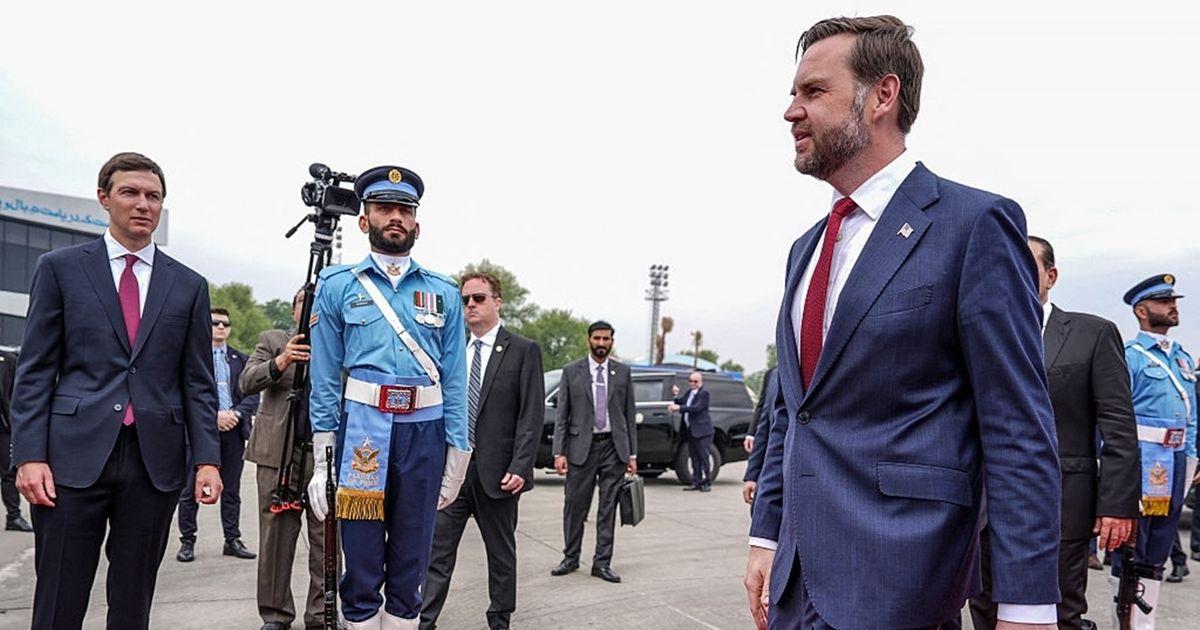
The Guardian, by contrast, presented a more concrete expectation, saying Vance was “expected to fly to Islamabad at the head of a US diplomatic delegation on Tuesday if Iran agrees to further talks.” The Hill reported that “Vice President Vance, with U.S. special envoy Steve Witkoff and Jared Kushner, President Trump’s son-in-law, is expected to travel to Islamabad on Monday for a second round of peace negotiations with Iranian officials,” while also noting that Trump said they would arrive for “Monday night negotiations.” PBS (AP) stated that “Vice President JD Vance, who led the first round of historic face-to-face talks over 21 hours last weekend, would lead the U.S. delegation to Pakistan with envoys Steve Witkoff and Jared Kushner.”
Seeking Alpha added another timeline element, saying CNN reported Vance and the delegation were “expected to depart from Washington, D.C., on Tuesday and land in Islamabad, Pakistan, on Wednesday.” Meanwhile, Axios said “Vice President JD Vance will lead a U.S. delegation for another round of talks with Iran in Islamabad before the ceasefire is scheduled to end on Tuesday night,” and it said two U.S. officials told Axios that Vance would lead.
Even when the U.S. side appeared to settle on Vance’s leadership, Iran’s position remained contested: Al Jazeera said Iran had “no plans” for negotiators, while Reuters-cited reporting in The Guardian said Tehran was “positively reviewing” participation. The result was a diplomatic process where the identity and timing of the delegation were themselves part of the story, not just the negotiations’ content.
Pakistan’s Preparations and Stakes
As the diplomatic window narrowed, outlets described Pakistan tightening security and altering public life in Islamabad, while U.S. and Iranian actions raised the stakes for both energy markets and the ceasefire’s survival. Al Jazeera reported that Pakistan’s preparations included asking guests to vacate the Marriott Hotel by Sunday afternoon, with the Serena Hotel “soon issued the same order and stopped taking reservations,” and it said “Roads into the Red Zone, the capital’s most heavily fortified area, were sealed.” It added that “Thousands of additional police and paramilitary personnel arrived from across the country,” and it described “Barbed wire and barricades lined” approaches to the area.
The Guardian said Islamabad’s electricity board promised “power cuts would be suspended in the city while negotiations continue,” and it described a “security lockdown and suspending public transport in the capital.” PBS (AP) said Pakistani Foreign Minister Ishaq Dar spoke by phone with Iran’s Foreign Minister Abbas Araghchi, and it described “authorities began tightening security in Islamabad” while “mediators were finalizing preparations and U.S. advance security teams were on the ground.” The stakes were also framed in terms of energy disruption: PBS (AP) said “The uncertainty sent oil prices rising again,” and it warned that “One of the worst global energy crises in decades threatened to deepen.”
The Guardian quantified the maritime risk, saying “Commercial shipping was once again at a near standstill in the strait,” and it reported that “the price of Brent crude oil was up by $5 to more than $95 on Monday.” The Hill connected the ceasefire’s end to the resumption of hostilities, stating Trump warned the U.S. will resume hostilities if there is no deal, while The Guardian said Trump considered the ceasefire ends “Wednesday evening Washington time,” extending the pause for an extra 24 hours.
In parallel, the U.S. military actions were described as immediate consequences of the standoff: The Guardian said the Touska was seized after its crew ignored “six hours of warnings,” and it described engines disabled by fire from a U.S. destroyer and capture by marines from the USS Tripoli. With the ceasefire expiring and the delegation’s participation uncertain, the sources collectively portrayed a narrow path where security preparations in Islamabad and maritime confrontations in the Gulf of Oman could determine whether talks proceed or fighting resumes.