
JD Vance Says US and Iran Are Close to Ceasefire Extension Deal, Not There Yet
Key Takeaways
- US and Iran nearing a ceasefire extension deal, but final agreement remains unresolved.
- Vance said timing uncertain; Trump’s approval needed to finalise the deal.
- Several outlets report near-agreement on ceasefire terms.
Ceasefire talks near
US Vice-President JD Vance said the United States and Iran were close to a ceasefire extension deal but that Washington was "not there yet" on approval.
DW reported that US and Iranian negotiators had agreed to extend the current ceasefire for another 60 days, while the deal still awaited approval of US President Donald Trump and Iran's supreme leader.

Vance told reporters that there were "a couple of sticking points" in a memorandum of understanding (MOU) tied to Iran's stockpile of enriched uranium and the question of further enrichment.
Vance said, "It's hard to say exactly when or if the president is going to sign the MOU," while adding that the US was "going back and forth on a couple of language points."
Language points and enrichment
The BBC said Vance told reporters in Washington, "We're not there yet, but we're very close and we're going to keep on working at it," while noting that the US and Iran still needed to work out several sticking points before an agreement on the war could be reached.
The BBC reported that US officials told it that, pending approval of Trump and Iran's leadership, the two countries had agreed a framework to extend their ceasefire for 60 days and launch talks on the future of Iran's nuclear programme.

Vance said negotiators were "going back and forth on a couple of language points," including the "question of enrichment," as the US long demanded Iran stop producing highly enriched uranium and dispose of its existing stockpile.
The BBC also said Trump and other officials warned that "option B"—a return to combat operations—remains on the table, while extending the ceasefire would allow US and Iranian teams to discuss technical issues about Iran's nuclear programme and its remaining stockpile of highly enriched uranium.
Approval and Strait of Hormuz
The BBC reported that the deal could allow "unrestricted" passage through the Strait of Hormuz and that Iran would have 30 days to remove mines from the narrow shipping passageway.
The BBC said the US would lift its blockade and issue sanction waivers to allow Iran to resume selling oil, while Axios reported Trump had been briefed but did not immediately sign off and would take a couple of days to consider it.
The Jerusalem Post, citing Reuters, described the ceasefire deal as waiting for leaders' approval and placed it alongside reports of strikes and explosions near the Strait of Hormuz, including "Explosions heard near Strait of Hormuz, Bandar Abbas - report."
In the same Reuters-linked live updates, the Jerusalem Post said a ceasefire deal was announced on April 7 and went into effect on April 8, framing the current negotiations as an extension of that already-in-place ceasefire.
More on Iran
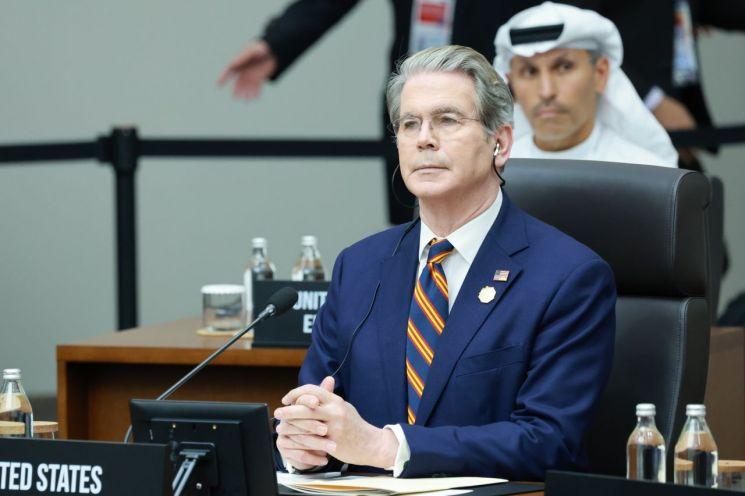
Scott Bessent Shuts Down Iranian Airlines, Sanctions Persian Gulf Strait Authority
10 sources compared

United States Launches New Strikes in Southern Iran, Shooting Down Iranian Drones Near Strait of Hormuz
14 sources compared

CSIS Says U.S. Needs At Least Three Years To Replenish Iran War Missile Stockpiles
15 sources compared

U.S. Strikes Iran Launch Site in Bandar Abbas After Shooting Down Five Drones
10 sources compared