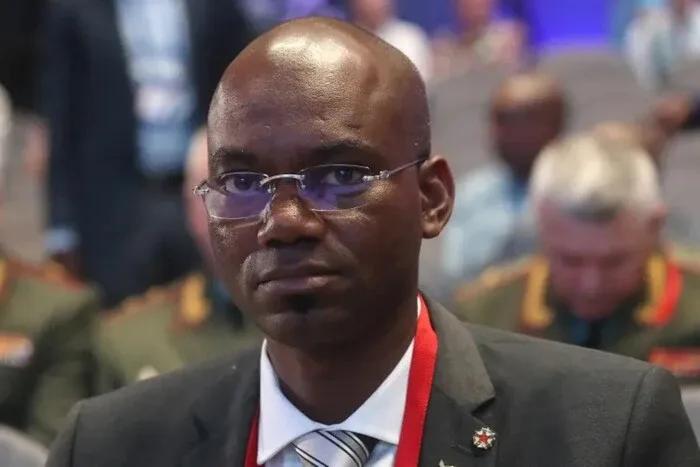
JNIM Kills Mali Defense Minister Gen. Sadio Camara in Bamako Attack
Key Takeaways
- Defense Minister Sadio Camara killed in a JNIM-led attack at Kati base near Bamako.
- The assault involved multiple towns and military bases, triggering widespread fighting across Mali.
- JNIM, an al-Qaeda–linked group, operated with Tuareg militants against the Malian government.
Camara killed in coordinated assault
Malian Defense Minister Gen. Sadio Camara was killed in a sweeping attack that combined jihadi and rebel forces and seized towns and military bases across Mali, authorities said Sunday.
The Malian government confirmed Camara’s death in a post on the defense ministry’s Facebook page, and state-run television broadcast the announcement of his death by spokesman Gen. Issa Ousmane Coulibaly, according to AP.
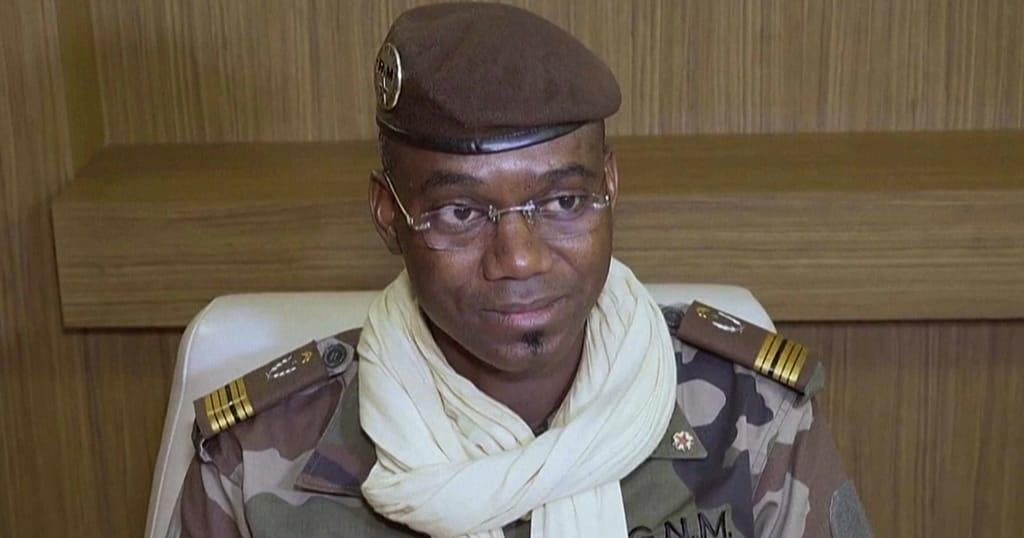
AP reported that Mali was struck on Saturday by one of the biggest coordinated attacks on its army in the capital, Bamako, and several other cities and towns, in an assault that also challenged Mali’s security partner, Russia, which has forces on the ground in the West African country.
The government said Sunday the attacks appear to be over, but it left unanswered questions including who was in control of a key northern city that separatists claim to have taken.
According to the government statement, Camara’s residence was targeted by a suicide car bomber and other attackers on Saturday, and the defense chief “engaged in an exchange of fire with the assailants, some of whom he managed to neutralize,” before being wounded and transported to hospital where he “unfortunately succumbed to his injuries.”
The Guardian described the attack as one of the largest coordinated attacks in recent years, with al-Qaida-linked JNIM claiming responsibility for attacks on Bamako’s international airport and four other cities in central and northern Mali.
The Guardian also reported that an Associated Press journalist in Bamako heard sustained heavy weapons and automatic rifle gunfire coming from Modibo Keïta international airport, about 9 miles (15km) from the city centre, and saw a helicopter over nearby neighbourhoods.
Timeline, targets, and curfew
Multiple outlets described Saturday’s assault as spreading from the capital outward to military sites and northern towns, with gunfire continuing into Sunday in some areas.
The Guardian reported that the Malian army said in a statement that “unidentified armed terrorist groups targeted certain locations and barracks” in Bamako and that soldiers were “engaged in eliminating the attackers,” and it said a later statement declared the situation under control.

The Guardian also detailed how an AP journalist heard gunfire near Modibo Keïta international airport, adjacent to an airbase used by Mali’s air force, and how a person living near the airport reported gunfire and three helicopters patrolling overhead.
It further said the US embassy in Bamako issued a security alert citing reports of explosions and gunfire near Kati and the international airport, urging US citizens to shelter in place and avoid travel there.
AP said the government had not provided a death toll from Saturday and previously said only that at least 16 people were wounded in what it denounced as terror attacks.
Al Jazeera reported that Mali’s military said in a statement that unidentified “terrorist” groups targeted certain locations and barracks in the capital and the interior early this morning, April 25, 2026, and that “Fighting is ongoing.”
Al Jazeera also described two loud explosions and sustained gunfire heard shortly before 6am (06:00 GMT) near Mali’s main military base, Kati, just north of the capital, and said soldiers were deployed to block roads.
After the attacks, AP reported that a three-day overnight curfew, from 9 p.m. to 6 a.m., was announced for the Bamako district, while Al Jazeera said a three-day nighttime curfew was also imposed.
JNIM, Azawad, and competing claims
The coordinated nature of the attack was described as involving both al-Qaida-linked militants and Tuareg-led separatists, with each side making claims about control and responsibility.
The Guardian said JNIM claimed responsibility for attacks on Bamako’s international airport and four other cities, and that it said the attacks were carried out jointly with the Azawad Liberation Front, a Tuareg-led separatist group.
AP reported that the wave of attacks was the first time separatists joined forces with the al-Qaida-linked group JNIM, which said it was also part of the attack on Kidal and had targeted a town outside of the capital of Bamako and three other cities on Saturday.
AP quoted Azawad Liberation Front spokesperson Mohamed El Maouloud Ramadan saying, “Kidal is declared free,” and it also quoted Ramadan saying, “This operation is being carried out in partnership with the JNIM, which is also committed to defending the people against the military regime in Bamako.”
The Guardian described how Mohamed Elmaouloud Ramadane said in a Facebook post that its forces had taken control of Kidal as well as some areas in Gao, and it noted that the AP could not independently verify his claim.
Al Jazeera Net said Jama'at Nasr al-Islam wal-Muslimin, the al-Qaeda–linked group, carried out the attack with support from Tuareg militants on Camara’s residence at the Kati military base near Bamako, and it said the separatist Azawad Liberation Movement announced it had taken control of Kidal.
DW reported that Tuareg separatists from the Azawad Liberation Front claimed to have captured Kidal on Saturday and said fighting resumed in Kidal on Sunday, with a spokesman posting, “We want to drive out the last Russian fighters who have taken refuge in a camp.”
Officials, analysts, and international reactions
Reactions to the attack came from Malian officials, separatist spokespeople, and international actors, with each emphasizing different aspects of the crisis.
AP reported that Mali’s government spokesperson Coulibaly said civilian and military personnel were among the 16 wounded and that several militants were killed, while he did not provide a death toll.

The Guardian described how the Malian army said soldiers were “engaged in eliminating the attackers” and later said the situation was under control, while AP said the government said the attacks appear to be over.
Al Jazeera Net said the foreign minister accused neighboring countries, without naming them, of supporting terrorist groups, and it also said the foreign minister added that foreign forces outside the region were also involved, though he offered no evidence.
For the separatists, AP quoted Ramadan calling the operation a partnership with JNIM and saying the separatists called on Russia to “reconsider its support for the military junta” in Mali, saying its “actions have contributed to the suffering of the civilian population.”
Analysts cited by AP and the Guardian framed the coordination as a significant shift, with AP quoting Wassim Nasr saying this “coordination, conducting attacks all over the country at the same time,” was a first and that it extended to the political level because both groups “acknowledged that they worked together.”
The Guardian quoted Ulf Laessing saying the assault appeared to be the largest coordinated attack in years and that it was “especially concerning that JNIM apparently has been coordinating today’s attacks with Tuareg rebels.”
International responses included the Economic Community of West African States, which the AP said condemned the attacks and called on “all states, security forces, regional mechanisms and populations of West Africa to unite and mobilize in a coordinated effort to combat this scourge.”
What comes next and what’s at stake
The sources portrayed the attack as threatening stability in Mali and across the Sahel, with uncertainty over contested areas and the future of Russia-linked security arrangements.
“Malian Defense Minister Sadio Camara was killed in an attack carried out by Jama'at Nasr al-Islam wal-Muslimin, the al-Qaeda–linked group, with support from Tuareg militants, on his residence at the Kati military base near the capital Bamako, while the separatist Azawad Liberation Movement announced that it had taken control of the main northern city of Kidal”
AP said the government said Sunday the attacks appear to be over, but it highlighted “several questions remain,” including who was in control of Kidal, which separatists claim to have taken, and it noted that Kidal had long served as a stronghold before being taken by Malian government forces and Russian mercenaries in 2023.
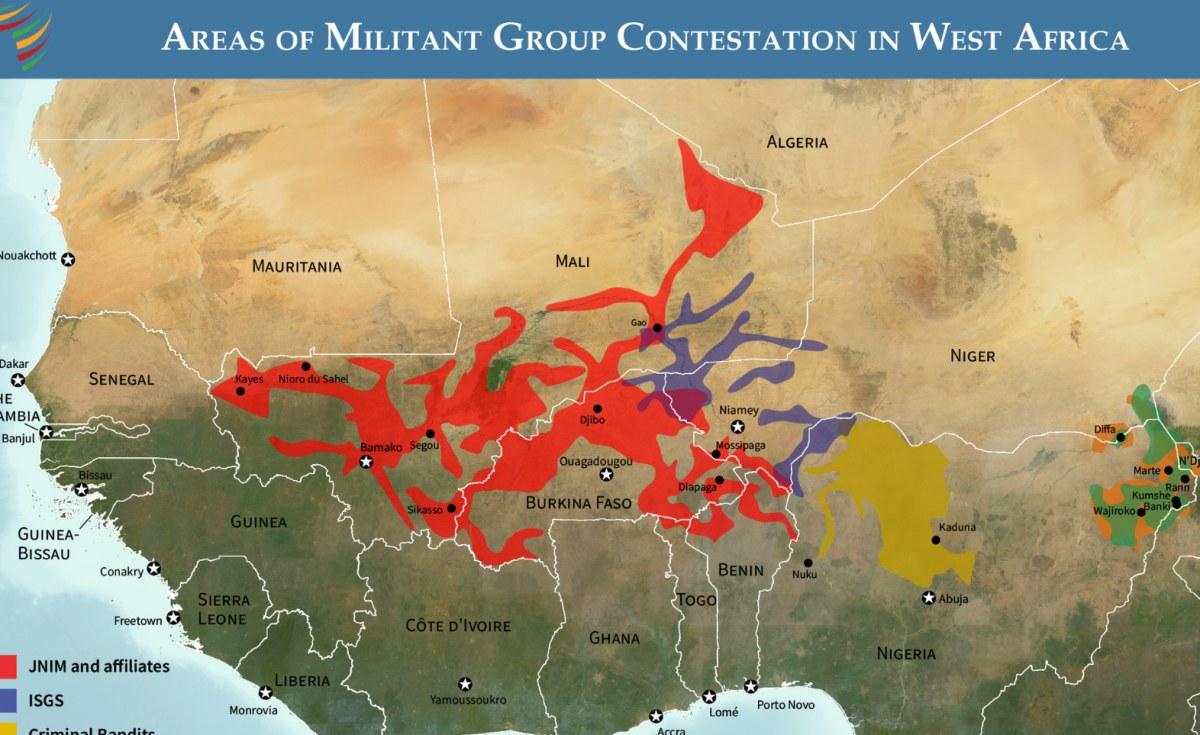
The Guardian similarly described Kidal’s capture as a “significant symbolic victory for the junta and its Russian allies,” while also reporting that separatists claimed control of Kidal and some areas in Gao.
DW reported that UN chief Antonio Guterres called for more security coordination across the Sahel region, and it quoted Guterres’ office saying he was “deeply concerned” by reports of attacks in several locations across Mali and “strongly condemns these acts of violence.”
Al Jazeera Net said the separatists announced an agreement allowing the army and troops from the Russian private military company to withdraw from Kidal, and it said the group released a video it claimed showed troops leaving amid cheers from fighters outside Camp No. 2.
TRT World reported that Tuareg-led separatists announced an agreement allowing Russian forces to withdraw from Kidal, which they claimed was “totally” under their control, and it quoted a Kidal resident saying, “Fighters from armed movements have now taken over the streets.”
Al Jazeera also quoted Ulf Laessing saying Mali’s security has been “degrading” every year since 2012 and that “There’s no military solution,” while also saying armed groups are “entrenched” in the countryside.
Across the sources, the immediate stakes were framed as civilian protection and the ability of Mali’s junta to control territory, with DW noting that the general was seen by some as a potential future leader and with Al Jazeera describing Mali’s political and security crisis under military rule for most of the past 14 years.
More on Africa
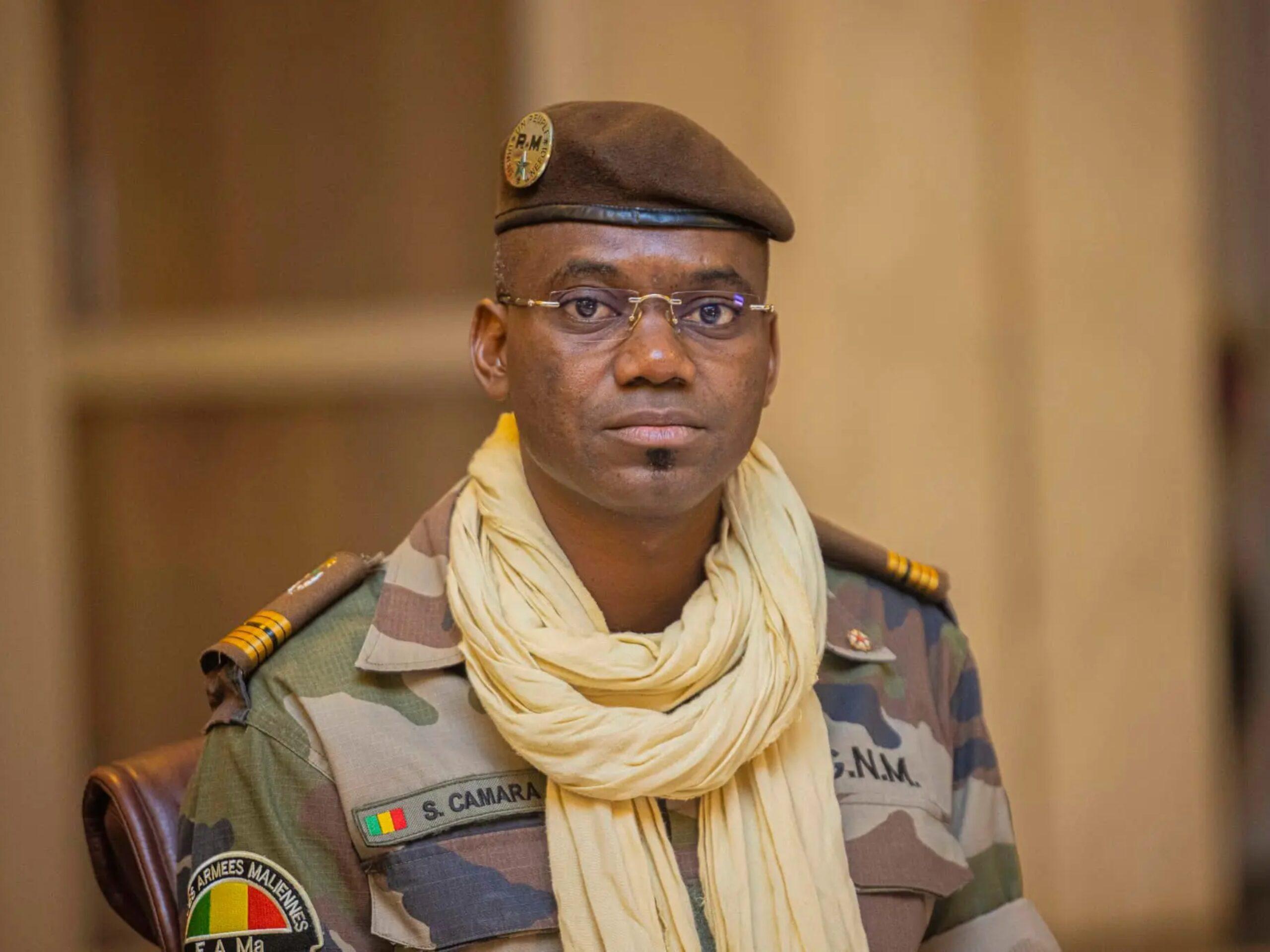
JNIM and Azawad Liberation Front Launch Coordinated Attacks Across Mali, Hitting Bamako
25 sources compared
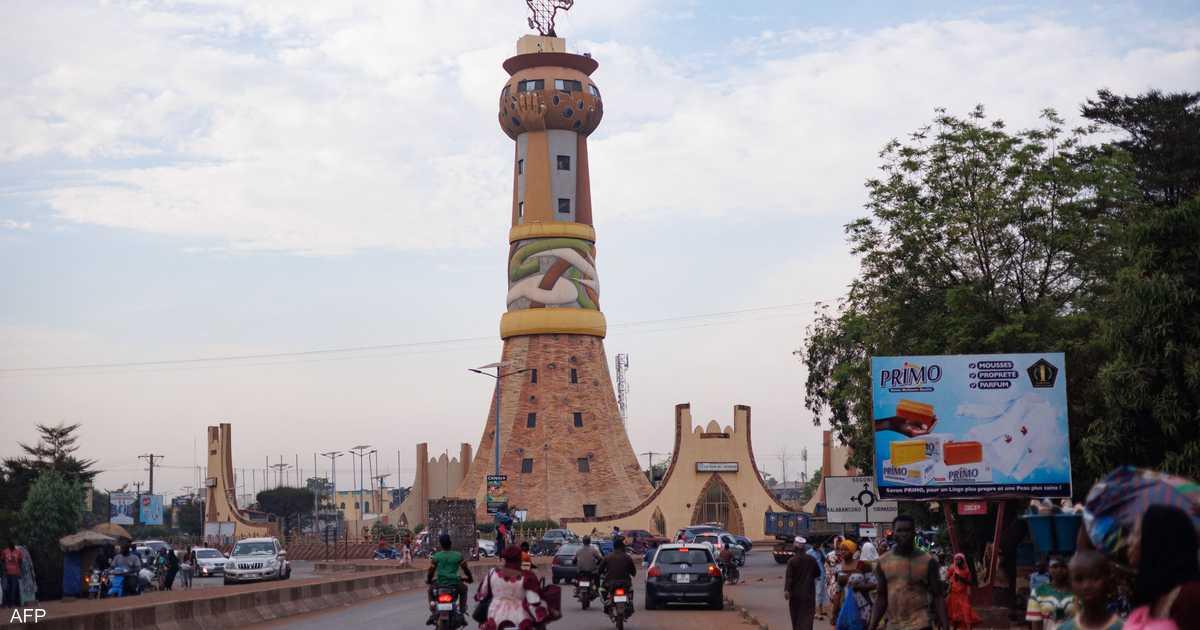
JNIM Launches Coordinated Terror Attacks Across Bamako, Kati, Sévaré, Kidal, and Gao
38 sources compared
EU Foreign-Born Population Reaches Record 64.2 Million in 2025, Germany Hosts Nearly 18 Million
10 sources compared
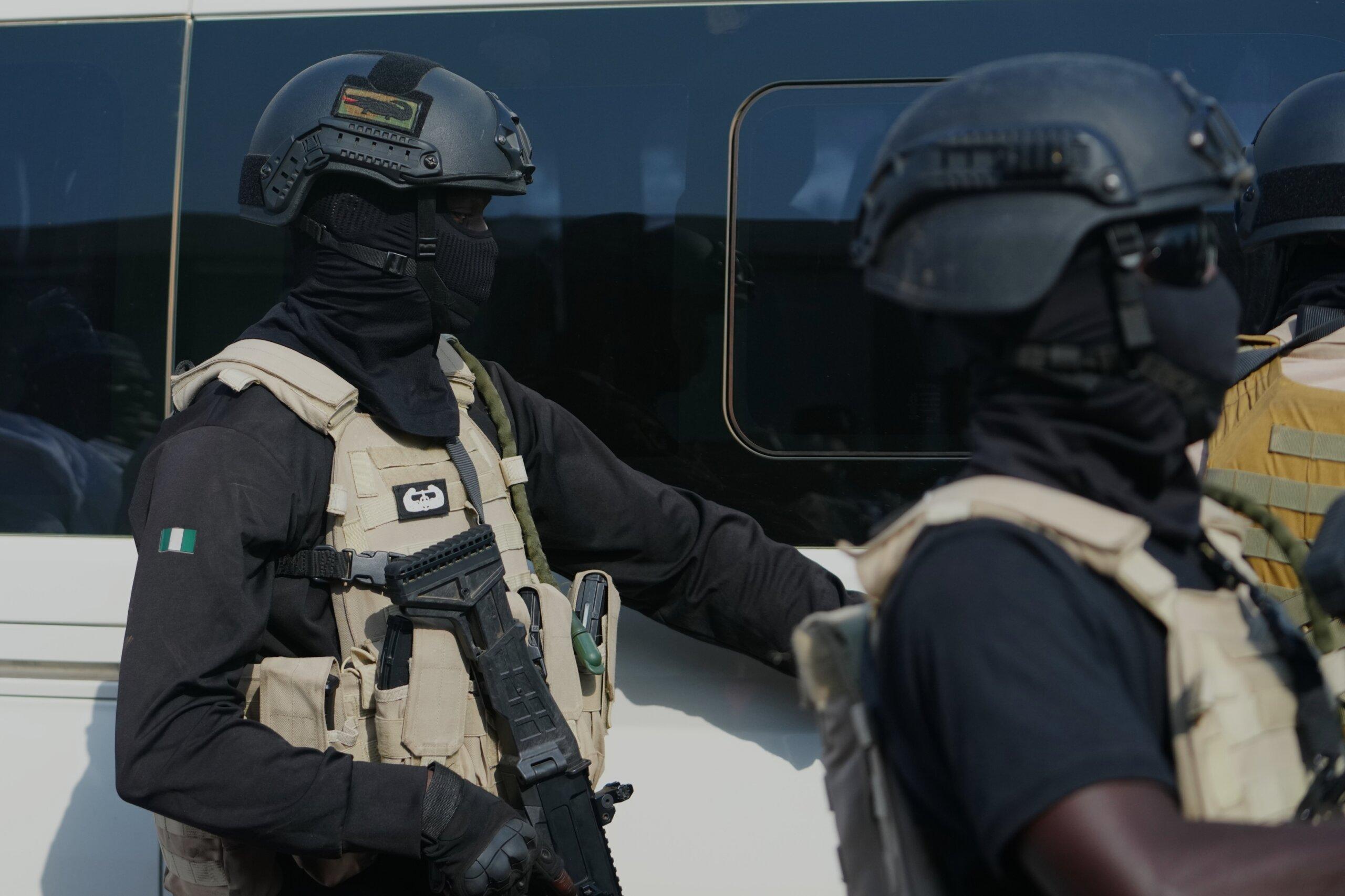
Nigeria Charges Six With Terrorism And Treason Over Alleged Coup Plot Against President Bola Tinubu
12 sources compared