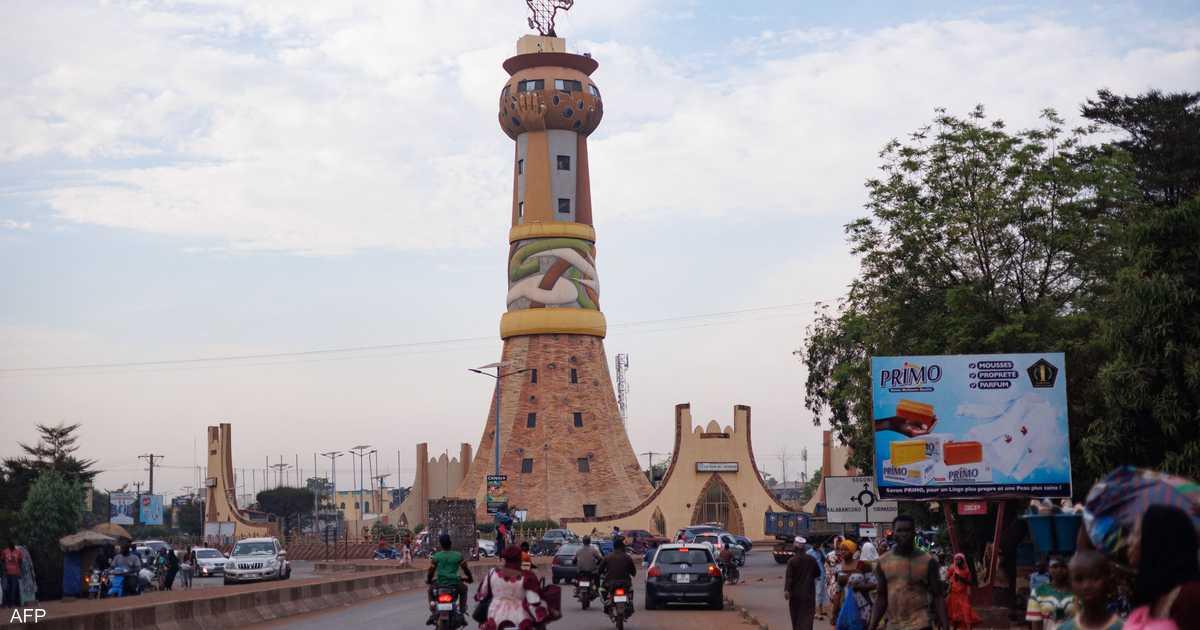
JNIM Launches Coordinated Terror Attacks Across Bamako, Kati, Sévaré, Kidal, and Gao
Key Takeaways
- Al-Qaeda-linked militants launched coordinated attacks across Bamako, Kati, Sévaré, Kidal, and Gao.
- Largest coordinated attacks in Mali since 2020.
- Jihadist groups like JNIM and Tuareg rebels claimed involvement.
Coordinated attacks across Mali
Mali was hit by coordinated terror attacks that struck Bamako and multiple other cities on April 25, 2026, exposing what one report described as “deepening security fractures as violence spreads from the north to the heart of the state.”
The Organiser said the assaults were carried out simultaneously “from the capital Bamako to the key cities of Sevare, Kidal, and Gao,” with loud explosions and sustained gunfire reported “at a military camp near Bamako’s international airport” and “in the vicinity of the Kathi military base” at around 6 a.m. local time.

Al Jazeera similarly reported that “Two loud explosions and sustained gunfire were heard shortly before 6am (06:00 GMT) near Mali’s main military base, Kati,” and said soldiers were deployed to block roads.
Al Jazeera also described similar unrest at around the same time in “the central town of Sevare, and Kidal and Gao in the north,” and said gunfire could be heard near a military camp close to “the Bamako airport, where Russian mercenary forces are based.”
Türkiye Today said the attacks were Mali’s “worst coordinated terrorist attacks since 2020,” with JNIM members striking “military sites in the capital Bamako and nearby Kati,” while the Tuareg rebel alliance Azawad Liberation Front (FLA) claimed to have seized control of Kidal.
Le Monde.fr described the operation as “unprecedented scale,” saying jihadists of JNIM coordinated with pro-independence Tuaregs from the Azawad Liberation Front, and said “hundreds of armed men swept through several strategic cities in Mali: Kidal and Gao in the north, Sévaré in the center, and Bamako and Kati in the south.”
Background, timing, and escalation
The attacks unfolded in a Mali already under military rule and facing a long-running security crisis, with Al Jazeera saying the country has been “under military rule for most of the past 14 years.”
Al Jazeera traced the current political order to the 2021 coup, saying the “current military ruler, Assimi Goita, came to power in the 2021 coup on the promise to boost security,” and noted that “Goita has yet to make a public statement.”

The Organiser said Mali is “currently governed by a military administration led by Assimi Guetta,” adding that he “came to power following coups in 2020 and 2021,” and described the violence as spreading “from the north to the heart of the state.”
Al Jazeera also placed the attacks in a broader timeline of deterioration, quoting Sahel analyst Ulf Laessing that since “the crisis began in 2012, security has been “degrading” every year,” and said the government has “little control over large areas of the country.”
The Organiser linked the escalation to the country’s shifting external support, stating that “Following the withdrawal of French military forces from Mali, the country has increasingly relied on Russian military support, particularly through the Wagner Group.”
It added that “recent developments indicate that this reliance may not be sufficient to address the dual threats of Islamic terrorism and separatist rebellion,” and said the attacks occurred while Mali and the United States were reportedly preparing “to sign an agreement that would allow American aircraft to conduct intelligence-gathering operations using drones.”
Türkiye Today said Mali has faced a “JNIM fuel and supply blockade in Bamako since September 2025,” and described how the July 2025 national conference extended “transitional president Gen. Assimi Goita’s mandate until 2030 while dissolving political parties.”
Le Monde.fr framed the assault as shaking the junta, noting that “General Assimi Goïta, head of Mali's ruling military junta, remained out of sight and silent” on Saturday evening, April 25.
Claims, casualties, and official statements
Multiple reports described how Mali’s military and armed groups framed the attacks, with Al Jazeera quoting a Mali military statement that “unidentified armed terrorist groups targeted certain locations and barracks in the capital and the interior early this morning, April 25, 2026. Fighting is ongoing.”
“Mali has been rattled by coordinated attacks carried out by several unidentified armed groups beginning on Saturday, escalating the political and security crisis in the country, which has been under military rule for most of the past 14 years”
Al Jazeera said a military source told it that “Mali’s Defence Minister Sadio Camara had been killed amid coordinated attacks on military sites across the country, including the capital, Bamako,” and added that his residence in Kati was attacked on Saturday.
Türkiye Today said Defense Minister Sadio Camara’s aides confirmed him “safe,” while also reporting that “Approximately 10 suspected attackers' bodies were recovered in Kati, according to resident Abdoulaye Diarra,” and that the minister’s residence was “reportedly heavily damaged or partially destroyed by a powerful explosion.”
The Organiser said security agencies suspect the involvement of “the Islamic terror wing al-Qaeda-linked Jamaat Nusrat al-Islam wal-Muslimeen (JNIM),” and described intelligence sources indicating the attacks “may have been jointly carried out by JNIM along with the Asawad Liberation Front (FLA).”
Al Jazeera said “Al-Qaeda-linked group Jama’at Nusrat al-Islam wal-Muslimin (JNIM) has claimed responsibility for attacks in Kati, near the capital, as well as the Bamako airport and other locations further north, including Mopti, Sevare and Gao,” and said “Tuareg rebels also claimed participation in the latest assaults.”
Al Jazeera reported that Mali’s army said it had killed “several hundred” assailants and repelled the assault, while Türkiye Today said the Malian army’s general staff claimed “hundreds of terrorists had been neutralized” and reported “16 civilians and soldiers wounded.”
Le Monde.fr described the assault as led by JNIM “in coordination with pro-independence Tuaregs from the Azawad Liberation Front (ALF),” and said the operation required “such close tactical cooperation.”
Diverging narratives and framing
The same April 25 attack was framed differently across outlets, particularly around who was responsible, how the fighting evolved, and what it meant for Mali’s political future.
Al Jazeera emphasized the breadth of the assault and quoted a military statement while also reporting that JNIM had claimed responsibility and that Tuareg rebels claimed participation, saying “JNIM is the Sahel affiliate of al-Qaeda and the most active armed group in the region.”

Türkiye Today described the operation as the “worst coordinated terrorist attacks since 2020” and focused on battlefield developments, including that the FLA claimed to have seized control of Kidal and that “Fighting reportedly resumed in Kidal on Sunday morning.”
Le Monde.fr, by contrast, stressed the scale and coordination, writing that “Never before had there been an offensive against several cities, hundreds of kilometers apart,” and described the garrison town of Kati as “less than 20 kilometers from the capital” and home to “Camp Soundiata Keïta.”
The Organiser framed the attacks as exposing “deepening security fractures” and said security agencies suspect JNIM, while also adding intelligence indications that the assaults may have been jointly carried out with the FLA.
Sky News Arabia framed the coordination as a “tactical convergence between two ideologically opposed projects,” describing a “nationalist project seeking to establish the Azawad state” alongside a “cross-border jihadist project aiming to establish an Islamic emirate.”
Sky News Arabia also quoted analysts, including Emmanuel Dupuy saying the cooperation “clearly exposed the inability of Bamako's military authority to confront the escalating challenges,” and Hamdi Guira describing the alliance as a “strategic and historical alliance” that “replays the North Mali crisis of 2012.”
These differing emphases shaped how each outlet portrayed the threat: Al Jazeera highlighted containment and panic, Türkiye Today highlighted territorial claims and resumed fighting, Le Monde.fr highlighted unprecedented coordination, and Sky News Arabia highlighted ideological contradiction and future risk.
Consequences for Mali and the Sahel
The sources portrayed the attacks as having immediate and regional consequences, with international condemnation and warnings about the trajectory of the conflict.
Al Jazeera said “The African Union, the secretary-general of the Organisation of Islamic Cooperation and the United States Bureau of African Affairs have condemned the attacks,” and it quoted Ulf Laessing warning that the coordinated nature of the assault signaled a “very dangerous development.”
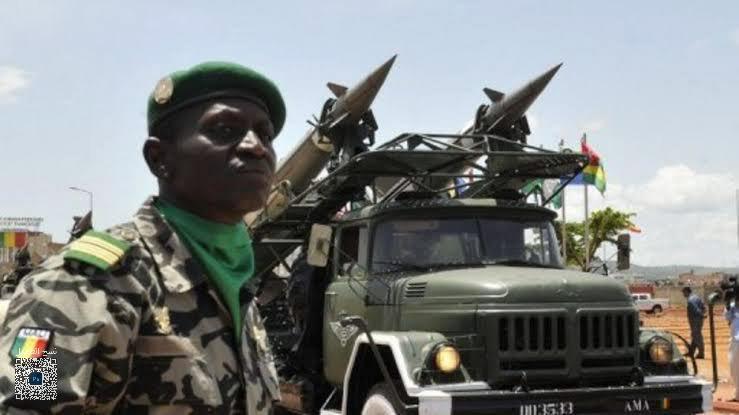
Al Jazeera also described the strategic challenge of control, quoting Laessing that “Mali is “a vast territory, twice the size of France. Most people live in the south, the north is desert and mountains … it’s impossible to control it, not even the French could do it, let alone the Russians”.”
Türkiye Today reported that the U.S. State Department’s Bureau of African Affairs said the United States “strongly condemns today's terrorist attack in Mali” and stood “in solidarity with the Malian people and government,” while U.N. Secretary-General Antonio Guterres was described as “deeply concerned” and calling for “coordinated international support.”
Türkiye Today also said the African Union Commission Chairperson Mahmoud Ali Youssouf condemned the attacks and reaffirmed the bloc’s commitment to peace in Mali, and it described a broader security context including a “JNIM fuel and supply blockade in Bamako since September 2025, causing shortages.”
Sky News Arabia framed the future as uncertain and potentially prolonged, with Mauritanian researcher Boun Ould Bahy Dah telling Sky News Arabia that “this alliance will not last long because the ultimate aims of the two sides diverge,” and warning that “No one can predict the trajectory of the conflict between Nusrat and Bamako, but the sure thing is that it will be prolonged in a guerrilla warfare frame.”
Sky News Arabia also warned of political fallout, quoting Chadian analyst Jibrin Isa that the Azawad-Nusrat rapprochement is a “catastrophic strategic shift” and that “the Azawad alliance with a group classified as a terrorist organization represents a threat to the Azawad issue.”
The Organiser added that the inability to prevent a large-scale assault targeting the capital “is likely to fuel public discontent and could potentially trigger protests,” and it described the geopolitical dimension of the timing with the reported U.S.-Mali drone intelligence agreement.
More on Africa
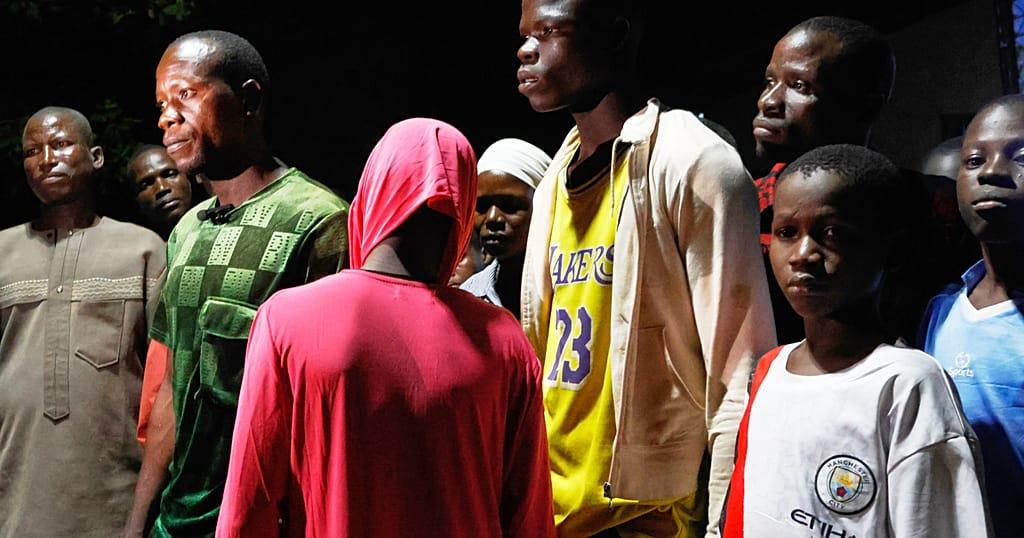
Nigerian Security Forces Rescue Abducted Oyo Schoolchildren And Teachers After May 15 Kidnapping
21 sources compared
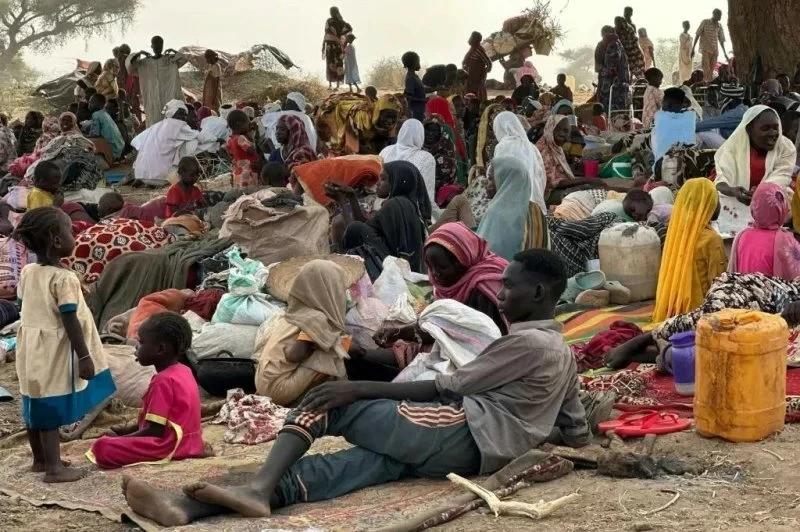
UN Investigators Say RSF Tactics in El-Obeid Bear Hallmarks of Genocide
15 sources compared
Sudan Gold Mine Collapse Kills 15 Miners At Mohamed Tawfiq Mine Near Egyptian Border
11 sources compared
Abdel Fattah El Sisi Inaugurates Egypt’s “Octagon” Strategic Command Headquarters, Bigger Than Pentagon
18 sources compared