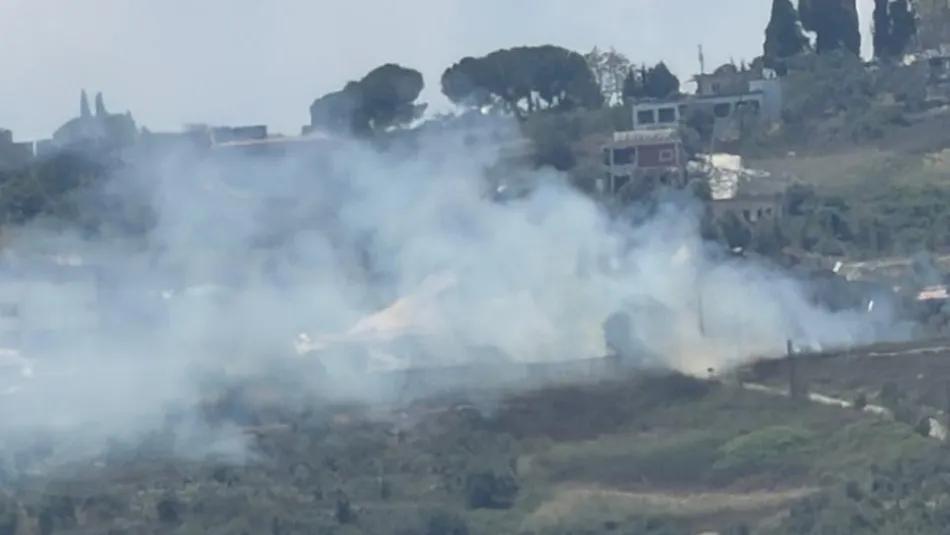
Joseph Aoun Discusses Deconfliction Mechanism With JD Vance To Consolidate Israel-Hezbollah Ceasefire
Key Takeaways
- Deconfliction mechanism with JD Vance advances Israel-Hezbollah ceasefire.
- Ceasefire monitoring and withdrawal are central to post-ceasefire arrangements.
- Lebanon talks involve U.S.-led diplomacy and high-level discussions.
Ceasefire deconfliction talks
Lebanese President Joseph Aoun discussed a “deconfliction mechanism” for Lebanon with United States Vice President JD Vance and the Qatari prime minister in a phone call on Monday, according to the Lebanese presidency statement.
“Against the backdrop of Lebanon-Israel negotiations, the US-China rivalry, and concerns among AI workers, today’s press briefing centers on three issues that reflect the global contest for political, financial, and technological influence”
The call focused on consolidating the ceasefire between Israel and Hezbollah, as the WION report says hostilities have included the Israeli military occupying parts of southern Lebanon and launching repeated air raids while Hezbollah has attacked northern Israel.
WION also frames the immediate context as a post-ceasefire effort, with the Lebanese presidency describing the mechanism as part of consolidating the ceasefire between Israel and Hezbollah.
In parallel, the BBC report describes Washington’s role in Lebanon-Israel negotiations as pushing Lebanon toward a path that “threatens to worsen internal divisions,” citing Sam Heller’s argument in Foreign Policy.
Rubio’s separate Lebanon line
U.S. Secretary of State Marco Rubio told reporters in Abu Dhabi that “Freedom of navigation in the Strait of Hormuz is a red line,” while also asserting that “the Lebanon file is separate from our understandings with Tehran.”
Kurdistan24 reports that Rubio arrived in Abu Dhabi on Tuesday, June 23, 2026, at the start of a Gulf tour that includes Kuwait and Bahrain, aimed at reassuring regional allies and discussing postwar arrangements.
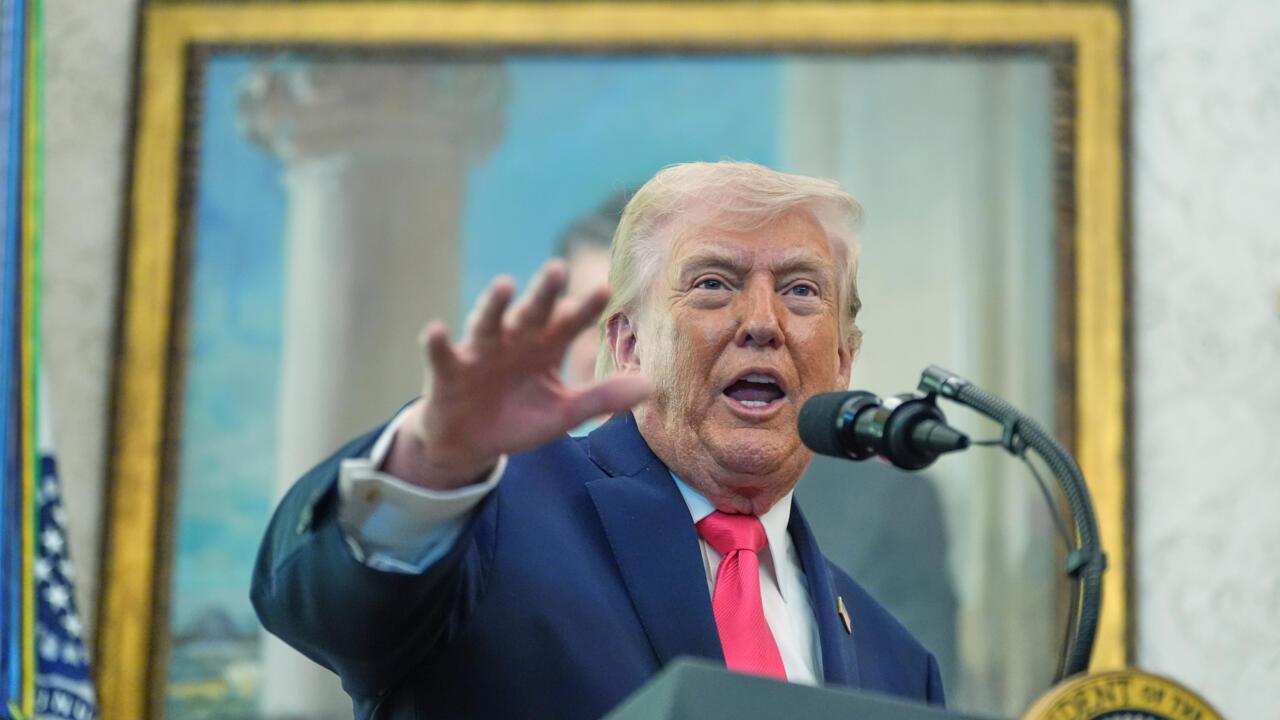
Rubio’s remarks also stressed Washington’s refusal to allow Iran to impose fees on ships in the Strait of Hormuz, with the report quoting him saying the strait is an international waterway and that no country is allowed to levy taxes on it under international law.
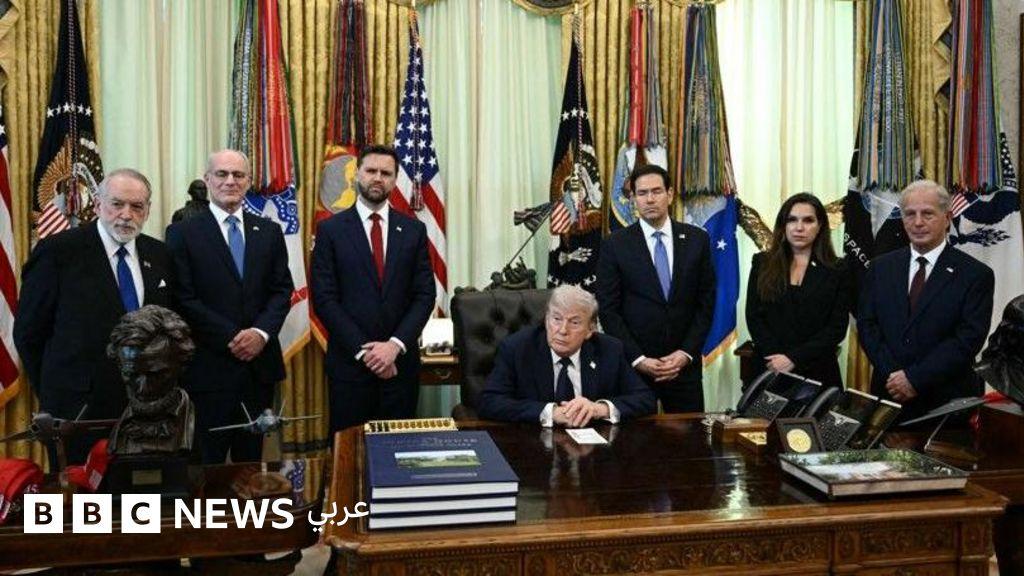
The BBC, meanwhile, describes a scene after a second round of Lebanon-Israel talks in which Sam Heller says the image of Donald Trump in the Oval Office, surrounded by Lebanese and Israeli ambassadors and American officials, reflected a misalignment in how Washington was handling the discussions.
Monitoring, withdrawal, and sovereignty
A West Asian report says Qatar succeeded in its initiative and describes Swiss understandings taking effect through ceasefire monitoring and withdrawal, including a timetable for an Israeli withdrawal and a friction-prevention cell charged with monitoring stabilization and ensuring continuity.
“Rubio in Abu Dhabi: Freedom of navigation in the Strait of Hormuz is a red line, and the Lebanon file is separate from our understandings with Tehran”
On the U.S. side, the report quotes an American official saying “CENTCOM has started a monitoring mechanism in Lebanon to provide our officials with precise information about the fighting there,” while noting the mechanism remains contingent on Israel’s cooperation.
The same report says Iranian Parliament Speaker Mohammad Bagher Ghalibaf announced that during Switzerland negotiations there were understandings and joint mechanisms with Washington to guarantee Lebanon’s sovereignty and territorial integrity, and that it was decided to establish a coordinating center to enable Lebanese people to return home and ensure withdrawal of occupying forces.
Kurdistan24 adds that CENTCOM spokesman Captain Tim Hawkins said the U.S. military is closely watching the situation to ensure a tactical separation between the two sides and prevent a resumption of hostilities, reaffirming Washington’s support for coordination mechanisms to ensure compliance.
More on Lebanon
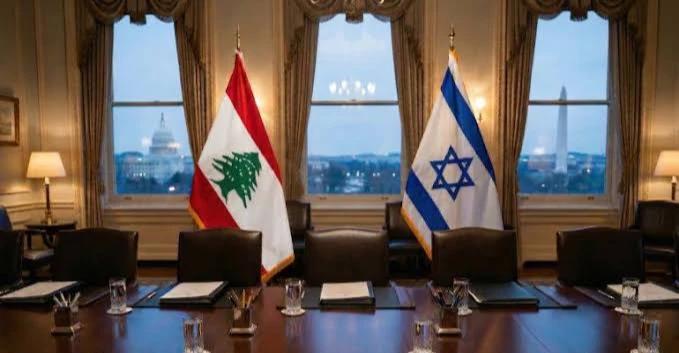
Israeli Drone Strike Kills At Least Two Near Kfar Reman As Lebanon-Israel Talks Continue In Washington
13 sources compared

Israeli Drone Strike Kills Two Near Kfar Reman As Israel Targets Yater Outskirts
12 sources compared

Israeli Troops Kill Two Men Near Nabatieh Al-Fawqa After Ceasefire Lull
11 sources compared
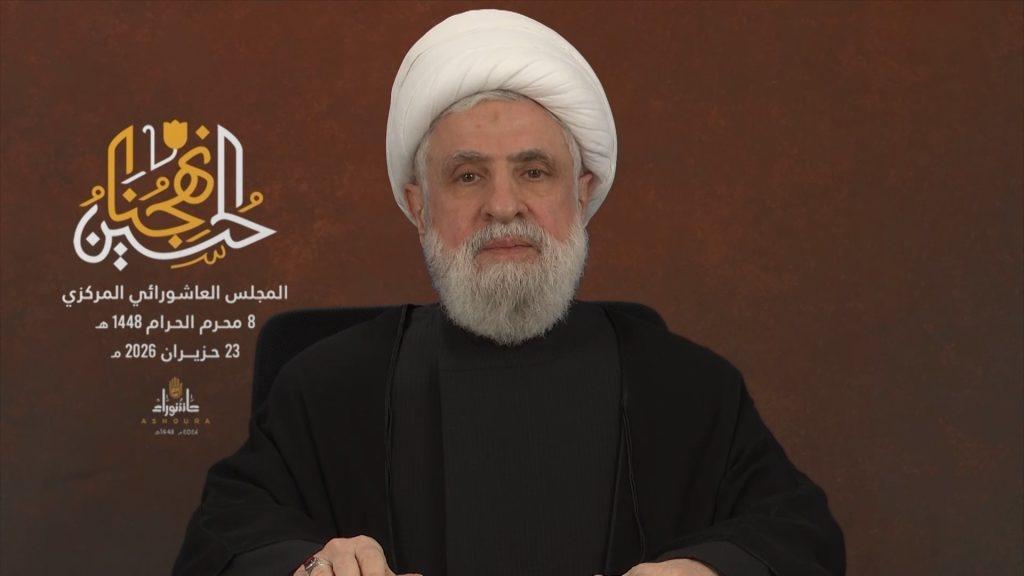
Hezbollah Chief Naim Qassem Demands Israel Fully Withdraw From All Lebanese Territory
13 sources compared