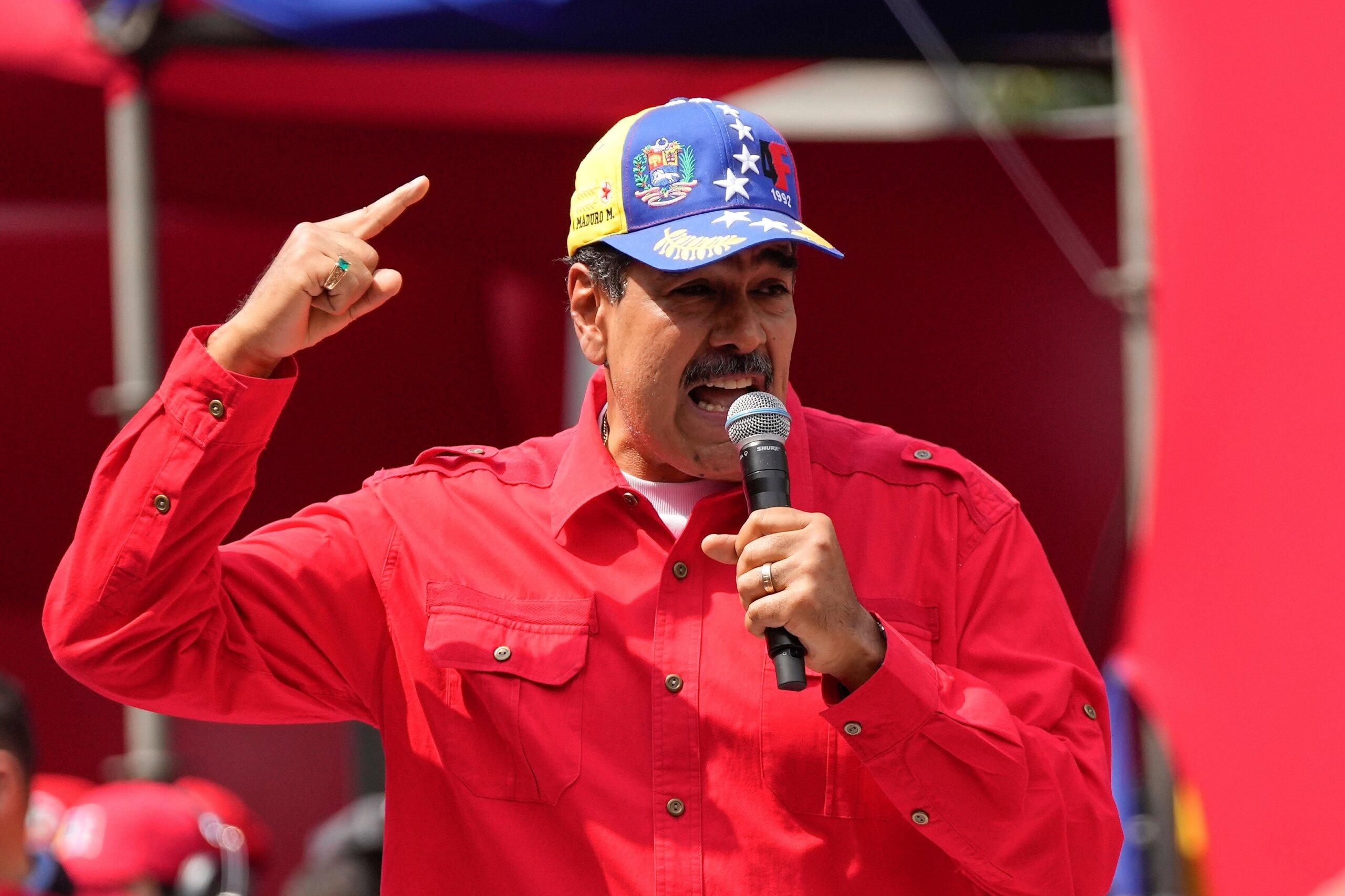
Judge Alvin Hellerstein Demands Trump Administration Justify Blocking Nicolás Maduro's Legal Fees
Key Takeaways
- Judge questions basis for blocking Venezuela funds for Maduro's defense.
- Maduro and Flores argued Venezuelan funds may pay their legal costs amid sanctions.
- The hearing occurred in Manhattan federal court with narcoterrorism charges against Maduro and Flores.
Key judge challenges funding block
Judge Alvin Hellerstein’s March 26 hearing marks the single most important new development: he challenged the U.S. government's blocking of Venezuela from paying Maduro's defense, opening the door to a possible shift in how sanctions affect the case.
“Ousted Venezuelan President Nicolás Maduro appeared in U”
He repeatedly invoked the Sixth Amendment right to counsel, suggesting the 'paramount' right to defense could override national-security rationale in light of a warming U.S.–Venezuela relationship.

But he did not dismiss the narcoterrorism charges, nor set a decision date on funding, leaving the outcome uncertain while the trial schedule remains unsettled.
Analysts say the exchange reframes sanctions as a tool for policy leverage rather than a fixed barrier to due process.
Funding plan and licensing specifics
Maduro's lawyers argued that the U.S. is violating the Sixth Amendment by blocking the Venezuelan government from paying their legal costs, forcing reliance on taxpayer-funded public defenders rather than counsel of their choosing.
The plan relies on a Treasury OFAC license allowing access to Venezuelan state funds; Maduro’s team has pointed to a license previously granted and then reversed as evidence of arbitrary control over defense funding.

Prosecutors counter that allowing access would undermine sanctions aimed at isolating Maduro and his wife, arguing the government should not finance a defense that could contravene those policies.
News accounts stress that the financing question is a procedural lynchpin that could determine whether the defense is adequately funded as the case moves toward trial.
Thaw reshapes funding debate
The thaw is underscored by reports that Washington and Caracas have reestablished diplomacy, eased sanctions on Venezuela’s oil industry, and appointed a chargé d’affaires in Caracas, complicating the rationale for maintaining a pure sanctions blockade to fund Maduro’s defense.
“A United States judge has said that he will not dismiss the drug-trafficking and weapons possession charges brought against former Venezuelan President Nicolas Maduro and his wife Cilia Flores”
Caracas residents and observers note that while sanctions have softened, legal and political tensions over Maduro’s case persist, illustrating the mismatch between evolving relations and ongoing criminal proceedings.
Western outlets describe a changing context in which the defense-funding dispute sits alongside a larger debate about the legitimacy and reach of U.S. sanctions in West Asia and the Americas.
Non-Western sources add additional texture, highlighting how the Venezuelan public perceives both the operation that brought Maduro to New York and the legal fight over funding.
Next steps and consequences
The judge did not immediately rule on funding and has not set a trial date, indicating that this procedural question will likely shape the schedule moving forward.
News outlets across the spectrum report that the David-vs.-state dynamic—Maduro’s defense seeking untainted Venezuelan funds versus U.S. sanctions officials—remains unresolved, leaving room for future rulings on funding access.
Observers caution that a decision could set a precedent for how sanctions regimes are used to influence, or constrain, the ability of foreign heads of state or deposed leaders to obtain counsel.
The case thus sits at the intersection of international law, U.S. sanctions policy, and the constitutional protections afforded criminal defendants.
Precedent and international law implications
The 2006 narcoterrorism statute at issue has produced few convictions, and some appeals have hinged on evidentiary and procedural questions, complicating how a sanctions-based funding restriction should operate in a long-running case.
“Por Norberto Paredes, BBC Mundo Los habitantes de Caracas siguen con atención los acontecimientos en el tribunal de Nueva York, donde se espera que Maduro comparezca”
Nicolás Maduro Guerra publicly expressed confidence in the U.S. legal system, underscoring how family messages are shaping perceptions of immunity and accountability in this transnational case.
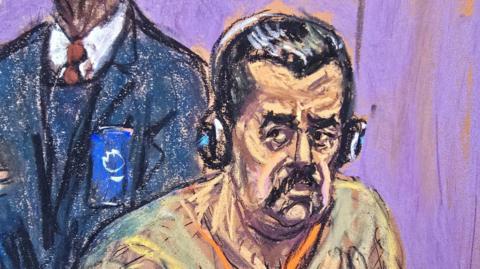
Legal-commentary from Latin American outlets notes the tension between sanction policy and the defense rights of a deposed head of state, signaling potential shifts in how international actors view enforcement and due process.
Analysts warn that the outcome could influence future U.S. use of OFAC licenses to fund the defense in similar cases, with implications for other governments facing sanctions in criminal prosecutions.
More on South America

Venezuelan Girl Fabiana Blanco Survived 32 Hours Under Caraballeda Quake Rubble
11 sources compared
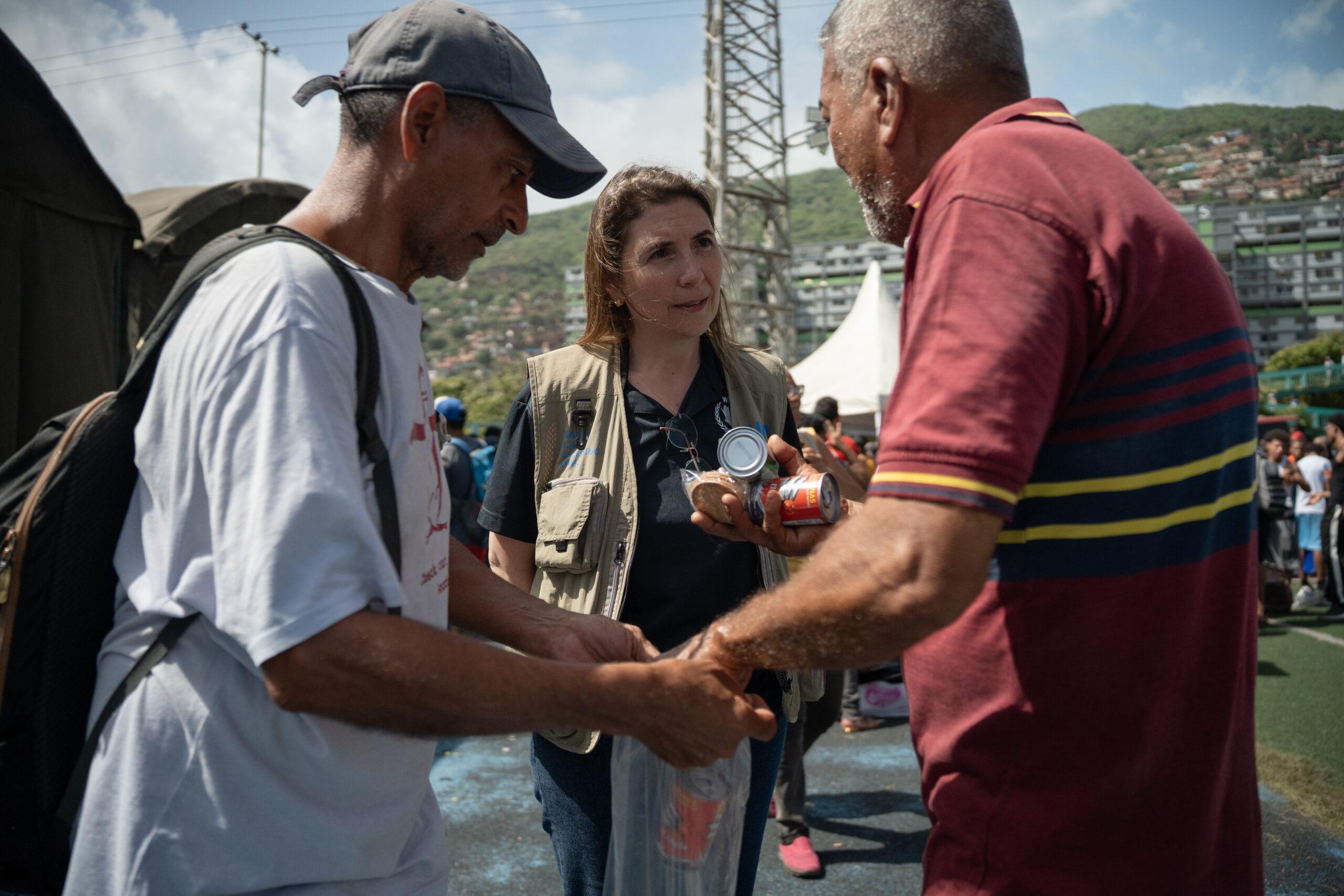
World Food Programme Ramps Up Food Aid After Venezuela Earthquakes Kill 3,535
15 sources compared

Delcy Rodriguez Defends Venezuela Earthquake Response After 3,342 Deaths
15 sources compared
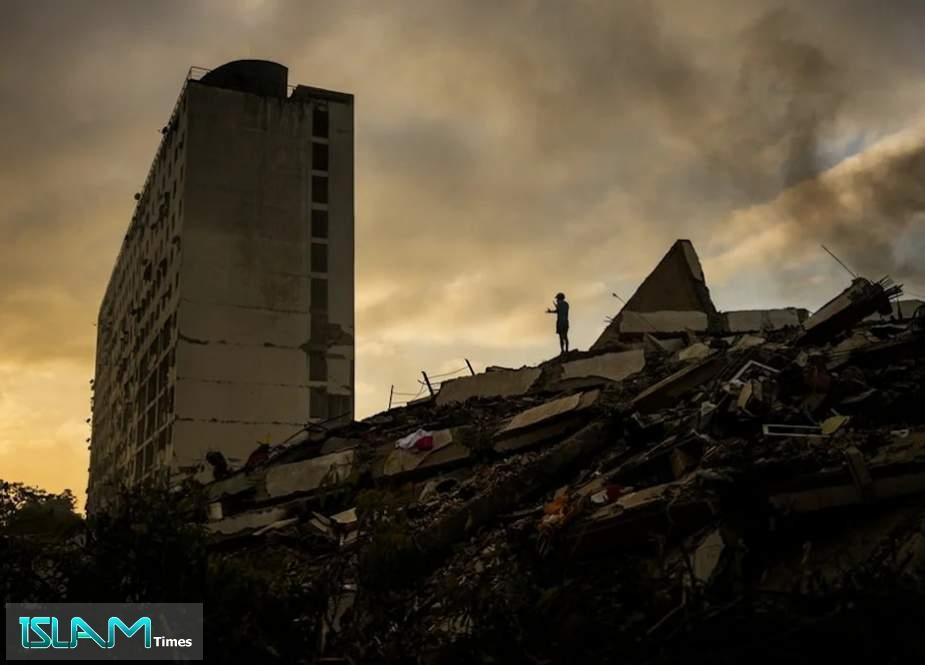
Venezuela Twin Earthquakes Kill 3,535, Injure 16,740, Government Figures Say
24 sources compared