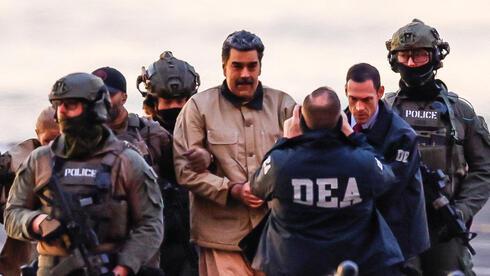
U.S. Forces Abduct Venezuelan President Nicolás Maduro, Fly Him to U.S. on Narcoterrorism Charges
Key Takeaways
- Maduro and wife were captured in Caracas by U.S. forces and brought to New York.
- Federal indictment accuses Maduro, wife of narco-terrorism, drug trafficking, and related crimes.
- The operation disrupted Caribbean air travel with FAA restrictions later lifted.
New development: Maduro abducted and brought to U.S.
U.S. forces abducted Nicolás Maduro from Caracas in an overnight operation and transported him to the United States to face narcoterrorism and cocaine-trafficking charges.
“What to know about Nicolas Maduro, the ousted Venezuelan president Maduro and his wife were captured in a U”
The capture, described by outlets as a stunning raid, culminated in Maduro and his wife Cilia Flores being moved to the United States for prosecution.

A four-count indictment charging Maduro with narco-terrorism conspiracy, cocaine importation conspiracy, possession of machine guns and destructive devices, and conspiracy to possess machine guns and destructive devices was unsealed in the Southern District of New York on Saturday.
U.S. officials framed this as a law-enforcement action rather than an invasion, signaling a dramatic shift in how Washington intends to address a regime it has long described as illegitimate.
Charge-by-charge breakdown
The indictment charges Maduro with narco-terrorism conspiracy, cocaine importation conspiracy, possession of machineguns and destructive devices, and conspiracy to possess machineguns and destructive devices.
Prosecutors say Maduro, his wife Cilia Flores, and other Venezuelan officials conspired with drug traffickers to flood the United States with cocaine and enrich themselves in the process.

USA Today notes the charges include narco-terrorism conspiracy, cocaine importation conspiracy and two illegal weapons counts.
France 24 highlights that the indictment accuses Maduro and his wife of running a corrupt government that trafficked thousands of tons of cocaine into the U.S.
Politico reports the indictment also targets Maduro’s family ties, including his wife and adult son, as part of this narcotics network.
Legal legitimacy and sovereignty concerns
Experts warned that unilateral force in Venezuela could raise serious questions under the UN Charter unless legitimized by self-defense or Security Council authorization.
“A formal indictment filed in the United States against Venezuelan President Nicolás Maduro accuses the politician of leading a corrupt government that facilitates drug trafficking and conspiracy, among other crimes”
Some Western outlets frame the action as a targeted, judicial response to narcotics trafficking, but non-Western voices emphasize sovereignty and the potential precedent set for international law.
The interim president in Venezuela criticized the move as illegitimate military aggression and called for dialogue with Washington.
International reaction has been swift and deeply divided, reflecting competing interpretations of sovereignty, legality, and the use of force.
Caribbean airspace disruption
Airspace restrictions and flight cancellations swept across the Caribbean in the wake of Maduro’s capture, with NOTAMs delaying or cancelling hundreds of flights.
San Juan’s airport and other Caribbean hubs reported widespread cancellations as airlines redirected or paused services, with carriers waiving fees for affected travelers.
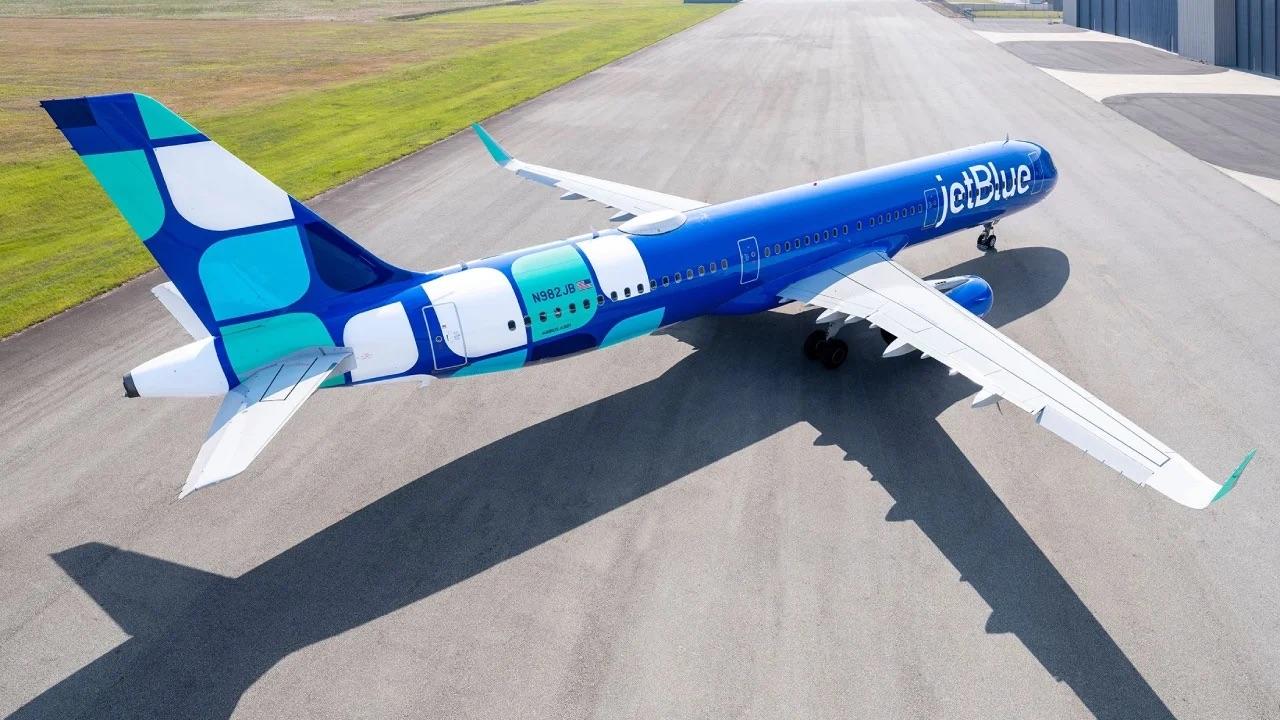
European carriers, including KLM and others, were also affected as they rerouted around restricted airspace and monitored the evolving risk picture.
The disruption rippled into cruise itineraries and regional travel plans, compounding the holiday-season dislocation.
Policy and sovereignty implications
Analysts warn that the operation tests the boundaries of presidential war powers and the legal framework governing extraterritorial actions against foreign leaders.
“Venezuelan President Nicolas Maduro, who was abducted from Caracas along with First Lady Cilia Flores, appeared in a United States court on Monday, facing a range of charges linked to the Donald Trump administration’s accusations describing him as a “narco-terrorist””
Scholars and policymakers alike note potential inter-branch tensions if Congress seeks to constrain or debate such unilateral actions in the future.

Non-Western observers frame the episode as a sovereignty test with regional implications for Caribbean and Latin American stability and the balance of power in West Asia and beyond.
The indictment and ongoing legal process raise questions about the path to a legitimate transition in Venezuela and the U.S. role in shaping that outcome.
More on South America
Mexico's Navy Searches For Two Missing Aid Boats Bound For Cuba
11 sources compared
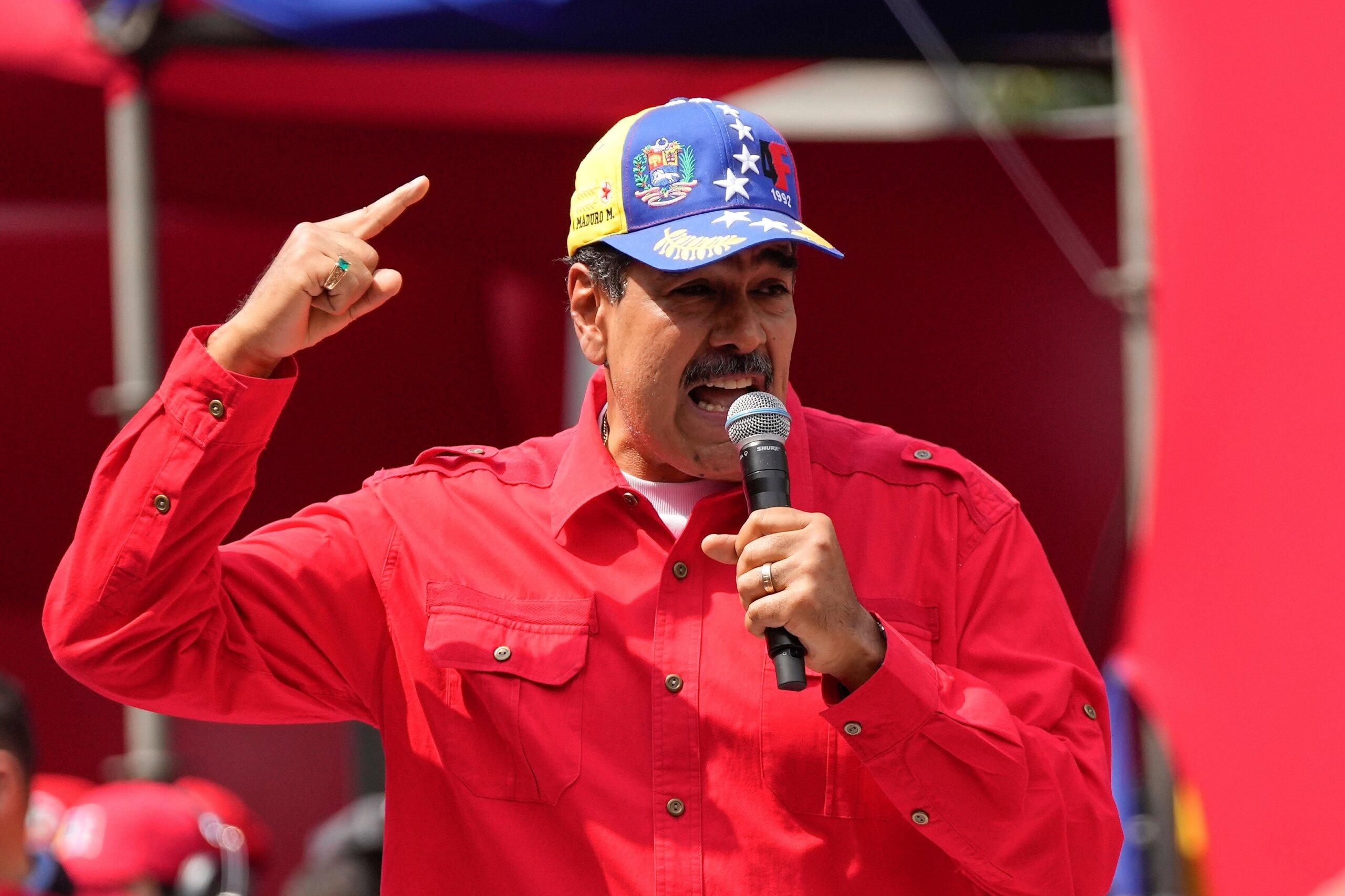
Judge Alvin Hellerstein Demands Trump Administration Justify Blocking Nicolás Maduro's Legal Fees
34 sources compared

Rubio Testifies as Key Witness in Rivera Foreign-Agent Trial
54 sources compared

Colombia's Air Force Hercules C-130 crashes after takeoff; death toll 34–66.
336 sources compared