Keir Starmer Sacks Olly Robbins After Mandelson Vetting Fiasco Sparks Civil Service Clash
Key Takeaways
- Starmer dismissed Olly Robbins, Foreign Office permanent secretary, amid Mandelson vetting controversy.
- Mandelson’s U.S. ambassadorship faced security vetting; Downing Street alleged concealment of vetting concerns.
- Robbins testified to MPs, intensifying scrutiny and highlighting the vetting process's handling.
Mandelson vetting fallout
Britain’s political crisis over Lord Peter Mandelson’s appointment as the UK’s ambassador in Washington has widened into a direct clash between Downing Street and the civil service, after Prime Minister Sir Keir Starmer sacked the lead Foreign Office civil servant involved in the vetting process.
The BBC reports that Sir Olly Robbins, who gave evidence to the Foreign Affairs Select Committee of MPs on Tuesday, was fired as the permanent under secretary at the Foreign Office “last week,” following the “Lord Peter Mandelson vetting fiasco.”
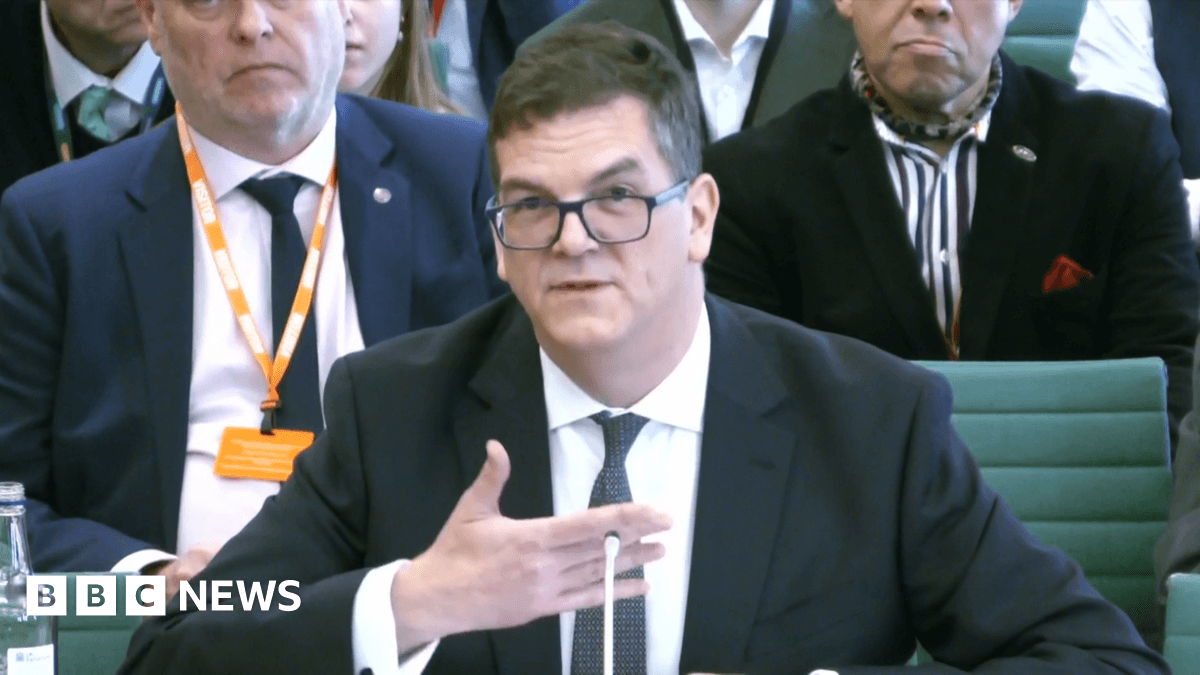
Dave Penman, general secretary of the FDA trade union, told BBC Newsnight that “I think the prime minister is losing the ability to work with the civil service,” and asked, “Who in the civil service would now think they would be immune from when it is politically expedient to be dismissed?”
The BBC also quotes Sir Keir Starmer telling MPs on Monday, “We have thousands of civil servants who act with integrity and professionalism every day.”
The Guardian’s John Crace frames Robbins’ position as a long career of service that ended with Starmer “sacks you and trashes your reputation in parliament,” while also describing Robbins’ defence as “quietly damning.”
In parallel, the Independent reports that Starmer told his Cabinet that Robbins made an “error of judgment” by failing to notify the Prime Minister about the vetting process for Mandelson, while Downing Street denied claims of a dismissive approach and refuted allegations that Foreign Office officials were pressured by Morgan McSweeney.
What Starmer says happened
Starmer’s own account of the scandal is that he would have withdrawn Mandelson’s appointment if he had known the outcome of security vetting, while he also places blame on Foreign Office officials for not telling him.
The Arkansas Democrat-Gazette reports that Starmer acknowledged Monday that he made the wrong judgment when he picked “Jeffrey Epstein's friend Peter Mandelson as U.K. ambassador to Washington,” and said, “I would not have gone ahead with the appointment” had he known the truth.
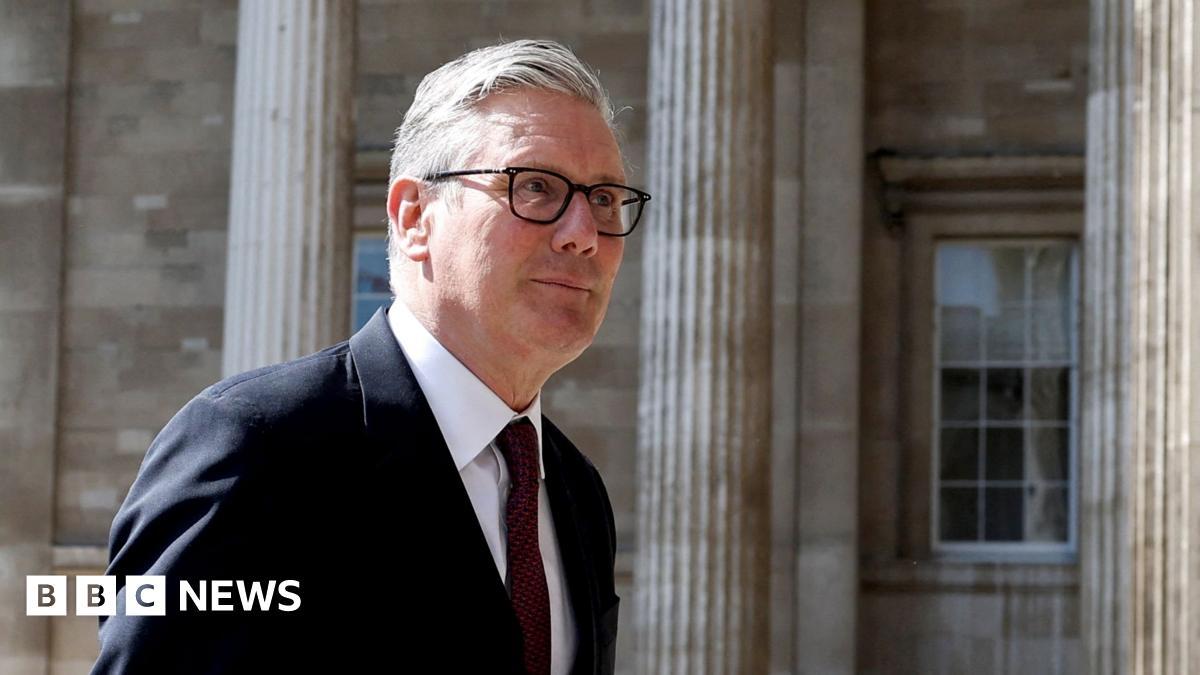
The same report quotes Starmer calling it “frankly staggering” that officials didn’t tell him about the failed vetting, and adds, “At the heart of this, there is also a judgment I made that was wrong,” before he says, “I should not have appointed Peter Mandelson.”
Starmer also told lawmakers in the House of Commons that “I take responsibility for that decision, and I apologize again to the victims of the pedophile Jeffrey Epstein, who were clearly failed by my decision.”
The Independent adds that the due diligence report, conducted prior to Mandelson’s nomination, highlighted “serious reputational risks” concerning his friendship with Jeffrey Epstein and his business links to China.
HuffPost UK, meanwhile, says Starmer told the Commons it “beggars belief” he was not told that Mandelson had not been cleared by UK Security Vetting before being appointed, and it describes Robbins as having decided Mandelson should be approved for “developed vetting.”
Politico.eu adds that Starmer accused his own foreign ministry of deliberately concealing that vetting officials recommended Mandelson should be denied full security clearance, and quotes Starmer saying, “A deliberate decision was taken to withhold that material.”
Robbins’ defence and pressure
The dispute sharpened when Sir Olly Robbins gave evidence to MPs, with multiple outlets describing his account of pressure from No.10 and his insistence that he acted within the vetting system’s rules.
HuffPost UK says Robbins spent “nearly two-and-a-half” hours answering questions from MPs on the Foreign Affairs Committee and reports that he described “an atmosphere of constant chasing,” adding, “Has this been delivered yet?” and “Never any interest in whether, only an interest in when.”
It also quotes Robbins saying there was “a generally dismissive attitude to his vetting clearance” from No.10 and that “The focus was on getting Mandelson to Washington quickly,” while Politico.eu says a key question for Robbins will be “how hard he claims No. 10 pushed him — or his predecessor Philip Barton — for Mandelson to get the role come hell or high water.”
The Guardian’s John Crace portrays Robbins as insisting he “had never given in to the pressure” and that his decision to approve Mandelson for “Developed Vetting” was “entirely by the book,” while also describing Robbins’ refusal to share details because it would undermine “the integrity of the process.”
The Independent reports that in his testimony Robbins “directly criticised Sir Keir Starmer,” suggesting the Prime Minister should have decided against appointing Mandelson after reputational risks were identified, and it says Robbins told the Foreign Affairs Committee there was “a strong impetus to appoint Lord Mandelson as US ambassador as quickly as possible.”
New Statesman adds that No 10 published ad-hoc legal advice stating that “no law stops civil servants from sensibly flagging UK Security recommendations,” in an attempt to further inculpate Robbins, who was “reportedly considering legal action over the manner of his removal.”
Across the coverage, the central tension is whether Robbins kept information from Starmer because of legal and process constraints or because of No.10’s insistence on timing, with Politico.eu stating that Robbins will insist he was legally bound to keep the vetting recommendation private while Starmer insists he was not.
Competing frames in the press
Different outlets portray the same sequence of events—Starmer’s decision, Robbins’ sacking, and the vetting controversy—in sharply different ways, from procedural critique to personal blame.
The BBC frames the episode as a “latest fault line” between Downing Street and the union representing senior civil servants, and it emphasizes Starmer’s attempt to play down any rift when he told MPs, “We have thousands of civil servants who act with integrity and professionalism every day.”

The Guardian’s John Crace, by contrast, uses a narrative of humiliation and process to argue that Robbins’ defence was “quietly damning,” describing him as “a fundamentally decent man” who lived “public service,” while also portraying the episode as a “revenge of the nerd.”
The Independent focuses on Starmer’s response and the due diligence report, stating that Starmer told his Cabinet Robbins made an “error of judgment,” while Downing Street denied claims of a dismissive approach and refuted allegations about pressure from Morgan McSweeney.
HuffPost UK frames the committee session as a pressure campaign that will intensify, describing Robbins’ testimony as “utterly devastating” and quoting Starmer’s earlier line that it “beggars belief” he was not told Mandelson had not been cleared.
The Spectator argues Starmer “can’t blame the civil service for the Mandelson fiasco,” asserting that Starmer complained in the Commons that it “is simply not good enough” for senior civil servants to have failed to provide information relevant to national security, and it argues that Starmer’s blame-shifting is “equally absurd.”
Politico.eu, meanwhile, frames the saga as a continuing threat to Starmer’s future relationships and political standing, stating that “Starmer — who is facing a fresh round of intense scrutiny” remains “in jeopardy,” and it quotes Starmer accusing the Foreign Office of “deliberately concealing” withheld information.
Consequences and next steps
The immediate political consequences include further scrutiny of Starmer’s judgment, the prospect of more evidence from Robbins, and the risk of a broader crisis in relations between ministers and mandarins.
The BBC describes the episode as “the seventh day in a row that the self-inflicted damage of the Lord Mandelson saga has rained down on the prime minister,” and it notes that “With Prime Minister's Questions at lunchtime and the prospect in the coming weeks of the next deluge of documents relating to Lord Mandelson's appointment being published,” the controversy is set to continue.

The Arkansas Democrat-Gazette reports that Starmer fired Mandelson in September, “nine months into the job,” and that he fired Robbins “within hours of the revelation by The Guardian last week,” while also noting that opposition lawmakers greeted Starmer’s explanation with jeers.
It quotes Conservative leader Kemi Badenoch saying, “It doesn't appear that he asked any questions at all. Why? Because he didn't want to know,” and it quotes Liberal Democrat leader Ed Davey calling the appointment “a catastrophic error of judgment” and saying “the only decent thing to do is to take responsibility.”
Politico.eu says questions could grow Tuesday when Oliver Robbins gives his side of the story to a committee of MPs, and it adds that Robbins will insist he was legally bound to keep the vetting recommendation private while Starmer insists he was not.
New Statesman adds that No 10 published legal advice about civil servants flagging UK Security recommendations and says Robbins was “reportedly considering legal action over the manner of his removal.”
The Spectator warns that “We do not yet know whether the Prime Minister will survive,” and it argues that the “biggest casualty” could be “the cause of civil service reform.”
Looking ahead, the Arkansas Democrat-Gazette also ties the political stakes to elections, saying Starmer could face a new challenge if Labour takes “a hammering” in local and regional elections “May 7,” which it describes as giving voters a chance to pass a midterm verdict on the government.
More on Britain

Lyrid Meteor Shower Peaks Over United Kingdom Wednesday Night, With Up to 20 Meteors Per Hour
10 sources compared
King Charles III Says Queen Elizabeth II Would Have Been Deeply Troubled By Today’s World
10 sources compared

Baroness Jacqui Smith Moves To Make Phone Bans Statutory In England Schools
10 sources compared
UK Police Arrest Two Over North London Synagogue Arson, Iran Links Under Investigation
43 sources compared