Britain21 April, 20268 min read
Lyrid Meteor Shower Peaks Over United Kingdom Wednesday Night, With Up to 20 Meteors Per Hour
This article is an automated aggregation of coverage from news outlets. Our editorials offer in-depth analysis curated by the NewsCord team.
Peak viewing in the UK overnight April 21–22, 2026. Meteors per hour at the peak estimated around a dozen to twenty.
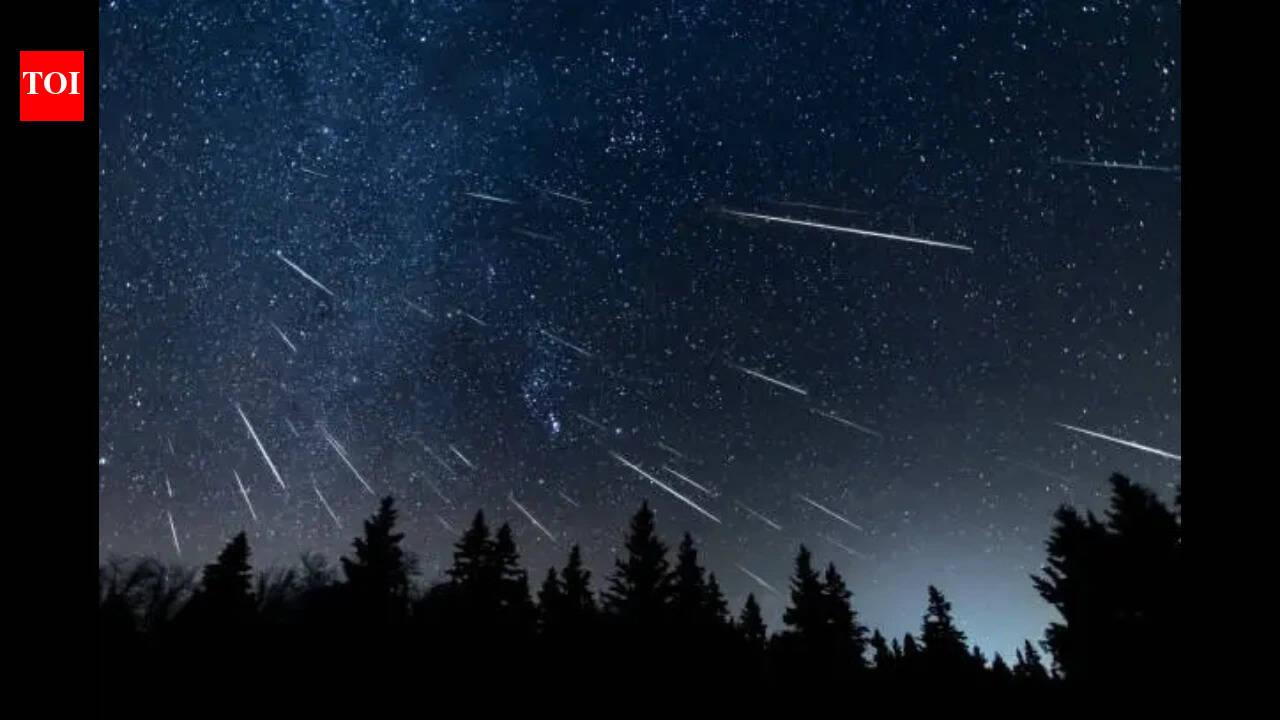
Peak Night in the UK
The Lyrid meteor shower is expected to reach its peak over the United Kingdom on Wednesday night, with the BBC saying it has been ongoing since “the 16 April” and that “the peak is expected on Wednesday night.” The BBC also frames the viewing window with specific expectations, writing that viewers should “Expect to see around 10 to 15 meteors an hour with surges of activity that could bring up to 100 an hour.” The BBC adds that “Wednesday night will start off with virtually clear skies for most parts of the UK,” while noting that “there'll be some cloud initially across Northern Ireland, west Wales and eastern England.”
ITVX similarly says the Lyrid meteor shower “peaks tonight,” and it places the best viewing time “in the early hours of the morning, between 2am and 4am.” Space.com’s coverage also emphasizes the predawn timing, stating that “activity peaks in the predawn hours of April 22,” and that “Under ideal conditions, it's possible to see up to 20 meteors per hour during the peak.” Across the UK-focused guidance, the Royal Museums Greenwich is cited by the BBC for the maximum timing, saying the Lyrids “reaches maximum on 22 April,” and the BBC ties that date to moonlight conditions by noting it is “two days before the First Quarter Moon.”
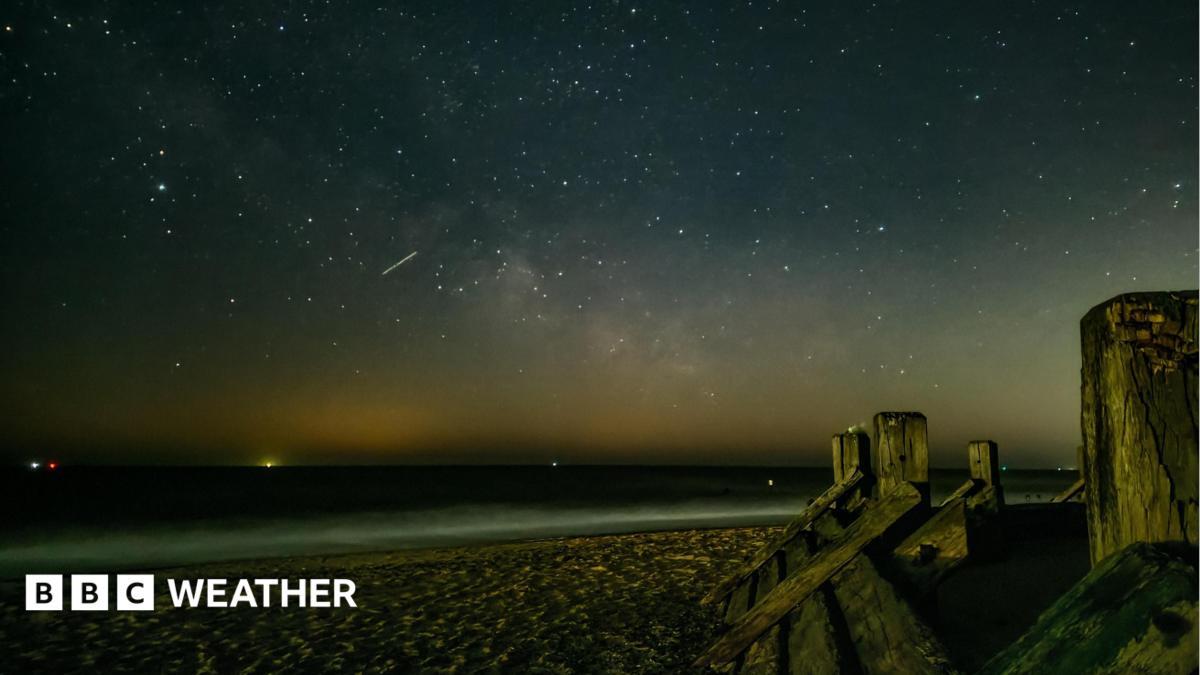
Dates, Origins, and Timing
Multiple outlets connect the Lyrids’ timing to the comet Thatcher and to the Earth’s passage through debris, but they differ in how they describe the calendar window and the peak night. The BBC says the shower “occurs every year from 16 to 25 April, but often peaking around 22 April,” and it also states that “Comet Thatcher takes 415 years to complete its orbit of the Sun and won't be visible again until 2283.” ITVX likewise gives a UK-oriented date range, saying “The Lyrid meteor shower runs from April 16 to 25 each year, but typically peaks around April 21/22 with around 10-20 meteors per hour.”
The Sunday Guardian’s guide for 2026 sets a different peak framing, saying the “peak viewing window will occur on the night of April 21 into the early hours of April 22,” while also stating the shower “will remain active from April 16 to April 25, 2026.” Tempo.co’s version places the peak on April 22, writing that it “is set to reach its peak on Wednesday, April 22, 2026,” and it also says “The phenomenon runs from April 14 to 30, with its peak intensity expected on April 22.”
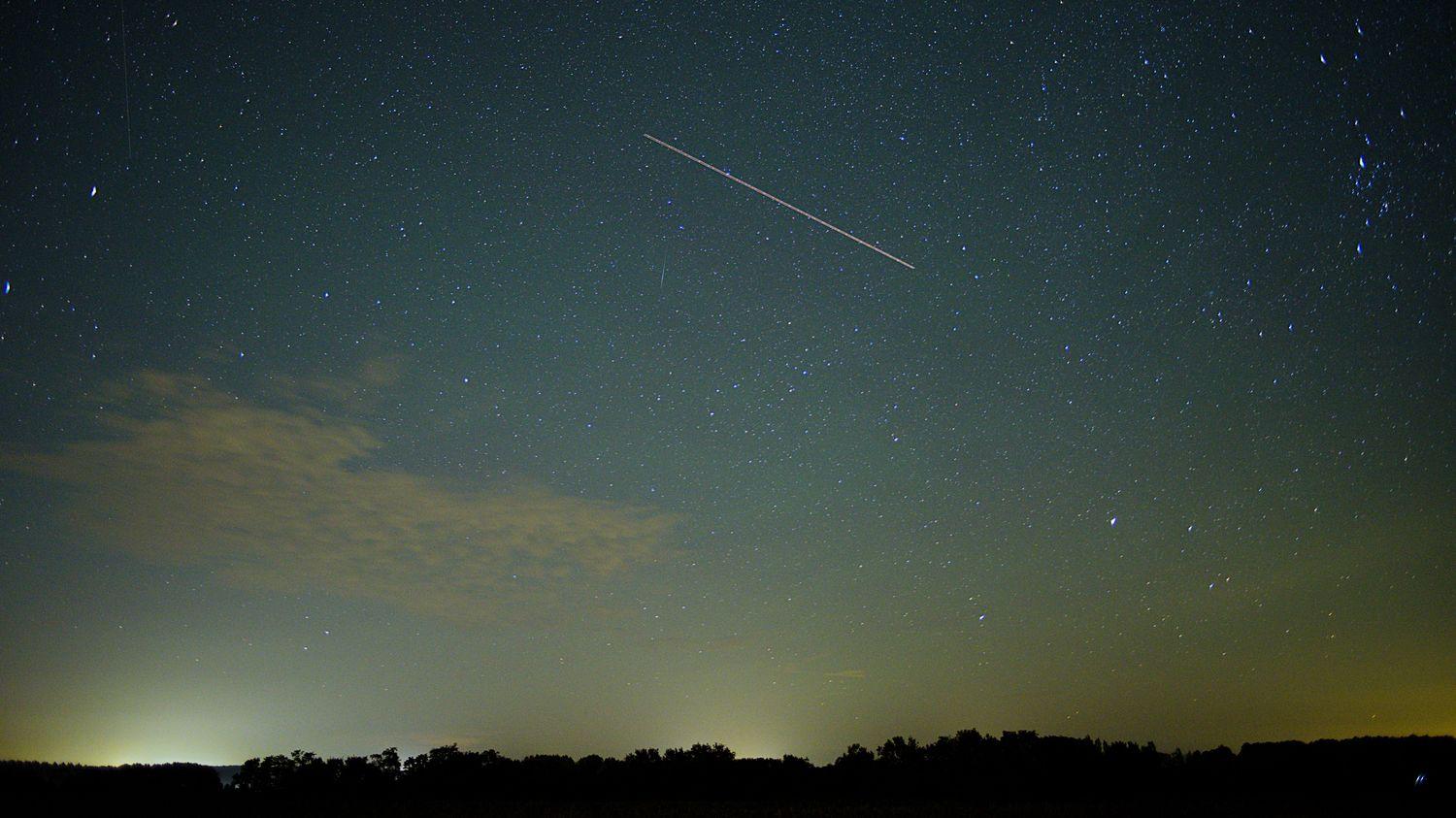
Space.com narrows the “best chance” to a single night, saying “tonight offers your best chance to catch it at its peak,” while also stating “The shower continues through April 25.” Even within the UK-focused reporting, the BBC’s maximum date is explicit—“reaches maximum on 22 April”—and it adds that “the Moon won't cause too much light pollution” because it is “two days before the First Quarter Moon.”
How to Watch in the UK
Guidance for UK viewers repeatedly stresses dark skies, timing after moonset, and minimizing light pollution, with outlets offering overlapping but not identical time windows. The BBC advises that “Perhaps the best time to see the meteors will be after 22:00 BST once it gets properly dark,” and it adds that “You could wait until after 02:00 BST for the Moon to set below the horizon for a totally dark sky.” It also says to “Expect to see around 10 to 15 meteors an hour” but emphasizes that “As there will still be a crescent Moon lighting up the north-western night sky, it might be best to look to the east or south-east away from the Moon for a darker sky.”
ITVX similarly says “The best time to watch tends to be in the early hours of the morning, between 2am and 4am,” and it recommends that “it's worth giving your eyes around 20-30 minutes to adjust to the darkness.” Space.com adds that “The moon will set around midnight, leaving darker skies for the peak hours before dawn,” and it directs viewers to “avoid looking at your phone during this time (easier said than done!) as doing so will reset your night vision.”
The Scottish Sun’s Scotland-focused guide also says “The best time to look out for meteors is after 2am, when the moon has set,” and it suggests that “Coastal spots, open fields, and hill tops are perfect places to catch the showers because these locations have wide stretches of sky and less light pollution.” Franceinfo’s guidance, while not UK-specific, reinforces the “midnight until dawn” window and says “It will reach its peak on the night of April 21–22 and will be particularly observable from midnight to dawn.”
What You’ll See: Meteors and Fireballs
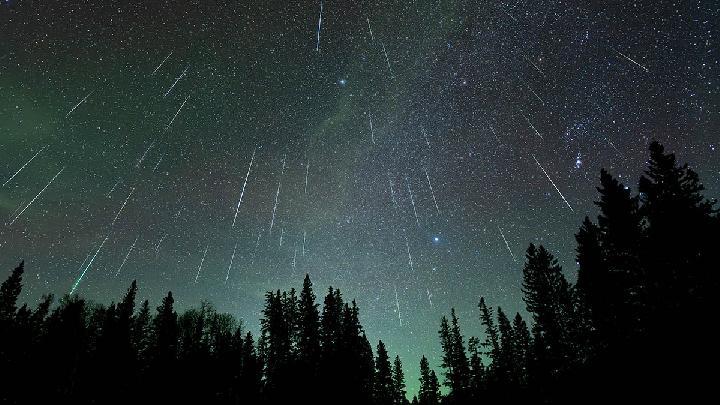
The BBC and ITVX both describe the Lyrids as fast, bright streaks that appear to radiate from the constellation Lyra, and they also distinguish between ordinary meteors and rarer “fireballs.” The BBC says the Lyrids are “named after the constellation of Lyra from where the meteors appear to originate,” and it adds that “Distinctive features of the Lyrids are their colours and brightness - along with exceptionally bright fireballs from time to time, outshining the planet Venus.” ITVX similarly says “Lyrids are named after the constellation Lyra, because the meteors appear to radiate from this area of the sky,” and it quotes ancient documentation that “stars fell like rain”.
Space.com describes the visual effect in terms of brightness and trails, saying “For the most impressive streaks, look slightly away from the radiant — this is where meteors appear longer and more dramatic,” and it also notes that “Under ideal conditions, it's possible to see up to 20 meteors per hour during the peak, with the chance to witness dramatically bright flashes known as fireballs.” The Scottish Sun’s Scotland guide adds a color palette, stating that stargazers “might also be treated to impressive fireballs as larger chunks of rock crash into our atmosphere, and flashes of blue, green, yellow, or orange.”
The BBC also provides a mechanism for the light, saying “The colours are created by very small dust particles - no bigger than a grain of sand - interacting with the particles and ions in Earth's atmosphere,” and it explains that “As the grains heat up and ionise, they produce the light we can see with the trail produced as the meteor cools and fades.” It further distinguishes fireballs by size, saying “Fireballs are made when larger pieces of debris - more like the size of a grape or an acorn - pass though the atmosphere,” and that they create “a flash and a line, often called a train, behind them.”
UK Viewing Uncertainties and Contrasts
Even when outlets agree on the Lyrids’ general identity and the comet Thatcher connection, they diverge on specific numbers and on the exact peak timing, creating a patchwork of advice for UK observers. The BBC says “Expect to see around 10 to 15 meteors an hour with surges of activity that could bring up to 100 an hour,” while ITVX says the shower “typically peaks around April 21/22 with around 10-20 meteors per hour,” and Space.com says “it's possible to see up to 20 meteors per hour during the peak.” The Scottish Sun’s guidance for Scotland says the peak brings “the prospect of seeing 15 to 20 meteors an hour,” and it adds that stargazers could spot “an astonishing 100 meteors per hour during a surge.”
The BBC places the maximum date at “22 April” and recommends “after 02:00 BST,” while Tempo.co says the peak is “Wednesday, April 22, 2026” and also claims “The phenomenon runs from April 14 to 30, with its peak intensity expected on April 22.” Space.com emphasizes that “The moon will set around midnight,” while the BBC says “You could wait until after 02:00 BST for the Moon to set below the horizon for a totally dark sky,” and Franceinfo says the peak is “particularly observable from midnight to dawn.”
The BBC also describes the Lyrids as “ongoing since the 16 April,” while ITVX states “The Lyrid meteor shower runs from April 16 to 25 each year,” and the Sunday Guardian says it “will remain active from April 16 to April 25, 2026.” These differences matter for viewers planning a night out, because the recommended “best time” ranges from “after 22:00 BST” to “between 2am and 4am” to “after 2am,” and the expected hourly counts span “10 to 15,” “10-20,” “15 to 20,” and “up to 20,” with the possibility of “up to 100” or “100 meteors per hour during a surge.”
What Comes Next for UK Skywatchers
For UK observers, the immediate “next” step is to plan around the peak night and the continuing activity through April 25, while also preparing for cold conditions and for the practical constraints of darkness. The BBC warns that “temperatures will drop off quickly making it turn chilly,” and it gives a specific early-morning range, saying “In the early hours of Thursday morning it will only be around 3 to 5C for most of us.” It also notes that “perhaps as cold as freezing in parts of north-east England and eastern Scotland,” and it advises that “In the early hours of Thursday morning” conditions will be “around 3 to 5C.”
ITVX similarly tells viewers to “don't forget a warm coat - it will be cold enough for a patchy rural frost,” and it points to “The clearest skies will be away from the cloudy northeast on Tuesday.” Space.com adds that “Wrap up warm as you could be outside for a long time,” and it says “Meteors can come in bursts, so give yourself at least an hour to enjoy the show.”
The BBC’s viewing instructions also include practical photography guidance, stating “For those wanting to take pictures, you'll need camera equipment with a high exposure to capture the streak of light.” Finally, the BBC’s astronomy framing places the Lyrids in a longer cycle, stating that “Comet Thatcher takes 415 years to complete its orbit of the Sun and won't be visible again until 2283,” which sets the expectation that the next comparable comet visibility will be far in the future even though the meteor shower returns annually from “16 to 25 April.”