
Kenya Fuel Price Protests Kill Four, Injure 30 as Murkomen Says 348 Arrested
Key Takeaways
- At least four killed and about 30 injured amid nationwide fuel-price protests.
- 348 arrested, says Interior Minister Kipchumba Murkomen.
- Nairobi roads largely empty as protesters halted public transport nationwide.
Deaths as strike erupts
Four people were killed and at least 30 people were injured during protests linked to Kenya’s nationwide transport strikes against recent increases in the cost of fuel, Interior Minister Kipchumba Murkomen said on Monday.
“At least four people have been killed during nationwide transport protests in Kenya, the interior minister has confirmed, as anger over rising fuel prices paralysed major cities and exposed deep economic strain”
Murkomen also said 348 people had been arrested as key roads in Nairobi were largely empty and protesters blocked roads with burning barricades.

The BBC reported that protesters erected burning barricades and blocked roads while police used tear gas to disperse them, and it said the strike left thousands of commuters stranded.
In Kitengela, a resident identified as Charles told Reuters through the BBC that “There is no matatu anywhere... We used to pay 100 to 150 shillings, right now it's 300.”
Murkomen, TSA, and criticism
Murkomen warned that “Looting businesses and vandalising public property can in no way bring down oil prices,” as he said protests had been “hijacked by political actors for political ends.”
The Transport Sector Alliance (TSA) said in a statement that “This action is not only for transport operators, but for every Kenyan citizen,” and it called for the reversal of the price increases announced last week.
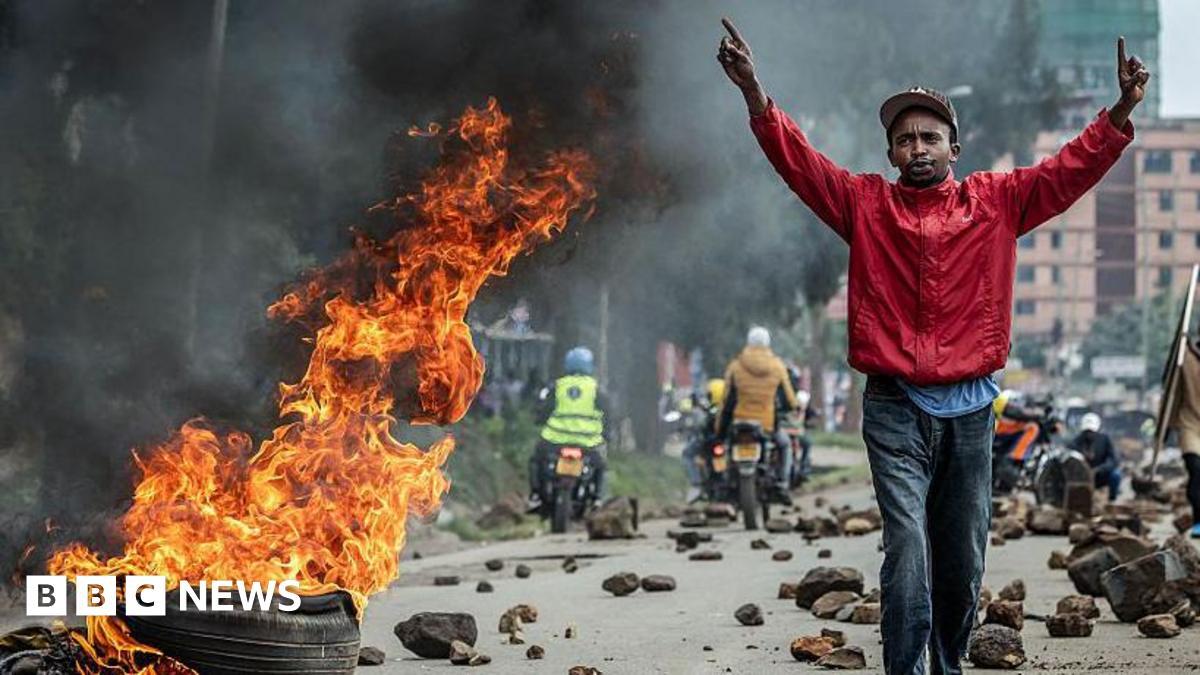
The BBC reported that Nairobi police commander Issa Mohamud said six police officers were injured in the clashes, and it said five police vehicles and one civilian vehicle were damaged.
In Taveta, a motorist who operates in the south-eastern Kenyan border town of Taveta and sources food items from across the border in Tanzania told the BBC he was unable to supply them as usual since morning because of the strike.
Prices, talks, and what’s at risk
The BBC said the strike comes days after authorities raised petroleum prices to record levels, with costs increasing by more than 20%, and it tied the fuel shock to a supply route disrupted by the US-Israel conflict with Iran that began on 28 February.
“- Published Four people have been killed and at least 30 injured in protests linked to Kenya's nationwide transport strikes against recent increases in the cost of fuel, according to the interior minister”
Treasury Minister John Mbadi told NTV station on Monday that the increase in fuel prices was “unfortunate” and acknowledged that it was hurting the economy, while he said the strike was “completely uncalled for.”
The BBC reported that the government cut VAT on fuel from 16% to 8% until July but that there were calls for it to do more, and it said no agreement had been reached between the government and transport operators.
The BBC added that the high cost of fuel was being blamed for increases in the price of food and other basic goods and services, with public service vehicles already raising commuter fares, as the BBC described fears the strike could continue.
More on Protests
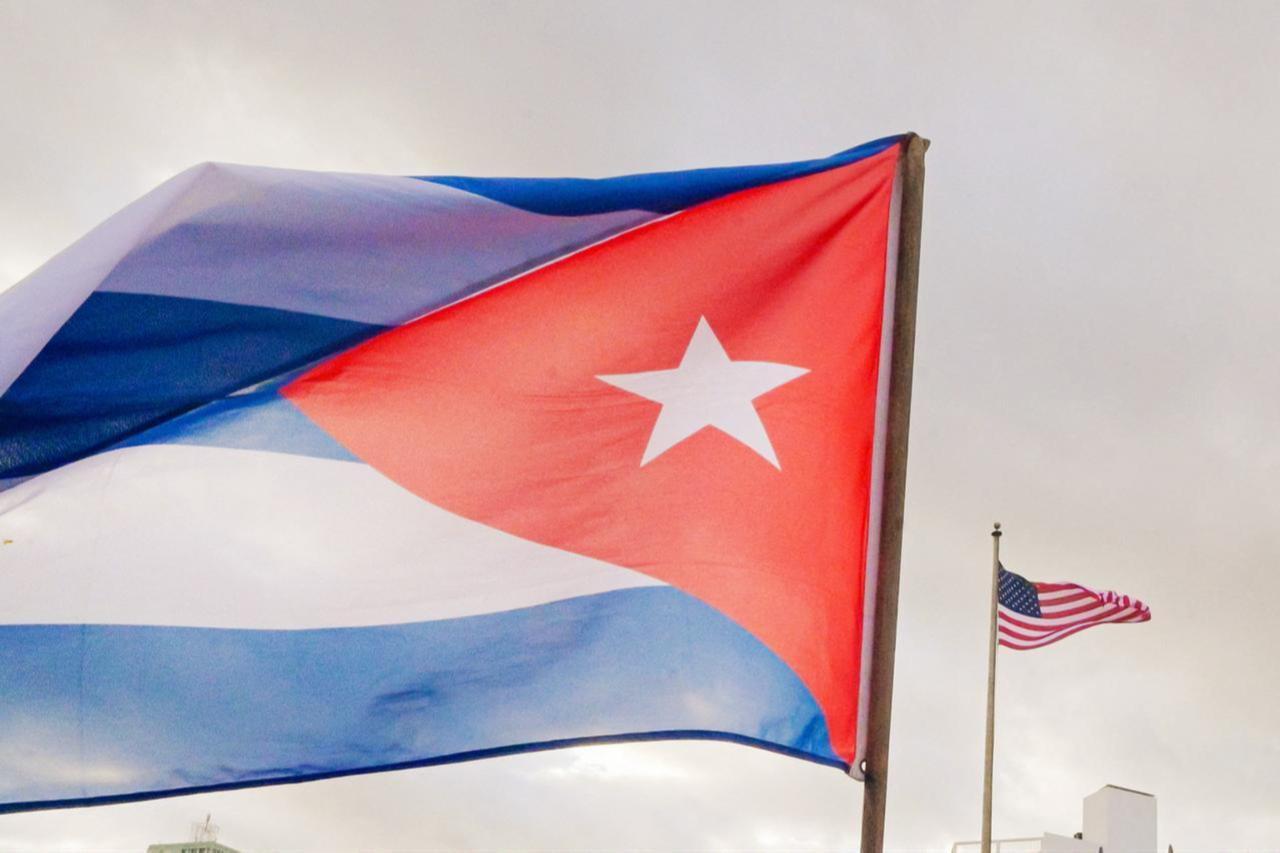
Cuba Acquires 300+ Russian And Iranian Drones To Attack Guantánamo Bay, U.S. Says
14 sources compared
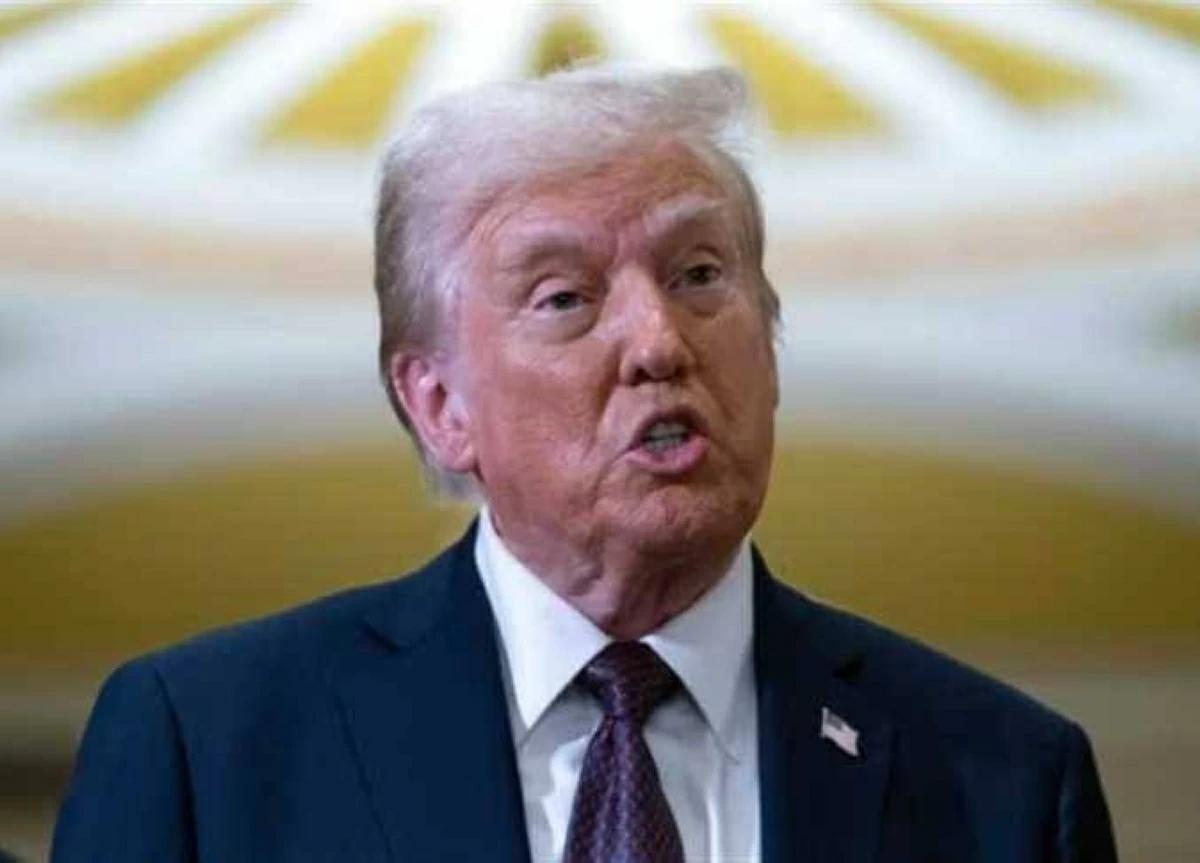
Trump Says US and Nigeria Killed ISIS Deputy Abu-Bilal Al-Minuki in Lake Chad Basin Strike
28 sources compared
Lamine Yamal Waves Palestinian Flag During Barcelona La Liga Title Parade After 2-0 Win Over Real Madrid
16 sources compared
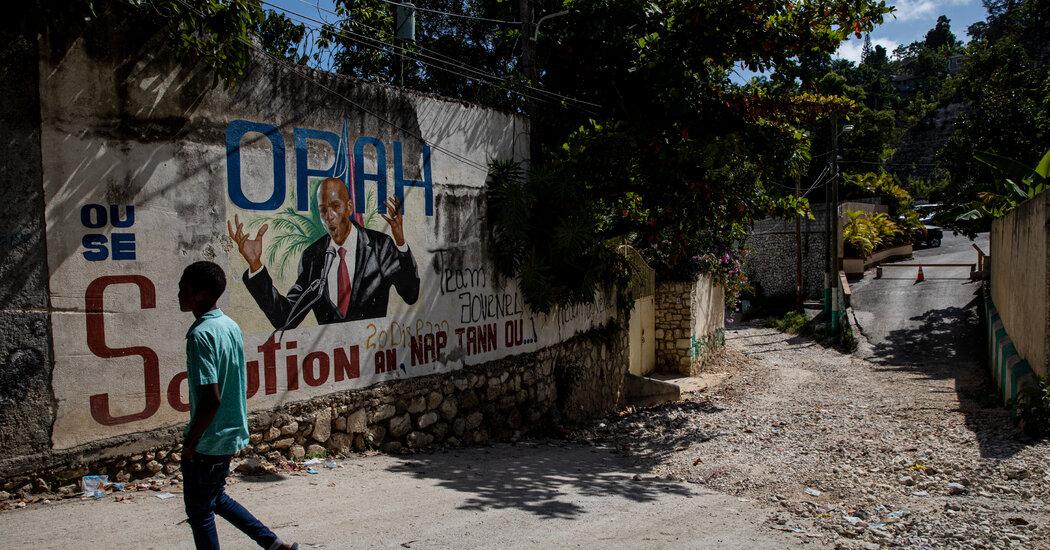
Florida Jury Convicts Arcangel Pretel Ortiz, Antonio Intriago, Walter Veintemilla, James Solages
13 sources compared