Technology and Science13 April, 20261 min read
Kepler Communications Launches Largest Orbital Compute Cluster With Sophia Space Partnership
This article is an automated aggregation of coverage from news outlets. Our editorials offer in-depth analysis curated by the NewsCord team.
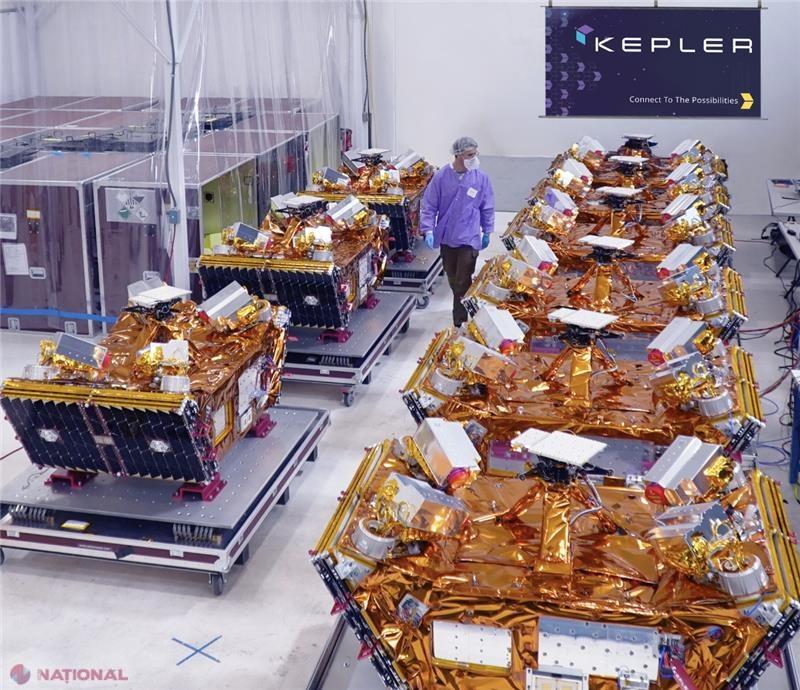
40 Nvidia Orin edge processors across 10 satellites interconnected by laser communications links. Named Kepler Compute, it serves 18 customers and partners with Sophia Space for testing.
Kepler's Orbital Compute Cluster
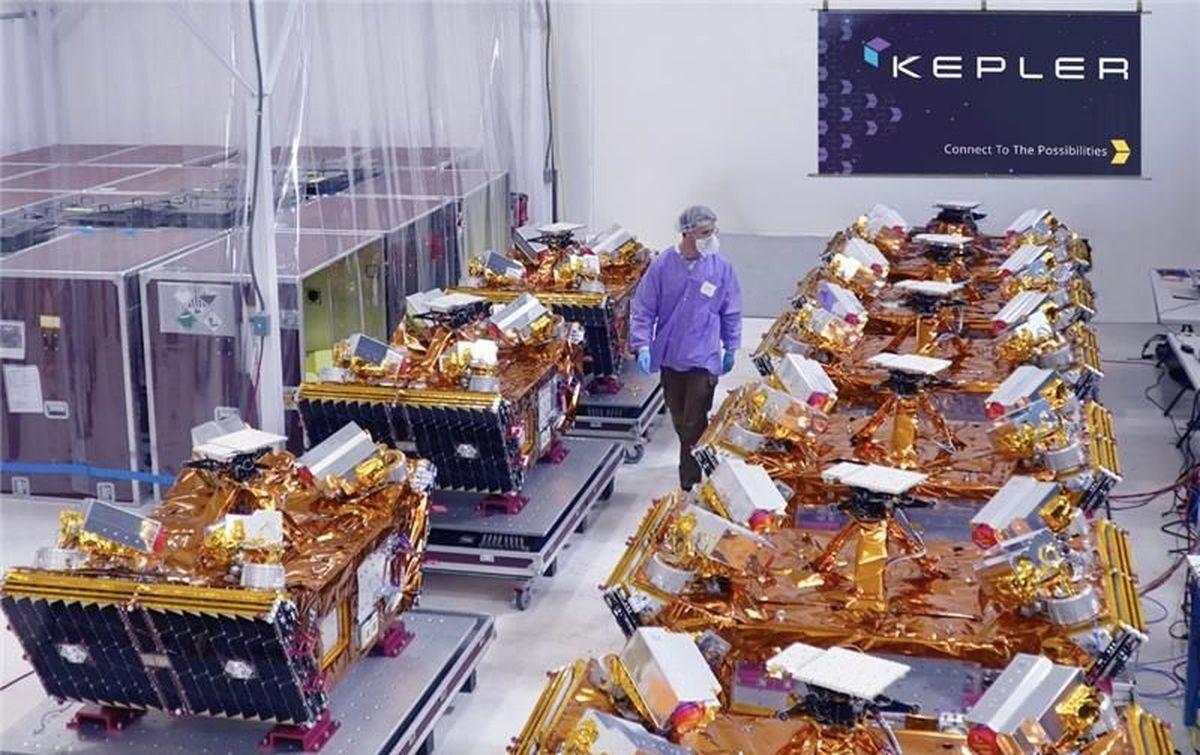
Kepler Communications launched the largest orbital compute cluster currently in orbit in January. It consists of about 40 Nvidia Orin edge processors onboard 10 operational satellites. The company now has 18 customers and announced Sophia Space as its newest partner.
Experts expect large-scale data centers won't appear until the 2030s. Kepler CEO Mina Mitry said, We don't see ourselves as a data center company, but as infrastructure for applications in space.

Sophia Space's Passive Cooling
Sophia Space is developing passively cooled space computers. This could solve the key challenge of preventing overheating without heavy active-cooling systems. The partnership will upload Sophia's OS to one of Kepler's satellites.
This is the first time such an operation will be attempted in orbit. Sophia CEO Rob DeMillo said, There’s no more data centers in this country.
Military and Commercial Applications
Kepler focuses on distributed GPUs that do inference rather than training. The U.S. military is a key customer for missile defense. Kepler has demonstrated a space-to-air laser link for the U.S. government.
Mitry said, If this thing consumes kilowatts of power and you’re only running at 10% of the time, then that’s not super helpful. The partnership will help prove the utility of Kepler's network.
Market Potential and Future
The orbital edge computing market is estimated at $1.77 billion by 2029. It could reach $39.09 billion in 2035. Kepler operates with three complementary revenue streams.
Distributed edge computing networks provide tangible benefits today. Terrestrial constraints make space-based alternatives increasingly attractive.